How Do I Program a Key Fob at Home With These Steps
Programming a key fob at home is easier than most people think. With the right tools and your vehicle manual, you can sync a new remote in minutes. This guide walks you through every step clearly and simply.
Key Takeaways
- You can program most key fobs at home without visiting a dealer or locksmith.
- Having your vehicle manual ready makes the process much smoother and faster.
- Common issues like dead batteries or signal interference are easy to fix on your own.
- Some vehicles require special tools or dealer-level access for programming.
- Keeping spare key fobs programmed saves time and money in emergencies.
- Replacing the battery regularly keeps your key fob working reliably for years.
📑 Table of Contents
- How Do I Program a Key Fob at Home With These Steps?
- What Is a Key Fob and Why Program It at Home?
- Tools and Information You Need Before Starting
- Step-by-Step Guide to Programming Your Key Fob at Home
- Common Problems When Programming a Key Fob and How to Fix Them
- When Should You Call a Professional Instead?
- Tips to Keep Your Key Fob Working Reliably for Years
- Quick Tips for Successful Key Fob Programming
- Common Mistakes to Avoid During Key Fob Programming
- Expert Insights on Key Fob Programming
- Key Takeaways
- Frequently Asked Questions
- Conclusion
How Do I Program a Key Fob at Home With These Steps?
Programming a key fob at home might sound intimidating. But the truth is, most modern vehicles let you sync a remote in just a few minutes. You do not need expensive equipment or a trip to the dealership. With a little patience and the right guidance, you can handle this task yourself. This article breaks down the entire process in simple, easy-to-follow steps.
A key fob is a small remote device that locks, unlocks, and sometimes starts your car. Over time, fobs can wear out, lose their signal, or simply stop working. Replacing a dealer-programmed fob can cost anywhere from $50 to $400 or more. Learning how to program one yourself saves you real money. It also gives you the freedom to add spare remotes whenever you need them.
Whether you bought a new replacement fob online or just need to reprogram an existing one, this guide covers it all. We will walk through what you need before starting, the actual programming steps, troubleshooting tips, and when to call in a pro. By the end, you will feel confident tackling your own key fob programming project.
What Is a Key Fob and Why Program It at Home?
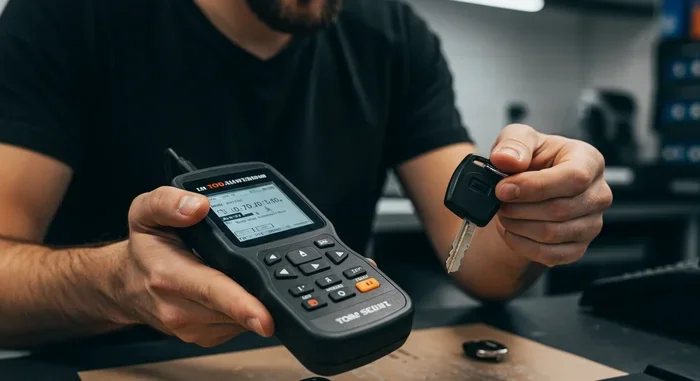
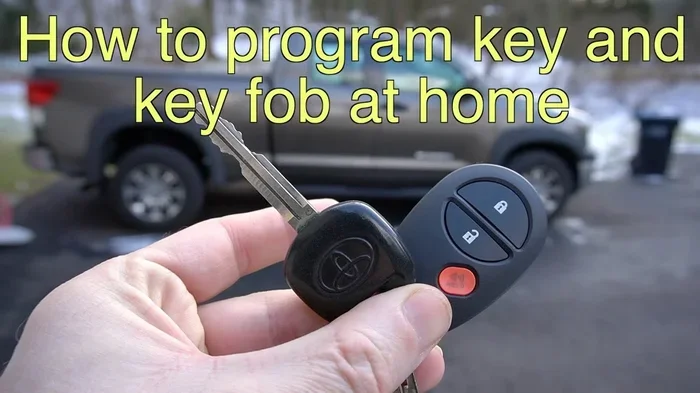
A key fob is a handheld remote that communicates with your car using radio signals. When you press a button, it sends a coded message to your vehicle. The car receives that signal and responds by locking, unlocking, or starting the engine. This technology has made life much more convenient for drivers everywhere.
Most cars made after 2000 come with remote key fobs standard. Older vehicles may use traditional metal keys only. Newer models often include features like push button start and remote start. These advanced systems rely heavily on the key fob to function properly.
So why program a fob at home? First, it saves you a significant amount of money. Second, it saves you time. You do not need to wait days for an appointment at the dealership. Third, it gives you independence. You can handle the task on your own schedule. Many car owners do not realize that their vehicle supports home key fob programming. Checking your owner manual or searching online for your specific car model can confirm this.
Tools and Information You Need Before Starting
Before you begin programming your key fob, gather everything you need. Having the right tools ready prevents frustration and delays. Here is what you should have on hand.
Your Vehicle Owner Manual
The owner manual is your best friend for this project. It contains the exact steps for your specific make and model. Every car brand has slightly different programming procedures. The manual will tell you the correct sequence of button presses and timing. If you lost your manual, you can often find a free PDF version online by searching for your car year and model.
A New or Replacement Key Fob
Make sure your replacement fob is compatible with your vehicle. Not all fobs work with all cars. Check the part number and frequency before purchasing. Many online retailers sell pre-programmed fobs, but blank fobs require you to do the programming yourself. A blank fob is usually much cheaper.
A Working Key Fob (If Available)
In many cases, you need at least one working fob to program a new one. This is especially true for transponder key systems. The working fob proves you are the authorized owner. If you have no working fobs at all, you may need a locksmith or dealer for the initial programming.
A Fresh Battery
Do not forget to install a new battery in your replacement fob before starting. A weak battery can cause programming to fail. Most key fobs use a small CR2025 or CR2032 coin cell battery. Replacing the battery is simple and takes just a few seconds.
Step-by-Step Guide to Programming Your Key Fob at Home
Now let us get into the actual steps. These instructions cover a general process that works for most vehicles. Always double-check with your owner manual for model-specific details.
Step 1: Get Inside and Close All Doors
Sit in the driver seat and close all doors and the trunk. Some vehicles will not enter programming mode if a door is open. Make sure all windows are up too. Turn the ignition off and remove the key from the ignition switch.
Step 2: Enter Programming Mode
This step varies by car brand. For many Ford vehicles, you turn the ignition on and off rapidly several times. For Toyota models, you may need to press and hold a specific button on the driver door panel. For Honda vehicles, the process often involves pressing the lock button on the working fob while turning the key in the ignition. Your owner manual will have the exact sequence.
Once you enter programming mode correctly, the doors will usually lock and unlock automatically. The dashboard lights may flash. This confirms you are in programming mode and ready to sync a new fob.
Step 3: Press the Buttons on the New Fob
Within a specific time window (usually 10 to 30 seconds), press the lock or unlock button on your new key fob. You may need to press it multiple times. Listen for a confirmation sound or watch for the lights to flash. Some vehicles require you to press the button on the new fob while still in programming mode.
Step 4: Exit Programming Mode
After successfully programming the new fob, turn the ignition off or remove the key. This exits programming mode. Test the new fob by standing a few feet away and pressing the lock and unlock buttons. If the car responds, you did it correctly.
Step 5: Test All Functions
Do not just test the lock and unlock buttons. Test any other functions your fob offers. This includes remote start, trunk release, panic alarm, and any special features. Make sure the key fob signal reaches from all areas of your driveway or garage. Walk around the car while pressing buttons to confirm full range.
Step 6: Program Additional Fobs (If Needed)
Want to program more than one replacement fob? Simply repeat the process for each new fob. Stay in programming mode between fobs if your vehicle allows it. This saves time and avoids having to re-enter the programming sequence each time.
Common Problems When Programming a Key Fob and How to Fix Them
Sometimes things do not go as planned. Do not worry. Most common issues have simple solutions. Here are the problems you might run into and how to solve them.
The Car Will Not Enter Programming Mode
This is the most common issue. Usually it means you did not follow the exact sequence correctly. Try again slowly and carefully. Make sure you are using the right method for your specific car model. Some vehicles require you to complete the sequence within a very short time window. If you are too slow, the car exits programming mode before you finish.
The New Fob Does Not Respond
First, check the battery in the new fob. A dead battery is the number one cause of this problem. Replace it with a fresh one and try again. Also, make sure the fob is compatible with your vehicle. A fob designed for a different car model will not work even if it looks similar.
Signal Range Is Very Short
If your newly programmed fob only works when you are right next to the car, there may be an interference issue. Other electronic devices nearby can sometimes disrupt the key fob signal. Try moving away from your garage or other electronics and test again. Also check that you are using the correct frequency for your vehicle.
Programming Works But the Car Will Not Start
This often happens with vehicles that use transponder keys. The transponder chip inside the fob must match the car’s immobilizer system. If you bought a cheap replacement fob without the correct chip, the car will unlock but not start. In this case, you may need a locksmith to program the transponder correctly.
When Should You Call a Professional Instead?
Home programming works great for many situations. But some cases really do need a professional. Knowing when to call for help saves you time and prevents damage to your vehicle.
If you have no working key fobs at all, you likely need a professional. Most programming methods require at least one existing working fob to add new ones. Without any working fobs, the process is much more complicated. A certified car locksmith has the tools and expertise to handle this situation.
Also call a professional if your vehicle uses advanced security systems. Luxury brands and newer models sometimes require dealer-level diagnostic equipment for fob programming. A locksmith with the right equipment can often do this more affordably than the dealership.
Another sign you need help is if the fob keeps failing to program after multiple attempts. Forcing the process can sometimes lock you out of your vehicle entirely. In that case, stop trying and seek professional assistance. A skilled locksmith can also help if your key fob battery replacement did not solve the problem and you suspect a deeper issue.
Tips to Keep Your Key Fob Working Reliably for Years
Once you have successfully programmed your new fob, you want it to last. Here are some simple tips that help maintain your key fob performance over time.
- Replace the battery every 1 to 2 years. Even if the fob still works, a fresh battery prevents unexpected failures. Keep a spare battery in your glove box.
- Avoid dropping or exposing the fob to water. Physical damage is a leading cause of fob failure. Use a protective case if you are rough on your remotes.
- Keep the fob away from other electronic devices. Phones, tablets, and other remotes can sometimes interfere with the signal. Store your fob in a dedicated spot.
- Clean the buttons regularly. Dirt and grime can cause buttons to stick or become unresponsive. A gentle wipe with a damp cloth works well.
- Program spare fobs early. Do not wait until your only fob breaks. Having a backup programmed and ready saves you from a stressful situation.
Some vehicles are heavier and more complex than others when it comes to electronic systems. For example, certain heavy-duty vehicles or older models may have different programming requirements than lighter modern cars. Understanding your specific vehicle type helps you set the right expectations. You can learn more about how vehicle weight and design affect electronic systems by exploring resources on vehicle specifications and features.
Quick Tips for Successful Key Fob Programming
- Always read your owner manual first.
- Work in a quiet environment with minimal electronic interference.
- Use a fresh battery in the new fob before starting.
- Follow the exact button sequence without rushing.
- Test the fob from multiple distances after programming.
- Keep your working fob safe after adding the new one.
Common Mistakes to Avoid During Key Fob Programming
Even with the best instructions, mistakes happen. Here are the most common errors and how to avoid them.
- Skipping the owner manual. Every car is different. Assuming the process is the same for all vehicles leads to frustration.
- Using a dead battery. This seems obvious but it is the most common reason for failure. Always check the battery first.
- Rushing through the steps. Programming requires precise timing. Going too fast causes the car to miss your inputs.
- Not testing immediately. Always test the fob right after programming. If it fails, you can troubleshoot while still in range.
- Buying the wrong fob. Make sure the replacement matches your car year, model, and trim level exactly.
Expert Insights on Key Fob Programming
Automotive professionals agree that home programming is a practical skill every car owner should consider learning. Many locksmiths recommend trying the DIY route first before spending money on professional services. The process has become simpler over the years as car manufacturers have standardized their programming methods. However, the complexity still varies widely between brands and models. For vehicles with advanced security features, the 000 lbs heavy for a car design and build can sometimes add layers of complexity to the electronic programming process, making professional help more worthwhile for certain models.
Experts also suggest keeping a written record of your programming steps. Once you successfully program a fob, write down the exact sequence you followed. This saves you time if you ever need to program another fob in the future. Store this note in your glove box or save it in your phone.
Key Takeaways
- Programming a key fob at home is possible for most vehicles and saves significant money compared to dealer or locksmith fees.
- You need your owner manual, a compatible replacement fob, and a fresh battery before starting the process.
- The general steps involve entering programming mode, pressing fob buttons, and testing the results carefully.
- Common issues like signal interference and dead batteries are easy to diagnose and fix on your own.
- Some vehicles require professional help, especially those with advanced transponder or security systems.
- Regular maintenance like battery replacement and careful handling extends your key fob lifespan significantly.
Frequently Asked Questions
Can I program a key fob at home without any special tools?
Yes, for most vehicles you only need your owner manual and a replacement fob. No special tools are required for basic programming. However, some luxury or newer models may need diagnostic equipment that only professionals have. Always check your vehicle manual first to confirm your model supports home programming.
How long does it take to program a key fob at home?
The process usually takes between 5 and 15 minutes once you have all your materials ready. The hardest part is finding the correct programming sequence for your specific car model. Once you enter programming mode, the actual button presses take less than a minute. Testing the fob adds another minute or two.
What should I do if my key fob still does not work after programming?
First, replace the battery in the fob with a fresh one. Next, make sure you followed the exact programming sequence for your vehicle model. If it still does not work, the fob itself may be defective or incompatible. Contact the seller for a replacement or consult a locksmith for further diagnosis.
Do I need to reprogram all my key fobs if I replace one?
Not always. In most cases, you only need to program the new fob. However, some vehicles require you to reprogram all fobs if one has been lost or stolen. Check your owner manual for the specific procedure. When in doubt, a locksmith can help you determine the right approach.
Is it cheaper to program a key fob at home or at a dealership?
Programming at home is almost always cheaper. Dealerships often charge between $50 and $400 or more for fob programming. Doing it yourself costs only the price of the replacement fob and a new battery. The only exception is when your vehicle requires specialized equipment that only a dealership or locksmith can provide.
Can I program a key fob if I lost all my working remotes?
This situation is more complicated. Most programming methods require at least one working fob to add a new one. If you have lost all remotes, you will likely need a locksmith or dealership to perform the initial programming. Some vehicles have a master key or override procedure that a professional can use to regain access.
Conclusion
Programming a key fob at home is a practical skill that saves you time and money. With the right preparation and a little patience, most car owners can handle this task themselves. The key is to follow your vehicle-specific steps carefully and not rush through the process.
Remember to keep your key fob battery fresh, test your fob regularly, and always have a backup plan. If you run into problems that you cannot solve, a qualified locksmith is always there to help. But for the majority of vehicles, home programming works perfectly and puts you in control of your car’s security and convenience features.
Take the time today to learn your vehicle’s programming method. You will be glad you did the next time a fob dies or you need a spare remote. Happy programming!