Can You Put Rims on a Tesla Heres What You Need to Know
Yes, you can put rims on a Tesla, but you need to pay close attention to bolt pattern, wheel offset, and tire size. Swapping to aftermarket rims can boost your Tesla’s look and even improve performance. However, choosing the wrong rims may void your warranty or cause safety issues. This guide covers every detail you need before making a purchase.
Many Tesla owners dream about giving their car a fresh new look. One of the easiest ways to transform your Tesla is by swapping out the stock wheels. But the big question remains: can you put rims on a Tesla? The answer is yes, but there are important details you need to understand first.
Putting aftermarket rims on a Tesla is not the same as putting rims on a regular car. Tesla vehicles have specific engineering requirements. The bolt pattern, wheel diameter, offset, and tire size all play a role in whether a rim will work safely. Get these wrong, and you could face serious problems. This guide walks you through everything you need to know about upgrading your Tesla wheels.
Whether you drive a Tesla Model 3 or a Tesla Model Y, the principles stay the same. We will cover specifications, compatibility, installation tips, and common mistakes. By the end, you will feel confident about choosing the perfect rims for your Tesla. Let us dive in.
Key Takeaways
- Tesla rims are replaceable: You can upgrade to aftermarket wheels without major issues if you match the correct specifications.
- Bolt pattern matters most: Tesla uses a specific 5×114.3 bolt pattern that must be matched exactly.
- Wheel offset affects handling: The wrong offset can cause rubbing, poor alignment, and unsafe driving conditions.
- Aftermarket vs OEM has trade-offs: Aftermarket rims offer style and choice, while OEM rims ensure perfect fit and warranty coverage.
- Tire fitment is critical: Always verify the new rim diameter works with your current tire size or plan for new tires too.
- Installation quality matters: Professional installation and proper torque prevent wheel damage and ensure safety.
📑 Table of Contents
- Can You Put Rims on a Tesla? The Short Answer
- Tesla Rim Specifications You Need to Know
- Aftermarket Rims vs OEM Rims for Tesla
- How to Choose the Right Rims for Your Tesla
- Installation Tips and Things to Watch Out For
- Does Rim Choice Affect Tesla Range?
- Warranty Considerations When Upgrading Tesla Rims
- Final Thoughts
Can You Put Rims on a Tesla? The Short Answer
The short answer is yes. You absolutely can put rims on a Tesla. Tesla vehicles are designed to accept aftermarket wheels. Thousands of Tesla owners around the world upgrade their wheels every year. It is one of the most popular modifications in the Tesla community.
However, the word “can” comes with an important caveat. You can put rims on a Tesla, but they must be compatible. Not every rim will fit. Tesla has specific engineering standards that every wheel must meet. These standards exist for safety and performance reasons. Ignoring them can lead to dangerous outcomes.
Think of it this way. Your Tesla is already 000 lbs heavy for a car, so every component matters even more. The wheels and tires are the only parts touching the road. That is why getting the right fit is so important. A proper rim upgrade enhances both looks and driving feel.
Why Tesla Owners Upgrade Their Rims
There are many reasons Tesla owners choose to upgrade their wheels. The stock rims that come with your Tesla are functional, but they are not always exciting. Here are some common reasons people make the switch:
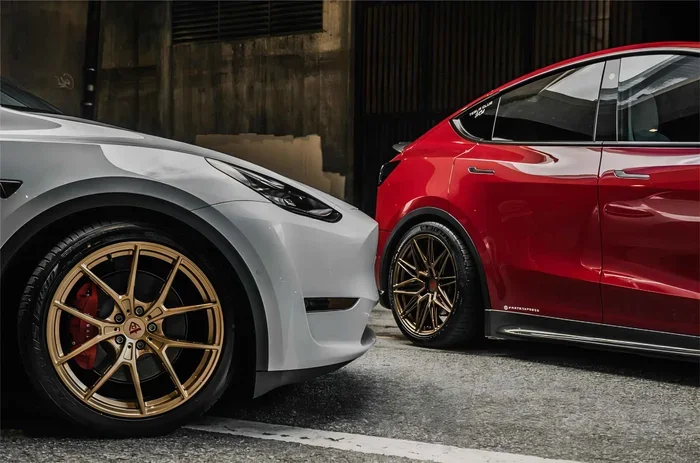
- Aesthetics: Aftermarket rims come in countless designs. You can find sleek, sporty, or aggressive styles that match your personal taste.
- Weight reduction: Lighter rims improve acceleration, braking, and range. Since Tesla is an electric vehicle, every pound matters for efficiency.
- Performance: Performance wheels offer better grip and handling. They can make your Tesla feel more responsive on the road.
- Customization: Many owners want their Tesla to stand out. Custom rims are an easy way to express individuality.
- Resale value: A well-maintained Tesla with premium wheels can fetch a higher resale price.
Whatever your reason, the key is to choose wisely. A rim upgrade should enhance your driving experience, not create problems.
Tesla Rim Specifications You Need to Know
Before buying any rims, you need to understand the key specifications. These numbers determine whether a wheel will fit your Tesla. Let us break them down one by one.
Bolt Pattern
The bolt pattern is the arrangement of lug nuts on the wheel hub. Tesla uses a 5×114.3 bolt pattern. This means there are five bolts arranged in a circle with a diameter of 114.3 millimeters. This is the most important number to match. If your aftermarket rim does not have a 5×114.3 pattern, it simply will not fit your Tesla.
Some aftermarket rim brands offer universal adapters. These adapters let you fit a rim with a different bolt pattern. However, adapters add complexity and can reduce safety. It is always better to find a rim that matches the bolt pattern directly.
Wheel Diameter and Width
Tesla wheels typically come in sizes ranging from 18 inches to 21 inches. The stock rim size depends on your model and trim level. When choosing aftermarket rims, you should stay within the recommended diameter range. Going too large or too small can cause tire fitment issues.
Wheel width matters just as much as diameter. A rim that is too wide or too narrow affects how the tire sits on the wheel. This can change your handling, ride comfort, and even your range. Always check the recommended width range for your Tesla model before purchasing.
Wheel Offset
Wheel offset is the distance between the wheel hub and the center of the rim. It determines how far the wheel sits inside or outside the wheel well. Tesla has a specific offset range for each model. If the offset is too high, the wheel sits too far inward. If it is too low, the wheel sticks out too far.
Both situations are problematic. A wheel that sits too far inward can rub against suspension components. A wheel that sticks out too far can interfere with fenders and body panels. Always verify the offset before you buy. This is one of the most overlooked specs, and getting it wrong can be costly.
Center Bore
The center bore is the hole in the middle of the rim that fits over the hub. Tesla has a specific center bore measurement. Aftermarket rims sometimes have a larger center bore, which requires hub-centric rings. These rings center the rim properly on the hub and ensure a smooth, vibration-free ride.
Never skip hub-centric rings if they are needed. They keep the wheel perfectly centered and prevent wobbling at high speeds. This is a small detail that makes a big difference in ride quality and safety.
Aftermarket Rims vs OEM Rims for Tesla
When you decide to upgrade your Tesla wheels, you face a choice: aftermarket or OEM. Both options have pros and cons. Let us compare them so you can make an informed decision.
| Feature | OEM Rims | Aftermarket Rims |
|---|---|---|
| Fit and Finish | Perfect factory match | Varies by brand and quality |
| Warranty Coverage | Included with Tesla warranty | Usually no Tesla warranty coverage |
| Design Options | Limited to factory choices | Thousands of designs available |
| Price Range | Higher cost from Tesla | Wide range, often more affordable |
| Quality Control | Strict factory standards | Varies widely between brands |
| Availability | Ordered through Tesla | Available from many retailers |
OEM rims from Tesla offer peace of mind. They are engineered specifically for your vehicle. They come with a warranty and guaranteed fit. However, they can be expensive and the design options are limited.
Aftermarket rims open up a world of choice. You can find lightweight forged wheels that improve performance. You can find unique designs that make your Tesla stand out. But you also take on the risk of poor quality or incorrect fitment. This is why research is so important before you buy.
Popular Aftermarket Rim Brands for Tesla
Several rim brands have earned a strong reputation in the Tesla community. Here are some brands worth considering:
- T Sportline: Known for high-quality Tesla-specific wheels with a focus on lightweight performance.
- Unplugged Performance: Offers premium aftermarket wheels designed specifically for Tesla models.
- Wheel Vintiques: Specializes in vintage-inspired rims that give modern Teslas a classic look.
- Vorsteiner: Premium aftermarket brand with sleek, aerodynamic wheel designs.
- TSW: Offers a wide range of styles and sizes at competitive prices.
Each brand has its strengths. Some focus on weight reduction, while others prioritize aesthetics. Read reviews and compare specs before committing to a brand. Your choice of aftermarket wheels will shape both the look and the driving experience of your Tesla.
How to Choose the Right Rims for Your Tesla
Choosing rims for your Tesla can feel overwhelming with so many options available. But if you focus on the right specifications, the process becomes much simpler. Here is a step-by-step guide to help you decide.
Step 1: Check Your Tesla Model Specifications
Start by looking up your exact Tesla model and year. Every Tesla model has slightly different rim specifications. A rim that fits a Model 3 might not fit a Model Y. Check your owner manual or Tesla’s online configurator for the exact bolt pattern, offset, and diameter.
Step 2: Decide on Your Priorities
Ask yourself what matters most to you. Is it looks? Performance? Range? Comfort? Your priorities will guide your choice. If aesthetics are your main goal, focus on design and finish. If performance matters more, prioritize lightweight construction and proper tire fitment.
Step 3: Measure Your Current Setup
Before shopping for new rims, measure your current setup. Note the diameter, width, offset, and bolt pattern. This gives you a baseline to compare against. It also helps you understand how much you can change without modifying your vehicle.
Step 4: Consider Tire Compatibility
New rims often require new tires. If you change the rim diameter, you must also adjust the tire size. The overall tire diameter should stay close to the stock size to maintain accurate speedometer readings and proper clearance. Use a tire size calculator to verify compatibility before you buy.
Step 5: Budget for Installation
Do not forget the cost of installation. Professional mounting, balancing, and alignment add to the total expense. A proper installation ensures your new rims perform safely and last longer. Always choose a reputable shop with experience working on Tesla vehicles.
Many people who write 10 lines on their favourite toy car dream about customizing their real car one day. If that is you, taking the time to research and choose the right rims is part of the fun.
Installation Tips and Things to Watch Out For
Installing new rims on your Tesla is not difficult, but it requires attention to detail. Here are some tips to ensure a smooth and safe installation process.
Always Use a Torque Wrench
When tightening wheel lug nuts, always use a torque wrench. Tesla specifies a exact torque value for its wheels. Over-tightening can warp the brake rotor. Under-tightening can cause the wheel to loosen while driving. Both situations are dangerous. A torque wrench takes seconds to use and prevents costly mistakes.
Check for Proper Alignment
After installing new rims, get a wheel alignment checked. New wheels can shift your alignment slightly. Even a small misalignment causes uneven tire wear and pulls your Tesla to one side. A proper alignment extends tire life and improves driving safety.
Inspect the Rims Before Installation
Before a shop mounts your new rims, inspect them yourself. Look for cracks, chips, or manufacturing defects. Rim damage can compromise structural integrity. It is much easier to spot issues before the rim is on the vehicle than after.
Clean Your Car Glass After Installation
After the installation process, take time to clean your car. During a rim swap, debris and dust can settle on your car glass. If you want to make sure everything looks perfect, check for any unwanted things you can remove from car glass like fingerprints, adhesive residue, or dust particles. A clean car feels brand new and makes your rim upgrade feel even more rewarding.
Monitor Tire Pressure Regularly
New rims and tires can affect your Tesla’s tire pressure monitoring system. Check your tire pressure regularly during the first few weeks after installation. The TPMS light may trigger if the system needs recalibration. Keep a tire pressure gauge in your garage and make it a habit to check weekly.
Common Mistakes to Avoid
- Ignoring the center bore: Skipping hub-centric rings causes vibration and unsafe driving.
- Choosing the wrong offset: This leads to rubbing, poor handling, and potential body damage.
- Skipping the alignment: Misaligned wheels wear out tires quickly and affect range.
- Buying the cheapest option: Low-quality rims may look good but can be unsafe under stress.
- Forgetting about tire age: Even new tires on old rims need to be checked for proper condition.
In India, car customization culture is growing fast. Many enthusiasts go beyond just rims and add personal touches like a 1 star on car as a unique identifier. Your Tesla customization journey can be just as personal and creative.
Does Rim Choice Affect Tesla Range?
This is a question many Tesla owners ask. The answer is yes, rim choice does affect range. Here is how. Heavier rims add unsprung weight to your vehicle. Unsprung weight is the weight of components not supported by the suspension, like wheels and tires. More unsprung weight means more energy is needed to move the car.
Tesla engineers optimize the stock rim design for the best balance of weight, aesthetics, and range. When you swap to heavier aftermarket rims, you may lose some range. However, lightweight aftermarket rims can actually improve range by reducing unsprung weight.
The key is to choose rims that are both strong and light. Forged aluminum rims are typically lighter than cast aluminum rims. They also tend to be stronger, which improves durability. If range is important to you, prioritize lightweight rim options when shopping.
Some Tesla owners also choose to adjust tire pressure based on their new rim setup. Lower pressure gives a more comfortable ride but can reduce range. Higher pressure improves range but may make the ride harsher. Finding the right balance is part of the optimization process.
Warranty Considerations When Upgrading Tesla Rims
One of the most important things to consider before upgrading your Tesla rims is the warranty. Tesla’s warranty covers manufacturing defects in the vehicle and its components. But what happens when you add aftermarket parts?
The general rule is that Tesla warranty covers the vehicle as delivered from the factory. If you install aftermarket rims and something goes wrong, Tesla may deny a claim related to the modification. For example, if a poorly fitting rim causes vibration that damages a suspension component, Tesla might not cover the repair.
That said, Tesla cannot simply void your entire warranty because you added new rims. The Magnuson-Moss Warranty Act in the United States protects consumers from blanket warranty denial due to aftermarket parts. Tesla would need to prove that the aftermarket rims directly caused the specific issue before denying a claim.
To protect yourself, choose reputable aftermarket rim brands with proven quality. Keep all receipts and documentation. And if you are unsure, consult with Tesla service before making your purchase. Being informed is your best defense against warranty issues.
Final Thoughts
So, can you put rims on a Tesla? Absolutely. Upgrading your Tesla wheels is one of the most satisfying modifications you can make. It changes the entire look and feel of the car. But success comes from doing your homework. Match the bolt pattern, check the offset, verify the center bore, and choose quality over price every time.
Take your time. Research brands. Read reviews. Watch installation videos. Talk to other Tesla owners in forums and communities. The more you know, the better your result will be. A well-chosen rim upgrade makes your Tesla look stunning and drives even better.
Remember, your Tesla is a precision-engineined machine. Every component matters, and that includes the wheels. Treat your rim upgrade with the same care and attention you give every other part of your vehicle. Do it right, and you will enjoy the results for years to come.
Many people in India and around the world take pride in their car modifications. Whether you are adding a personal touch or going all out with performance wheels, the goal is the same: make your Tesla truly yours. Enjoy the process and drive safely.
Frequently Asked Questions
Can I put any rim on my Tesla?
No, you cannot put just any rim on your Tesla. The rim must match your Tesla’s bolt pattern of 5×114.3, the correct center bore, and the appropriate offset. Always verify the specifications before purchasing any aftermarket rim to ensure a safe and proper fit.
Do aftermarket rims void my Tesla warranty?
Aftermarket rims do not automatically void your Tesla warranty. However, if Tesla can prove that the aftermarket rims directly caused a specific issue, they may deny that particular claim. Choose reputable brands and keep all documentation to protect yourself.
What rim size is best for a Tesla Model 3?
The best rim size for a Tesla Model 3 depends on your priorities. For a balanced look and performance, 18-inch or 19-inch rims work well. For maximum range, stick closer to the stock size. For a sporty appearance, 20-inch or 21-inch rims make a bold statement.
Do lighter rims improve Tesla range?
Yes, lighter rims can improve Tesla range. Reducing unsprung weight means the motor uses less energy to move the car. Forged aluminum rims are typically lighter than cast rims and are a popular choice among range-conscious Tesla owners.
Can I put larger rims on my Tesla?
You can put slightly larger rims on your Tesla, but there are limits. Going up one size from stock is usually safe if you adjust the tire size accordingly. Going up two or more sizes can cause rubbing, poor handling, and clearance issues. Always check fitment before buying.
How much does it cost to upgrade Tesla rims?
The cost varies widely depending on the brand and material. Aftermarket rims can range from $500 to $3,000 or more per set. Add installation costs of $100 to $300 for mounting, balancing, and alignment. High-end forged rims will cost more but offer superior strength and weight savings.
=== CONCLUSION ===
Putting rims on a Tesla is entirely possible and can be a fantastic upgrade when done correctly. The key is understanding your Tesla’s specifications and choosing rims that match those specs precisely. From bolt pattern to wheel offset, every detail matters for safety, performance, and appearance.
Take the time to research, compare options, and invest in quality. Whether you choose lightweight forged rims for better range or stylish aftermarket wheels for a custom look, the right choice will enhance your driving experience. Your Tesla deserves wheels that match its engineering excellence. Choose wisely, install properly, and enjoy the ride.