How Many Miles Per Gallon Does a Dodge Challenger Get
The Dodge Challenger delivers between 11 and 30 miles per gallon depending on the engine and trim you choose. The base V6 model offers the best fuel economy at 24 MPG combined, while the powerful HEMI V8 and supercharged SRT Hellcat variants drop to around 14 MPG combined. Your driving habits, engine choice, and road conditions all play a big role in real-world fuel efficiency.
This is a comprehensive guide about How Many Miles Per Gallon Does a Dodge Challenger Get?.
Key Takeaways
- V6 models lead in efficiency: The 3.6-liter Pentastar V6 offers up to 30 MPG on the highway, making it the most fuel-friendly Challenger.
- V8 engines sacrifice MPG for power: HEMI V8 trims like the R/T and Scat Pack deliver thrilling performance but consume more gas.
- Supercharged Hellcat models are the thirstiest: The SRT Hellcat and Demon engines prioritize raw power over fuel economy.
- Driving style matters a lot: Aggressive acceleration and high-speed driving can cut your MPG by 20-30%.
- The Challenger is a heavy car: Weighing over 4,000 lbs, its mass directly impacts fuel efficiency, as discussed in our guide on 000 Lbs Heavy For A Car.
- EPA ratings are just the baseline: Real-world MPG often differs based on traffic, terrain, and climate.
- Annual fuel costs vary widely: Choosing a V6 over a V8 can save you hundreds of dollars per year at the pump.
[FEATURED_IMAGE_PLACEHOLDER]
How Many Miles Per Gallon Does a Dodge Challenger Get?
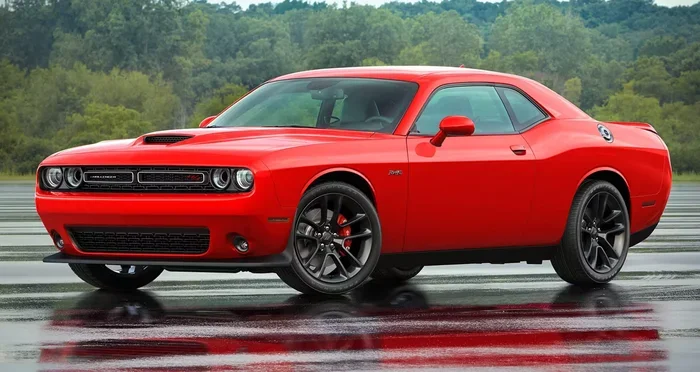
The Dodge Challenger is one of the most iconic American muscle cars on the road today. People love its aggressive styling, powerful engines, and that unmistakable rumble. But when it comes to fuel economy, many buyers wonder what they are really getting into. The answer depends on which trim and engine you choose.
The base model with the 3.6-liter V6 engine delivers the best fuel efficiency in the lineup. It earns an EPA-rated 19 MPG in the city and 30 MPG on the highway. That gives it a combined miles per gallon rating of about 24. For a car with this much horsepower, that is actually quite respectable.
On the other end of the spectrum, the supercharged SRT Hellcat and Demon models are far less efficient. These beasts sip fuel at a much faster rate, often returning around 11 to 14 MPG combined. The heavy vehicle weight and massive horsepower go hand in hand when it comes to thirst at the pump. If you are curious about how weight affects car performance, check out our piece on 000 Lbs Heavy For A Car to understand the relationship better.
So whether you are shopping for a daily driver or a weekend toy, understanding the Dodge Challenger fuel economy is essential. Let us break down every engine option so you know exactly what to expect.
MPG Ratings by Engine Option
Every Dodge Challenger trim comes with a different engine. Each engine has its own set of fuel economy numbers. Here is a closer look at what you can expect from each option.
3.6-Liter V6 Pentastar Engine
The base Challenger SE and Challenger SXT trims come with the 3.6-liter V6 engine. This naturally aspirated engine produces 305 horsepower and 268 lb-ft of torque. Despite being a V6, it still delivers a respectable punch for daily driving.
Here are the EPA fuel economy numbers for this engine:
- City MPG: 19
- Highway MPG: 30
- Combined MPG: 24
For a car that weighs over 4,000 pounds, these numbers are not bad at all. The V6 model is the clear winner when it comes to saving money on gas. Many owners report getting even better numbers in real-world driving, especially if they keep their foot light on the accelerator.
5.7-Liter HEMI V8 Engine
The Challenger R/T trim steps up to the 5.7-liter HEMI V8. This engine produces 375 horsepower and 410 lb-ft of torque. It is the classic muscle car heart that has powered Dodges for decades.
Fuel economy takes a noticeable hit with this upgrade:
- City MPG: 13
- Highway MPG: 22
- Combined MPG: 17
That is a drop of about 7 MPG on the combined rating compared to the V6. However, the V8 delivers a much more exhilarating driving experience. The deep rumble of the HEMI engine is something a V6 simply cannot replicate.
6.4-Liter HEMI V8 Engine
The Challenger R/T Scat Pack and Challenger R/T Shaker trims use the 6.4-liter HEMI V8. This engine pushes out 485 horsepower and 475 lb-ft of torque. It is a serious performance powerhouse.
Here is what the fuel economy looks like:
- City MPG: 11
- Highway MPG: 20
- Combined MPG: 14
The bigger displacement means more fuel is burned with each combustion cycle. This engine is best suited for drivers who prioritize performance over efficiency. If you plan on using this car mostly for spirited weekend drives, the MPG difference may not bother you much.
6.2-Liter Supercharged HEMI V8 (SRT Hellcat)
The Challenger SRT Hellcat is the king of the lineup. Its 6.2-liter supercharged V8 cranks out a staggering 717 horsepower. This engine is designed for one thing: raw, unrelenting acceleration.
Fuel economy is not its strong suit:
- City MPG: 11
- Highway MPG: 19
- Combined MPG: 14
The Hellcat drinks fuel like a marathon runner drinks water. City driving is especially punishing with just 11 MPG. But when you stomp on the throttle and feel 717 horsepower surge through the wheels, the fuel economy becomes a secondary concern for most enthusiasts.
6.2-Liter Supercharged HEMI V8 (SRT Demon)
The Challenger SRT Demon takes things even further. It produces 840 horsepower on premium fuel. This is the most extreme muscle car Dodge has ever produced.
Its fuel economy numbers are similar to the Hellcat:
- City MPG: 11
- Highway MPG: 18
- Combined MPG: 13
The Demon is a purpose-built drag strip weapon. It is not meant for daily commuting or long road trips where fuel efficiency matters. Most Demon owners treat it as a garage queen that sees the road only on special occasions.
Comparing Fuel Economy Across All Trims
It helps to see all the numbers side by side. A comparison makes it easy to understand the trade-offs between power and efficiency.
| Engine | Trim Examples | City MPG | Highway MPG | Combined MPG | Horsepower |
|---|---|---|---|---|---|
| 3.6L V6 | SE, SXT | 19 | 30 | 24 | 305 hp |
| 5.7L HEMI V8 | R/T | 13 | 22 | 17 | 375 hp |
| 6.4L HEMI V8 | Scat Pack | 11 | 20 | 14 | 485 hp |
| 6.2L Supercharged V8 | SRT Hellcat | 11 | 19 | 14 | 717 hp |
| 6.2L Supercharged V8 | SRT Demon | 11 | 18 | 13 | 840 hp |
As you can see, there is a clear pattern. More cylinders and more forced induction mean lower fuel economy. The V6 is the clear winner for those who want to save on gas. The V8 models offer a balance of performance and reasonable mileage. And the supercharged Hellcat and Demon are all about the experience, not the numbers on the pump.
Factors That Affect Real-World MPG
EPA ratings give you a baseline, but your actual miles per gallon will vary. Several factors influence how much fuel your Challenger burns in everyday driving.
Driving Style
How you drive has the biggest impact on fuel economy. Aggressive acceleration, hard braking, and speeding all eat fuel. If you like to launch the car off the line and push the engine to redline, your MPG will drop significantly.
Smooth, steady driving is the key to better efficiency. Gentle acceleration and maintaining a consistent speed on the highway will help you get closer to the EPA ratings. Many owners find that their real-world numbers are within 10-15% of the official ratings if they drive conservatively.
Traffic and Road Conditions
Stop-and-go city traffic is terrible for fuel economy. The constant idling and low-speed crawling burn more gas per mile than any other driving condition. If your daily commute involves heavy urban traffic, expect your city MPG to fall well below the EPA estimate.
Highway driving is much more efficient. The engine operates at a steady load and lower RPM, which uses less fuel. If you do a lot of highway miles, the Challenger V6 can actually be a surprisingly efficient car.
Climate and Weather
Cold weather reduces fuel economy. The engine takes longer to reach operating temperature, and heating the cabin draws energy from the engine. Winter drivers can expect a 10-20% drop in MPG compared to summer driving.
Hot weather can also affect efficiency. Running the air conditioning puts extra load on the engine, especially in stop-and-go situations. Using the recirculate mode and parking in the shade can help minimize this impact.
Vehicle Maintenance
A well-maintained car runs more efficiently. Dirty air filters, old spark plugs, and low tire pressure all hurt fuel economy. Regular oil changes and timely servicing keep the engine running smoothly and help you get the best possible MPG.
Using the recommended grade of fuel also matters. Most Challenger trims run fine on regular unleaded, but the supercharged Hellcat and Demon require premium fuel. Using the wrong fuel can actually reduce performance and efficiency.
Aerodynamics and Weight
The Challenger is a large, heavy car. Its boxy shape creates significant aerodynamic drag, especially at highway speeds. Adding accessories like roof racks or large spoilers can increase drag and reduce MPG further.
The vehicle weight of the Challenger is a major factor in its fuel consumption. A heavier car requires more energy to accelerate and maintain speed. This is why the V6 model, which is slightly lighter than the V8 versions, achieves better fuel economy.
Tips to Improve Your Dodge Challenger’s Fuel Economy
Even if you own a Hellcat, there are ways to squeeze more miles out of every gallon. Here are some practical tips that any Challenger owner can use.
- Accelerate smoothly. Avoid slamming the throttle. Gradual acceleration uses significantly less fuel.
- Maintain steady speeds. Use cruise control on the highway to keep your speed consistent and reduce unnecessary fuel consumption.
- Keep tires properly inflated. Underinflated tires create more rolling resistance, which forces the engine to work harder.
- Remove excess weight. Clean out your trunk and back seat. Every extra pound reduces fuel efficiency slightly.
- Use the recommended fuel grade. For most trims, regular unleaded is perfectly fine. Only use premium when the engine requires it.
- Warm up the engine efficiently. Modern engines do not need long warm-up periods. Driving gently after starting is the best way to reach optimal operating temperature quickly.
- Plan your trips wisely. Combining errands into one trip reduces cold starts, which are the least fuel-efficient part of driving.
These tips may not turn a Hellcat into a hybrid, but they can help you save a few miles per gallon over time. For a car that gets as little as 11 MPG in the city, every little bit helps.
Annual Fuel Cost Estimates
Understanding the annual fuel cost of owning a Dodge Challenger can help you budget properly. The U.S. Department of Energy provides estimates based on EPA ratings and average fuel prices.
Assuming an average fuel price of $3.50 per gallon and 15,000 miles driven per year, here is what you can expect:
- V6 (24 MPG combined): About $2,188 per year
- 5.7L V8 (17 MPG combined): About $3,088 per year
- 6.4L V8 (14 MPG combined): About $3,750 per year
- Hellcat (14 MPG combined): About $3,750 per year
- Demon (13 MPG combined): About $4,038 per year
The difference between the V6 and the Demon is over $1,800 per year. That is a significant amount of money over the life of ownership. If you plan to keep your Challenger for many years, choosing a more efficient engine can save you thousands in fuel costs.
Of course, these estimates assume regular driving patterns. If you mostly drive on the highway, your costs will be lower. If you live in a city with heavy traffic, they will be higher.
Is the Dodge Challenger Worth the Fuel Cost?
This is the question every potential buyer should ask. The answer depends on what you value in a car. If fuel efficiency is your top priority, the Dodge Challenger may not be the best choice. There are many sedans and SUVs that deliver far better MPG.
But the Challenger is not just about numbers. It is about the experience. The sound of the HEMI engine, the feel of the power surging through the tires, and the attention you get on the road. For many owners, the fuel cost is simply part of the price of owning a piece of American automotive history.
The V6 model strikes a nice balance. You get the classic Challenger look and feel with a more reasonable fuel economy. It is a great choice for someone who wants to enjoy the muscle car lifestyle without breaking the bank at the gas station.
The V8 models are better suited for enthusiasts who drive less frequently or use the car primarily for weekend fun. The supercharged Hellcat and Demon are for the dedicated few who want the absolute maximum performance and are willing to pay for it at the pump.
Common Mistakes That Hurt Your MPG
Many Challenger owners unknowingly make choices that reduce their fuel economy. Here are some common mistakes to avoid.
- Ignoring tire pressure. Low tire pressure is one of the easiest ways to waste fuel. Check your pressures at least once a month.
- Using premium fuel unnecessarily. The V6 and 5.7L V8 do not require premium. Using it will not improve performance or efficiency.
- Excessive idling. Turn off the engine if you are parked for more than a minute. Idling burns fuel without moving you anywhere.
- Carrying roof racks when not needed. Roof racks increase aerodynamic drag and can reduce highway MPG by 2-5%.
- Aggressive warm-up routines. Modern engines do not need extended warm-ups. Driving gently after starting is the fastest way to warm up.
- Overloading the car. Heavy loads in the trunk force the engine to work harder, reducing efficiency.
Avoiding these mistakes can help you get closer to the EPA-rated numbers and save money over time.
How the Challenger Compares to Other Muscle Cars
The Dodge Challenger faces stiff competition from the Ford Mustang and Chevrolet Camaro. How does its fuel economy stack up?
The Mustang EcoBoost offers better city MPG thanks to its turbocharged four-cylinder engine. The Camaro also offers a turbocharged four-cylinder that is more efficient than the base Challenger V6. However, when you compare the V8 versions, the Challenger holds its own. The Hellcat and its rivals like the Ford Mustang GT500 are in a similar fuel economy ballpark.
One advantage the Challenger has is its larger interior and more comfortable ride. Some buyers are willing to accept slightly lower MPG in exchange for more space and comfort. The Challenger is also one of the heaviest muscle cars on the market, which contributes to its lower fuel economy compared to lighter competitors.
Final Thoughts on Dodge Challenger MPG
The miles per gallon a Dodge Challenger gets depends entirely on which engine and trim you choose. The V6 base model is surprisingly efficient for a muscle car, delivering up to 30 MPG on the highway. The V8 HEMI models offer a good balance of power and reasonable fuel consumption. And the supercharged Hellcat and Demon are all about performance, with fuel economy taking a back seat.
If you are considering a Dodge Challenger, think about how you will use it. If you need a daily driver with decent fuel economy, the V6 is your best bet. If you want maximum power and do not mind the fuel cost, the Hellcat or Demon will deliver an unforgettable experience.
No matter which trim you choose, understanding the fuel economy numbers helps you make a smart buying decision. Consider your driving habits, your budget for fuel, and what you value most in a car. The Dodge Challenger is a fantastic machine that offers something for everyone, and knowing its MPG capabilities helps you get the most out of your ownership experience.
Frequently Asked Questions
What is the best MPG a Dodge Challenger can get?
The best fuel economy comes from the base 3.6-liter V6 engine, which earns up to 30 MPG on the highway and 24 MPG combined. This makes the V6 models the most efficient Challengers available. They offer a great balance of performance and efficiency for daily driving.
Why does the Dodge Challenger get such low MPG compared to other cars?
The Challenger is a large, heavy muscle car with powerful engines. Its weight, boxy shape, and high-performance engines all contribute to lower fuel economy. The car is designed for power and style, not efficiency. This is a trade-off that comes with the muscle car lifestyle.
Does the SRT Hellcat use premium fuel?
Yes, the SRT Hellcat and SRT Demon require premium unleaded fuel. Using regular fuel can cause engine knock and reduce performance. Premium fuel costs more, which further increases the overall fuel cost of owning these high-performance models.
Can you improve the MPG of a Dodge Challenger with modifications?
Some modifications can help, such as installing a cold air intake, upgrading the exhaust, or using a performance tune. However, the biggest improvements come from driving habits. Smooth acceleration, steady speeds, and proper maintenance have the most impact on fuel economy.
How often do you need to fill up a Dodge Challenger?
It depends on the engine and your driving. With a 18.5-gallon fuel tank, a V6 Hellcat can travel about 330 miles on a full tank at combined MPG. A Hellcat may only get about 200 miles per tank in mixed driving. The V6 model can stretch closer to 450 miles on a single tank on the highway.
Is the Dodge Challenger a good car for long road trips?
The V6 model is actually quite comfortable for long road trips. Its better fuel economy means fewer stops at the gas station. The V8 models work well too, but you will spend more time and money refueling. The Challenger’s comfortable seats and smooth ride make it a pleasant choice for long drives.
Frequently Asked Questions
What is How Many Miles Per Gallon Does a Dodge Challenger Get??
How Many Miles Per Gallon Does a Dodge Challenger Get? is an important topic with many practical applications.