Maximum Roof Rack Load Tips for Safe and Smart Hauling
Understanding your maximum roof rack load is essential for safe and smart hauling on any trip. Every vehicle has a specific weight limit printed in its manual, and exceeding it can cause serious damage or accidents. This guide covers everything from finding your roof weight rating to choosing the right roof rack accessories and avoiding common mistakes.
Hauling gear on your roof is one of the easiest ways to free up space inside your vehicle. Whether you are loading skis for a weekend trip or moving furniture across town, your roof rack makes it all possible. But here is the thing many people overlook: every roof rack has a maximum roof rack load limit, and going over it can lead to real trouble.
Think about it. Your vehicle was engineered to carry a specific amount of weight on the roof. Exceed that number, and you risk damaging your car, straining the suspension, or even causing a dangerous situation on the road. The good news is that staying within your maximum roof rack load is simple once you know the basics.
This guide will walk you through everything you need to know. We will cover how to find your vehicle’s roof weight rating, the best accessories to use, common mistakes to avoid, and practical tips for safe hauling. By the end, you will feel confident and prepared every time you load up your roof rack.
Key Takeaways
- Know your limit: Every vehicle has a specific maximum roof rack load listed in the owner’s manual. Always check it before loading anything.
- Static vs. dynamic weight matters: Static load is the weight when parked, while dynamic load accounts for wind and driving forces. Dynamic limits are always lower.
- Distribute weight evenly: Proper weight placement on crossbars prevents sway, improves fuel economy, and keeps your vehicle stable.
- Use quality accessories: Roof racks, cargo boxes, and straps all have their own weight ratings. Match them to your vehicle’s capacity.
- Check regularly: Inspect your roof rack before every trip for wear, loose bolts, or damaged components.
- Safety first: Overloading your roof rack can void your warranty and create dangerous driving conditions.
📑 Table of Contents
- Understanding Maximum Roof Rack Load
- How to Find Your Vehicle’s Roof Weight Limit
- Essential Roof Rack Accessories for Safe Hauling
- Common Mistakes That Exceed Roof Rack Load Limits
- Tips for Distributing Weight on Your Roof Rack
- Maintenance and Safety Checks for Roof Racks
- Final Thoughts on Safe and Smart Hauling
Understanding Maximum Roof Rack Load
Before you strap anything to your roof, you need to understand what maximum roof rack load actually means. It is not just about how heavy your gear is. Several factors play into the total weight your roof can safely handle.
What Is Maximum Roof Rack Load?
The maximum roof rack load refers to the heaviest weight your vehicle can safely carry on its roof while driving. This number includes the weight of the roof rack system itself, plus any cargo you place on top. It is a combined limit set by the vehicle manufacturer after extensive testing.
Different vehicles have very different limits. A small sedan might handle only 100 pounds on the roof. A full-size SUV or truck could handle 200 pounds or more. The key is knowing your specific number. You cannot guess, and you should never assume.
Static Load vs. Dynamic Load
Here is an important distinction that many people miss. Static load is the weight your roof can hold when the car is parked. Dynamic load is the weight your roof can handle while driving. Dynamic load is almost always lower than static load.
Why does this matter? When you are driving, wind resistance, bumps, turns, and sudden stops all put extra stress on your roof rack. A load that feels fine in the driveway might become unstable at highway speeds. Always use the dynamic load rating for real-world driving conditions.
Why Exceeding the Limit Is Dangerous
Overloading your roof rack is not just a minor mistake. It can cause serious problems. Here are some real risks of ignoring your maximum roof rack load:
- Reduced vehicle stability: Heavy roof loads raise your center of gravity. This makes your car more likely to roll, especially in sharp turns or emergency maneuvers.
- Strain on the suspension: Extra weight on top puts stress on shocks, struts, and springs. Over time, this leads to premature wear and expensive repairs.
- Roof damage: Too much weight can bend or crack the roof rails, gutters, or even the roof panels themselves.
- Voided warranty: If your dealer finds that overloading caused damage, they may refuse to cover the repairs under warranty.
- Increased stopping distance: A heavier vehicle takes longer to stop. This is a serious safety concern in emergency situations.
How to Find Your Vehicle’s Roof Weight Limit
Finding your vehicle’s roof weight limit is the first step in safe hauling. Many people never bother to look it up, and that is a mistake. The information is right there in your owner’s manual.
Check the Owner’s Manual
Your vehicle’s owner’s manual is the best place to start. Look for a section called “Roof Load Capacity” or “Specifications.” The manual will list the maximum roof rack load in pounds or kilograms. Some manuals also separate the limit for bare roof rails from the limit when using a full roof rack system.
If you cannot find your manual, do not worry. You have other options. Most manufacturers list this information on their website. You can also call your local dealer and ask. They will have the exact number for your specific make, model, and year.
Check the Door Jamb Sticker
Another place to look is the sticker on the driver’s door jamb. This sticker lists many of your vehicle’s specifications, including tire pressure and sometimes gross vehicle weight. While it may not always list the roof load limit, it is worth checking. Some manufacturers include it there.
Contact the Manufacturer Directly
If you still cannot find the number, contact the manufacturer directly. They can provide the exact roof weight rating for your vehicle. Have your Vehicle Identification Number (VIN) ready. This helps them pull up the correct specifications quickly.
Roof Rack Load Limits for Common Vehicle Types
While every vehicle is different, here is a general idea of typical roof load limits across common vehicle types:
- Compact cars: 75 to 100 pounds
- Mid-size sedans: 100 to 150 pounds
- SUVs: 150 to 200 pounds
- Pickup trucks: 150 to 250 pounds
- Large trucks and vans: 200 to 300 pounds
These numbers are rough estimates. Always verify with your specific vehicle before loading anything. A roof rack weight limit can vary significantly even within the same model year.
Essential Roof Rack Accessories for Safe Hauling
Not all roof rack equipment is created equal. The accessories you choose directly affect how much weight your setup can safely handle. Using the right components is just as important as knowing your maximum roof rack load.
Roof Rack Crossbars
Crossbars are the backbone of any roof rack system. They run across the top of your vehicle and provide the surface where you attach cargo. The material and design of your crossbars matter a lot for weight capacity.
Aluminum crossbars are lightweight and corrosion-resistant. They are a popular choice for most drivers. Steel crossbars are stronger and can handle heavier loads, but they add more weight to your roof. Composite crossbars offer a good balance of strength and weight. Choose crossbars that match your hauling needs and vehicle type.
Cargo Boxes and Bags
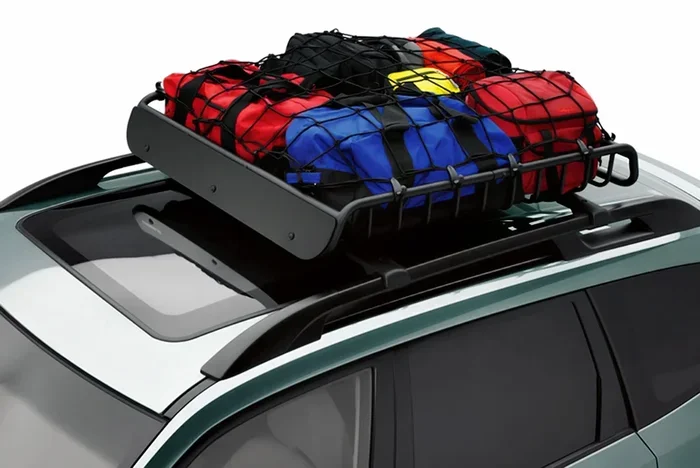
A roof cargo box is great for protecting your gear from weather. Soft roof bags are lighter and more flexible. Hard shell cargo boxes are more durable and offer better security. Both types have their own weight limits, so check the manufacturer’s rating before purchasing.
Keep in mind that a cargo box adds its own weight to the roof. A typical roof box weighs 15 to 30 pounds. This counts toward your total roof rack load. Factor it in when planning your trip.
Straps, Tie-Downs, and Locks
Straps and tie-downs keep your cargo secure during transit. Use heavy-duty straps rated for the weight of your load. Ratchet straps offer the strongest hold and are easy to tighten. Bungee cords are not strong enough for heavy loads and should be avoided.
Locks add security and prevent theft. Many roof rack accessories come with integrated locking systems. This is especially important when you leave gear on your roof rack while stopping for gas or food.
Load Bars and Side Rails
Some roof rack systems include load bars or side rails that help distribute weight more evenly. These accessories can increase the effective roof rack weight capacity by spreading the load across a wider area. They also help prevent items from sliding or shifting during travel.
Common Mistakes That Exceed Roof Rack Load Limits
Even experienced drivers make mistakes when loading their roof racks. Being aware of these common errors can save you from costly damage or dangerous situations.
Guessing the Weight Instead of Weighing It
The most common mistake is simply guessing how much your gear weighs. A set of skis, a kayak, or a pile of camping equipment can be heavier than you think. Use a bathroom scale or a luggage scale to weigh each item before loading it onto your roof rack.
This is especially important when combining multiple items. A roof box plus a bike rack plus luggage can easily push you past your maximum roof rack load without you realizing it.
Forgetting the Weight of the Rack Itself
Many people forget to include the weight of the roof rack system in their calculations. Crossbars, towers, and mounting hardware all add up. A typical roof rack system weighs 15 to 40 pounds depending on the material and design.
Always subtract the weight of the rack from your vehicle’s roof load limit to find out how much cargo weight you actually have available.
Overloading One Side of the Roof
Placing all your heavy gear on one side of the roof is a dangerous mistake. This creates an imbalance that can cause your vehicle to pull to one side or sway in crosswinds. Always distribute weight evenly across both crossbars.
Ignoring Wind Load at Highway Speeds
Wind creates significant force on a loaded roof, especially at highway speeds. A large cargo box acts like a sail. The faster you drive, the more wind force pushes down on your roof rack. This dynamic load can exceed your static weight rating quickly.
Keep your highway speed moderate when hauling heavy loads on the roof. Reduce speed if you notice any sway or instability.
Tips for Distributing Weight on Your Roof Rack
Proper weight distribution is just as important as staying under the maximum roof rack load. How you place your cargo affects vehicle handling, fuel economy, and safety.
Place Heavy Items Low and Centered
The heaviest items should sit as low as possible on the roof rack, ideally between the crossbars. Centering the weight over the vehicle’s roof keeps the load balanced and reduces strain on the roof rails.
Think of it like packing a suitcase. Put the heavy stuff in the middle and the lighter items on the outside. This keeps everything stable and secure.
Use a Weight Distribution Strategy
Divide your cargo into equal portions on both sides of the vehicle. If you have a long cargo box, place lighter items at the front and heavier items toward the rear, or vice versa, depending on your vehicle’s balance.
For items like kayaks or bikes, alternate their position to spread the weight evenly. This simple strategy makes a big difference in driving stability.
Secure Everything Before Driving
Loose cargo is a hazard. Before you drive, tug on every strap and check every connection. Give each item a firm shake to make sure it will not shift during the trip.
Use at least two straps per item. Cross-strapping provides extra security. If you are hauling something valuable, use a lockable strap or cable for added protection.
Check Your Load During Rest Stops
Stop every few hours on long trips to check your roof load. Straps can loosen over time, especially on bumpy roads. Re-tighten as needed and reposition any items that have shifted.
Maintenance and Safety Checks for Roof Racks
Your roof rack is exposed to the elements every time you drive. Regular maintenance keeps it safe and extends its lifespan. A well-maintained rack also performs better under heavy loads.
Inspect Before Every Trip
Before loading anything, visually inspect your entire roof rack system. Look for cracked crossbars, loose bolts, rust, or worn mounting points. If anything looks damaged, fix it before you hit the road.
Check the rubber seals or gaskets that protect your roof from scratches. Replace them if they are cracked or missing. These small details matter for both safety and roof preservation.
Tighten All Hardware Regularly
Vibration from driving loosens bolts and fasteners over time. Use a wrench to check and tighten all hardware at least once a month, or before every long trip. Pay special attention to the mounting feet, which take the most stress.
Clean and Protect Your Roof Rack
Road salt, dirt, and moisture cause corrosion. Rinse your roof rack with water after driving in wet or salty conditions. Apply a rust-prevention spray to metal components, especially if you live in a coastal area or drive in winter conditions.
For rack systems with moving parts like tilt mechanisms, apply a light lubricant to keep them functioning smoothly. A well-maintained rack handles weight better and lasts longer.
Replace Worn Components Promptly
Do not wait for a failure. If a crossbar shows signs of bending or cracking, replace it immediately. If a mounting foot feels loose even after tightening, it may need to be replaced. Using worn components under a heavy maximum roof rack load is a safety risk you should never take.
Know When to Upgrade Your Roof Rack
If you find yourself regularly hauling heavy loads, it may be time to upgrade your roof rack system. Modern crossbar systems offer higher weight capacities, better aerodynamics, and easier installation. Look for systems that are compatible with your vehicle and rated for your typical hauling needs.
Investing in a quality roof rack pays off in safety, durability, and peace of mind. A reliable system lets you haul with confidence knowing you are well within your roof rack weight limit.
Final Thoughts on Safe and Smart Hauling
Hauling gear on your roof rack opens up a world of possibilities for adventure and convenience. But with that convenience comes responsibility. Understanding your maximum roof rack load and following safe practices keeps you, your passengers, and other drivers safe on the road.
Start by finding your vehicle’s roof weight rating. Choose the right accessories. Distribute weight evenly. Inspect your rack regularly. These simple steps make a huge difference. Safe hauling is smart hauling, and smart hauling means arriving at your destination with everything intact and everyone safe.
Take the time to learn your limits and respect them. Your roof rack is a powerful tool when used correctly. Follow the tips in this guide, and you will enjoy every trip with confidence and peace of mind.
Frequently Asked Questions
What happens if you exceed the maximum roof rack load?
Exceeding the maximum roof rack load can cause roof damage, strain on the suspension, reduced vehicle stability, and longer braking distances. In extreme cases, the roof rack can detach from the vehicle, creating a serious hazard for you and other drivers.
How do I find my vehicle’s roof weight limit?
Check your vehicle’s owner’s manual for the roof load capacity. You can also look for the information on the manufacturer’s website or contact your local dealer. The door jamb sticker may also list relevant specifications for your specific model.
Can I use a roof rack on a car that did not come with one?
Yes, you can install an aftermarket roof rack system on most vehicles. Just make sure the rack is compatible with your car’s roof type and that the total weight of the rack plus cargo stays within your vehicle’s roof load rating.
Does roof rack weight affect fuel economy?
Yes, any extra weight on the roof increases aerodynamic drag and reduces fuel efficiency. Even a light load can decrease gas mileage by 1 to 5 percent depending on speed and load size. Keep your roof rack clean and remove it when not in use to save fuel.
What is the difference between static and dynamic roof load?
Static load is the weight your roof can hold when parked. Dynamic load accounts for forces while driving, such as wind, bumps, and turns. Always use the dynamic load rating for real-world driving conditions, as it is the safer and more accurate measure.
How often should I inspect my roof rack?
Inspect your roof rack before every trip and do a thorough check at least once a month. Look for loose bolts, rust, cracks, or worn components. Regular maintenance ensures your rack can safely handle your maximum roof rack load every time you hit the road.
=== CONCLUSION ===
Knowing your maximum roof rack load is the foundation of safe and smart hauling. Every trip starts with understanding your vehicle’s limits, choosing the right accessories, and distributing weight properly. The tips in this guide give you everything you need to haul with confidence and avoid common mistakes.
Take a few minutes before your next adventure to check your roof rack weight limit, inspect your equipment, and plan your load carefully. Small preparations lead to big rewards: a safer drive, better fuel economy, and peace of mind knowing you are doing everything right. Safe travels and happy hauling.