How Do I Add Towing Capacity to My Truck for Beginners
Learning how to add towing capacity to my truck is easier than most beginners think. You can boost your truck’s hauling power through simple upgrades like a towing package, better suspension, and the right hitch. This guide covers every step from basic checks to advanced engine upgrades so you can tow safely and confidently.
If you have ever looked at a truck and thought, “I wish I could tow that,” you are not alone. Many truck owners want to increase their towing capacity but do not know where to start. The good news is that adding towing power to your truck is very doable, even if you are a complete beginner.
Whether you want to haul a boat, a trailer, or a camper, understanding how to add towing capacity to my truck is the first step. This guide breaks everything down into simple, actionable steps. You do not need to be a mechanic to follow along. Let us dive in.
Key Takeaways
- Know Your Limits: Always check your truck’s current towing capacity and payload rating before making any upgrades.
- Start with the Basics: A proper towing hitch and wiring harness are the foundation of any towing setup.
- Upgrade the Suspension: Heavy-duty shocks, leaf springs, and air bags make a huge difference in stability.
- Consider Engine Enhancements: Tuners, cold air intakes, and transmission coolers help your truck handle more weight.
- Don’t Skip Safety Gear: Weight distribution hitches, brake controllers, and towing mirrors are essential for safe towing.
- Stay Legal: Always follow local towing laws and weight limits to avoid fines and accidents.
📑 Table of Contents
Understanding Your Truck’s Current Towing Capacity
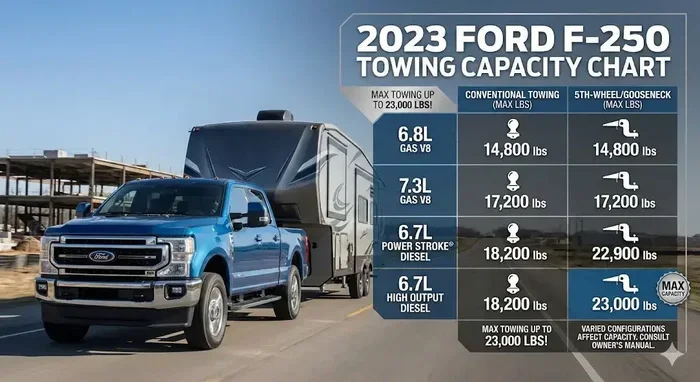
Before you buy any parts or make any changes, you need to know where your truck stands right now. Every truck has a maximum towing capacity set by the manufacturer. This number tells you the heaviest trailer your truck can safely pull.
What Is Towing Capacity?
Towing capacity is the maximum weight your truck can pull behind it. This number depends on several factors. Your engine power, transmission, frame strength, and braking system all play a role. The manufacturer calculates this number through rigorous testing.
You can usually find your truck’s towing capacity in the owner’s manual. You can also check the door jamb sticker for the gross vehicle weight rating (GVWR). This number tells you the maximum total weight of your truck plus everything inside it.
How to Find Your Truck’s Towing Specs
Follow these simple steps to find your truck’s current towing limits:
- Check the owner’s manual for the towing section.
- Look for the VIN plate on the dashboard or door frame.
- Search online using your truck’s year, make, model, and trim level.
- Visit the manufacturer’s website and enter your truck details.
Knowing your current numbers helps you understand how much room you have to grow. If your truck already has a high towing capacity, you may only need minor upgrades. If it is on the lower end, you might need more significant changes.
Upgrading the Towing Package and Hitch System
The hitch is the most important part of your towing setup. It connects your truck to the trailer. Choosing the right hitch makes a massive difference in safety and performance.
Types of Towing Hitches
There are several types of hitches available. Each one serves a different purpose and weight range:
- Class I Hitch: Handles up to 2,000 pounds. Great for small bikes or cargo carriers.
- Class II Hitch: Handles up to 3,500 pounds. Good for small trailers and jet skis.
- Class III Hitch: Handles up to 8,000 pounds. The most common hitch for mid-size trucks.
- Class IV Hitch: Handles up to 10,000 pounds. Ideal for larger trailers and RVs.
- Class V Hitch: Handles over 10,000 pounds. Built for heavy-duty truck towing.
For beginners, a Class III or Class IV hitch is usually the best starting point. Make sure the hitch matches your truck’s receiver size. Most trucks use a 2-inch receiver, but some smaller trucks use a 1.25-inch receiver.
Gooseneck and Fifth Wheel Hitches
If you plan to tow very heavy loads, consider a gooseneck hitch or a fifth wheel hitch. These hitches sit in the truck bed and provide much better stability. They distribute weight more evenly across the truck’s axles.
A gooseneck hitch is commonly used for livestock trailers and large flatbed trailers. A fifth wheel hitch is the go-to choice for big RVs and campers. Both options require a special mount in the truck bed, so installation is a bit more involved.
Wiring and Electrical Connections
Do not forget about the electrical side of towing. You need a proper wiring harness to connect your truck’s lights to the trailer. This includes brake lights, turn signals, and running lights.
Most towing packages come with a pre-wired harness. If your truck does not have one, you can buy an aftermarket harness easily. Just plug it in and you are set. Some advanced setups also include a 7-pin connector for additional trailer features like electric brakes and battery charging.
Enhancing the Suspension and Brakes
Your truck’s suspension system handles the weight of the trailer. If your suspension is not up to the task, you will experience swaying, bottoming out, and poor handling. Upgrading the suspension is one of the best ways to add real towing capacity.
Heavy-Duty Shock Absorbers
Standard shock absorbers are designed for everyday driving. When you add a heavy trailer, they get overwhelmed quickly. Heavy-duty shocks absorb the extra weight and keep your truck stable.
Look for shocks specifically rated for towing. Brands like Bilstein, Monroe, and KYB make excellent towing shocks. They are not too expensive and make a noticeable difference on the road.
Leaf Spring and Air Bag Upgrades
Leaf springs support the weight in your truck bed. If you frequently tow heavy loads, upgrading to heavier-duty leaf springs helps a lot. They prevent the rear of your truck from sagging under weight.
Air bags are another great option. They sit between the axle and the frame and can be inflated or deflated based on your load. Air bags give you adjustable support, which is perfect for varying trailer weights. They also help level out your truck when it is loaded down.
Brake Upgrades
Your truck’s brakes need to stop both the truck and the trailer. Stock brakes may not be enough for heavy towing. Upgrading to larger brake rotors and high-performance pads improves stopping power significantly.
Some truck owners also install brake controllers in the cab. A brake controller lets you apply the trailer’s brakes independently from the truck’s brakes. This is essential for safe heavy towing and is required by law in many states.
Engine and Transmission Upgrades
If you want serious towing power, you may need to look under the hood. The engine and transmission are the heart of your truck’s towing ability. Upgrading these components can unlock much higher towing capacity.
Engine Tuners and Programmers
An engine tuner is one of the easiest upgrades you can make. It remaps your truck’s computer to increase horsepower and torque. More torque means more pulling power.
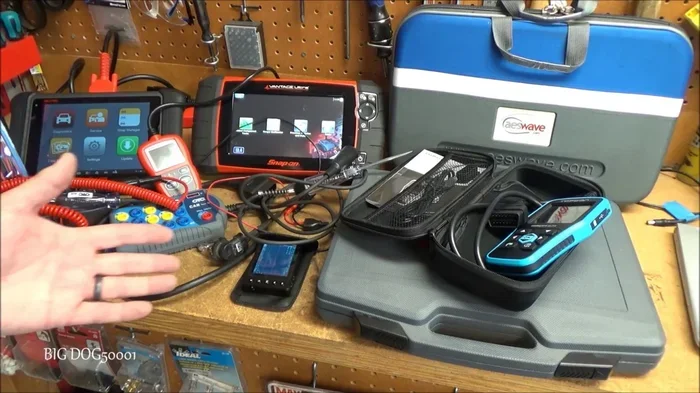
Popular brands like Bully Dog, Superchips, and Edge make tuners for most truck models. These devices plug right into your truck’s OBD2 port. You can choose from different power levels depending on how much towing you need.
Keep in mind that engine tuners may void your warranty. Check with your dealer before installing one. Also, always use quality fuel when running a tuned engine.
Cold Air Intake and Exhaust
A cold air intake pulls in cooler, denser air for better combustion. This small change can add horsepower and improve throttle response. It is an affordable upgrade that works well for towing.
Upgrading the exhaust system helps the engine breathe better. A high-flow exhaust reduces back pressure and lets the engine work more efficiently. Together, a cold air intake and exhaust upgrade can make a meaningful difference in towing performance.
Transmission Cooling System
Towing puts a lot of stress on your transmission. Stock transmission coolers may not be enough for heavy loads. An upgraded transmission cooler keeps the fluid temperature down, which extends the life of your transmission.
You can install an auxiliary transmission cooler in front of the radiator. This is especially important if you plan to tow frequently or in hot climates. Overheating is one of the biggest killers of truck transmissions, so this upgrade is well worth the investment.
Differential and Drivetrain Upgrades
The differential sends power to the wheels. Upgrading to a higher-gear ratio differential gives your truck more torque at the wheels. This makes it easier to pull heavy loads from a stop.
For example, swapping from a 3.31 gear ratio to a 4.10 gear ratio significantly improves towing ability. This upgrade works best when combined with other towing enhancements. It is a more advanced modification, so consider having a professional install it.
Essential Towing Accessories for Safety
Towing is not just about power. It is also about safety. The right accessories protect you, your truck, and everyone else on the road.
Weight Distribution Hitches
A weight distribution hitch spreads the trailer’s weight evenly across all four axles. This prevents the rear of your truck from sagging and the front from lifting. It makes the truck much easier to control.
These hitches use spring bars to transfer weight from the trailer tongue to the truck’s front axle. They are a must-have for any truck pulling a heavy trailer. You can find them at most auto parts stores or online.
Towing Mirrors
Standard side mirrors may not give you a clear view of the trailer. Towing mirrors extend outward to eliminate blind spots. They are required by law in many states when towing wide loads.
Electric towing mirrors are the most convenient. They fold out with the push of a button. Some models even have built-in cameras for extra visibility. Make sure the mirrors you choose are compatible with your truck’s mirror mount.
Trailer Brake Controller
A trailer brake controller lets you apply the trailer’s brakes using a lever or button in the cab. Without one, the trailer’s brakes will not work at all. This is extremely dangerous when towing heavy loads.
Most brake controllers install behind the dashboard and connect to the trailer wiring harness. They come in both time-delayed and proportional types. Proportional controllers are more advanced and apply brakes in proportion to the truck’s braking force.
Legal and Safety Considerations
Towing comes with legal responsibilities. Ignoring these can lead to fines, accidents, or even the loss of your truck’s warranty.
Know the Weight Limits
Every state has different towing laws. Some states require special permits for overweight trailers. Others have strict weight limits on certain roads. Always check your local regulations before hitting the road.
Key weight terms you should know:
- GVWR: Gross Vehicle Weight Rating – the max weight of your loaded truck.
- GCWR: Gross Combined Weight Rating – the max weight of truck plus trailer.
- Payload Capacity: The max weight your truck can carry in the bed and cab.
- Tongue Weight: The downward force the trailer puts on the hitch.
Always stay within these limits. Overloading your truck is extremely dangerous and can cause blowouts, brake failure, and loss of control.
Insurance and Registration
Check with your insurance company before you start towing. Some policies require you to add towing coverage or increase your liability limits. Your truck and trailer may also need separate registration in some states.
Keep all documentation in your truck when towing. This includes your registration, insurance proof, and any special permits. Being prepared saves you from headaches during roadside inspections.
Common Mistakes to Avoid
Many beginners make avoidable mistakes when setting up their truck for towing. Here are a few to watch out for:
- Overloading the truck: Just because your truck can tow a certain weight does not mean it can carry that weight plus passengers and cargo. Stay within the payload limit.
- Skipping the weight distribution hitch: This causes dangerous swaying and poor handling.
- Neglecting tire pressure: Both truck and trailer tires need proper inflation. Underinflated tires are a leading cause of towing accidents.
- Ignoring brake maintenance: Towing wears out brakes faster. Check them regularly.
- Not practicing before a long trip: Always take a short test drive with your trailer before hitting the highway.
Final Thoughts
Learning how to add towing capacity to my truck does not have to be overwhelming. Start with the basics. Check your truck’s current limits, install the right hitch, and upgrade the suspension. As you gain experience, you can explore more advanced upgrades like engine tuners and transmission coolers.
Safety should always come first. Never exceed your truck’s rated capacity, and always use the proper accessories. The right setup gives you the confidence to tow anything from a small trailer to a large RV.
Take your time, do your research, and make each upgrade one step at a time. Your truck will thank you with better performance, longer life, and safer towing. Happy trails!
Frequently Asked Questions
What is the easiest way to add towing capacity to a truck?
The easiest way is to install a proper towing hitch and wiring harness. These two upgrades alone can significantly improve your truck’s ability to pull a trailer safely. They are affordable and simple to install, making them the perfect starting point for beginners.
Do I need a special license to tow a trailer?
In most states, a standard driver’s license is enough for towing trailers under a certain weight. However, if your trailer exceeds specific weight limits, you may need a special endorsement. Check your local Department of Motor Vehicles regulations to be sure.
How much does it cost to upgrade a truck for towing?
The cost depends on the upgrades you choose. A basic hitch and wiring harness can cost between $200 and $500. Suspension upgrades like heavy-duty shocks and leaf springs may add $300 to $800. More advanced upgrades like engine tuners and transmission coolers can range from $500 to $2,000 or more.
Can I increase my truck’s towing capacity with just a tune-up?
A tune-up helps your engine run better, but it will not significantly increase towing capacity on its own. For real gains, you need upgrades like an engine tuner, cold air intake, or a better differential gear ratio. Combining these with a proper hitch and suspension upgrades gives the best results.
Is it safe to tow at the maximum towing capacity?
Towing at the maximum capacity is possible but requires extra caution. You need the right hitch, brakes, suspension, and tires. Always practice in a safe area before towing at full capacity. Stay within legal limits and never exceed your truck’s gross combined weight rating.
What accessories are must-haves for safe truck towing?
The must-have accessories include a weight distribution hitch, trailer brake controller, towing mirrors, and a proper wiring harness. These items improve stability, control, and visibility. They also keep you compliant with towing laws in most states.