What Are the Disadvantages of a Hybrid Vehicle Today
A hybrid vehicle combines a gasoline engine with an electric motor, but it comes with real drawbacks that many buyers overlook. Higher upfront costs, complex maintenance, battery degradation, and limited driving range are just a few of the disadvantages. Understanding these downsides helps you make a smarter buying decision.
You have probably seen them on the road. A hybrid vehicle glides silently past you at a red light. The fuel economy numbers look great on paper. But behind the shiny exterior and the green badge, there are real disadvantages that deserve your attention.
Buying a hybrid car is a big decision. You weigh fuel savings against the purchase price. You consider the environmental impact against the maintenance cost. And you hope the electric motor delivers on its promises. But what happens when the reality doesn’t match the hype?
This article breaks down the honest disadvantages of owning a hybrid vehicle. We will look at costs, complexity, battery life, and much more. By the end, you will know exactly what you are getting into. No marketing fluff. No sales pitch. Just the facts you need.
Let us be clear. Hybrid vehicles are not bad. They have real advantages. But every car has trade-offs. And if you understand the downsides upfront, you make a better choice. That is exactly what this guide is here to do.
Key Takeaways
- Higher Upfront Cost: Hybrid vehicles cost more than comparable conventional cars, and the price gap can be significant.
- Complex Powertrain: The dual powertrain system adds mechanical complexity, which can lead to higher maintenance bills.
- Battery Degradation: Over time, the battery pack loses capacity, and replacement costs can be very expensive.
- Fuel Economy Varies: Real-world fuel economy often falls short of manufacturer claims, especially in city driving.
- Limited Driving Range: Without a charging station, the electric-only range remains short, reducing overall flexibility.
- Resale Value Risks: Rapid technology changes can lower the resale value of older hybrid models.
- Environmental Trade-Offs: Manufacturing the battery pack has its own environmental impact that is often overlooked.
📑 Table of Contents
Higher Upfront Cost
The first disadvantage that hits you right away is the price tag. A hybrid vehicle almost always costs more than a comparable conventional car. The difference can range from a few thousand dollars to well over ten thousand. That is a lot of money for most buyers.
Why Are Hybrids More Expensive?
The price gap comes from the dual powertrain. A hybrid needs both a gasoline engine and an electric motor. It also needs a battery pack, power electronics, and specialized control systems. All of these components add to the manufacturing cost. And that cost gets passed on to you.
Let us put this in perspective. A base model conventional sedan might start at $25,000. The same model in a hybrid version could start at $32,000 or more. That is a $7,000 difference right out of the gate. You need to drive many miles just to break even on fuel savings.
Some buyers look for a tax credit to offset the cost. And yes, certain plug-in hybrid models qualify for federal incentives. But not all hybrids qualify. And the credits can change from year to year. So you cannot always count on them.
For budget-conscious buyers, the higher initial cost is a dealbreaker. You pay more before you even turn the key. That is a real financial burden for many families.
Complex Powertrain and Maintenance
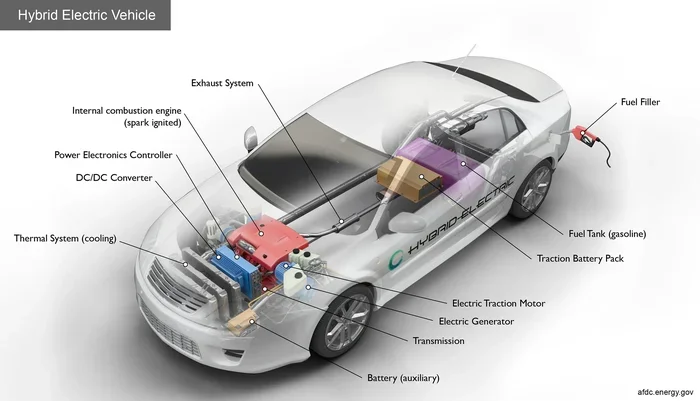
A hybrid vehicle has two power sources working together. The gasoline engine handles highway driving. The electric motor assists during acceleration and low-speed driving. The regenerative braking system captures energy and sends it back to the battery. This is clever engineering. But it also means more things can go wrong.
More Parts Means More Potential Problems
A conventional car has a straightforward powertrain. One engine. One transmission. Fewer moving parts. A hybrid car doubles that complexity. You have the engine, the motor, the inverter, the power control unit, and the battery management system. Each component needs attention over time.
When something goes wrong, repairs get expensive. Not every mechanic knows how to work on a hybrid powertrain. You may need to visit a specialized dealer. That means higher labor costs. And some hybrid repair jobs require proprietary tools and software.
Here is a common scenario. The inverter fails in a five-year-old hybrid. The repair bill could be $3,000 or more. In a conventional car, a similar repair might cost a fraction of that. The complexity premium is real.
The Maintenance Schedule Gets Tricky
Owning a hybrid means following a more involved maintenance schedule. You still need regular oil changes for the gasoline engine. But you also need to monitor the battery pack health. The cooling system for the battery needs attention. The regenerative braking system requires specific checks.
Some owners skip maintenance because they assume the electric motor reduces wear. That is a common mistake. The gasoline engine still needs care. The transmission still needs fluid changes. Neglecting maintenance leads to bigger problems down the road.
Quick Tip: Always follow the manufacturer’s maintenance schedule. Do not assume the hybrid system eliminates the need for regular service. Keep detailed records of every service visit. This protects your warranty and your resale value.
Battery Degradation and Replacement
The battery pack is the heart of any hybrid vehicle. It stores energy for the electric motor. It works hard every time you drive. And over time, it loses capacity. This is the one disadvantage that worries most buyers.
How Fast Does Battery Capacity Fade?
Most hybrid batteries are designed to last 8 to 10 years. Some last longer. But degradation is inevitable. You will notice the fuel economy dropping over time. The electric-only range shrinks. The car relies more on the gasoline engine. And that defeats one of the main reasons you bought a hybrid in the first place.
Cold weather makes battery degradation worse. If you live in a northern climate, your battery will age faster. Hot weather does the same thing. Extreme temperatures stress the battery cells. Over a 10-year ownership period, the capacity loss can be significant.
The Replacement Cost Is Steep
When the battery fails or degrades severely, replacement is expensive. A new hybrid battery pack can cost anywhere from $2,000 to $8,000. Some luxury models cost even more. That is a big hit to your wallet. And it often comes after the warranty expires.
Some manufacturers offer extended powertrain warranty coverage. But not all do. And warranty terms vary widely. Always check the battery warranty before you buy. Some brands cover the battery for 10 years or 100,000 miles. Others offer less. This is a critical detail many buyers miss.
There are refurbished battery options available. These can reduce the cost. But they come with their own risks. You do not always know the history of a used battery. And the quality can vary.
Fuel Economy May Not Be as Good as Expected
One of the biggest selling points of a hybrid vehicle is fuel economy. The numbers on the window sticker look fantastic. But real-world results often tell a different story.
City Driving vs. Highway Driving
Hybrids excel in stop-and-go city traffic. The electric motor handles low-speed driving. The regenerative braking system recaptures energy. This is where you see the best fuel economy. But on the highway, the advantage shrinks.
At steady highway speeds, the gasoline engine does most of the work. The electric motor contributes less. The fuel economy numbers drop closer to what a conventional car would deliver. If you do mostly highway driving, the fuel savings may not justify the extra cost.
The Gap Between Claims and Reality
Manufacturer fuel economy estimates are based on controlled testing. Real driving includes factors the test does not account for. Your driving style matters. Your cargo load matters. Road conditions matter. Weather matters. All of these factors reduce the actual fuel economy you experience.
Studies have shown that real-world hybrid fuel economy often falls 10 to 20 percent below the advertised numbers. That means the payback period on your higher purchase price gets longer. In some cases, the fuel savings never fully offset the extra cost.
Quick Tip: Track your actual fuel economy for the first six months of ownership. Compare it to the manufacturer claims. This gives you a realistic picture of what to expect. Use a fuel tracking app to make this easy.
Limited Driving Range and Charging Challenges
A plug-in hybrid offers an electric-only driving range. But that range is limited. Most plug-in hybrids deliver 20 to 50 miles on electric power alone. After that, the gasoline engine kicks in. This creates a unique set of challenges for drivers.
You Need a Charging Setup
To get the full benefit of a plug-in hybrid, you need to charge it regularly. That means having access to a charging station at home or at work. If you live in an apartment without a dedicated parking spot, this becomes very difficult.
Even if you have a garage, installing a Level 2 charger costs extra. You may need electrical panel upgrades. The total installation cost can run $500 to $2,000. These are hidden costs that many buyers do not consider.
What Happens When You Cannot Charge?
If you cannot plug in regularly, you are basically driving a conventional hybrid. You lose the electric-only advantage. The fuel economy drops. And you paid extra for a feature you cannot fully use. This is a frustrating situation for many plug-in hybrid owners.
The driving range on a full tank plus a charged battery might seem generous on paper. But in practice, the electric range is short. You constantly monitor the battery charge. You plan trips around charging opportunities. For some drivers, this adds unnecessary stress to daily life.
Compare this to a conventional car with a full tank. You drive, you refuel, and you go. There is no waiting, no plugging in, no range anxiety. The simplicity of a gasoline car still appeals to many people.
Resale Value Concerns
The automotive market changes fast. New technologies emerge. Consumer preferences shift. And this affects the resale value of your vehicle. Hybrid cars face unique challenges in the used car market.
Technology Changes Quickly
Five years ago, a hybrid vehicle felt cutting edge. Today, fully electric cars dominate the conversation. Buyers in the used car market increasingly prefer all-electric or plug-in options. The demand for older hybrid models can drop as a result.
This means your hybrid car may depreciate faster than expected. You buy it at a premium. You sell it at a discount. The total cost of ownership goes up even if your fuel savings are solid.
Battery Health Affects Resale Price
Buyers of used hybrids worry about battery health. A car with a degraded battery pack loses value quickly. Even if the battery still works, buyers factor in the future replacement cost. This creates a negative perception that is hard to overcome.
On the other hand, some hybrid models hold their value well. Popular brands with strong reputations tend to fare better. But you cannot assume every hybrid will retain its value. Do your research on the specific model you are considering.
Environmental Trade-Offs
Many buyers choose a hybrid vehicle for the environmental benefits. Lower emissions. Reduced fuel consumption. A smaller carbon footprint. These are valid reasons. But the environmental picture is more complicated than it seems.
Battery Manufacturing Has an Impact
The battery pack in a hybrid requires raw materials like lithium, cobalt, and nickel. Mining these materials has environmental consequences. It uses water, disrupts ecosystems, and sometimes involves unethical labor practices. The environmental impact of manufacturing a hybrid battery is real and significant.
When you factor in the full lifecycle of a hybrid vehicle, the environmental advantage narrows. The car burns less fuel during its lifetime. But the manufacturing process leaves a larger footprint than a conventional car. This does not mean hybrids are bad for the environment. It means the benefit is smaller than many people assume.
End-of-Life Disposal
What happens to the battery when the car reaches the end of its life? Recycling options exist, but they are not widely available. Many used hybrid batteries end up in landfills. This creates a waste problem that the industry is still working to solve.
The hybrid vehicle industry is improving in this area. New recycling technologies are emerging. But today, the disposal challenge is a real disadvantage. It is something environmentally conscious buyers should keep in mind.
Is a Hybrid Vehicle Still Worth It?
After reading through all these disadvantages, you might wonder if a hybrid is worth buying at all. The answer depends on your situation. Let us look at when a hybrid makes sense and when it does not.
A hybrid works well for drivers who spend a lot of time in city traffic. The stop-and-go driving lets the electric motor shine. It works for buyers who want better fuel economy without going fully electric. And it works for people who cannot install a home charging station.
But a hybrid may not be the best choice if you do mostly highway driving. If you have access to a charging station at home, a plug-in hybrid or full electric car might serve you better. And if you are on a tight budget, the higher upfront cost of a hybrid may not make financial sense.
The key is to be honest about your driving habits. Consider your budget. Think about your long-term plans. And do not let marketing claims override your common sense. A hybrid vehicle is a tool. Like any tool, it works best when it fits the job.
The disadvantages of a hybrid vehicle are real. They are not dealbreakers for everyone. But they are important to understand. The more you know, the better decision you can make. And a good decision today saves you money, time, and frustration tomorrow.
Take your time. Research the specific model you are interested in. Test drive it. Talk to current owners. Read independent reviews. The more informed you are, the more confident you will feel with your choice. And that confidence is worth more than any fuel savings number on a sticker.
Frequently Asked Questions
Are hybrid vehicles more expensive to maintain than conventional cars?
Yes, in many cases. The dual powertrain system has more components that need attention. Specialized repairs can cost more. However, some maintenance items like brake pads last longer thanks to regenerative braking. Overall maintenance costs tend to be slightly higher for hybrids.
How long does a hybrid battery last before needing replacement?
Most hybrid batteries last between 8 and 10 years. Some last longer with proper care. Driving habits and climate play a big role. Cold climates tend to shorten battery life. Hot climates can do the same. Regular maintenance helps extend the lifespan.
Do hybrid vehicles really save money on fuel?
They can, but it depends on your driving habits. City drivers see the biggest fuel savings. Highway drivers may not see much difference compared to a conventional car. The higher purchase price also needs to be factored in when calculating long-term savings.
Can you drive a plug-in hybrid without ever charging it?
Yes, you can. But you will lose the electric-only driving benefit. The car will rely more on the gasoline engine. Fuel economy will drop closer to a conventional hybrid level. You paid extra for the plug-in feature, so you will not get the full value.
Do hybrid cars have good resale value?
It varies by model and brand. Popular hybrids tend to hold value better. But battery degradation concerns can lower resale prices. The rapid shift toward fully electric vehicles also affects hybrid resale values. Research the specific model before buying.
Are hybrid vehicles better for the environment than electric cars?
Not necessarily. Hybrids burn gasoline and produce emissions. Full electric cars produce zero tailpipe emissions. However, hybrids are a good middle ground for drivers who cannot switch to fully electric yet. The environmental benefit depends on how the electricity is generated for charging.
=== CONCLUSION ===
The disadvantages of a hybrid vehicle are real and worth considering. The higher upfront cost, complex powertrain, battery degradation, and limited electric range all add up. These are not reasons to avoid hybrids entirely. But they are reasons to go in with your eyes open.
A hybrid car can be a smart choice for the right driver. City commuters, fuel-conscious buyers, and those who want a stepping stone to full electrification will find value. But the decision should be based on facts, not marketing promises.
Weigh the pros and the cons carefully. Consider your driving patterns, your budget, and your long-term plans. And remember, no car is perfect. Every choice involves trade-offs. The best decision is the one that fits your life.
Now that you know the downsides, you can shop with confidence. Ask the right questions. Do the math. And choose the vehicle that truly works for you. That is the smartest way to buy any car, hybrid or otherwise.