Can You Sell a Car With a Bonded Title and Still Make Money
Yes, you can sell a car with a bonded title, but there are a few important things you need to know first. A bonded title proves vehicle ownership when the original title is missing or defective, and it can still be used for a car sale. Understanding the bonding process, state requirements, and pricing tips will help you make money and avoid common pitfalls.
If you have a car and need to sell it, the last thing you want is a title problem standing in your way. Maybe you lost the original title. Maybe it was never issued properly. Whatever the reason, you ended up with a bonded title. Now you are wondering, “Can I sell a car with a bonded title and still make money?” The short answer is yes. But the process is a bit different from a standard sale. Let me walk you through everything you need to know.
Selling a car is stressful enough without title complications. A bonded title adds an extra layer of paperwork and a few extra steps. But thousands of people sell bonded title cars every year. They make fair money and move on with their lives. You can do the same. This guide will show you exactly how. We will cover what a bonded title is, how to sell the car, how to price it right, and how to avoid costly mistakes. By the end, you will feel confident and ready to list your car.
Key Takeaways
- A bonded title is a legal alternative to a standard title: It proves ownership when the original is lost, stolen, or never received.
- You can sell a car with a bonded title: Many buyers and dealers accept bonded titles if all paperwork is in order.
- The surety bond protects previous owners: It covers any claims that someone else has a right to the vehicle.
- Setting the right price matters: A bonded title may lower your car value slightly, but smart pricing strategies can still earn you good money.
- Transparency builds trust: Being upfront about the bonded status helps you close deals faster and avoid buyer disputes.
- State rules vary: Each DMV has different bonding periods and requirements, so always check your local regulations.
- Avoid common mistakes: Skipping paperwork or hiding the bonded status can lead to legal trouble and failed sales.
📑 Table of Contents
What Is a Bonded Title?
A bonded title is a type of vehicle title issued by the DMV when the original title is missing, lost, or never provided. It works just like a regular title, but it comes with a surety bond attached. That bond acts as a financial guarantee. If someone claims they own the vehicle or have a lien on it, the bond covers any losses.
Here is how it works in simple terms. You apply for a bonded title through your state DMV. You pay a small fee and get a surety bond. The bond amount is usually equal to the vehicle value. The DMV then issues a bonded title in your name. For a set period, typically three to five years, the title carries the bonded status. After that period passes with no claims, you can apply for a clear title.
Why Do People Get Bonded Titles?
There are several reasons someone might end up with a bonded title instead of a regular one:
- Lost or stolen title: The most common reason. You had a title, but it disappeared.
- Never received a title: You bought a car, but the seller never provided the paperwork.
- Inherited a vehicle: You inherited a car but never got the title transferred.
- Older vehicles: Some older cars never had titles issued in the first place.
- Title defects: The original title had errors that made it invalid.
No matter the reason, a bonded title proves you are the legal owner. It gives you the right to sell, register, and insure the vehicle. It is not a bad thing. It is just a temporary situation with an extra step at the end.
Can You Legally Sell a Car With a Bonded Title?
Yes, you absolutely can. A bonded title is a legal document recognized by all 50 states. It gives you full ownership rights. You can sell the car, transfer the title, and complete the transaction just like you would with a clear title. There is no law that says you cannot sell a car with a bonded title.
However, not every buyer will be comfortable with it. Some buyers worry about the bonded status. They might think it means the car has problems. Others might not understand what a bonded title is at all. This is why education and transparency matter so much. When you explain the process clearly, most buyers feel fine about it.
State-by-State Rules for Bonded Title Sales
Each state has its own rules for bonded titles. Some states require a longer bonding period. Some have different bond amounts. Here are a few things to keep in mind:
- Bonding period: Most states require three to five years of bonded status before you can get a clear title.
- Bond amount: Usually 1.5 times the vehicle value, but this varies by state.
- Title transfer rules: You must follow your state’s specific transfer process when selling.
- Disclosure requirements: Many states require you to disclose the bonded status to the buyer.
Before you list your car, check with your local DMV or visit their website. Make sure you understand the rules in your state. This will save you time and headaches later.
How Does Selling a Bonded Title Car Work?
The process of selling a car with a bonded title is very similar to a normal sale. There are just a few extra steps. Let me break it down for you.
Step 1: Gather Your Documents
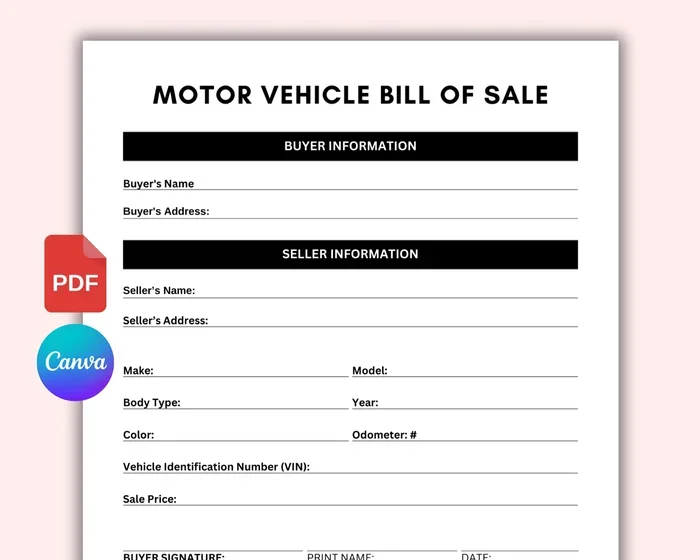
Before you do anything else, collect all your paperwork. You will need the bonded title itself. You will also need a bill of sale, a release of liability form, and any other state-required documents. Having everything ready makes the sale go much smoother.
Step 2: Price Your Car Fairly
Pricing is where many bonded title sellers get tripped up. A bonded title can sometimes lower the perceived value of a car. Buyers might worry about the title status and offer less money. But that does not mean you have to accept a lowball offer. We will talk more about pricing in the next section.
Step 3: Be Transparent With Buyers
This is the most important step. Tell the buyer upfront that the car has a bonded title. Explain what that means. Tell them the bond protects them too. When buyers feel informed, they trust you more. Trust leads to faster sales and better offers.
Step 4: Complete the Title Transfer
During the sale, you will sign the bonded title over to the buyer. The buyer will then take it to their local DMV to register the vehicle in their name. Make sure you fill out all the paperwork correctly. Mistakes can delay the process and cause frustration for both sides.
Step 5: Keep Records
After the sale, keep copies of everything. The bill of sale, the signed title, and any communication with the buyer. You never know when you might need them. A paper trail protects you from future disputes.
Tips to Maximize Your Sale Price
Just because your car has a bonded title does not mean you cannot get top dollar for it. Plenty of people sell bonded title cars for excellent prices. Here are some tips to help you get the best deal possible.
Know Your Car’s Value
Use online tools like Kelley Blue Book, Edmunds, or NADA Guides to find your car’s market value. These tools give you a solid baseline. Adjust the price based on your car’s condition, mileage, and features. A well-maintained car with low mileage will always fetch a higher price, bonded title or not.
Invest in Small Fixes
You do not need to spend a fortune on repairs. But small fixes can make a big difference. Replace burnt-out bulbs. Fix minor dents. Detail the interior. A clean, well-maintained car looks more valuable and attracts better offers. Think of it as a small investment that pays off at sale time.
Target the Right Buyers
Not every buyer will be comfortable with a bonded title. But many will. Focus on buyers who understand vehicle titles or who are looking for a good deal. Private buyers, small dealers, and even some online platforms are great places to list your car. Avoid buyers who seem hesitant or confused by the bonded status. They may lowball you or back out of the deal.
Highlight the Positive
Every car has strengths. Maybe your car has new tires. Maybe it has a clean history report. Maybe it just passed a major inspection. Highlight these positives in your listing. Make the bonded title a small footnote, not the main focus. Buyers care about the car itself first and the title status second.
Price Competitively
Do not overprice your car just because you feel bad about the bonded title. That will only scare buyers away. Price it fairly based on market value. A fair price attracts more buyers and leads to faster offers. Remember, you want to sell this car and move on.
Common Mistakes to Avoid
Selling a car with a bonded title comes with its own set of challenges. Avoid these common mistakes and you will have a much smoother experience.
- Hiding the bonded title status: This is a huge mistake. Always disclose the bonded title upfront. Hiding it can lead to lawsuits, cancelled sales, and a damaged reputation.
- Pricing too low: A bonded title does not mean your car is worthless. Do not let buyers talk you into a low price out of guilt or fear.
- Skipping the bill of sale: A bill of sale protects both you and the buyer. Never skip it, even if the buyer does not ask for one.
- Not checking state requirements: Every state has different rules. Failing to follow them can delay the sale or cause legal problems.
- Waiting too long to sell: The longer you wait, the more the car depreciates. List it sooner rather than later.
- Working with unlicensed buyers: Only sell to licensed dealers or verified private buyers. Unlicensed buyers may not follow through on payment.
How Does a Bonded Title Compare to a Clear Title?
It helps to understand the differences between a bonded title and a clear title. This table breaks it down for you:
| Feature | Bonded Title | Clear Title |
|---|---|---|
| Proof of ownership | Yes, with a surety bond | Yes, without any bond |
| Can be sold | Yes | Yes |
| Title transfer | Allowed with disclosure | Standard transfer |
| Buyer confidence | Slightly lower | Higher |
| Bond requirement | Yes | No |
| Time to clear | 3-5 years | N/A |
| Price impact | Slight reduction possible | Full market value |
As you can see, the differences are not huge. A bonded title is very close to a clear title in terms of functionality. The main difference is the bond and the waiting period. For most buyers, this is not a dealbreaker. For you as the seller, it means you may need to work a little harder to build trust. But it is absolutely worth it.
Expert Insights on Selling Bonded Title Cars
Auto industry professionals agree that bonded titles are nothing to fear. Many car dealers regularly buy and sell vehicles with bonded titles. The key is to present the car honestly and price it fairly. According to several experienced dealers, most buyers care more about the car’s condition and price than the title type.
Title experts also recommend getting your bonded title converted to a clear title as soon as the bonding period ends. A clear title makes future sales much easier. It also increases the car’s resale value. If you plan to keep the car for a few more years, this is a smart move.
Legal advisors suggest always consulting your state’s DMV guidelines before selling. Some states have specific forms or disclosures for bonded title sales. Using the right forms protects you legally and makes the transaction smoother for everyone involved.
Key Takeaways
- A bonded title is a legal alternative to a standard title: It proves ownership when the original is missing or defective.
- You can sell a car with a bonded title: Many buyers and dealers accept bonded titles if all paperwork is in order.
- The surety bond protects previous owners: It covers any claims that someone else has a right to the vehicle.
- Setting the right price matters: A bonded title may lower your car value slightly, but smart pricing strategies can still earn you good money.
- Transparency builds trust: Being upfront about the bonded status helps you close deals faster and avoid buyer disputes.
- State rules vary: Each DMV has different bonding periods and requirements, so always check your local regulations.
- Avoid common mistakes: Skipping paperwork or hiding the bonded status can lead to legal trouble and failed sales.
Conclusion
So, can you sell a car with a bonded title and still make money? Absolutely. A bonded title is not a roadblock. It is just a small detour on the way to a successful sale. By understanding the process, being transparent with buyers, pricing your car fairly, and following all the right steps, you can sell your vehicle with confidence.
Remember, a bonded title does not define the value of your car. The car’s condition, market demand, and your willingness to work with buyers matter far more. Take the time to prepare your paperwork, know your car’s worth, and present it in the best possible light. You will be surprised how smoothly the sale can go.
Now that you know the ins and outs of selling a car with a bonded title, it is time to take action. Gather your documents, list your car, and start talking to buyers. You have got this, and you can absolutely make money from this sale. Good luck!
Frequently Asked Questions
What is a bonded title on a car?
A bonded title is a vehicle title issued by the DMV when the original title is missing or unavailable. It includes a surety bond that protects against ownership claims. It proves you are the legal owner and allows you to sell or register the vehicle.
Can I sell a car with a bonded title to a dealer?
Yes, many car dealers accept vehicles with bonded titles. Dealers are familiar with the bonding process and understand how it works. However, they may offer a slightly lower price than they would for a clear title vehicle. Always be upfront about the bonded status when dealing with any buyer.
Does a bonded title lower my car’s value?
A bonded title can slightly reduce the perceived value of your car. Some buyers may worry about the title status and offer less money. However, a well-priced car in good condition will still attract strong offers. The impact on value is usually small and can be offset with smart pricing.
How long does it take to convert a bonded title to a clear title?
The bonding period varies by state but typically lasts three to five years. During this time, no ownership claims can be made against the vehicle. After the period ends with no issues, you can apply for a clear title through your state DMV.
Do I need a surety bond to get a bonded title?
Yes, a surety bond is required for a bonded title. The bond amount is usually based on the vehicle’s value and is meant to protect against future ownership disputes. You obtain the bond through a surety bond company or insurance provider.
Is it legal to sell a car without transferring the bonded title?
No, it is not legal to sell a car without properly transferring the title. Both you and the buyer must complete the title transfer at the DMV. Failing to do so can result in fines, legal issues, and ongoing liability for the vehicle.