Can Bad Spark Plugs Cause Overheating in Your Engine
Yes, bad spark plugs can contribute to engine overheating. When spark plugs fail, they disrupt the combustion process, causing your engine to run hotter than normal. This guide covers how faulty spark plugs lead to overheating, what symptoms to watch for, and how to fix the problem before costly damage occurs.
Your car engine runs hot. That is normal. But when it runs too hot, something is wrong. One common culprit people overlook is the humble spark plug. These small devices play a huge role in how your engine burns fuel and manages heat. When they go bad, the ripple effects can surprise you.
So, can bad spark plugs cause overheating? The short answer is yes. But the full story is more interesting. Bad spark plugs can set off a chain reaction inside your engine. They affect combustion, fuel burn, and heat levels. Over time, this can push your engine temperatures into dangerous territory.
In this article, we will break down exactly how spark plugs influence engine heat. You will learn the warning signs, the science behind it, and what you can do to fix the problem. Whether you are a DIY mechanic or just curious about your car, this guide has you covered.
Key Takeaways
- Bad spark plugs disrupt combustion: Worn or fouled plugs cause incomplete burning, raising engine heat.
- Overheating has multiple causes: Spark plugs are just one piece of the puzzle alongside coolant and cooling system issues.
- Early detection saves money: Catching spark plug problems early prevents expensive engine repairs.
- Regular maintenance matters: Simple spark plug changes keep your engine running efficiently and cool.
- DIY diagnostics help: You can check your spark plugs at home with basic tools.
- Driving on bad plugs is risky: Ignoring the problem can lead to severe engine damage over time.
📑 Table of Contents
- What Spark Plugs Do and Why They Matter
- How Bad Spark Plugs Lead to Overheating
- Warning Signs Your Spark Plugs Are Causing Problems
- Comparing Spark Plug Conditions and Engine Heat
- Other Factors That Contribute to Engine Overheating
- How to Prevent Spark Plug-Related Overheating
- When to See a Mechanic vs. DIY Fixes
- Common Mistakes People Make With Spark Plugs
- Expert Insight: The Connection Between Spark Plugs and Long-Term Engine Health
- Conclusion
What Spark Plugs Do and Why They Matter
Spark plugs might be small, but they are essential. Every cylinder in your engine needs a spark to ignite the air-fuel mixture. Without that spark, combustion does not happen. Your engine struggles, runs rough, and produces excess heat.
The Combustion Process
Here is how it works. Fuel and air mix inside each cylinder. The spark plug fires a bolt of electricity. That spark ignites the mixture. The explosion pushes the piston down. That is what makes your car move. When a spark plug works correctly, this process is clean and efficient.
But when a spark plug is worn or damaged, the combustion becomes incomplete. Unburned fuel remains in the cylinder. That leftover fuel absorbs heat and does not convert into power. The result? Your engine runs hotter than it should.
How Spark Plugs Affect Engine Temperature
Spark plugs also help manage heat. They are designed to transfer heat away from the combustion chamber. This is called the heat range. A healthy spark plug keeps the right temperature. It prevents pre-ignition and detonation, both of which generate excess heat.
When a spark plug degrades, its heat range changes. It cannot pull heat away as effectively. Hot spots develop inside the cylinder. Over time, these hot spots can cause engine overheating and even damage to internal components.
How Bad Spark Plugs Lead to Overheating
Now that you understand the basics, let us look at the specific ways bad spark plugs cause overheating. Each mechanism is different, but they all share one outcome: too much heat.
Incomplete Combustion
This is the most common cause. A worn spark plug cannot create a strong enough spark. The fuel-air mixture does not burn completely. Unburned fuel lingers in the combustion chamber. It absorbs heat without doing useful work. This raises the overall engine temperature.
Incomplete combustion also causes your engine to run rich. That means too much fuel and not enough air. A rich mixture burns cooler in the cylinder but produces more heat in the exhaust. Both scenarios stress your cooling system.
Misfires and Their Heat Impact
A misfiring cylinder is a serious problem. When a spark plug fails to fire, that cylinder stops working. The unburned fuel enters the exhaust system. It can damage the catalytic converter and raise exhaust temperatures. Your engine compensates by working harder on the remaining cylinders. That extra load generates more heat.
Misfires also cause rough idling and poor acceleration. You might notice your engine shaking at a stop light. These are clear signs that something is wrong with your ignition system.
Pre-Ignition and Detonation
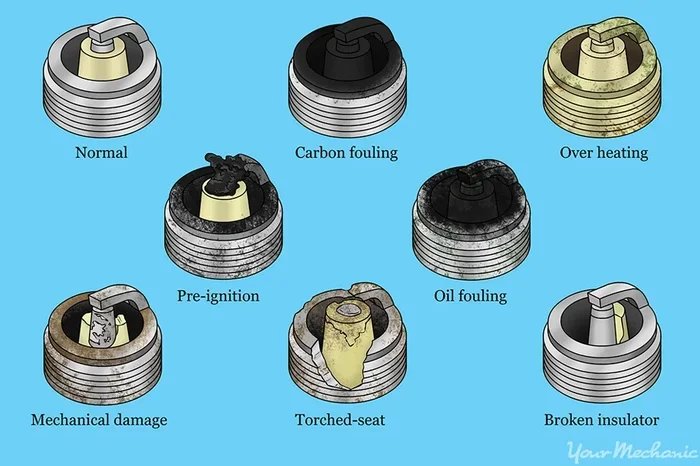
These are two dangerous conditions linked to bad spark plugs. Pre-ignition happens when the fuel-air mixture ignites before the spark plug fires. This can occur when the spark plug is too hot or has carbon buildup. Detonation is when the mixture ignites in multiple places at once.
Both conditions create extreme pressure and heat inside the cylinder. They can cause serious engine damage if left unchecked. Engine overheating is a common result of prolonged pre-ignition or detonation.
Warning Signs Your Spark Plugs Are Causing Problems
How do you know if your spark plugs are the issue? There are several clear warning signs. Learning to spot them early can save you from a major repair bill.
Engine Running Hot
The most obvious sign is a rising temperature gauge. If your engine temperature stays higher than normal, check your spark plugs. Worn plugs often cause this symptom, especially during hot weather or heavy driving.
Rough Idle and Misfires
Your engine should run smoothly at idle. If it shakes or rattles, a spark plug may be failing. Misfires often get worse under load, like when you are climbing a hill or towing something.
Reduced Fuel Efficiency
Bad spark plugs waste fuel. When combustion is incomplete, your engine uses more gas than it needs. If you notice you are visiting the gas station more often, your spark plugs might be to blame.
Difficulty Starting the Car
Worn spark plugs struggle to create a spark. You might turn the key and hear the engine crank slowly. In cold weather, this problem gets worse. A car that is hard to start is often a car with bad spark plugs.
Sluggish Acceleration
When spark plugs do not fire properly, your engine loses power. You might feel a delay when pressing the gas pedal. This sluggishness is a clear signal that your ignition system needs attention.
Check Engine Light
Your car’s computer monitors engine performance closely. A failing spark plug often triggers the check engine light. If this light comes on, do not ignore it. Get a diagnostic scan done, or better yet, learn how to do your own car diagnostics with an OBD2 scanner.
Comparing Spark Plug Conditions and Engine Heat
Not all spark plug problems are the same. Here is a comparison of common spark plug conditions and how they affect engine heat.
| Spark Plug Condition | Effect on Combustion | Heat Impact |
|---|---|---|
| Worn Electrodes | Weak spark, incomplete burn | Moderate increase in engine temperature |
| Carbon Buildup | Intermittent misfires | Can cause hot spots and pre-ignition |
| Oil Fouled | Poor combustion, rough running | Raises exhaust and engine heat |
| Gap Too Wide | Weak or no spark | Misfires increase overall engine load and heat |
| Gap Too Narrow | Weak spark at high RPM | Can cause incomplete combustion under load |
| Correctly Gapped and Clean | Clean, efficient combustion | Normal operating temperature |
As you can see, spark plug condition directly affects how hot your engine runs. Keeping your plugs in good shape is one of the simplest ways to prevent overheating.
Other Factors That Contribute to Engine Overheating
Spark plugs are not the only cause of engine overheating. Many car owners assume it is just a plug problem, but other factors play a role too.
Coolant System Issues
Your cooling system is the primary defense against overheating. Low coolant, a broken water pump, or a clogged radiator can all cause high temperatures. Check your coolant level regularly. If you notice a puddle under your car, get it checked right away.
Thermostat Failure
The thermostat regulates coolant flow through your engine. When it fails, coolant may not circulate properly. This causes rapid overheating, especially on warm days or during heavy driving.
Driving Habits
How you drive matters. Towing heavy loads, driving in stop-and-go traffic, or running the AC at full blast all increase engine heat. If your spark plugs are already weak, these habits make overheating much more likely.
Fuel Quality
Using the wrong octane fuel can also contribute to overheating. If you are unsure about what fuel your car needs, check out this guide on Can I Put 88 Octane In My Car. Wrong fuel can cause detonation and pre-ignition, compounding the heat problem caused by bad spark plugs.
How to Prevent Spark Plug-Related Overheating
Prevention is always better than repair. Here are simple steps to keep your spark plugs working and your engine cool.
Replace Spark Plugs on Schedule
Check your owner’s manual for the recommended replacement interval. Most spark plugs last between 30,000 and 100,000 miles depending on the type. Do not wait for symptoms to appear. Replace them proactively.
Check the Spark Plug Gap
The gap between the electrodes matters. Too wide or too narrow affects performance. Use a gap tool to check the spacing. Adjust it to match your manufacturer’s specifications.
Inspect for Damage During Oil Changes
Every time you get an oil change, ask your mechanic to inspect the spark plugs. Look for signs of wear, carbon buildup, or oil fouling. Catching problems early saves you from bigger issues later.
Use the Right Spark Plugs
Not all spark plugs are the same. Your car needs plugs with the correct heat range and thread size. Using the wrong plugs can cause performance issues and overheating. When in doubt, consult your owner’s manual or a trusted mechanic.
Keep Your Cooling System in Good Shape
Spark plugs work alongside your cooling system. If your radiator, water pump, or thermostat is failing, no spark plug change will fix the overheating. Maintain your entire cooling system for the best results.
Monitor Your Engine Temperature
Get in the habit of watching your temperature gauge. If you notice it creeping higher than normal, pull over safely and let the engine cool. Continuing to drive an overheating engine can cause catastrophic damage.
When to See a Mechanic vs. DIY Fixes
Some spark plug issues are easy to fix yourself. Others need professional help. Here is how to decide.
DIY Spark Plug Replacement
Replacing spark plugs is one of the easiest maintenance tasks you can do at home. You need a spark plug socket, a ratchet, and a gap tool. The process is straightforward and takes about 30 minutes for most engines.
Before you start, make sure the engine is cool. Remove each plug one at a time and label the wires so you do not get confused. Inspect the old plugs for clues about your engine’s health. Carbon deposits, oil residue, and electrode wear all tell a story.
When to Call a Professional
Some situations need a mechanic’s expertise. If your engine is overheating frequently even after replacing the plugs, there may be a deeper issue. Problems with the head gasket, cooling system, or internal engine components require professional diagnosis.
You can also learn how to do your own car diagnostics to narrow down the problem before visiting a shop. This saves time and money. But if the overheating persists, do not hesitate to seek professional help. Ignoring it can lead to a blown head gasket or cracked engine block.
Common Mistakes People Make With Spark Plugs
Avoid these common mistakes to keep your engine running smoothly and cool.
- Using the wrong spark plug type: Always match the plug to your vehicle’s specifications.
- Ignoring the gap setting: An incorrect gap causes weak sparks and poor combustion.
- Waiting too long to replace plugs: Worn plugs hurt performance and fuel economy.
- Not torquing plugs properly: Too loose or too tight can damage the cylinder head.
- Ignoring other symptoms: Spark plugs are often not the only problem when overheating occurs.
Expert Insight: The Connection Between Spark Plugs and Long-Term Engine Health
Experienced mechanics will tell you that spark plugs are a window into your engine’s overall health. A single bad plug might not cause immediate overheating. But over time, a collection of weak plugs can wear down your engine and push temperatures higher.
Think of spark plugs as the heartbeat of your engine. When they are strong and consistent, everything runs smoothly. When they falter, the whole system suffers. Regular maintenance keeps that heartbeat steady and your engine cool.
One often-overlooked factor is how spark plugs interact with your fuel system. If you are running low-quality fuel or the wrong octane, the spark plugs work harder. They foul faster. This creates a vicious cycle of degradation that leads to more heat and more wear. For more on fuel choices, check out our guide on Can I Put 88 Octane In My Car to understand how fuel quality impacts your engine.
Another important consideration is the role of spark plugs in emissions. Bad plugs increase hydrocarbon emissions because fuel is not burning completely. This not only overheats your engine but also harms the environment. Keeping your plugs in good shape is a win-win for performance and the planet.
If you are dealing with persistent overheating and suspect your spark plugs are part of the problem, start with a simple inspection. You do not need expensive tools. A basic DIY car diagnostic can reveal a lot. If you want to learn more about diagnosing engine issues on your own, visit our guide on Can I Do My Own Car Diagnostics for step-by-step instructions.
Remember, overheating is your engine’s way of telling you something is wrong. Listen to it. Address the root cause, whether it is spark plugs, coolant, or something else entirely. Small fixes today prevent big repairs tomorrow.
Conclusion
So, can bad spark plugs cause overheating? Absolutely. They disrupt combustion, create misfires, and push your engine temperatures higher. The good news is that this is one of the most preventable causes of engine overheating. Regular maintenance, timely replacements, and proper inspections keep your spark plugs working and your engine cool.
Do not wait for warning signs to become serious problems. Check your spark plugs regularly. Watch for symptoms like rough idling, reduced fuel efficiency, and rising temperatures. Take action early, and your engine will thank you for years to come.
Your car is a complex machine, but simple maintenance goes a long way. Spark plugs are a small part of the equation, but they make a big difference. Keep them in great shape, and you will enjoy a cooler, more efficient, and longer-lasting engine.
Frequently Asked Questions
Can bad spark plugs cause my engine to overheat?
Yes, bad spark plugs can cause your engine to overheat. They disrupt the combustion process, leading to incomplete fuel burn and excess heat buildup inside the cylinders. Over time, this extra heat can push your engine temperatures into the danger zone.
How often should I replace my spark plugs to prevent overheating?
Most spark plugs need replacement every 30,000 to 100,000 miles, depending on the type and your vehicle. Check your owner’s manual for the exact interval. Replacing them on schedule is one of the easiest ways to prevent overheating and maintain engine performance.
What are the first signs that my spark plugs are causing engine heat issues?
The first signs include rough idling, engine misfires, reduced fuel efficiency, and a rising temperature gauge. You may also notice your engine running hotter than usual during normal driving conditions. These symptoms should prompt you to inspect your spark plugs right away.
Will changing spark plugs fix an overheating engine?
It depends on the cause. If bad spark plugs are the primary issue, replacing them can resolve the overheating. However, if other problems exist, such as low coolant or a failing thermostat, you will need to address those as well. A thorough diagnosis is always the best first step.
Can spark plugs affect my car’s cooling system?
Spark plugs do not directly affect the cooling system, but they influence how much heat your engine produces. Bad plugs cause incomplete combustion, which generates more heat. This extra heat puts more stress on your cooling system, potentially overwhelming it over time.
Is it safe to drive with bad spark plugs that are causing overheating?
No, it is not safe. Driving with an overheating engine can cause serious damage, including a blown head gasket or cracked engine block. If you suspect your spark plugs are causing overheating, address the problem immediately. Pull over safely if your temperature gauge rises into the red zone.