Why 3 Cylinder Engine Cars Are Making a Big Comeback
3 cylinder engine cars are gaining popularity again thanks to better technology, improved fuel efficiency, and lower running costs. Automakers have redesigned these engines to eliminate the old problems like vibration and noise. If you are looking for a compact car with a small displacement engine that saves money at the pump, a three cylinder configuration might be the perfect choice for you.
Have you noticed that more and more cars on the road seem to have just three cylinders under the hood? It is not your imagination. 3 cylinder engine cars are making a real comeback, and they are changing the way we think about small car engines.
For years, four cylinder engines ruled the roads. Everyone assumed that more cylinders meant better performance. But times have changed. Car makers have found clever ways to make three cylinder engines powerful, smooth, and efficient. Now, buyers are paying attention again.
The reasons behind this resurgence are simple. People want cars that sip fuel, cost less to run, and still deliver a fun driving experience. A turbo 3 cylinder engine checks all these boxes. Whether you are buying a new car or hunting for a used one, understanding this engine type can help you make a smarter choice.
In this guide, we will break down everything you need to know. We will cover how these engines work, their pros and cons, which models to look at, and why they might just be the best option for your next car. Let us dive in.
Key Takeaways
- Better Fuel Economy: 3 cylinder engine cars use less fuel because they have fewer cylinders burning petrol.
- Lower Running Costs: Fewer parts mean cheaper maintenance and repairs over time.
- Turbo Technology Fixes Old Problems: Modern turbocharged 3 cylinder engines deliver smooth power without the vibration issues of the past.
- Eco Friendly Choice: These engines produce fewer emissions, making them better for the environment.
- Growing Market Options: More car makers are offering 3 cylinder models, giving buyers plenty of choices.
- Great for City Driving: The compact size and lightweight design make these cars ideal for navigating traffic.
- Smart Budget Pick: If you want a 2nd hand car under 3 lakhs, many 3 cylinder models fit the bill perfectly.
📑 Table of Contents
- What Exactly Is a 3 Cylinder Engine?
- The Benefits of Owning a 3 Cylinder Engine Car
- Common Myths About 3 Cylinder Engines
- Popular 3 Cylinder Engine Cars You Should Know About
- 3 Cylinder vs 4 Cylinder: Which Should You Choose?
- Maintenance Tips for 3 Cylinder Engine Cars
- The Future of 3 Cylinder Engine Cars
- Conclusion
What Exactly Is a 3 Cylinder Engine?
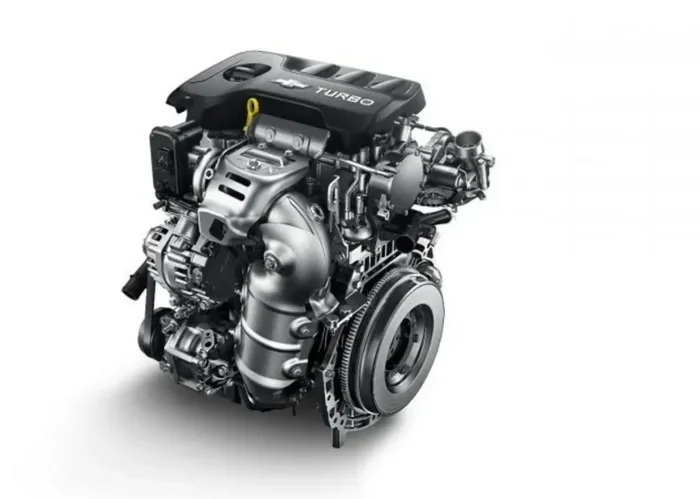
A three cylinder engine is exactly what it sounds like. It has three pistons moving up and down inside three separate cylinders. Each cylinder fires in a sequence to create power. This is called the powertrain, and it is the heart of every car.
Most common cars use four or more cylinders. So why go with three? The answer comes down to physics and efficiency. Fewer cylinders mean fewer moving parts. Fewer parts mean less friction. Less friction means the engine wastes less energy. The result? Better fuel efficiency and lower emissions.
How Does a Three Cylinder Engine Work?
Inside each cylinder, a spark plug ignites a mix of air and fuel. This tiny explosion pushes the piston down. That motion turns the crankshaft. The crankshaft connects to the wheels and makes the car move. With only three cylinders doing this job, the engine runs lighter and burns less petrol.
Older three cylinder engines had a reputation for shaking too much. The firing order was uneven, which caused vibrations. But today’s engineers have solved this problem. They use balance shafts, special mounting systems, and smart computer controls. The result is a refined ride that feels nothing like the clunky engines of the past.
Why Do Automakers Love Three Cylinder Designs?
Car makers face strict rules about emissions and fuel economy. Governments around the world are cracking down on pollution. A small displacement engine helps companies meet these rules without sacrificing performance. Adding a turbocharger gives the engine the punch it needs to keep up with bigger engines.
Also, a lighter engine means the whole car weighs less. A lighter car needs less energy to move. This creates a positive cycle of efficiency. The engine technology behind three cylinder designs continues to improve every year.
The Benefits of Owning a 3 Cylinder Engine Car
So why should you consider a 3 cylinder engine car? There are many real-world advantages that go beyond just saving fuel. Let us look at the biggest benefits.
Exceptional Fuel Economy
This is the number one reason people choose these engines. A three cylinder petrol engine uses significantly less fuel than a four cylinder version of the same car. If you drive a lot or commute daily, those savings add up fast.
Here is a simple comparison:
- 3 Cylinder Engine: Typically delivers 18 to 25 km per litre in the city.
- 4 Cylinder Engine: Usually delivers 14 to 20 km per litre in the city.
Over a year of driving, that difference can mean thousands of rupees saved at the fuel station. For budget-conscious buyers, this is a huge deal.
Lower Maintenance Costs
Fewer cylinders also mean fewer parts that can break. There are fewer spark plugs, fewer fuel injectors, and fewer valves to worry about. When something does need fixing, repairs tend to be simpler and cheaper.
If you are shopping for 2nd hand cars under 3 lakhs, a three cylinder car can be especially smart. These engines are known for being durable and affordable to maintain. You spend less on repairs and more time enjoying the drive.
Reduced Emissions
Burning less fuel means producing less CO2. A turbo 3 cylinder engine produces fewer harmful emissions than larger engines. This is better for the planet and can also help you save on road taxes in some states. Many cities are now pushing for cleaner vehicles, and a three cylinder engine fits right into that trend.
Lighter Weight, Better Handling
A lighter engine shifts the car’s weight distribution. The car feels more balanced and responsive. You will notice better handling on winding roads and sharper steering in city traffic. It is one of those things you feel the moment you get behind the wheel.
Common Myths About 3 Cylinder Engines
Despite their growing popularity, some myths still hold people back. Let us clear them up.
Myth 1: Three Cylinders Are Always Weak
This used to be true decades ago. But modern turbocharged engines have changed the game completely. A turbo 3 cylinder engine can produce as much power as some older four cylinder engines. The turbo forces more air into the cylinders, which creates more power from a smaller engine.
Many sporty cars now use three cylinder engines and still deliver thrilling performance. Do not underestimate what these little engines can do.
Myth 2: They Are Always Noisy and Rough
Older three cylinder engines did vibrate more than their four cylinder counterparts. But today’s engineers have fixed most of these issues. Advanced engine mounts and balance shafts smooth out the roughness. In many modern cars, you cannot tell the difference between a three and four cylinder engine from the driver’s seat.
Myth 3: They Are Not Reliable
Reliability depends more on the maker and maintenance schedule than on the number of cylinders. Many 3 cylinder engine cars have proven track records of lasting hundreds of thousands of kilometres with proper care. Regular oil changes and timely servicing go a long way.
Popular 3 Cylinder Engine Cars You Should Know About
The market for these engines has grown a lot. Several popular models now offer three cylinder options. Here are some of the most notable ones you should consider.
Maruti Suzuki Alto K10 and Similar Models
Maruti Suzuki has long been a leader in the Indian car market. Their smaller engines often use three cylinders to keep costs low and fuel economy high. These cars are perfect for city driving and first-time car buyers.
When you search for 3 cylinder cars in India, Maruti models always come up on the top. They are affordable, easy to maintain, and widely available. Parts are cheap, and service centres are everywhere.
Ford EcoBoost Engine Family
Ford has been a pioneer in three cylinder turbo engines. Their EcoBoost line proved that a small engine can deliver big performance. These engines have won international awards for innovation and efficiency.
Ford showed the world that a three cylinder engine does not have to feel weak. Their engineering team focused on torque and responsiveness. The result is a driving experience that punches above its weight class.
BMW and Mini Three Cylinder Models
Even luxury brands have jumped on the three cylinder bandwagon. BMW offers several models with a turbo 3 cylinder engine. These cars deliver sporty performance while staying efficient. It shows that three cylinders are no longer just for budget cars.
Mini, which is owned by BMW, also uses three cylinder engines in many of its models. They have embraced the technology fully and proved that small engines can still be fun to drive.
Hyundai and Kia Small Displacement Options
South Korean brands Hyundai and Kia have also introduced three cylinder engines in several models. Their focus on vehicle efficiency has led to some impressive engineering. These cars offer a great balance of features, comfort, and economy.
If you are comparing options, it is worth checking out how a 4 cylinder hatchback car in India stacks up against a three cylinder version of the same model. The differences in price and running costs can be significant.
3 Cylinder vs 4 Cylinder: Which Should You Choose?
This is one of the most common questions buyers ask. Both engine types have strengths. The right choice depends on your needs, budget, and driving habits.
Head-to-Head Comparison
Let us break this down in a simple comparison table.
- Fuel Economy: 3 cylinder wins hands down. Fewer cylinders burn less fuel.
- Purchase Price: 3 cylinder cars are usually cheaper to buy.
- Power Output: 4 cylinder engines generally offer more raw power.
- Maintenance Cost: 3 cylinder engines cost less to maintain.
- Ride Refinement: 4 cylinder engines tend to run smoother at idle.
- Emissions: 3 cylinder engines produce fewer pollutants.
For most daily commuters, a three cylinder engine is more than enough. You do not need extra power if you are mostly driving in city traffic. But if you regularly carry heavy loads or drive on highways at high speeds, a four cylinder might feel more comfortable.
Quick Tips for Choosing the Right Engine
Here are some practical tips to help you decide.
- Track your daily mileage. If you drive less than 30 km a day, a 3 cylinder will save you money.
- Consider your budget. Lower purchase price plus lower fuel costs equals big savings over time.
- Test drive both options. Sit in the car and listen to the engine. Choose the one that feels right to you.
- Think about resale value. In the Indian market, popular 3 cylinder models hold their value well.
- Check insurance costs. Cheaper cars often have lower insurance premiums too.
Maintenance Tips for 3 Cylinder Engine Cars
Taking care of your engine is important no matter how many cylinders it has. But three cylinder engines have some specific needs you should know about.
Regular Oil Changes Are Critical
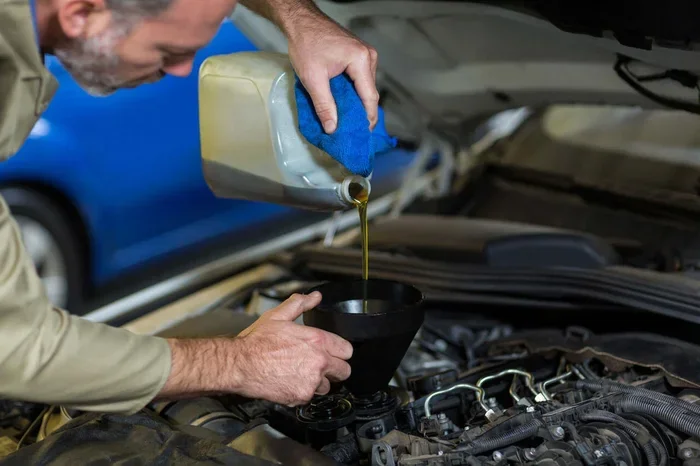
Because the engine runs with fewer cylinders, each one works harder. This means the oil breaks down faster. Stick to the manufacturer’s oil change schedule. Using good quality engine oil keeps everything running smoothly.
Watch the Timing Belt
Many three cylinder engines use a timing belt instead of a chain. The belt needs to be replaced at regular intervals. Skipping this maintenance can lead to serious engine damage. Check your owner’s manual for the replacement schedule.
Keep the Turbo in Good Shape
If your car has a turbo 3 cylinder engine, the turbocharger needs special attention. Let the engine idle for a minute before turning it off after hard driving. This helps the turbo cool down properly and extends its life.
Spark Plug Maintenance
With only three cylinders, you have three spark plugs. Inspect them regularly. Worn spark plugs can cause misfires, rough idling, and poor fuel economy. Replacing them on time keeps your engine running at its best.
Common Mistakes to Avoid
- Skipping scheduled services: This is the fastest way to shorten engine life.
- Using low quality fuel: Cheap fuel can cause knocking and reduce efficiency.
- Ignoring warning lights: Check engine lights should never be ignored.
- Overloading the car: Extra weight puts unnecessary strain on a small engine.
The Future of 3 Cylinder Engine Cars
What does the future hold for 3 cylinder engine cars? The trend looks very promising. More automakers are investing in three cylinder technology. Governments are pushing for stricter emission norms. And buyers are becoming more eco-conscious.
Hybrid technology is also merging with three cylinder engines. Imagine a small turbo three cylinder paired with an electric motor. The result is incredible efficiency and performance. Several car makers are already working on these hybrid setups.
The automotive innovation in this space is exciting. We can expect even more refined, powerful, and efficient three cylinder engines in the coming years. For buyers, this means more choices and better value.
If you are in the market for a new or used car, now is a great time to explore what three cylinder engines have to offer. The technology has matured, the options are plentiful, and the benefits are real. Whether you want a budget-friendly city car or a sporty compact, a three cylinder engine deserves a serious look.
Visit our detailed guide on 3 Cylinder Cars In India for more specific model recommendations and pricing details. You can also explore our article on 4 Cylinder Hatchback Cars In India to compare your options side by side.
Conclusion
3 cylinder engine cars are no longer a compromise. They are a smart, modern choice for today’s drivers. With excellent fuel economy, lower running costs, and improving technology, these engines have earned their place back in the spotlight.
The comeback of the three cylinder engine is not a trend. It is a response to what buyers actually want. Efficient, affordable, and environmentally friendly cars that still deliver a great driving experience. Whether you are a first-time buyer or looking to replace your current car, do not overlook the humble three cylinder engine. It might just be the best decision you make for your wallet and the planet.
Start by visiting your nearest dealership and test driving a few models. Pay attention to how the engine feels, how it responds, and how it sounds. You might be surprised at how refined and capable these engines really are. The future of small car engines is three cylinders strong.
Frequently Asked Questions
Are 3 cylinder engine cars reliable for long drives?
Yes, modern three cylinder engines are very reliable for long drives. The key is regular maintenance and using quality fuel. Many drivers clock hundreds of thousands of kilometres without major issues. Just make sure to follow the service schedule and keep an eye on oil levels.
Do 3 cylinder cars have good resale value in India?
Most popular three cylinder models hold their value well. Maruti Suzuki and other major brands offer strong resale because of their wide service network and brand trust. Choosing a well-maintained car from a reputed brand helps maximise resale value.
Is a turbo 3 cylinder engine better than a naturally aspirated 4 cylinder?
It depends on your needs. A turbo 3 cylinder gives better fuel economy and often more torque at low RPMs. A naturally aspirated 4 cylinder may feel smoother at high speeds. For city driving and daily commuting, the turbo three cylinder usually wins.
What is the average lifespan of a 3 cylinder engine?
With proper care, a three cylinder engine can last 200,000 to 300,000 kilometres. Regular oil changes, timely belt replacements, and using good fuel all contribute to a longer engine life. Treat it well and it will serve you for many years.
Are 3 cylinder cars suitable for highway driving?
Yes, they are suitable for highway driving. Modern turbo three cylinder engines have enough power for highway cruising. However, if you frequently carry heavy loads or drive long distances at high speeds, you might prefer a four cylinder for extra comfort and pulling power.
Can I convert my 4 cylinder car to a 3 cylinder engine?
Engine swaps are technically possible but not practical for most people. The costs are high, the work is complex, and it may not be legally approved in all regions. It is usually better to sell your current car and buy one with a three cylinder engine if that is what you want.