Can You Put Coolant in a Hot Car Without Any Danger
Adding coolant to a hot car can be risky but sometimes necessary. You should always wait for the engine to cool down before opening the radiator cap. However, if your car is overheating, you may need to act quickly. This guide covers the dangers, the safe steps, and what to do if you make a mistake.
Every car owner has faced this moment. You’re driving along, and suddenly the temperature gauge spikes into the red zone. Your first thought might be to pull over and pour coolant into the engine right away. But can you really put coolant in a hot car safely? The short answer is: it depends on the situation, but caution is always your best friend.
Your car’s engine cooling system is a complex setup designed to keep your engine from overheating. When things go wrong, the instinct to fix it fast is completely natural. However, rushing into adding radiator fluid to a hot engine can lead to serious injuries or expensive repairs. This article walks you through everything you need to know about safely handling coolant when your engine is running hot.
Whether you’re a seasoned driver or a complete beginner, understanding how your car’s cooling system works will help you make smarter decisions. We’ll cover the risks, the right steps to follow, common mistakes, and plenty of practical tips. By the end, you’ll feel confident about handling car overheating situations the right way.
Key Takeaways
- Never open a radiator cap on a hot engine: Pressurized steam can cause severe burns and injuries.
- Wait at least 30 minutes: Let the engine cool before adding any coolant to the system.
- Use the correct coolant type: Mixing coolant types can cause chemical reactions and reduce effectiveness.
- Check for leaks first: Frequent coolant loss may signal a bigger problem that needs attention.
- Know your reservoir levels: The coolant reservoir is the safest place to check and refill.
- DIY car diagnostics help: Learning basic checks can save you money and prevent unexpected breakdowns.
📑 Table of Contents
Understanding Your Car’s Cooling System
Before we dive into the main question, let’s talk about how your car’s cooling system actually works. This knowledge makes everything else easier to understand.
How the Cooling System Works
Your engine generates a lot of heat during normal operation. The cooling system uses a liquid called coolant (also known as antifreeze) to absorb that heat. The heated coolant then flows through the radiator, where air passes over it and pulls the heat away. This cycle keeps your engine running at a safe temperature.
Here are the key parts of the system you should know:
- Radiator: The main heat exchanger that cools down the hot coolant.
- Water pump: Circulates coolant through the engine and radiator.
- Thermostat: Regulates the flow of coolant based on engine temperature.
- Coolant reservoir: A small tank that holds extra coolant and allows for expansion.
- Radiator cap: Seals the system and maintains pressure for efficient cooling.
- Hoses: Flexible tubes that carry coolant between components.
Why Coolant Matters
Coolant does more than just keep your engine cool. It also prevents freezing in cold weather and protects metal and rubber parts from corrosion. Without proper coolant levels, your engine can overheat quickly, leading to warped cylinder heads, blown head gaskets, or even a completely seized engine. That’s why maintaining the right coolant mixture is so important for long-term engine health.
Can You Put Coolant in a Hot Car?
Now let’s get to the heart of the matter. The short answer is: you should not open the radiator cap when the engine is hot. But there’s more nuance to this than a simple yes or no.
The Dangers of Opening a Hot Radiator Cap
Your cooling system operates under pressure. When the engine is hot, the coolant inside reaches high temperatures and turns into pressurized steam. If you pop the radiator cap off a hot engine, that pressurized steam and boiling liquid can shoot out with incredible force. The result can be painful burns to your hands, face, or arms.
Here’s what can go wrong:
- Steam burns: Pressurized steam escaping from the radiator can cause second-degree burns in seconds.
- Hot coolant spray: Boiling coolant can splash onto your skin or into your eyes.
- Engine damage: Releasing the pressure suddenly can disrupt the cooling cycle and cause further overheating.
These risks are real and serious. That’s why every car manual advises waiting for the engine to cool before touching the radiator or coolant system. The engine bay can retain heat for a long time, even after you’ve turned off the ignition.
When You Might Need to Act Fast
There are rare situations where you might need to add coolant immediately, even if the engine is warm. For example, if your car is overheating on a highway and you’re miles from help, you might have no choice. In these cases, proceed with extreme caution.
If you must add coolant to a warm engine:
- Turn off the engine and let it sit for at least 10 to 15 minutes.
- Place a thick towel or rag over the radiator cap.
- Slowly twist the cap counterclockwise to release pressure gradually.
- Wait for any hissing to stop before removing the cap completely.
- Add coolant slowly and carefully.
Even in an emergency, never remove the cap quickly or blindly. The risk of injury is too high. If your car has a coolant reservoir with a fill mark, you can often add coolant there without touching the radiator cap at all. This is much safer and should always be your first choice.
The Right Way to Add Coolant to Your Car
Adding coolant properly is straightforward once you know the steps. Following the right process keeps you safe and protects your engine.
Step-by-Step Guide
Here’s the safest way to add coolant to your vehicle:
- Park on a flat surface and turn off the engine. Engage the parking brake.
- Wait at least 30 minutes. This gives the engine and coolant time to cool down significantly.
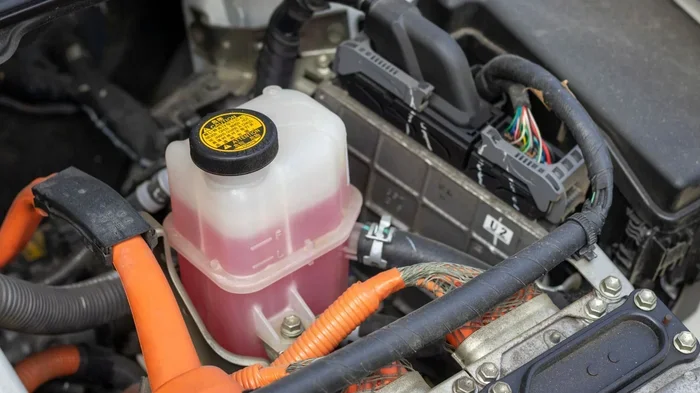
- Locate the coolant reservoir. It’s usually a translucent plastic tank near the radiator with MIN and MAX level markings.
- Check the coolant level. If it’s below the MIN line, you need to add more.
- Open the reservoir cap slowly. Place a cloth over it and twist gently to release any residual pressure.
- Add the correct coolant. Pour it slowly until it reaches the MAX line. Do not overfill.
- Replace the cap and start the engine. Let it run for a few minutes to circulate the new coolant.
- Check for leaks around hoses, the radiator, and the reservoir.
Choosing the Right Coolant Type
Not all coolants are the same. Using the wrong type can cause problems. Here’s a quick comparison of the most common types:
- IAT (Inorganic Additive Technology): Traditional green coolant. Best for older vehicles. Needs replacement every 2 years or 24,000 miles.
- OAT (Organic Acid Technology): Extended-life coolant, often orange, red, or purple. Lasts up to 5 years or 150,000 miles.
- HOAT (Hybrid Organic Acid Technology): A blend of IAT and OAT. Common in newer vehicles. Yellow or turquoise in color.
- Si-OAT (Silicate Organic Acid Technology): Found in many European cars. Pink or red. Offers excellent protection.
Always check your owner’s manual for the recommended coolant type. Mixing different types can reduce performance and cause deposits to build up inside the system. If you’re unsure, a simple cooling system flush can clear out old fluid and let you start fresh.
Quick Tips for Coolant Maintenance
Regular maintenance goes a long way in preventing overheating issues. Here are some quick tips:
- Check your coolant level at least once a month.
- Inspect hoses and connections for cracks or leaks.
- Never mix different coolant colors or brands.
- Use distilled water when diluting concentrated coolant.
- Replace coolant according to your manufacturer’s schedule.
- Keep an eye on the temperature gauge while driving.
These small habits can save you from major headaches down the road. If you notice your temperature gauge creeping up frequently, it might be time to look at a cooling system repair or schedule a professional inspection.
Common Mistakes People Make with Coolant
Even well-meaning car owners make mistakes when it comes to coolant. Here are the most common ones to avoid.
Using Water Instead of Coolant
Some drivers top off their system with plain water in an emergency. While water can work temporarily, it’s not a long-term solution. Water boils at a lower temperature than coolant, so it won’t protect your engine in hot weather. It also freezes in cold climates, which can crack the engine block and radiator. Always use proper antifreeze coolant or a pre-mixed solution.
Overfilling the Coolant Reservoir
Coolant expands as it heats up. If you fill the reservoir to the brim when the engine is cold, the expanding fluid will have nowhere to go. This can cause pressure buildup, leaks, or even damage to the reservoir itself. Always fill to the MAX line when the engine is cool.
Ignoring Coolant Leaks
If you’re constantly losing coolant, something is wrong. A small drip today can become a major problem tomorrow. Common causes of leaks include worn hoses, a faulty radiator cap, a damaged water pump, or a cracked radiator. If you notice a puddle of colored fluid under your car, get it checked out immediately. Ignoring a coolant leak can lead to engine overheating and serious internal damage.
Opening the Radiator Cap on a Hot Engine
This mistake tops the list and can’t be stressed enough. The pressurized system is dangerous. Even a few seconds of impatience can lead to burns that require medical attention. Always wait and be patient. If you’re in a rush, remember that you can usually add coolant through the reservoir instead.
What to Do If Your Car Overheats
Even with the best maintenance, cars can overheat. Knowing what to do in that moment can make all the difference.
Immediate Steps to Take
If your temperature gauge starts climbing while you’re driving:
- Turn off the air conditioning. AC puts extra strain on the engine.
- Turn the heater to maximum. This helps draw heat away from the engine.
- Pull over safely and turn off the engine. Do not keep driving if the gauge is in the red.
- Wait at least 30 minutes before opening any hood components.
- Check the coolant level in the reservoir once the engine has cooled.
If the coolant is low, add the appropriate type up to the MAX line. Then start the engine and monitor the temperature gauge. If the problem continues, do not keep driving. Call for roadside assistance or a cooling system repair professional. Continuing to drive an overheating engine can cause irreversible damage.
When to Seek Professional Help
Sometimes the problem goes beyond a simple low coolant level. If you notice any of the following signs, it’s time to see a mechanic:
- Steam or smoke coming from under the hood.
- A sweet smell coming from the engine area.
- The temperature gauge stays in the red even after adding coolant.
- Puddles of coolant forming under your parked car.
- The coolant warning light stays on the dashboard.
These symptoms can point to a blown head gasket, a failing water pump, or a blocked radiator. A professional mechanic can run proper car diagnostics to identify the root cause and recommend the right fix.
Can You Put Coolant in a Hot Car Without Any Danger?
Let’s be completely honest. There is no completely danger-free way to add coolant to a hot engine. The pressurized system always carries some risk when the temperature is high. However, you can minimize the danger significantly by following the right precautions.
The safest approach is always to let the engine cool down completely before opening any part of the cooling system. If you must add coolant while the engine is still warm, use the reservoir fill port whenever possible. This avoids the need to deal with the pressurized radiator cap altogether.
Remember, your safety comes first. No coolant top-off is worth a burn injury or an engine explosion. Take your time, follow the steps outlined above, and you’ll handle the situation like a pro. If you ever feel unsure, it’s perfectly fine to call a tow truck or roadside assistance. A little patience can save you from a world of pain.
Learning how to manage your car’s coolant system is one of the most valuable skills any driver can have. It saves money, prevents breakdowns, and keeps you safe on the road. Start by checking your coolant level today, and make it a regular part of your car maintenance routine.
Conclusion
So, can you put coolant in a hot car? The answer is nuanced. You should never open a radiator cap on a hot engine, but you can often add coolant through the reservoir if you take proper precautions. The key is patience, preparation, and knowing your vehicle’s specific system.
By understanding how your engine cooling system works, using the right coolant type, and following safe procedures, you can handle overheating situations with confidence. Keep your coolant levels checked, your hoses inspected, and your reservoir topped off. These simple habits will keep your engine running smoothly for years to come.
Stay safe, stay informed, and never let a hot engine catch you off guard. Your car and your body will thank you for it.
Frequently Asked Questions
Can I add coolant while the engine is running?
No, you should never add coolant while the engine is running. The engine is hot and the system is pressurized, which creates a serious risk of burns. Always turn off the engine and wait at least 30 minutes before opening any coolant system components.
What happens if I accidentally open the radiator cap on a hot engine?
Pressurized steam and boiling coolant can spray out, causing severe burns. If this happens, move away from the vehicle immediately and let the system cool down. Do not attempt to touch or add anything to the radiator until the engine is completely cool.
Can I use water instead of coolant in an emergency?
Water can work as a temporary measure, but it’s not a long-term solution. Water doesn’t protect against freezing, boiling, or corrosion. Once you’re in a safe location, drain the water and refill with proper coolant as soon as possible.
How often should I check my coolant level?
You should check your coolant level at least once a month, and always before long road trips. Make it a habit to inspect the reservoir when the engine is cool and the car is parked on a flat surface.
What color should my coolant be?
Coolant color varies by type. Traditional coolant is green, while extended-life coolants can be orange, red, purple, yellow, or turquoise. The color helps identify the type, but always check your owner’s manual to confirm which type your vehicle needs.
Why does my car keep losing coolant?
Frequent coolant loss usually indicates a leak somewhere in the system. Common causes include worn hoses, a faulty radiator cap, a damaged radiator, or a failing water pump. Have a mechanic inspect the system to find and fix the leak before it causes overheating.
=== CAN I DO MY OWN CAR DIAGNOSTICS ===
If you’re interested in learning more about checking your car’s systems yourself, you might want to read our guide on Can I Do My Own Car Diagnostics. It covers the basics of identifying issues with your vehicle using simple tools and observations.
=== CAN I DRIVE 10 MILES ON EMPTY ===
Similar to managing your coolant levels, understanding what happens when your fuel runs low is important for every driver. Check out our article on Can I Drive 10 Miles On Empty to learn more about safe driving practices when your tank is nearly empty.
=== CAN I INSTALL SPLASH GUARDS MYSELF ===
Keeping your car’s undercarriage clean and protected is another important part of vehicle maintenance. Learn how to install splash guards yourself with our easy step-by-step guide.