What Is a PCM Connector Everything You Need to Know
A PCM connector is the vital electrical link between your vehicle’s powertrain control module and all its sensors, actuators, and wiring systems. Understanding how this PCM connector works can save you time, money, and frustration when diagnosing engine or transmission issues. This guide covers everything from basic function to advanced troubleshooting tips.
Have you ever wondered what connects your car’s brain to the rest of its body? That is exactly what a PCM connector does. The PCM connector is a small but mighty component that links the powertrain control module to every sensor, wire, and actuator in your vehicle. Without it, your engine would not know how to adjust fuel delivery, manage emissions, or respond to driving conditions.
Many car owners overlook this tiny piece of hardware until something goes wrong. When the PCM connector fails, it can trigger a cascade of problems that mimic serious engine issues. The good news is that understanding how it works can help you catch problems early and avoid costly repairs. In this guide, we will break down everything you need to know about the PCM connector in plain, simple terms.
Whether you are a DIY mechanic or just someone who wants to understand their vehicle better, this article has you covered. We will explore what the PCM connector is, how it functions, what causes it to fail, and how to fix common problems. Let us dive in.
Key Takeaways
- What It Does: The PCM connector serves as the communication hub between your vehicle’s brain and all engine components.
- Common Problems: Corrosion, loose pins, and damaged wiring are the top causes of PCM connector failure.
- Replacement Tips: Proper installation and connector cleaning can prevent many recurring issues.
- Diagnostic Clues: Specific trouble codes often point directly to PCM connector faults.
- Cost Awareness: Replacing a PCM connector is far cheaper than replacing the entire powertrain control module.
- Prevention Matters: Regular inspection of the connector can extend the life of your vehicle’s electrical system.
📑 Table of Contents
- What Exactly Is a PCM Connector?
- How Does a PCM Connector Work?
- Common PCM Connector Problems
- Symptoms of a Failing PCM Connector
- How to Diagnose PCM Connector Issues
- Replacing and Repairing a PCM Connector
- PCM Connector vs. ECM Connector: What Is the Difference?
- Preventing PCM Connector Problems
- When to Seek Professional Help
- Conclusion
What Exactly Is a PCM Connector?
The PCM connector is a multi-pin electrical plug that attaches directly to the powertrain control module. Think of it as the mailbox where all electrical signals arrive and depart. Your vehicle’s PCM relies on this connection to send and receive data from the engine, transmission, and related systems.
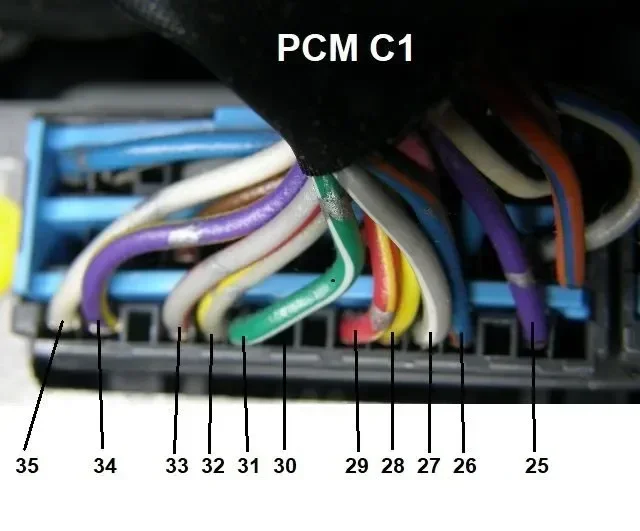
Inside the connector, you will find a series of terminal pins. Each pin has a specific job. Some carry voltage from the fuse box. Others relay signals from oxygen sensors. Some provide a ground path. Every single one of these pins must make solid contact for the system to work properly.
The PCM connector is not a one-size-fits-all part. Different vehicles use different connector types. A connector from a Ford truck looks very different from one in a Toyota sedan. The number of pins can range from around 40 to over 100, depending on the vehicle’s complexity. More pins mean more functions, which means more things that can go wrong.
Types of PCM Connectors
Not all PCM connectors are the same. Automakers use several different styles depending on the vehicle model and year. Here are the most common types you will encounter.
Multi-pin rectangular connectors are the most common type found in modern vehicles. These connectors have rows of pins arranged in a rectangular housing. They handle a large number of circuits and are designed to be compact. Most late-model cars and trucks use this style.
Round connectors are more common in older vehicles or in specific applications like diesel engines. These connectors are smaller and have fewer pins. They are often easier to inspect and clean than their rectangular counterparts.
Weatherpack connectors are designed to resist moisture and dirt. They feature a rubber seal around the pins that keeps water and debris out. These are common in vehicles that face harsh driving conditions or off-road use.
AMP SuperSeal connectors are a popular choice for many manufacturers. They use a dual-lock system that ensures the pins stay seated firmly. These connectors are known for their reliability and ease of use during repair work.
How Does a PCM Connector Work?
Understanding how the PCM connector works starts with understanding the powertrain control module itself. The PCM is essentially the computer that controls your engine and transmission. It takes in information from various sensors, processes that information, and then sends commands to actuators.
The PCM connector makes all of this possible. Here is a simple way to think about it. Imagine the PCM as a manager sitting in an office. The sensors are the employees sending reports in. The actuators are the workers carrying out tasks. The PCM connector is the door, the phone line, and the email system all rolled into one. Without it, the manager is completely isolated.
When you turn the key in the ignition, the PCM receives power through specific pins in the connector. At the same time, it gets a ground signal through another pin. Once powered on, the PCM starts scanning all connected sensors. It reads data from the crankshaft position sensor, the camshaft position sensor, the throttle position sensor, the mass airflow sensor, and many others.
Based on this data, the PCM makes real-time adjustments. It controls fuel injection timing, spark plug firing, idle speed, and emission controls. All of these commands travel back through the PCM connector to the relevant components. This entire process happens in milliseconds, and the connector must be able to handle the constant flow of electrical signals without interruption.
The Role of Connector Pins
Each pin in the PCM connector has a very specific function. When you look at a wiring diagram for your vehicle, every pin is labeled with its circuit name. Here are some of the most important circuits you will find.
- Battery voltage feed: This pin delivers power from the fuse box to the PCM. Without it, the PCM cannot operate at all.
- Ground pins: These pins provide the return path for electrical current. A bad ground is one of the most common causes of PCM-related problems.
- Sensor signal pins: These carry voltage signals from various sensors to the PCM for processing.
- Actuator control pins: These send commands from the PCM to components like fuel injectors and the ignition coil.
- Data communication pins: These pins handle the serial data exchange between the PCM and the onboard diagnostic system.
Even one bad pin can cause major problems. A corroded ground pin, for example, can lead to rough idle, poor fuel economy, and illuminated check engine lights. This is why paying attention to the condition of every pin in the PCM connector matters so much.
Common PCM Connector Problems
Like any electrical component, the PCM connector is subject to wear and damage over time. Some problems develop slowly, while others happen suddenly. Knowing what to look for can help you catch issues before they become expensive repairs.
Corrosion and Moisture Damage
Corrosion is the number one enemy of the PCM connector. Moisture can enter the connector housing through cracks, damaged seals, or simply through exposure to road conditions. Once moisture gets inside, it causes the metal pins to oxidize. This oxidation creates resistance in the circuit, which weakens or completely blocks the electrical signal.
You will often see green or white buildup on the pins when corrosion has set in. This is especially common in vehicles that are driven in coastal areas or through deep water. The PCM connector on many older vehicles also loses its sealing ability over time, making them more vulnerable to moisture intrusion.
Loose or Damaged Pins
Pins can become loose if the connector is plugged in and unplugged too many times. Each time you connect or disconnect the PCM connector, the locking mechanism wears slightly. Over hundreds of cycles, the pins may not make full contact anymore.
Physical damage is another common cause. A pin can bend or break during a repair if someone uses too much force. A bent pin might still make contact sometimes, which creates intermittent problems that are very difficult to diagnose. These intermittent issues often show up as random misfires or erratic sensor readings.
Wiring Harness Damage
The problem is not always in the connector itself. Sometimes the wiring harness that connects to the PCM connector gets damaged. This can happen from rubbing against sharp edges, heat exposure from the exhaust, or rodent damage. When the wiring harness is compromised, the PCM connector cannot do its job properly, even if the connector pins are in perfect condition.
Heat Damage
The PCM connector sits in a very hot environment in most vehicles. Engine heat can soften the connector housing over time. When the housing softens, the pins may not stay seated as firmly. In extreme cases, the plastic housing can actually melt or warp, which destroys the alignment of the pins.
This is especially true for vehicles that tow heavy loads or operate in hot climates. The extra heat generated by the engine under load puts additional stress on the connector and its wiring.
Symptoms of a Failing PCM Connector
How do you know when the PCM connector is causing problems? The symptoms can be very varied because the PCM controls so many systems. Here are the most common signs to watch for.
Check engine light: This is the most obvious symptom. If the PCM loses communication with a sensor due to a bad connector pin, it will store a diagnostic trouble code and illuminate the check engine light.
Intermittent stalling: A loose pin in the PCM connector can cause the engine to stall unexpectedly. The engine might run fine one moment and then die the next. This happens because the connection is unreliable.
Poor fuel economy: When the PCM cannot properly read sensor data, it may default to a conservative fuel map. This causes the engine to use more fuel than necessary.
Rough idle or misfires: If the connector cannot deliver the correct signal to the fuel injectors or ignition coil, the engine will run rough. You might notice shaking at idle or a popping sound from the exhaust.
Transmission shifting problems: The PCM also controls the transmission. A failing connector can cause harsh shifts, slipping, or the transmission to get stuck in a single gear.
No-start condition: In severe cases, a completely failed PCM connector will prevent the engine from starting at all. The PCM cannot control fuel delivery or spark without a proper electrical connection.
How to Diagnose PCM Connector Issues
Diagnosing a PCM connector problem requires a systematic approach. You do not want to guess and start replacing parts. Here is a step-by-step process that works well for most vehicles.
Step 1: Check for trouble codes. Use an OBD-II scanner to read any codes stored in the PCM. Codes related to specific sensors or circuits can point you toward a particular pin or wire in the connector.
Step 2: Visual inspection. Unplug the PCM connector and look closely at the pins. Search for corrosion, bent pins, or discoloration. Also check the connector housing for cracks or melted areas.
Step 3: Check for power and ground. Use a multimeter to verify that battery voltage is reaching the correct pin. Also check that the ground pins show continuity to the battery negative terminal.
Step 4: Test individual circuits. With the connector unplugged, test each pin for proper resistance and continuity. Compare your readings to the values listed in the vehicle service manual.
Step 5: Inspect the wiring harness. Follow the wiring from the connector back toward the PCM. Look for chafed wires, melted insulation, or loose connections at other points along the harness.
Using a Wiring Diagram
A wiring diagram is your best friend when diagnosing PCM connector issues. Every vehicle has a specific diagram that shows which pin does what. You can find these diagrams in the service manual or in online databases. The diagram will tell you the pin number, the circuit name, and the expected voltage for each pin.
When you are testing, always refer back to the diagram. Testing without a diagram is like searching for a specific house without a street address. You will waste time and likely miss the actual problem.
Replacing and Repairing a PCM Connector
In many cases, you do not need to replace the entire PCM when the connector fails. Replacing just the connector is much cheaper and often solves the problem completely. Here is how to approach it.
Step 1: Purchase the correct connector. Make sure you get the right connector for your specific vehicle make, model, and year. The pin count and pin layout must match exactly. Using the wrong connector can cause permanent damage.
Step 2: Disconnect the battery. Always disconnect the negative battery terminal before working on any electrical component. This protects the PCM from voltage spikes during the repair.
Step 3: Remove the old connector. Carefully unplug the old PCM connector. Release any locking tabs gently. Do not force anything. If the connector is stuck, check for any retaining screws or clips that might be holding it in place.
Step 4: Transfer the terminals. Most replacement connectors come with new pins but require you to transfer the old wires. Use a proper terminal extraction tool to remove each pin from the old connector. Then press each pin firmly into the new connector until it clicks into place.
Step 5: Apply dielectric grease. Before plugging in the new connector, apply a thin layer of dielectric grease to the pins. This grease protects against moisture and corrosion. It also makes future disconnections easier.
Step 6: Reconnect and test. Plug the new connector into the PCM. Reconnect the battery. Start the engine and check for proper operation. Clear any stored codes with your scanner and take the vehicle for a test drive.
Quick Tips for Connector Maintenance
- Inspect the PCM connector during every oil change or major service.
- Clean the pins with electrical contact cleaner if you notice any oxidation.
- Never use WD-40 or similar products on electrical connectors. They can leave a residue that attracts dirt.
- Always use dielectric grease after cleaning or replacing a connector.
- Handle the connector with care. Avoid pulling on the wires instead of the connector housing.
PCM Connector vs. ECM Connector: What Is the Difference?
Many people use the terms PCM and ECM interchangeably, but they are not exactly the same. The ECM, or engine control module, handles only engine-related functions like fuel injection and ignition timing. The PCM, or powertrain control module, controls both the engine and the transmission.
Because the PCM has more responsibilities, it typically uses a larger connector with more pins than a standalone ECM. If your vehicle has a PCM rather than separate ECM and TCM units, the connector will be bigger and more complex. This is important to know when ordering replacement parts.
Some older vehicles use separate modules for the engine and transmission. In those cases, each module has its own connector. Understanding which type of system your vehicle uses helps you identify the right part and the right troubleshooting approach.
Preventing PCM Connector Problems
Prevention is always better than repair, and the PCM connector is no exception. Here are some simple steps you can take to keep your connector in good shape for years to come.
Keep the engine bay clean. Dirt and debris can work their way into the connector over time. Regularly clean the area around the PCM with a damp cloth. Avoid using high-pressure washers directly on the connector.
Check for rodent damage. Mice and rats love to chew on wiring insulation. Inspect the harness near the PCM regularly, especially if you park your vehicle outdoors or in areas with high rodent activity.
Address overheating issues promptly. If your vehicle runs hot, the excess heat will damage the PCM connector over time. Fix cooling system problems before they affect other components.
Use quality replacement parts. When replacing the connector, choose OEM or high-quality aftermarket parts. Cheap connectors may not have proper pin tension or sealing, which leads to premature failure.
Avoid unnecessary disconnections. Every time you unplug the PCM connector, you wear the locking mechanism slightly. Only disconnect it when you have a specific reason to do so.
When to Seek Professional Help
While many PCM connector issues can be diagnosed and repaired at home, some situations call for a professional. If you have checked the connector and everything looks physically fine but problems persist, the issue may be deeper in the PCM itself. Internal PCM failure can sometimes mimic connector problems.
Also, if you are not comfortable working with electrical systems, it is perfectly fine to visit a qualified mechanic. A professional technician has specialized tools like oscilloscopes and advanced diagnostic software that can pinpoint the exact cause of the problem quickly.
The key is to not ignore the symptoms. A failing PCM connector will not fix itself. The longer you wait, the more damage it can cause to other components. Early intervention saves money and keeps your vehicle running smoothly.
Conclusion
The PCM connector is one of the most important yet overlooked components in your vehicle. It is the bridge between your car’s computer and everything else under the hood. When it works, you never think about it. When it fails, it can cause a wide range of frustrating and expensive problems.
By understanding how the PCM connector works, what causes it to fail, and how to diagnose and repair common issues, you put yourself in a much better position. You can catch problems early, avoid unnecessary part replacements, and keep your vehicle running at its best.
Take the time to inspect your PCM connector during routine maintenance. Keep it clean, dry, and secure. And when problems arise, approach them methodically with a wiring diagram and a good multimeter. Your vehicle will thank you for it with better performance, improved fuel economy, and fewer surprises on the road.
The PCM connector may be small, but its role in your vehicle is enormous. Treat it with the attention it deserves, and it will serve you well for many miles to come.
Frequently Asked Questions
What happens when a PCM connector goes bad?
A bad PCM connector can cause a wide range of issues including check engine light, rough idle, stalling, poor fuel economy, and transmission shifting problems. In severe cases, the vehicle may not start at all because the PCM cannot communicate with the engine sensors and actuators.
Can a corroded PCM connector be repaired?
Yes, in most cases corrosion can be repaired. Clean the affected pins with electrical contact cleaner and apply dielectric grease. If the pins are severely damaged, replace the entire connector. Regular inspection helps catch corrosion before it causes major problems.
How much does it cost to replace a PCM connector?
The connector itself typically costs between $15 and $60 depending on the vehicle. If you do the work yourself, that is the only cost. Professional labor can add $75 to $150 for the diagnostic and installation time. This is far cheaper than replacing the entire PCM.
Is a PCM connector the same as an ECM connector?
Not exactly. The ECM connector handles only engine functions while the PCM connector controls both the engine and transmission. PCM connectors tend to have more pins and a more complex design. Always verify which type your vehicle uses before purchasing a replacement.
Can a loose PCM connector cause a no-start condition?
Yes, if the connector is completely disconnected or has a failed internal connection, the PCM cannot function. This means it cannot control fuel injection or ignition, resulting in a no-start condition. A loose connector can also cause intermittent starting problems.
How often should I inspect my PCM connector?
It is a good practice to inspect the PCM connector during every major service or oil change. If you notice any symptoms like rough idle or check engine lights, inspect the connector immediately. Regular inspection helps prevent small problems from becoming expensive repairs.
=== KEY TAKEAWAYS ===
Key Takeaways
- What It Does: The PCM connector serves as the communication hub between your vehicle’s brain and all engine components.
- Common Problems: Corrosion, loose pins, and damaged wiring are the top causes of PCM connector failure.
- Replacement Tips: Proper installation and connector cleaning can prevent many recurring issues.
- Diagnostic Clues: Specific trouble codes often point directly to PCM connector faults.
- Cost Awareness: Replacing a PCM connector is far cheaper than replacing the entire powertrain control module.
- Prevention Matters: Regular inspection of the connector can extend the life of your vehicle’s electrical system.