What Color Car Is the Most Expensive to Insure Revealed
What Color Car Is the Most Expensive to Insure? Red and black cars often top the list, but the real reasons go beyond paint. Insurance costs hinge on visibility, theft risk, and repair expenses. This article breaks down which color car is the most expensive to insure and shares smart ways to lower your premium.
Have you ever wondered what color car is the most expensive to insure? Many drivers assume that a bright red sports car will cost a fortune to cover. The truth, however, is more surprising than you think. Insurance companies do not have a simple rule that says red cars cost more. In fact, the factors that drive up your premium are far more complex. This article reveals what color car is the most expensive to insure and why. We will also share practical tips to help you save money, no matter what color you choose.
Car color might seem like a trivial detail when you are buying a vehicle. Yet it can quietly influence your auto insurance rates. The paint on your car affects how visible it is on the road, how likely it is to be stolen, and even how much it costs to repair after a fender bender. Understanding these connections can help you make a smarter choice. It can also help you negotiate better insurance premiums. Let us dive into the real story behind car colors and insurance costs.
Key Takeaways
- Red cars often cost more to insure: their high visibility and association with sports cars can raise premiums.
- Black vehicles are the most expensive color to insure: they are harder to see at night and attract more theft.
- White and silver cars tend to be cheaper: they are less likely to be in accidents and easier to repair.
- Insurance companies do not use color as a primary factor: they focus on the car model, engine size, and your driving record.
- Your personal details matter most: age, location, credit score, and claims history heavily influence rates.
- You can save by choosing a common color: easy-to-find parts and lower theft risk reduce costs.
- Ask for discounts regardless of color: bundling policies and safe driver courses can lower any premium.
📑 Table of Contents
- The Truth About Car Colors and Insurance Rates
- Which Color Car Is the Most Expensive to Insure?
- What Really Drives Your Insurance Premium?
- Quick Tips to Lower Your Car Insurance Costs
- Common Mistakes People Make About Car Color and Insurance
- Expert Insights on Vehicle Color and Risk
- Final Thoughts: What Color Car Is the Most Expensive to Insure?
The Truth About Car Colors and Insurance Rates
When you look at car insurance rates by color, you will find that no single color is always the cheapest or the most expensive. Insurers use a complex mix of data points. The color of your vehicle is just one small piece of the puzzle. However, it does play a role in how underwriters assess risk. A color that stands out on the road can lead to more attention from police. It can also make your car a more attractive target for thieves. At the same time, some colors are easier to match during repairs, which affects the cost of a claim.
Why Do Insurers Care About Your Car’s Color?
Insurance companies want to predict risk. They look at historical data to see which vehicles get into more accidents or get stolen more often. Car color can influence these outcomes. A vehicle that is hard to see at night might be involved in more collisions. A color that is popular with car thieves might lead to more theft claims. These patterns feed into the insurance rates for that vehicle. It is important to note that color alone does not set your price. It works together with the car model, your driving history, and where you live.
The Myth of the Red Sports Car
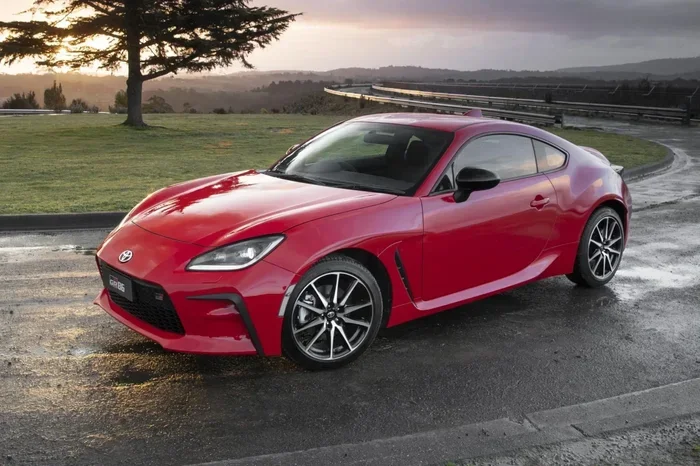
You have probably heard that red cars cost more to insure. This is one of the most common myths in the auto industry. The idea comes from the fact that red cars are often associated with sports cars. Sports cars do tend to have higher premiums because they are driven faster and have higher repair costs. The color red itself is not the culprit. A red family sedan may have the same rate as a blue one. The vehicle type and engine size matter far more than the paint job. Still, the bright color can attract more attention from law enforcement, which might lead to more tickets. That could indirectly raise your rates over time.
Which Color Car Is the Most Expensive to Insure?
So, which color car is the most expensive to insure? Based on industry data and claims patterns, black cars often take the top spot. Red and yellow vehicles also tend to have higher rates. White and silver cars usually fall on the cheaper end. Let us break down the reasons behind each color.
| Car Color | Visibility | Theft Risk | Repair Cost | Insurance Impact |
|---|---|---|---|---|
| Black | Low (hard to see at night) | High (popular with thieves) | Moderate (scratches show) | Often the highest rates |
| Red | High (stands out) | Medium | Moderate | Can be expensive due to sports car association |
| Yellow | Very High | Low | Low (easy to match) | Generally cheaper |
| White | High | Low | Low | Among the cheapest |
| Silver | High | Low | Low | Budget-friendly |
| Blue | Medium | Medium | Moderate | Average rates |
Black Cars: The Hidden Cost
Black is the most popular car color in many countries. It is also one of the most expensive colors to insure. Why? Black vehicles are harder to see at dawn, dusk, and at night. This reduced visibility can lead to more accidents. Black cars also have a higher theft risk. Thieves often prefer black vehicles because they blend in and are easy to sell. Repair costs for black cars can be higher too. Scratches and paint damage show up more on a dark surface. All of these factors push up the insurance premium for black vehicles.
Red and Yellow: High-Visibility Risks
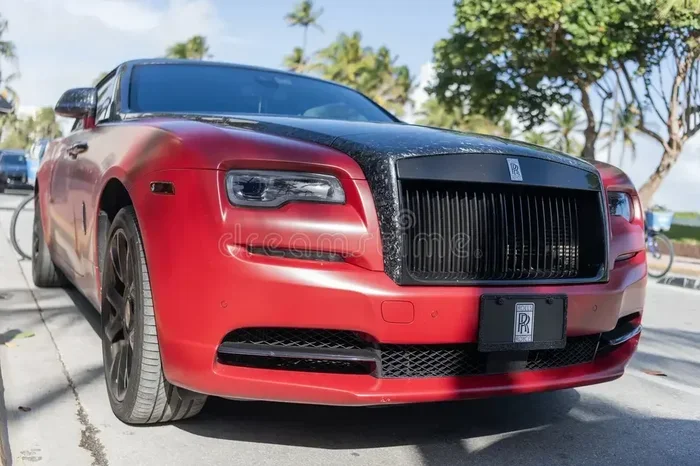
Red and yellow cars are very visible on the road. That sounds safe, but it can have a downside. High visibility can attract more attention from police, leading to a higher chance of traffic stops. Some studies suggest that bright colors are involved in more minor fender benders because they stand out and cause distraction. However, yellow and orange cars are also less likely to be stolen. They are easy to spot if someone tries to steal them. Overall, red cars often carry a higher insurance cost because of their strong link to sports cars and aggressive driving styles.
White and Silver: The Budget-Friendly Choices
White and silver cars tend to be the cheapest to insure. They are highly visible during the day, which helps reduce accident risk. They are also not as attractive to car thieves as black or red vehicles. When a white or silver car does get damaged, the paint is easier to match. This lowers the cost of body repairs. If you are looking to keep your auto insurance costs low, a white or silver vehicle is a solid choice. These colors are also timeless and hold their resale value well.
Quick Tips: Choosing a Color to Save on Insurance
- Pick a neutral color: white, silver, and gray are the most affordable to insure.
- Avoid black if you drive at night a lot: the visibility issue can raise your risk profile.
- Think about the car model first: a safe, common color on a high-risk vehicle will still cost more.
- Check the repair cost data: some colors require special paint formulas that are pricier to match.
- Ask your agent about color impact: they can show you how different colors affect quotes for the same model.
What Really Drives Your Insurance Premium?
While car color plays a role, it is far from the biggest factor. Insurance companies use a wide range of data to set your price. The vehicle itself, your personal history, and your location all matter. Understanding these main drivers can help you focus your efforts on real savings.
The Car Model Matters More Than the Paint
The make and model of your car has a huge impact on your insurance rates. A luxury sports car will cost more to insure than a family sedan, no matter what color it is. Insurers look at the vehicle’s safety features, crash test ratings, and theft frequency. A car with advanced braking and stability control may qualify for discounts. A model that is frequently stolen will have higher premiums. The engine size also matters. A larger engine often means higher speeds and more risk. So, before you worry about color, focus on the vehicle’s overall risk profile. A red Honda Civic will likely be cheaper than a black BMW convertible.
How Your Personal Factors Play a Role
Your own history and habits shape your insurance premium more than your car’s color. Insurers consider your age, driving record, and credit score. A clean driving record with no accidents or tickets will earn you lower rates. A high credit score can also qualify you for better pricing. Where you live matters too. Urban areas with more traffic and higher crime rates lead to higher premiums. Your claim history is another key factor. If you have filed multiple claims in the past, you will be seen as a higher risk. These personal details are the main levers insurers use to set your price.
Quick Tips to Lower Your Car Insurance Costs
No matter what color car you drive, you can take steps to reduce your auto insurance costs. Here are some proven strategies that work for any vehicle.
- Bundle your policies: Combine your car insurance with home or renters insurance for a multi-policy discount.
- Take a safe driver course: Completing a certified course can lower your rates, especially for younger drivers.
- Increase your deductible: A higher deductible means a lower monthly premium, as long as you can afford the out-of-pocket cost.
- Maintain a good credit score: In most states, insurers use credit-based insurance scores to help set rates.
- Drive less: Low-mileage drivers often qualify for discounts. Consider carpooling or using public transit.
- Ask about safety features: Anti-theft devices, automatic emergency braking, and dashcams can earn you savings.
- Shop around every year: Compare quotes from multiple insurance companies to find the best rate.
Common Mistakes People Make About Car Color and Insurance
Many drivers make assumptions about car color and insurance that can lead to poor decisions. Avoid these common pitfalls to keep your rates in check.
Assuming Color Is the Biggest Factor
The biggest mistake is fixating on the car’s color while ignoring everything else. You might pass up a safe, reliable vehicle because of its color, or pay extra for a color that does not actually affect your rate much. Remember, the vehicle’s safety rating, theft data, and repair costs are far more important. A bright yellow SUV with poor crash ratings may still cost more than a white compact car with excellent safety features. Focus on the full picture, not just the paint.
Ignoring Other Costly Vehicle Choices
Some drivers choose a flashy color to make a statement, but then overlook the cost of repairs. Specialty paints, metallic finishes, and custom colors can be expensive to fix after an accident. If you add aftermarket modifications, your insurance policy may not cover them fully. Always check with your insurer before making changes to your vehicle. A simple, factory-standard color will save you money on both the initial purchase and future repairs.
Expert Insights on Vehicle Color and Risk
What Insurance Underwriters Actually Look At
Insurance underwriters do not sit in a room and judge your car by its color. They rely on detailed statistical data. Organizations like the Insurance Institute for Highway Safety (IIHS) provide crash test ratings and safety data. The National Insurance Crime Bureau (NICB) shares theft frequency reports by vehicle model. Underwriters combine this data with your personal history to create a risk profile. The vehicle’s color is a minor data point in that profile. It might influence the visibility and theft risk slightly, but it is never the main driver of the rate. A skilled underwriter will look at the whole vehicle and the whole driver. This comprehensive approach ensures that your insurance rates are fair and based on real risk.
Final Thoughts: What Color Car Is the Most Expensive to Insure?
In the end, what color car is the most expensive to insure often comes down to black and red. These colors are linked to higher theft risk, lower visibility, and a strong association with high-performance vehicles. However, the color of your paint job is never the whole story. The car model, your driving record, your credit score, and your location all play a much bigger role in setting your insurance premium. By understanding the true factors, you can make a smarter choice when buying a vehicle. You can also take proactive steps to lower your costs, no matter what color you drive. Choose a safe, reliable car with a neutral color, maintain a clean driving record, and always shop around for the best coverage. These actions will save you far more money than worrying about the paint ever could.
Frequently Asked Questions
Does the color of my car really affect my insurance rate?
Yes, but only as a minor factor. Insurers look at visibility, theft risk, and repair costs associated with certain colors. However, your car model, driving record, and location have a much bigger impact on your premium.
Which car color is the cheapest to insure?
White, silver, and gray cars tend to be the cheapest to insure. They are highly visible, less attractive to thieves, and easier to repair because paint matching is simpler. These colors also hold their resale value well.
Will switching to a lighter-colored car lower my insurance?
Switching to a lighter color like white or silver may slightly reduce your insurance costs. The effect is usually small because color is not a primary rating factor. You will save more by focusing on your driving record and choosing a safe vehicle model.
Do red cars really get pulled over more, leading to higher insurance?
The idea that red cars get pulled over more is mostly a myth. However, red cars are often linked to sports cars, which have higher premiums due to speed and repair costs. The color red itself does not directly cause higher insurance rates.
Can I negotiate a lower rate if I choose a less expensive color?
You can mention the color when getting quotes, but do not expect a major discount. Insurers use many factors to set rates. Focus on bundling policies, taking safe driver courses, and maintaining a good credit score for the best savings.
Are there any car colors that are impossible to insure?
No insurance company refuses to cover a car based solely on its color. Every color can be insured. The cost may vary slightly, but the vehicle’s safety features, your driving history, and the model are what truly determine your eligibility and price.