How Do You Get Platinum Out Of A Catalytic Converter?
Extracting platinum from a catalytic converter is a complex process that involves understanding converter composition, using proper chemical or mechanical methods, and following legal guidelines. Whether you are interested in recycling scrap converters or learning about precious metal recovery, this guide covers everything you need to know. Platinum, palladium, and rhodium make catalytic converters valuable targets for recycling and extraction.
Key Takeaways
- Catalytic converters contain precious metals: Platinum, palladium, and rhodium are the key metals inside every converter.
- Multiple extraction methods exist: You can use chemical dissolution, smelting, or professional refining to recover platinum.
- Safety is critical: Handling converters and chemicals requires proper protective equipment and ventilation.
- Legal regulations apply: Always check local laws before attempting any extraction or recycling process.
- Converter value varies widely: The amount of platinum and other metals depends on the vehicle type and converter age.
- Professional refining yields best results: For most people, sending converters to a licensed refinery is the safest and most profitable option.
📑 Table of Contents
- How Do You Get Platinum Out Of A Catalytic Converter?
- What Is Inside a Catalytic Converter?
- Methods for Extracting Platinum from a Catalytic Converter
- Is It Legal to Extract Platinum from a Catalytic Converter?
- The Value of Platinum and Other Precious Metals
- Safety Precautions When Handling Catalytic Converters
- Quick Tips for Successful Platinum Extraction
- Final Thoughts
How Do You Get Platinum Out Of A Catalytic Converter?
You might be wondering why anyone would want to pull platinum out of a car part. The answer is simple. Catalytic converters contain precious metals that are worth real money. Platinum, palladium, and rhodium work together to clean your car’s exhaust fumes. These metals are rare, and their value keeps climbing every year.
So how do you get platinum out of a catalytic converter? The process is not as simple as pulling a bolt. It requires knowledge, the right tools, and sometimes serious chemistry. Some people recycle old converters for cash. Others want to understand what makes their car’s exhaust system so valuable. Either way, this guide breaks it all down for you.
Before you dive in, let us talk about what you are actually dealing with. A catalytic converter is a small box-shaped part tucked into your car’s exhaust system. It looks tough, but inside it holds a honeycomb structure coated with thin layers of precious metals. The platinum content in a single converter can range from three to seven grams. That might not sound like much, but at current market prices, even a few grams can be worth hundreds of dollars.
If you are curious about converter composition or want to learn about the recycling process, you are in the right place. We will walk you through every step. From understanding what is inside the converter to safely extracting the platinum, we have you covered.
What Is Inside a Catalytic Converter?
Before you can extract platinum, you need to understand what you are working with. A catalytic converter is not just a random metal box. It is a carefully engineered emission control device. Its job is to transform harmful gases into less toxic ones before they leave your exhaust pipe.
Inside the converter, you will find three main components:
- The housing: This is the outer shell, usually made of stainless steel.
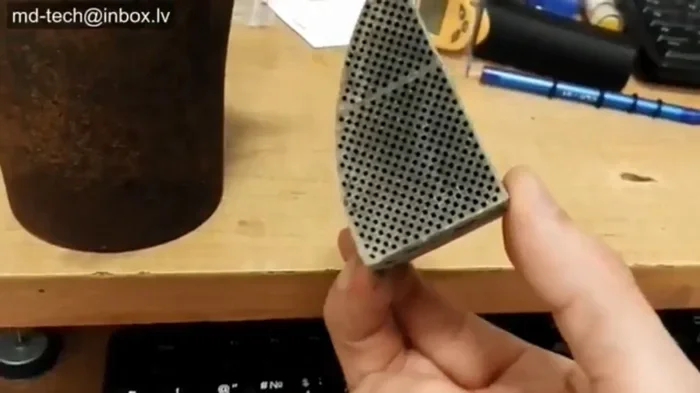
- The substrate or honeycomb: This ceramic or metallic structure provides a large surface area for chemical reactions.
- The washcoat and precious metals: The washcoat is a thin layer that holds tiny amounts of platinum, palladium, and rhodium.
The precious metals act as catalysts. They speed up chemical reactions without being consumed themselves. This is why a small amount of platinum can last for years. However, over time, these metals can degrade or become contaminated. That is when extraction and recycling become worthwhile.
How Much Platinum Is Actually in a Converter?
The amount of platinum varies by vehicle type. A standard passenger car converter might hold three to five grams. Larger vehicles like trucks and SUVs can contain up to seven grams or more. Luxury and high-performance vehicles sometimes have even higher concentrations.
Here is a quick breakdown of typical platinum content:
- Small passenger cars: 2 to 4 grams
- Mid-size sedans and trucks: 4 to 6 grams
- Large SUVs and commercial vehicles: 6 to 10 grams
- Hybrid vehicles: Often contain more because they run the converter more frequently
Keep in mind that hybrid vehicles, like those explored in this guide on at what point does a hybrid switch to gas, tend to use their catalytic converters more often during stop-and-go driving, which can affect the metal content over time. The platinum group metals also include palladium and rhodium, which can be even more valuable than platinum itself.
Methods for Extracting Platinum from a Catalytic Converter
Now let us get to the core question. How do you actually get platinum out of a catalytic converter? There are several methods, ranging from simple mechanical approaches to complex chemical processes. Each method has its pros and cons, and some are safer than others.
Method 1: Mechanical Separation
The simplest approach is to physically break open the converter and remove the ceramic or metallic substrate. This method does not extract pure platinum. Instead, it separates the valuable coated material from the housing.
Here is how mechanical separation works:
- Allow the converter to cool completely.
- Use a grinder or cutting tool to open the outer shell.
- Remove the honeycomb substrate carefully.
- Collect the coated material for further processing.
This method is straightforward, but it does not give you pure platinum. The substrate still contains platinum mixed with other metals and ceramic material. You would need additional steps to purify it.
Method 2: Chemical Dissolution
Chemical dissolution is a more advanced method. It uses strong acids to dissolve the non-precious metals and leave behind the platinum group metals. This approach is commonly used in small-scale refining operations.
Here is a simplified overview of the chemical process:
- Step 1: Break down the substrate into small pieces.
- Step 2: Add aqua regia or another strong acid mixture.
- Step 3: Filter the solution to separate solids from liquids.
- Step 4: Use chemical reduction to precipitate the platinum.
- Step 5: Rinse, dry, and refine the recovered metal.
Chemical dissolution requires careful handling. The acids involved are extremely dangerous. They can cause severe burns and release toxic fumes. If you are not experienced with chemical handling, this method is not recommended for beginners.
Method 3: Professional Refining
The safest and most reliable method is to send your converter to a professional refining company. These facilities have the equipment, expertise, and legal permits to handle precious metal extraction safely.
Professional refining offers several advantages:
- You get a higher purity yield of platinum.
- The process is safe and environmentally compliant.
- You avoid handling dangerous chemicals yourself.
- Licensed refiners can provide certification and documentation.
If you are looking for a trusted professional, visiting a local Chevrolet dealership or any reputable auto shop can help you find certified recycling partners in your area. Many dealerships maintain relationships with licensed precious metal refiners.
Is It Legal to Extract Platinum from a Catalytic Converter?
Before you start any extraction project, you need to understand the legal landscape. The short answer is: it depends on where you live and how you do it.
In many countries, catalytic converters are classified as regulated waste. They contain hazardous materials and precious metals that fall under environmental protection laws. Removing a converter from a vehicle and altering it may violate local regulations.
Here are some key legal considerations:
- Converter theft is a crime: Removing a converter from a vehicle without the owner’s consent is illegal in most places.
- Chemical handling regulations: Using strong acids at home may violate environmental and safety codes.
- Scrap metal laws: Selling scrap converters often requires proper documentation and licensing.
- Export restrictions: Some countries restrict the export of catalytic converters to prevent theft rings.
If you are considering recycling a converter you already own, check with your local authorities. You can also look into whether you need to do your own car diagnostics first to confirm the converter is no longer functional and safe to remove. Understanding your vehicle’s health before removing any part is always a smart first step.
The Value of Platinum and Other Precious Metals
Why go through all this trouble? The answer comes down to money. Platinum, palladium, and rhodium are extremely valuable. Their prices fluctuate based on global demand, mining supply, and economic conditions.
As of recent market data, platinum trades at around $900 to $1,000 per ounce. Palladium can be even more expensive, sometimes exceeding $2,000 per ounce. Rhodium has been known to spike above $10,000 per ounce during periods of high demand.
Even a small converter can contain metals worth $50 to $200 or more. For people who collect scrap converters, the profits can add up quickly. This is why catalytic converter theft has become a major problem in many areas. Thieves target parked cars because the parts are easy to remove and sell for quick cash.
How Scrap Converters Are Valued
When you bring a converter to a recycler, they evaluate it based on several factors:
- Vehicle type and model: Different vehicles use different amounts of precious metals.
- Converter age and condition: Older converters may have degraded metal content.
- Current market prices: The spot price of platinum and other metals changes daily.
- Refining costs: The recycler factors in their processing fees.
Understanding the scrap value of your converter helps you get a fair price. Always work with reputable buyers and avoid shady dealers who lowball honest sellers.
Safety Precautions When Handling Catalytic Converters
Whether you are extracting platinum or simply removing a converter for recycling, safety must come first. Catalytic converters operate at extremely high temperatures during use. Even after cooling, they can contain residual chemicals and sharp edges.
Here are essential safety tips to follow:
- Wear protective gloves: Heavy-duty work gloves protect your hands from sharp edges and chemical residue.
- Use eye protection: Safety goggles prevent debris and chemical splashes from reaching your eyes.
- Work in a ventilated area: Fumes from cutting or chemical processes can be harmful if inhaled.
- Avoid open flames: Residual fuel vapors in the exhaust system can ignite.
- Store chemicals safely: If you use acids, keep them in labeled, sealed containers away from children and pets.
Never attempt to extract platinum without proper knowledge and equipment. The risks of chemical burns, toxic exposure, and fire are real. If you are new to this, start by learning from professionals or enrolling in a recycling workshop.
Common Mistakes to Avoid
Many beginners make avoidable mistakes when trying to extract platinum. Here are the most common ones:
- Skipping safety gear: Protecting yourself should always be the number one priority.
- Using improper tools: Standard hand tools may not be enough to cut through a converter’s tough housing.
- Ignoring legal requirements: Failing to check local laws can result in fines or legal trouble.
- Overlooking converter weight: The weight of a catalytic converter matters when assessing its value and handling it safely. For reference, check out this guide on how much weight is heavy for a car to understand vehicle weight considerations.
- Rushing the process: Patience is essential. Rushing leads to mistakes, wasted materials, and potential injuries.
Quick Tips for Successful Platinum Extraction
Whether you are a hobbyist or a serious recycler, these tips will help you get better results:
- Always research the specific converter model before starting. Different converters use different amounts and types of precious metals.
- Start with a practice converter before working on high-value units. This helps you learn the process without wasting expensive materials.
- Keep a log of your yields and methods. Tracking your results helps you improve over time.
- Connect with experienced recyclers online or in local auto parts communities. Their insights can save you time and money.
- Consider selling your extracted metals to a certified refiner rather than trying to sell raw material yourself. Refiners can verify purity and offer competitive prices.
Final Thoughts
Getting platinum out of a catalytic converter is a fascinating process that blends chemistry, mechanics, and recycling. Whether you want to earn extra cash, reduce waste, or simply understand how your car works, the knowledge is valuable. The key is to approach the process with care, respect for the law, and a commitment to safety.
Remember, platinum extraction is not a DIY project for everyone. If you are unsure about any step, seek professional help. Licensed refiners and auto recycling centers can handle the job safely and efficiently. The precious metals inside your catalytic converter are worth protecting, both in value and in the care you take to recover them responsibly.
Start small, learn as you go, and always prioritize safety. The world of catalytic converter recycling is full of opportunity, and understanding how to extract platinum puts you one step ahead. Whether you are a curious car enthusiast or a serious recycler, this knowledge gives you a real edge.
Frequently Asked Questions
Can I extract platinum from a catalytic converter at home?
You can attempt home extraction, but it is not recommended unless you have experience with chemical handling. The process involves dangerous acids and toxic fumes. Professional refining is always the safer choice for most people.
How much is platinum worth per ounce in a catalytic converter?
Platinum prices fluctuate, but it typically trades between $900 and $1,000 per ounce. The actual value in your converter depends on how many grams it contains and the current market rate.
Is it legal to remove a catalytic converter from my own vehicle?
In most places, removing a converter from your own vehicle is legal for recycling purposes. However, tampering with emission control systems can violate environmental laws. Always check your local regulations before proceeding.
What other precious metals are found in catalytic converters?
Besides platinum, catalytic converters contain palladium and rhodium. These metals are often more valuable than platinum and contribute significantly to the overall scrap value of the converter.
How long does the platinum extraction process take?
Mechanical separation takes about 30 to 60 minutes per converter. Chemical dissolution can take several hours, including drying and refining time. Professional refining typically takes a few days from start to finish.
Can I sell extracted platinum directly to a buyer?
Yes, but it is best to sell through a certified refiner or licensed dealer. They can test the purity of your extracted metal and offer a fair market price. Selling raw material without verification can result in lower offers or disputes.