How Do You Know Engine Oil Is Low
Engine oil is the lifeblood of your car’s engine, and spotting when it runs low can save you from expensive repairs and breakdowns. You can identify low engine oil through warning lights, strange engine noises, and drops in performance. This guide covers every sign, check, and fix to keep your engine healthy and your car running strong.
Your car’s engine has thousands of moving parts that spin, grind, and collide every single time you turn the key. Engine oil keeps all those parts lubricated, cooled, and clean. When that oil drops too low, your engine starts to suffer. The question is, how do you know before it’s too late?
Understanding the signs of low engine oil is one of the most important skills every car owner should have. Whether you are a daily commuter or someone who only drives on weekends, knowing what to look for can save you thousands in repairs. This guide breaks down every warning sign, every check you can do at home, and every step you should take to keep your engine happy and healthy.
Let us be honest. Most of us do not think about engine oil until something goes wrong. A dashboard light pops up, the engine starts making scary noises, or you see smoke coming from under the hood. By then, the damage might already be done. But here is the good news. You can catch low oil symptoms early if you know what to watch for. Let us walk through it together.
Key Takeaways
- Dashboard warning lights are your first clue that oil levels may be dropping.
- Unusual engine noises like knocking or ticking often signal low oil pressure.
- Checking your dipstick regularly is the most reliable way to monitor oil levels.
- Burning oil smells and blue exhaust smoke should never be ignored.
- Top up your oil promptly and address leaks early to prevent engine damage.
- Regular oil changes and maintenance checks keep your engine running smoothly for years.
📑 Table of Contents
- Why Engine Oil Level Matters So Much
- Warning Signs Your Oil Is Running Low
- How to Check Your Engine Oil Step by Step
- Common Causes of Low Engine Oil
- What Happens When You Drive With Low Oil
- How to Prevent Low Oil Problems
- Quick Tips for Checking and Maintaining Oil
- When to See a Professional
- Conclusion
Why Engine Oil Level Matters So Much
Engine oil does more than just lubricate. It cleans engine parts, prevents rust, seals gaps between pistons and cylinders, and carries heat away from hot components. Without enough oil, your engine essentially runs dry. Metal grinds against metal. Friction builds up. Heat spikes. And within minutes, you could face a seized engine that costs thousands to replace.
Think of it this way. Would you run a marathon without drinking water? Of course not. Your engine feels the same way about oil. Keeping your oil level in the right range is not optional. It is essential. And the sooner you learn to recognize when oil is running low, the better protected your car will be.
Warning Signs Your Oil Is Running Low
Your car talks to you all the time. You just need to listen. Here are the most common low oil symptoms that every driver should know.
1. The Oil Pressure Warning Light
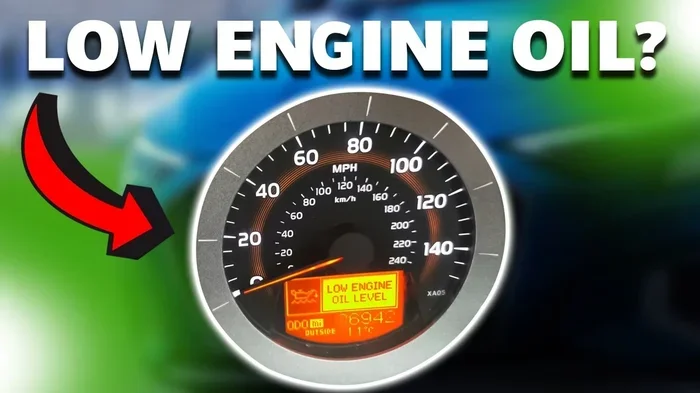
This is the big one. If you see a light that looks like an oil can or says “OIL” on your dashboard, pay attention immediately. The oil pressure warning light usually means your oil level has dropped below a safe threshold. In some cars, it also activates when oil pressure falls too low, even if the level itself is not completely empty.
Do not ignore this light. Do not tell yourself you will check it later. Pull over safely and turn off the engine. Continuing to drive with this light on can cause catastrophic engine failure within minutes.
2. Unusual Engine Noises
Oil cushions the moving parts inside your engine. When oil levels drop, those parts start making direct contact. The result? Ticking, tapping, knocking, or clattering sounds that were not there before.
A light ticking noise when you first start the car is common and often normal. But a persistent knocking or loud clattering, especially under acceleration, is a red flag. These engine noises mean metal is grinding against metal. That is a clear sign your oil level is low and your engine needs help right away.
3. Burning Oil Smell
Do you smell something hot and slightly bitter while driving? That could be oil leaking onto hot engine parts and burning. A burning oil smell is never normal. It often points to an oil leak or excessive oil consumption, both of which lead to low oil levels over time.
If you notice this smell, pull over and let the engine cool. Check underneath your car for fresh oil spots. Even a small leak can drain your oil to dangerous levels surprisingly fast.
4. Blue or Gray Exhaust Smoke
White exhaust on a cold morning is normal. But blue or gray smoke from your tailpipe is not. This usually means oil is leaking into the combustion chamber and burning along with fuel. It is a strong indicator that your oil consumption is too high and your oil level is dropping.
5. Decreased Engine Performance
Low oil affects more than just lubrication. It can make your engine feel sluggish, less responsive, or rough when idling. You might notice your car hesitating when you press the gas pedal or struggling to maintain speed on hills. These performance drops happen because insufficient oil means parts are not getting the protection and cooling they need.
6. Overheating Engine
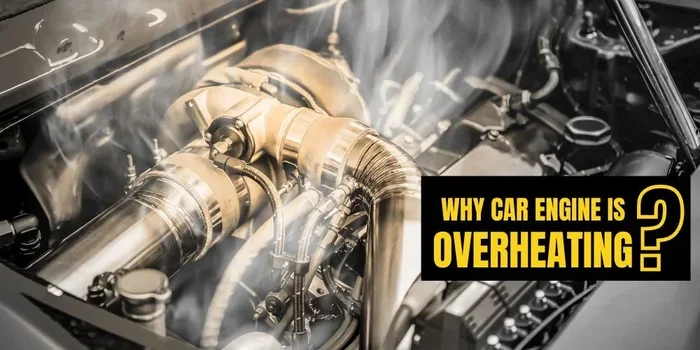
Oil helps pull heat away from critical engine components. When oil levels drop, heat builds up faster than it can dissipate. If your temperature gauge starts climbing into the red zone, low oil could be the culprit. Engine overheating from low oil can warp cylinder heads, blow head gaskets, and cause total engine failure.
How to Check Your Engine Oil Step by Step
Checking your oil level is one of the simplest things you can do for your car. It takes about two minutes and requires no special tools. If you have ever wondered, “Can I do my own car diagnostics?” — checking your oil is a perfect place to start. It is hands-on, practical, and gives you direct insight into your engine’s health.
Here is exactly how to do it the right way.
Step 1: Park on Level Ground
First, park your car on a flat surface and turn off the engine. Wait at least five to ten minutes. This gives the oil time to drain back into the oil pan so your reading is accurate. Checking oil right after driving can give you a false high reading.
Step 2: Locate the Dipstick
Pop your hood and look for the dipstick. It usually has a brightly colored handle, often yellow or orange, that is easy to spot. If you are unsure where yours is, check your owner’s manual. The dipstick is your primary tool for checking oil level low conditions.
Step 3: Pull the Dipstick and Wipe It
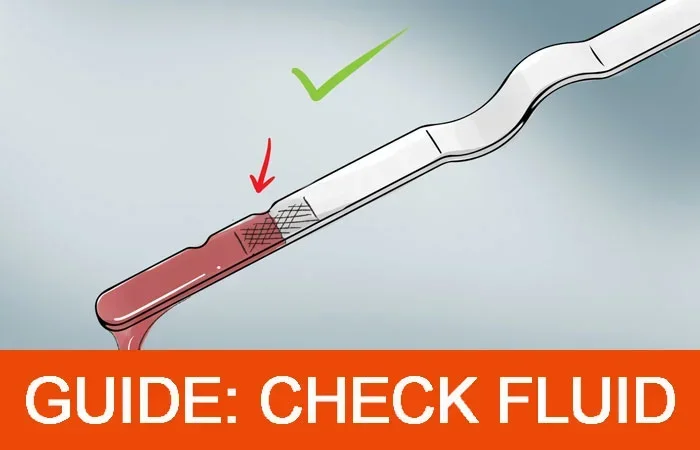
Pull the dipstick out fully. Use a clean rag or paper towel to wipe the oil off the end. This removes any residual oil so you get an accurate reading. While the dipstick is out, take a moment to inspect the oil itself. Fresh oil is amber or golden brown. Dark, gritty, or black oil means it is time for an oil change.
Before reinserting the dipstick, make sure the area around the dipstick tube is clean. You do not want any dirt or debris falling into the engine. This is similar to keeping your car glass clean — just as you would check for 30 unwanted things you can remove from car glass to maintain clarity, keeping the dipstick area clean ensures an accurate reading.
Step 4: Reinsert and Pull Again
Slide the dipstick back in fully, then pull it out again. Look at the oil on the end. You will see two marks, lines, or holes on the dipstick. These indicate the minimum and maximum oil levels. The oil should fall between these two marks.
If the oil level is at or below the minimum mark, you need to top up engine oil right away. If it is close to the minimum, consider adding oil soon rather than waiting for your next scheduled maintenance.
Step 5: Add Oil if Needed
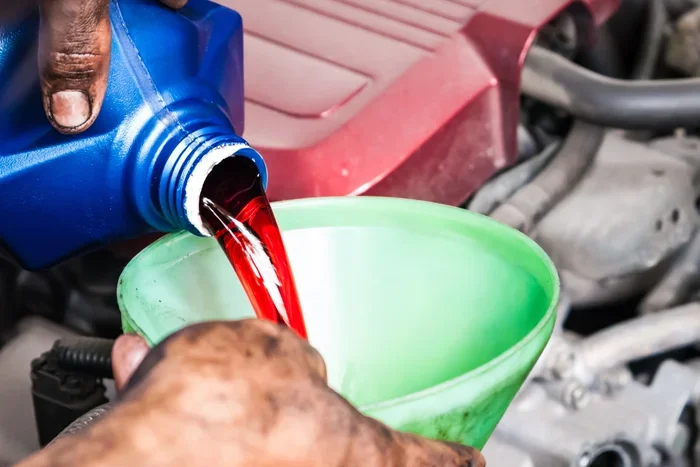
Use the type of oil recommended in your owner’s manual. Remove the oil filler cap, which is usually labeled with an oil can icon. Pour in small amounts and recheck the dipstick after each addition. Overfilling can be just as harmful as underfilling, so go slowly and measure carefully.
Common Causes of Low Engine Oil
Oil does not just disappear on its own. Something is causing it to drop. Understanding the root causes helps you prevent the problem from happening again.
Oil Leaks
The most common reason for low oil is leaks. Over time, gaskets and seals wear out. Oil pans get dented from road debris. Valve cover gaskets crack with age. Any of these can let oil escape slowly, sometimes so gradually you do not notice until levels are dangerously low.
Check under your car regularly for oil spots. Even a small puddle under your parked car deserves attention. Catching leaks early is much cheaper than repairing a damaged engine.
Burning Oil Through Worn Seals
As engines age, internal seals and rings wear down. This allows oil to seep into the combustion chamber and burn away. You might not see any external leak at all, but your oil level drops steadily over time. Blue exhaust smoke and a burning smell are telltale signs of this issue.
Normal Oil Consumption
Some cars burn oil more than others. Certain manufacturers even consider it normal for an engine to consume a small amount of oil between changes. However, if you are topping up more frequently than every few thousand miles, something is likely wrong and worth investigating.
Skipping Oil Changes
Old oil breaks down and becomes less effective. It also tends to leave sludge and deposits that can clog oil passages. When oil flow is restricted, your oil pressure sensor may trigger warnings even if the physical oil level seems okay. Regular oil and filter changes keep everything flowing freely.
Faulty Oil Level Sensor
Sometimes the problem is not the oil itself but the sensor that measures it. A malfunctioning oil level sensor can give false readings, telling you your oil is low when it is actually fine. If you get a warning but your dipstick check looks normal, have the sensor tested.
What Happens When You Drive With Low Oil
Driving with low oil is risky. It is a bit like driving with high beams on in heavy traffic — it might not cause an immediate problem, but it increases the danger for everyone, including your engine.
When oil levels drop, the lubrication system cannot do its job properly. Metal parts grind against each other. Friction generates heat. Components wear out faster. In the worst case, the engine seizes completely and stops running.
Here is a quick look at what can go wrong:
- Increased wear on bearings and camshafts — these parts rely on a constant oil supply.
- Warped or cracked cylinder heads — caused by excessive heat from friction.
- Blown head gaskets — an expensive repair that can total a car if ignored.
- Complete engine seizure — the engine locks up and stops, often requiring a full replacement.
The cost of topping up oil or fixing a small leak is a fraction of what an engine rebuild or replacement costs. A few minutes of attention now can save you from a major headache later.
How to Prevent Low Oil Problems
Prevention is always better than cure. Here are simple habits that keep your oil level right where it should be.
Check Your Oil Regularly
Make it a habit to check your oil at least once a month. Many drivers only look under the hood when something goes wrong. A quick monthly check takes minutes and catches problems before they escalate. This is one of the easiest forms of car maintenance you can do at home.
Follow Your Manufacturer’s Oil Change Schedule
Every car comes with a recommended oil change interval, usually printed in the owner’s manual. Some cars need an oil change every 5,000 miles, while others can go 7,500 or even 10,000 miles. Stick to the schedule. Fresh oil protects better and lasts longer.
Use the Right Oil
Not all oils are the same. Using the wrong viscosity or type can lead to increased oil consumption and poor engine protection. Check your owner’s manual for the recommended grade and stick with it. When in doubt, ask your mechanic or dealer.
Address Leaks Immediately
If you spot an oil leak, do not wait. Even a small drip adds up over days and weeks. Get it inspected and repaired as soon as possible. A quick fix today can prevent a major repair tomorrow.
Keep an Eye on Oil Consumption
If you find yourself needing to add oil more often than usual, pay attention. High oil consumption is a symptom, not a diagnosis. It could point to worn piston rings, leaking seals, or a faulty PCV valve. Have a professional diagnose the root cause before it leads to bigger problems.
Quick Tips for Checking and Maintaining Oil
- Always check oil when the engine is cool or has been off for at least five minutes.
- Wipe the dipstick clean before each check for an accurate reading.
- Use a funnel when adding oil to avoid spills and overfilling.
- Keep a spare quart of the right oil in your trunk for emergencies.
- Record every oil check and top-up in a notebook or phone app to track patterns.
- Never mix different oil types unless absolutely necessary in an emergency.
When to See a Professional
There is a difference between a quick top-up and a real fix. If you find yourself adding oil frequently, if your oil pressure gauge shows low readings, or if you see visible leaks, it is time to visit a mechanic. Professional diagnostics can uncover hidden problems that a simple top-up cannot fix.
If you enjoy working on your car yourself, you might wonder about tackling more advanced checks. You can absolutely learn to do many of your own diagnostics at home. Just remember that some issues require specialized tools and expertise, and that is perfectly okay.
Trust your instincts. If something feels off with your engine, get it checked. Your car will thank you with years of reliable service.
Conclusion
Knowing how to recognize low engine oil is one of the most valuable skills you can develop as a car owner. From warning lights and unusual noises to burning smells and performance drops, your car gives you plenty of clues when oil levels fall. The key is to pay attention early and act quickly.
Make checking your oil a regular habit. Top up when needed. Fix leaks promptly. Follow your oil change schedule. These small actions add up to a healthier engine, better fuel economy, and fewer surprises on the road. Your engine works hard for you every day. A little care and attention go a long way toward keeping it running strong for years to come.
Stay proactive. Stay informed. And never underestimate the power of a simple oil check. It could be the one thing that saves your engine and your wallet.
Frequently Asked Questions
Can I drive my car if the oil light is on?
No. You should pull over safely and turn off the engine as soon as possible. Driving with the oil light on means your oil level or pressure is dangerously low. Continuing to drive can cause severe and permanent engine damage within minutes.
How often should I check my engine oil level?
You should check your oil at least once a month. It is also a good idea to check it before any long road trip. Regular checks help you catch drops in oil level early before they turn into bigger problems.
What kind of oil should I use in my engine?
Always use the oil type and viscosity recommended by your car manufacturer. You can find this information in your owner’s manual. Using the right oil ensures proper lubrication, cooling, and protection for all your engine’s internal parts.
Can low oil cause engine overheating?
Yes. Oil helps carry heat away from engine components. When oil levels drop too low, there is not enough lubrication or heat absorption, which can cause the engine to overheat. Overheating can lead to warped parts, blown gaskets, and even a seized engine.
Is it normal for a car to burn oil?
A small amount of oil consumption is normal in many engines. However, if you are frequently needing to add oil between changes, something is likely wrong. Excessive oil burning often points to worn seals, piston rings, or other internal issues that need professional attention.
What is the difference between the oil pressure warning light and the oil level light?
The oil pressure light usually indicates a problem with oil flow or pressure, which can happen even if the oil level is adequate. The oil level light specifically tells you that the amount of oil in the engine is too low. Both require immediate attention, but they can point to different underlying issues.
=== META DESCRIPTION ===
Learn how to tell if your engine oil is low with clear warning signs, simple checks, and easy fixes. Find out what to do before low oil causes serious engine damage.