How Long Can You Ignore the Oil Change Light Safely
The oil change light is your car’s way of telling you it’s time for maintenance, but many drivers wonder how long they can push it. Most experts agree that you should not ignore the oil change light for more than a few hundred miles. Driving too long past the recommended oil change interval can lead to serious engine damage and expensive repairs.
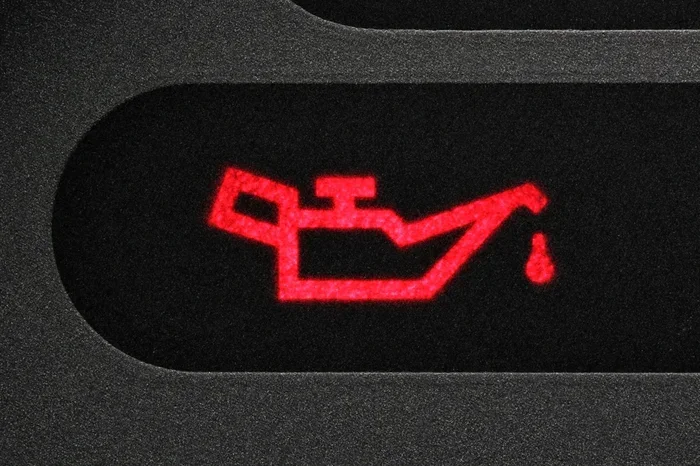
You’re cruising down the highway, minding your own business, when suddenly a yellow or orange light pops up on your dashboard. It looks like an oil can, and your heart sinks a little. The oil change light is on. Now what? Most drivers face this moment at least once, and the question is the same: how long can you actually ignore it?
The truth is, the oil change light is not something you should take lightly. Pun intended. Your engine relies on clean oil to keep everything running smoothly. When that oil gets old or low, parts start grinding, overheating, and wearing out. In this article, we’ll walk through exactly what happens when you ignore the light, how long you really have, and what you can do to stay safe.
Key Takeaways
- Don’t Ignore It: The oil change light is a warning, not a suggestion. Ignoring it can cause real harm to your engine.
- Safe Window Is Short: Most cars can go 50 to 100 miles past the light, but no more. Pushing it further increases risk.
- Oil Degrades Over Time: Even if you haven’t driven many miles, oil breaks down and loses its protective qualities.
- DIY Oil Changes Save Money: You can do your own oil change with basic tools and the right motor oil.
- Driving Conditions Matter: Stop-and-go traffic, extreme heat, and towing shorten the time between oil changes.
- Check Oil Level Regularly: A simple dipstick check can catch low oil before the light even comes on.
📑 Table of Contents
- What Does the Oil Change Light Actually Mean?
- How Long Can You Safely Ignore the Oil Change Light?
- Signs Your Oil Needs Changing Before the Light Comes On
- Can You Reset the Oil Change Light and Keep Driving?
- How Often Should You Really Change Your Oil?
- Can You Do Your Own Oil Change?
- What About the Check Engine Light vs. the Oil Change Light?
- Common Mistakes Drivers Make with the Oil Change Light
- How the Oil Change Light Fits Into Your Overall Maintenance Schedule
- Conclusion
What Does the Oil Change Light Actually Mean?
The oil change light is part of your car’s oil life monitor system. It’s not just a random alert. Your vehicle’s computer tracks driving habits, mileage, and time to estimate when your oil needs replacing. When the system decides the oil is no longer performing well, it triggers the light.
Here’s the thing, not all oil change lights work the same way. Some cars use a simple mileage counter. Others use a complex algorithm that looks at engine temperature, RPM, and driving style. Either way, the message is the same. Your engine needs fresh oil soon.
How the Oil Life Monitor Works
Modern vehicles have smart systems that track your driving patterns. If you do a lot of short trips or drive in stop-and-go traffic, the system might trigger the light sooner. On the other hand, if you mostly drive on highways at steady speeds, the system may give you a longer window.
The oil life monitor measures the quality of the oil based on these factors. It doesn’t actually test the oil directly. Instead, it estimates degradation over time. This is why some drivers get confused. The light comes on even though the oil looks fine. But looks can be deceiving. The chemical properties of the oil are breaking down even when it appears clean.
How Long Can You Safely Ignore the Oil Change Light?
This is the big question, and the honest answer is not very long. Most automotive experts say you have a small window of about 50 to 100 miles after the light comes on. Beyond that, you’re entering risky territory.
Now, some drivers have pushed their cars much further without immediate problems. But that doesn’t mean it’s safe. Think of it like ignoring a hunger cue. You can skip a meal, but if you keep doing it, your body starts breaking down. The same thing happens to your engine.
The 500-Mile Myth
You’ve probably heard someone say, “I drive 500 miles past my oil change all the time and nothing happens.” While that might be true for some vehicles, it’s a dangerous gamble. Every engine is different. Factors like age, mileage, and oil type all play a role. Older engines with higher mileage are more vulnerable to oil degradation.
Also, the type of oil matters a lot. Synthetic oil tends to last longer than conventional oil. If your car uses full synthetic, you might have a slightly longer grace period. But even synthetic oil has limits. It still breaks down under heat and stress.
What Happens If You Wait Too Long?
When oil gets old, it loses its ability to lubricate engine parts. Metal starts rubbing against metal. Friction increases. Heat builds up. Over time, this leads to worn-out bearings, scored cylinder walls, and in the worst case, a seized engine.
A seized engine means your car is done. The repair cost can easily exceed the value of the vehicle. That’s a lot worse than a simple oil change. And here’s the kicker, if you skip oil changes for too long, your warranty might void. Many manufacturers require proof of regular maintenance. Skip that, and you could be paying for everything out of pocket.
Signs Your Oil Needs Changing Before the Light Comes On
The oil change light is not the only sign that something’s off. Your car gives you plenty of clues before it gets to that point. Learning to read these signs can save you from bigger problems down the road.
Dark or Dirty Oil
Clean oil is amber or golden in color. As it ages, it turns dark brown or black. You can check this yourself by pulling out the dipstick. If the oil looks like coffee, it’s definitely time for a change. Don’t wait for the light.
Burning Smell Inside the Cabin
If you smell something burning while driving, don’t ignore it. Old oil can overheat and produce a burnt odor. This smell might also mean an oil leak, which is even more serious. Get under the hood and check for puddles or stains on the ground where you park.
Unusual Engine Noises
Your engine should run relatively quietly. If you start hearing knocking, ticking, or rattling sounds, the oil might not be doing its job. Old oil loses its viscosity and can’t cushion the engine parts properly. These noises are early warning signs that should not be ignored.
Reduced Fuel Efficiency
Clean oil helps your engine run efficiently. When oil gets dirty, the engine has to work harder. That means more fuel consumption. If you notice you’re filling up more often, check your oil. It could be a simple fix that saves you money at the pump.
Can You Reset the Oil Change Light and Keep Driving?
Some drivers reset the light and pretend nothing happened. Yes, you can reset the oil change light on most vehicles. But that doesn’t change the fact that the oil is still old. Resetting the light just clears the warning. It doesn’t add fresh oil or fix any damage.
Think of it like silencing your phone alarm and going back to sleep. The problem is still there. The alarm was trying to tell you something important. Here’s how most reset processes work:
- Turn the ignition to the “on” position without starting the engine.
- Press the gas pedal three times quickly.
- Wait for the oil light to flash.
- Turn the ignition off and start the engine again.
The exact steps vary by vehicle. Check your owner’s manual for the correct procedure. And remember, resetting the light should only happen after you’ve actually changed the oil.
How Often Should You Really Change Your Oil?
The old rule of changing oil every 3,000 miles is outdated for most modern cars. Today’s vehicles and advanced oils allow for longer intervals. But that doesn’t mean you can go forever without a change.
Mileage Intervals by Oil Type
Different oils have different lifespans. Here’s a quick breakdown of what to expect:
- Conventional Oil: Every 3,000 to 5,000 miles
- Synthetic Blend: Every 5,000 to 7,500 miles
- Full Synthetic Oil: Every 7,500 to 10,000 miles
- High-Mileage Oil: Every 3,000 to 5,000 miles
These are general guidelines. Always check your manufacturer’s recommendation. The owner’s manual will have the exact oil change interval for your specific model. Following it is the best way to keep your engine healthy.
Driving Conditions That Shorten Oil Life
Not all driving is equal. Some conditions put extra stress on your oil and engine. If you regularly experience any of the following, you should change your oil more often:
- Stop-and-go city driving
- Extreme hot or cold weather
- Towing heavy loads or trailers
- Driving on dusty or unpaved roads
- Short trips under five miles
These are known as “severe driving conditions.” They cause oil to break down faster. If any of these sound familiar, consider shortening your service interval by 20 to 30 percent.
Can You Do Your Own Oil Change?
Changing your own oil is one of the easiest car maintenance tasks you can do at home. It saves money and gives you a better understanding of your vehicle. You don’t need to be a mechanic to do it right. A few basic tools and some know-how are all you need.
If you want to learn more about other DIY car tasks, check out this guide on installing splash guards yourself. It covers similar hands-on maintenance skills that every car owner should know.
Tools You’ll Need
- New engine oil (check your manual for the right type and amount)
- New oil filter
- Oil filter wrench
- Jack and jack stands or ramps
- Drain pan
- Funnel
- Gloves and safety glasses
Steps to Change Your Oil
- Warm up the engine for a few minutes. This helps the oil flow out more easily.
- Lift the car safely using a jack or ramps. Never work under a car supported only by a jack.
- Place the drain pan under the oil drain plug.
- Remove the drain plug and let the old oil flow out completely.
- Replace the oil filter using the filter wrench.
- Tighten the drain plug back in.
- Add fresh oil through the oil fill cap on top of the engine.
- Check the oil level with the dipstick.
- Start the engine and let it run for a minute. Check for leaks.
- Reset the oil change light if needed.
Doing your own oil change is satisfying and cost-effective. But if you’re not comfortable, there’s no shame in visiting a mechanic. The important thing is that you actually get it done.
What About the Check Engine Light vs. the Oil Change Light?
Sometimes drivers confuse the oil change light with the check engine light. These are two different warnings, and understanding the difference is important.
The oil change light specifically relates to oil maintenance. It’s a scheduled service reminder. The check engine light is more serious. It indicates an actual problem with the engine or emissions system. If both lights come on at the same time, pull over safely and check your oil level immediately.
For more information on understanding dashboard warning lights, you might want to read about doing your own car diagnostics. It covers how to read and respond to various car alerts.
If you’re ever unsure whether a warning light is serious, it’s always better to be safe than sorry. A quick check can save you from a major breakdown on the side of the road.
Common Mistakes Drivers Make with the Oil Change Light
There are several mistakes that drivers make when it comes to the oil change light. Avoiding these habits can extend the life of your engine and save you money.
Mistake 1: Waiting Until the Light Flashes
Some cars have two stages of the oil change light. The first is a steady yellow light. The second is a flashing red light. By the time it’s flashing, you’ve already gone way too long. Don’t wait for the flashing light. Change the oil when the steady light comes on.
Mistake 2: Only Checking Mileage
Mileage matters, but time matters too. Oil degrades over time, even if you don’t drive much. If your car sits in the garage for months, the oil can still break down. Many manufacturers recommend changing oil at least twice a year, regardless of mileage.
Mistake 3: Using the Wrong Oil
Not all oils are the same. Using the wrong viscosity or type of oil can cause poor engine performance. Always use the oil grade recommended by your manufacturer. Check the owner’s manual or ask your mechanic.
Mistake 4: Forgetting to Change the Oil Filter
The oil filter catches contaminants and keeps your oil clean. When you change the oil but skip the filter, the new oil gets dirty faster. Always replace the filter with every oil change. It’s a small cost that makes a big difference.
How the Oil Change Light Fits Into Your Overall Maintenance Schedule
The oil change light is just one part of a bigger picture. Your car needs regular care to run well over the years. Oil changes are the foundation of that care, but they’re not the only thing that matters.
Other maintenance tasks you should stay on top of include checking tire pressure, replacing air filters, monitoring coolant levels, and inspecting brake pads. If you want to learn more about keeping your car in top shape, you might find this article on removing unwanted things from car glass helpful for keeping your vehicle clean and well-maintained inside and out.
Staying proactive with maintenance is always cheaper than reacting to problems. A few dollars spent on regular oil changes can prevent thousands in engine repairs. That’s a pretty good deal.
Conclusion
The oil change light exists for a reason. It’s not there to annoy you or make your life harder. It’s a vital reminder that your engine needs fresh oil to keep running properly. The safe window after the light comes on is short, usually around 50 to 100 miles. Beyond that, you risk serious engine damage that could cost thousands to repair.
Pay attention to the signs your car gives you. Dark oil, burning smells, unusual noises, and reduced fuel efficiency are all clues that something is wrong. Change your oil on schedule, use the right type of oil, and never skip the oil filter. If you’re handy, you can even do it yourself at home and save money.
Your car is a big investment. Treating it well with regular maintenance, including timely oil changes, will keep it running strong for years to come. The next time that oil change light comes on, don’t ignore it. Your engine will thank you.
Frequently Asked Questions
How many miles can you drive after the oil change light comes on?
Most experts recommend not driving more than 50 to 100 miles after the oil change light activates. Some newer vehicles with synthetic oil may have a slightly longer window, but it’s always best to get the oil changed as soon as possible to protect your engine.
What happens if you ignore the oil change light for weeks?
Ignoring the light for weeks can lead to oil degradation, increased engine friction, overheating, and eventually severe engine damage. Old oil loses its lubricating properties, which causes metal parts to grind against each other and wear out prematurely.
Is it okay to reset the oil change light without changing the oil?
No, resetting the light without changing the oil is not recommended. The light will turn off, but the old oil is still degraded and ineffective. This can lead to engine wear and void your vehicle’s warranty if regular maintenance is not documented.
Does driving in city traffic affect how often you need an oil change?
Yes, city driving with lots of stop-and-go traffic puts extra stress on your engine and oil. This is considered a severe driving condition, which means you should shorten your oil change interval by about 20 to 30 percent compared to normal highway driving.
Can low oil cause the oil change light to come on?
In most vehicles, the oil change light is separate from the low oil pressure warning. However, if your oil level is critically low, the oil pressure light may activate instead. Always check your oil level with the dipstick if you notice any warning lights on your dashboard.
What’s the difference between the oil change light and the check engine light?
The oil change light is a maintenance reminder for scheduled oil replacement. The check engine light indicates an actual problem with the engine or emissions system. If both lights come on together, check your oil level immediately and seek professional help if needed.