How Long Do Cars Stay in Service and Why It Matters
Most cars stay in service for 10 to 15 years or around 150,000 to 200,000 miles. The how long do cars stay in service question depends on maintenance habits, driving conditions, and vehicle quality. Regular car maintenance, timely repairs, and smart driving choices can push your vehicle well beyond average expectations. This guide covers everything you need to know about vehicle longevity and keeping your car running strong.
How long do cars stay in service? It is a question every car owner asks at some point. Whether you just bought your first vehicle or have been driving for decades, understanding your car’s lifespan helps you make smarter decisions. The answer is not as simple as a single number. Many factors come into play, from how you maintain your car to the type of driving you do every day.
The good news is that modern cars are built to last longer than ever before. A well-maintained vehicle can easily reach 200,000 miles or more. Some even go past 300,000 miles with dedicated care. In this article, we will break down everything you need to know about car lifespan, what affects it, and how you can keep your vehicle on the road for years to come.
We will cover vehicle longevity factors, common maintenance schedules, and practical tips you can start using today. By the end, you will have a clear picture of what to expect from your car and how to get the most value out of it. Let us dive in.
Key Takeaways
- Average lifespan: Most cars last 10 to 15 years or 150,000 to 200,000 miles with proper care.
- Maintenance is king: Regular oil changes, fluid checks, and belt replacements dramatically extend service life.
- Driving habits matter: Gentle driving, avoiding short trips, and not overloading your car all help longevity.
- Climate plays a role: Extreme heat or cold accelerates wear and tear on vehicle components.
- Know the signs: Recognizing early warning signs of car aging saves you from costly breakdowns.
- Quality counts: Some car brands and models are built to last significantly longer than others.
- Preventive care pays off: Investing in routine checkups prevents major repairs down the road.
📑 Table of Contents
- How Long Do Cars Stay in Service on Average?
- What Factors Affect How Long Cars Stay in Service?
- Common Car Aging Signs You Should Not Ignore
- How to Extend Your Car’s Service Life
- When Should You Consider Replacing Your Car?
- Expert Tips for Maximizing Vehicle Longevity
- How Does Car Weight and Load Affect Service Life?
- Conclusion
How Long Do Cars Stay in Service on Average?
The average car stays in service for about 12 to 15 years. Most vehicles reach around 150,000 to 200,000 miles before major issues take over. However, these numbers vary widely based on several key factors. Let us look at what the data tells us.
What the Numbers Say
According to industry reports, the average age of cars on the road today is around 12 years in most countries. This number has been rising steadily over the past two decades. Cars are simply being built better now than they were 20 years ago. Improved materials, better engineering, and advanced manufacturing have all contributed to longer vehicle lifespans.
Here are some general benchmarks for car longevity:
- 50,000 to 80,000 miles: Most cars are still in great shape. Major systems are functioning well.
- 100,000 to 150,000 miles: Some wear becomes visible. Regular car maintenance becomes even more important.
- 150,000 to 200,000 miles: The car is considered high-mileage. With good care, it can keep going.
- 200,000+ miles: These vehicles are rare gems. They usually have owners who never skipped a service.
Why Modern Cars Last Longer
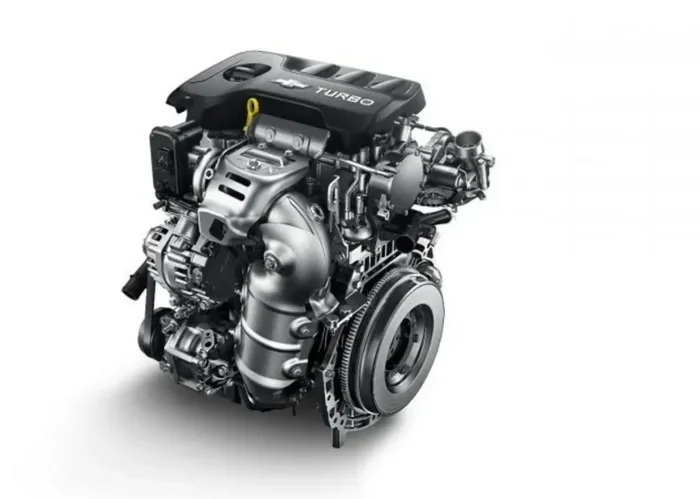
Cars made before 2000 often struggled to reach 100,000 miles. Today, hitting that mark is considered normal. Engineers have made huge strides in engine life expectancy and overall build quality. Better lubricants, improved fuel injection systems, and stronger materials all play a role.
Electronic diagnostics have also changed the game. Cars today can alert you to problems before they become serious. This means preventive maintenance is easier than ever. You do not have to wait for something to break. Your car tells you when something needs attention.
What Factors Affect How Long Cars Stay in Service?
Not all cars age the same way. Some vehicles roll past 200,000 miles while others start falling apart at 80,000. Understanding what drives vehicle longevity helps you make better choices as an owner.
Maintenance Habits
This is the single biggest factor. Cars that receive regular oil changes, fluid top-ups, and belt replacements last far longer. Skipping routine car checkups is the fastest way to shorten your car’s lifespan. Here is what consistent maintenance looks like:
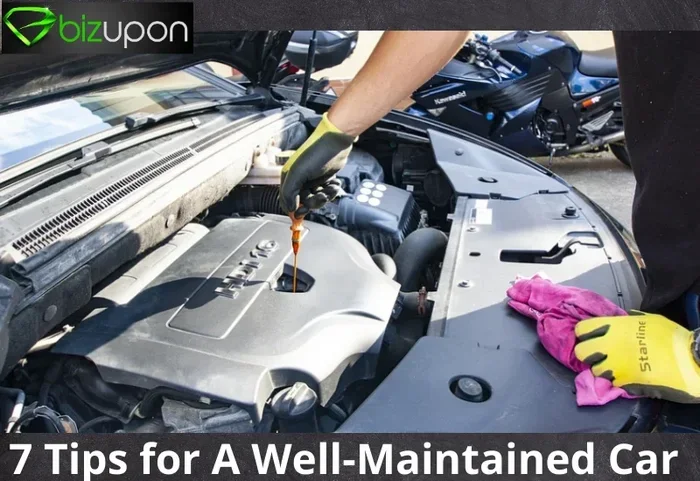
- Oil changes: Every 5,000 to 7,500 miles for conventional oil, or 10,000 miles for synthetic.
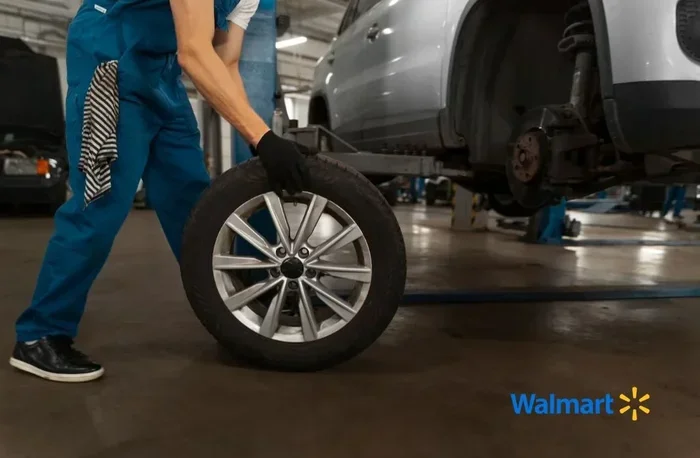
- Tire rotations: Every 5,000 to 7,500 miles to ensure even wear.
- Brake inspections: Every 12,000 miles or so, depending on driving style.
- Transmission service: Every 60,000 to 100,000 miles, depending on the vehicle.
- Coolant flush: Every 30,000 to 50,000 miles to prevent overheating.
Think of maintenance like brushing your teeth. Skip it for a while, and problems pile up fast. Stay on top of it, and your car rewards you with years of reliable service.
Driving Habits
How you drive affects your car more than you might think. Aggressive acceleration, hard braking, and speeding all put extra stress on engine components. Gentle driving extends the life of your transmission, brakes, and engine.
Short trips are another hidden killer. When you only drive a few miles, your engine does not fully warm up. This causes moisture to build up inside the engine oil, leading to faster wear. If you mostly take short trips, consider combining errands into longer drives when possible.
Climate and Environment
Where you live matters. Cars in hot, humid climates face more rust and corrosion. Extreme heat breaks down fluids faster and stresses cooling systems. Cold climates cause metal components to contract, which can lead to cracks and wear over time.
Salt on roads in winter states is especially tough on undercarriages. If you live in a coastal area, salt air accelerates rust formation. Washing your car regularly, especially the undercarriage, helps counter these effects.
Vehicle Quality and Brand
Some cars are simply built to last. Brands like Toyota, Honda, and Mazda have strong reputations for vehicle reliability. Their engines and transmissions are designed with longevity in mind. That does not mean other brands cannot last long, but they may require more attentive care.
When shopping for a car with longevity in mind, look for models with proven track records. Consumer reports and long-term ownership reviews are great resources. Car reliability ratings from trusted sources can guide your decision.
Common Car Aging Signs You Should Not Ignore
Every car shows signs of aging eventually. Recognizing these early gives you a chance to address problems before they become expensive repairs. Here are the most common car aging signs to watch for.
Engine Noise and Performance Drops
Unusual sounds from the engine bay are never a good sign. Knocking, ticking, or grinding noises often point to worn internal components. If your engine starts losing power or hesitating during acceleration, it is time for a checkup.
These issues often start small. A slight knock today can become a major engine problem tomorrow if ignored. Catching it early through car diagnostics can save you thousands.
Transmission Slipping
If your transmission hesitates when shifting gears or slips in and out of gear, the transmission is aging. This is one of the most expensive repairs a car can need. Regular transmission service helps prevent this issue from developing too early.
Rust and Corrosion
Surface rust is common and usually cosmetic. But deep rust, especially on structural parts like the frame or wheel wells, is a serious concern. Rust weakens the car’s integrity and can compromise safety. If you notice rust spreading, have a professional inspect it right away.
Electrical Gremlins
Older cars often develop electrical issues. flickering lights, slow power windows, or a battery that dies frequently all point to aging wiring. Electrical problems tend to multiply as the car gets older. Addressing them early prevents cascading failures.
How to Extend Your Car’s Service Life
Want your car to outlive the average lifespan? It is absolutely possible with the right approach. Here are proven strategies to extend your car ownership duration and keep your vehicle running strong.
Follow the Manufacturer’s Service Schedule
Your car’s owner manual contains a detailed service schedule. It tells you exactly when to change fluids, replace filters, and inspect components. Following this schedule is the single best thing you can do for your car’s longevity.
Do not skip services just because your car looks fine from the outside. Many critical maintenance tasks address hidden wear that you cannot see. Internal components degrade over time, and only regular service catches these issues early.
Use Quality Parts and Fluids
Cheap parts and low-quality fluids might save you a few dollars now, but they cost more in the long run. Using genuine or OEM-equivalent parts ensures compatibility and durability. The same goes for engine oil, transmission fluid, and coolant.
Premium synthetic oils, for example, protect engines better than conventional options. They last longer and reduce internal friction. This small investment pays dividends in engine health over thousands of miles.
Keep Your Car Clean Inside and Out
This might sound surprising, but cleanliness directly affects car longevity. Regular washing removes salt, dirt, and chemicals that cause rust. Waxing protects the paint and prevents corrosion from setting in.
Inside the car, keeping surfaces clean prevents wear on upholstery and electronics. Spills left untreated can damage wiring and sensors over time. A clean car is a well-cared-for car, and well-cared-for cars last longer.
Store Your Car Properly
If you have a car that sits idle for long periods, storage matters. Batteries drain when cars are not driven regularly. Tires develop flat spots. Fluids settle and lose their protective properties.
If you must store a car for an extended period, use a quality cover, keep the battery on a trickle charger, and drive the car at least once a week for 15 to 20 minutes. This keeps all systems lubricated and functioning properly.
When Should You Consider Replacing Your Car?
Even with the best care, every car reaches a point where continued service is no longer practical. Knowing when to replace your vehicle saves you from sinking money into a depreciating asset. Here are clear signs that it might be time to move on.
Repair Costs Exceed the Car’s Value
This is the most common reason owners replace their cars. When a major repair like a new engine or transmission costs more than the car is worth, it makes financial sense to move on. A good rule of thumb is the 50 percent rule. If a repair costs more than half the car’s current value, consider replacing it.
Safety Concerns
Older cars may lack modern safety features like automatic emergency braking, blind-spot monitoring, and structural reinforcements. If your car has been in a serious accident or has structural damage, safety should be your top priority. No car is worth risking your life over.
Emissions and Inspection Failures
Many regions require cars to pass emissions tests. Older vehicles often fail these tests due to worn catalytic converters, engine misfires, or outdated fuel systems. If your car repeatedly fails inspections and the fixes are costly, replacement might be the smarter choice.
Your Needs Have Changed
Sometimes the car is fine mechanically, but it no longer fits your lifestyle. A growing family might need a larger vehicle. A longer commute might call for better fuel efficiency. This is where car depreciation works in your favor. Your older car still holds value as a trade-in or sale, even if it is aging.
Expert Tips for Maximizing Vehicle Longevity
We asked seasoned mechanics and car experts for their top tips on extending car life. Here is what they had to say.
Tip 1: Do Not Ignore Small Problems
Small issues become big problems fast. A minor coolant leak today can lead to engine overheating tomorrow. Address small concerns immediately. The cost of a minor repair is always less than the cost of a major one.
Tip 2: Keep Detailed Service Records
A service log helps you track what has been done and what is coming up. It also adds value if you decide to sell the car. Buyers trust vehicles with documented maintenance histories. These cars sell faster and often at higher prices.
Tip 3: Warm Up Your Car Gently
In cold weather, let your car idle for 30 seconds to a minute before driving. Then, drive gently for the first few miles. This allows the oil to circulate fully and the engine to reach optimal operating temperature. Avoid racing the engine when it is cold.
Tip 4: Listen to Your Car
You know your car better than anyone. If something sounds different, feels different, or smells different, get it checked. Your instincts are often right. Trust them and act quickly.
For those who want to learn more about basic car care, doing your own car diagnostics can be a great starting point. Understanding your vehicle’s signals helps you catch problems early and communicate better with mechanics.
How Does Car Weight and Load Affect Service Life?
Carrying too much weight puts extra strain on your engine, brakes, suspension, and tires. Over time, this accelerated wear shortens your car’s service life. If you frequently haul heavy loads, your vehicle needs more frequent maintenance intervals.
For practical guidance on how much weight your car can safely handle, check out our article on how much weight you can put in your car. Staying within your vehicle’s recommended limits protects both your car and your safety.
Similarly, using the right fuel grade matters for long-term engine health. Using the wrong octane can cause knocking and internal damage over time. Learn more about fuel choices in our guide on whether you can put 88 octane in your car. These small decisions add up to big differences in how long your car stays in service.
Conclusion
The answer to how long do cars stay in service depends largely on you, the owner. With proper maintenance, smart driving habits, and attention to warning signs, most cars can easily reach 15 to 20 years of service. The key is consistency. Show up for every scheduled service, address small issues promptly, and treat your car with care.
Your vehicle is a significant investment. Protecting that investment through proactive car maintenance pays off in reliability, safety, and resale value. Start today with a simple checklist of upcoming services. Your future self will thank you when your car keeps running strong well past the average lifespan.
Remember, every mile you drive is a choice. Choose to maintain, choose to care, and your car will reward you with years of dependable service. The road ahead is long, and with the right approach, your car is ready to walk it with you.
Frequently Asked Questions
How many miles should a car last before needing major repairs?
Most cars start needing significant repairs after 150,000 to 200,000 miles. However, this varies by brand, model, and maintenance history. Regular car maintenance can push major repair milestones much further. Some well-cared-for vehicles go past 300,000 miles with only minor issues along the way.
Is it worth maintaining a car past 10 years old?
Absolutely. A 10-year-old car with good maintenance history is often more reliable than a newer car that was neglected. The key is consistent preventive maintenance and addressing small issues before they grow. As long as repair costs remain reasonable, keeping an older car is financially smart.
What car brands last the longest?
Toyota, Honda, and Mazda consistently rank at the top for vehicle reliability and longevity. Brands like Chevrolet and Ford also produce long-lasting models, especially their trucks and SUVs. When choosing for longevity, look for models with proven track records and strong consumer reviews.
Does synthetic oil really help cars last longer?
Yes, synthetic oil provides better protection than conventional oil. It flows more smoothly at low temperatures and resists breakdown at high temperatures. This reduces engine wear over time. Many mechanics recommend synthetic oil for anyone looking to maximize engine life expectancy.
Can driving habits really affect how long my car stays in service?
Driving habits have a huge impact on car longevity. Aggressive driving, frequent hard braking, and rapid acceleration all stress engine and transmission components. Gentle, steady driving reduces wear on brakes, tires, and internal engine parts. Over hundreds of thousands of miles, the difference is significant.
What is the best way to track my car’s maintenance schedule?
The best approach is to keep a digital or physical log of all services. Note the date, mileage, and type of service performed. Many modern cars also have built-in maintenance reminders. You can also use apps or spreadsheets to stay organized. Consistent tracking ensures nothing gets missed and your car maintenance schedule stays on track.