Can You Put Chains on a Subaru Forester Heres the Answer
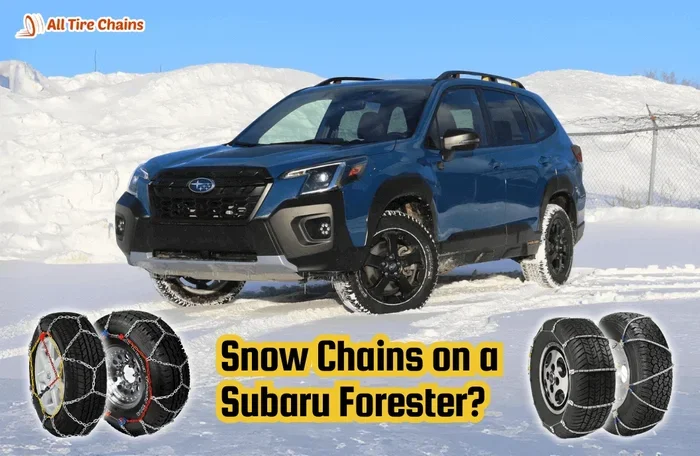
Can you put chains on a Subaru Forester? Yes, you can. The Subaru Forester has enough ground clearance and tire compatibility to work with most snow chains. Whether you need chains for deep snow, icy roads, or mountain passes, this guide covers everything you need to know about winter traction for your Forester.
Winter driving can be stressful. Snow, ice, and slush make every trip on the road feel uncertain. If you own a Subaru Forester, you might be wondering whether tire chains are a good option for your vehicle. The short answer is yes. You can put chains on a Subaru Forester. But the full story is a bit more detailed, and it is worth understanding before you buy anything.
The Subaru Forester is a compact SUV known for its reliable all-wheel drive system and decent ground clearance. These features make it a solid choice for winter driving. However, even the best AWD system has limits. When the snow gets deep or the roads become icy, tire chains add extra grip and confidence. In this article, we will walk you through everything you need to know about putting chains on your Forester. We will cover compatibility, installation, safety tips, and more.
Whether you live in a snowy mountain town or just want to be prepared for a winter road trip, this guide has you covered. Let us dive in and make sure your Forester is ready for whatever winter throws at it.
Key Takeaways
- The Subaru Forester can accept tire chains: Its ground clearance and standard tire sizes make it compatible with most snow chains.
- Fit matters: Always check your specific model year and tire size before buying chains to ensure a proper fit.
- Installation is straightforward: You can install chains yourself with basic tools and a little patience.
- Drive safely with chains: Follow speed limits and road conditions to avoid damaging your vehicle or the chains.
- Consider alternatives: Snow tires and all-weather tires may be better options depending on where you live.
- Weight and load matter: Adding chains increases your vehicle weight, so be mindful of your car’s total load capacity.
- Know the laws: Some regions require chains during winter months, so check local regulations before heading out.
📑 Table of Contents
Understanding Tire Chains and the Subaru Forester
Before you rush out to buy a set of chains, it helps to understand what they do and how they work with your vehicle. Tire chains wrap around your tires to create extra traction on snow and ice. They bite into the surface, giving your tires something to grip. This is especially useful when your all-wheel drive system alone is not enough.
The Subaru Forester comes standard with all-wheel drive. This system sends power to all four wheels, which helps a lot in slippery conditions. But AWD helps with acceleration. It does not help as much with stopping or turning on ice. Chains fill that gap. They give you better grip in every direction, which makes your Forester much safer in deep snow.
Ground Clearance Matters
One of the reasons the Forester works well with chains is its ground clearance. The Forester sits higher off the ground than many compact SUVs. This extra space means chains are less likely to rub against the body or suspension. Most Forester models have around 8.7 inches of ground clearance, which is plenty for standard snow chains.
However, you still need to check the specific chain model you buy. Some chains are bulkier than others. If you have aftermarket wheels or larger tires, the fit might be different. Always measure your tire size and compare it to the chain manufacturer’s recommendations. This simple step saves a lot of headaches later.
Tire Size and Compatibility
The Subaru Forester uses a range of tire sizes depending on the model year and trim level. Common sizes include 225/55R17, 225/60R16, and 225/50R18. When shopping for chains, you need to match the chain size to your tire size exactly. Most chain brands list compatible tire sizes on their packaging or product page.
Here are a few tips to keep in mind:
- Check your owner’s manual: It lists your exact tire size and any manufacturer recommendations for chains.
- Measure your tires: Tire sizes can vary slightly from the listed size, especially if you have different brand tires.
- Look for adjustable chains: These work with a wider range of tire sizes and are easier to fine-tune.
- Avoid automatic chains if possible: Some automatic chain systems may not fit the Forester’s suspension setup properly.
Types of Chains That Work With the Forester
Not all tire chains are the same. There are several types available, and each has its own pros and cons. Let us look at the most common options for the Subaru Forester.
Cable Chains
Cable chains use steel cables instead of cross chains. They are lighter and quieter than traditional chains. They also tend to be easier to install. Cable chains work well for light to moderate snow conditions. They are a popular choice for Forester owners who do not face extreme winter weather regularly.
The trade-off is that cable chains wear out faster on rough roads. They also provide slightly less traction than traditional link chains in very deep snow. But for most winter driving situations, they work great.
Link Chain (Standard Diamond Pattern)
Traditional link chains are the most durable option. They use interconnected metal links in a diamond or ladder pattern. These chains offer the best traction in heavy snow and ice. They are also the most affordable option in most cases.
The downside is that they are heavier and louder. They can also be harder to install if you have never done it before. But once you get the hang of it, it becomes second nature. For the Forester, standard diamond link chains are a reliable choice for serious winter driving.
Self-Tensioning Chains
Self-tensioning chains use a built-in tensioner that keeps the chain tight as you drive. This eliminates the need to stop and tighten them manually. They are convenient and reduce the risk of chains coming loose while driving.
These chains tend to cost more than standard options. But the convenience factor is real, especially if you live in an area where you need chains frequently. Just make sure the self-tensioning model fits the Forester’s tire size and suspension setup.
Comparison Table
| Chain Type | Best For | Ease of Install | Durability | Price Range |
|---|---|---|---|---|
| Cable Chains | Light to moderate snow | Easy | Moderate | Budget-friendly |
| Link Chain (Standard) | Heavy snow and ice | Moderate | High | Affordable |
| Self-Tensioning | Frequent chain use | Very Easy | High | Premium |
How to Install Chains on a Subaru Forester
Installing chains on your Forester is a skill every winter driver should have. The process is simpler than most people think. With a little practice, you can do it in under 15 minutes. Here is a step-by-step guide to help you through it.
Step-by-Step Installation
- Park on a flat, stable surface. Avoid soft ground or slopes. Turn off the engine and engage the parking brake.
- Take the chains out of the package. Lay them out flat and untangle any knots. This makes the installation process much smoother.
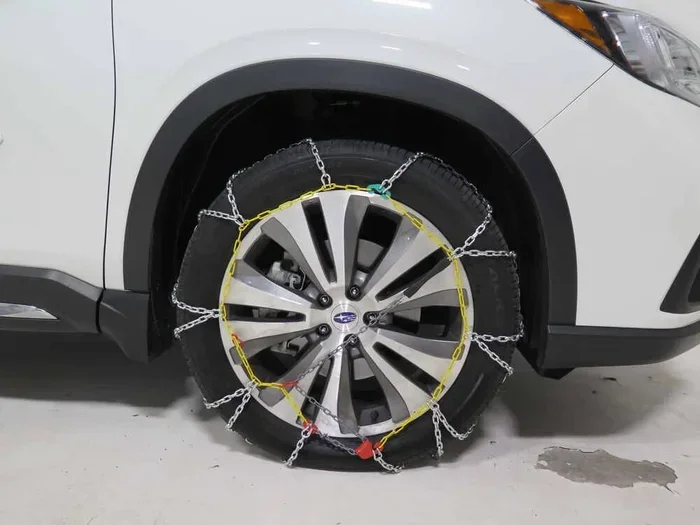
- Drape the chain over the tire. Make sure the hooks face outward and the connector piece sits at the top of the tire.
- Drive forward slowly. Move the car forward just a few feet. This helps the chain settle onto the tire more evenly.
- Connect the inner hooks. Reach inside and hook the inner connectors to the tire. Make sure they are secure.
- Tighten the tensioners. Use the ratchet or tensioning straps to pull the chain tight against the tire. There should be no slack.
- Drive a short distance and recheck. Stop after driving about 100 feet. Check the tension again and adjust if needed.
Quick Tips for Easy Installation
- Practice at home first. Install your chains in your driveway before you actually need them on the road. This builds confidence and saves time in an emergency.
- Wear gloves. Chains are cold and sharp. A good pair of winter gloves protects your hands.
- Keep a flashlight in your trunk. If you need to install chains at night or in low visibility, a flashlight makes a big difference.
- Lay a tarp under your car. This keeps the ground from getting your clothes dirty and makes it easier to see the tire.
If you have ever installed other car accessories like splash guards, you will find chain installation to be a similar hands-on process. It is a straightforward DIY task that anyone can learn. Just take your time and follow the instructions that come with your specific chain model.
Safety Tips for Driving With Chains
Chains improve traction, but they also come with safety considerations. Driving with chains changes how your car handles on the road. Here are the most important safety tips to keep in mind.
Speed Limits and Driving Habits
Most experts recommend driving no faster than 30 miles per hour when chains are installed. Chains can damage your tires and the road surface if you drive too fast. They also make your steering feel heavier, so take turns slowly and brake gently.
Avoid sudden movements. Smooth, gradual inputs to the steering, gas, and brake pedals keep your Forester stable when the chains are on. If you feel the chains starting to bounce or rattle, pull over safely and check the tension.
When to Remove Chains
Chains are not meant for long-term use on clear roads. Once the road surface is clear of snow and ice, remove the chains. Driving chains on dry pavement wears them out quickly and can damage your tires. It also makes a terrible noise and reduces fuel efficiency.
Some areas have chain laws that require you to remove chains when roads are clear. Always check local regulations before you travel. Knowing when to put chains on and when to take them off keeps you safe and avoids fines.
Weight Considerations
Adding chains to your Forester increases the total weight of your vehicle. While the added weight is not extreme, it is worth considering if you are already carrying a heavy load. If you are unsure about your vehicle’s weight limits, you can check how much weight your car can safely handle overall. Chains typically add between 50 and 100 pounds depending on the type and number of chains.
Alternatives to Tire Chains
Chains are not the only way to improve winter traction. Depending on your driving needs, there might be better alternatives. Let us look at a few options.
Snow Tires
Snow tires are designed specifically for cold weather and winter road conditions. They use a softer rubber compound that stays flexible in low temperatures. The tread pattern is optimized for gripping snow and channeling water away from the tire surface.
For many Forester owners, snow tires are a better daily-driver option than chains. They provide excellent traction without the hassle of installation and removal. If you live in an area with regular winter weather, investing in a set of snow tires is a smart move.
All-Weather Tires
All-weather tires are a compromise between all-season and snow tires. They are rated for winter driving and can handle light to moderate snow. They do not provide the same level of grip as dedicated snow tires or chains in extreme conditions, but they are convenient because you do not need to swap them seasonally.
Winter Driving Accessories
Beyond chains and tires, there are other accessories that improve winter safety. Traction mats can help you get unstuck in snow. Winter windshield fluid prevents freezing. And keeping your gas tank at least half full ensures you do not run into fuel line issues in cold weather.
Speaking of accessories, if you have ever wondered about other car modifications and whether you can handle them yourself, you might be interested in learning more about DIY car upgrades. Many of the same principles apply when you are working on your vehicle in winter conditions.
Legal Requirements and Chain Laws
Chain laws vary by state, province, and even by specific road or mountain pass. Some areas require chains during certain months or under certain conditions. Others ban chains on clear roads to protect the pavement.
Before you head into the mountains or drive through a snowy pass, check the local chain requirements. You can usually find this information on state transportation department websites or by calling the local highway patrol. Carrying chains when they are not required will not hurt you, but driving without them when they are required can result in fines or being turned back at a checkpoint.
Some regions also have restrictions on chain types. For example, certain areas may require chains with specific link patterns or require that they not damage the road surface. Always research the rules for your destination before you travel.
Common Mistakes to Avoid
Even experienced drivers make mistakes when it comes to chains. Here are the most common ones to watch out for:
- Buying the wrong size: Chains that are too loose or too tight can damage your tires or fall off while driving. Always match the chain to your exact tire size.
- Driving too fast with chains: This is one of the most dangerous mistakes. Chains at high speeds can cause loss of control and serious damage.
- Forgetting to tighten chains after initial driving: Chains stretch and settle as you drive. Always recheck tension after the first 100 feet.
- Leaving chains on too long: Chains are for temporary use only. Leaving them on dry roads ruins both the chains and your tires.
- Not practicing installation beforehand: Trying to install chains for the first time in a snowstorm is a bad experience. Practice at home in good conditions.
- Ignoring your AWD system: Chains work best when combined with your Forester’s all-wheel drive. Do not rely on chains alone if your AWD system is not functioning properly.
Final Thoughts
So, can you put chains on a Subaru Forester? Absolutely. The Forester’s ground clearance, all-wheel drive system, and standard tire sizes make it a great candidate for winter chain use. Whether you choose cable chains, link chains, or self-tensioning models, the key is to find the right fit for your specific tire size and driving needs.
Installing chains is a straightforward process that anyone can learn with a little practice. And once you have them on, you will feel much more confident driving in snow and ice. Just remember to follow the safety guidelines, respect speed limits, and remove the chains when the roads clear.
Winter driving does not have to be scary. With the right equipment and a little preparation, your Subaru Forester can handle whatever the season throws at you. Stay safe, stay prepared, and enjoy the drive.
Frequently Asked Questions
What size chains do I need for a Subaru Forester?
Check your owner’s manual for the exact tire size. Most Forester models use tires in the range of 225/55R17 or 225/60R16. Buy chains that match your specific tire size exactly for the best fit and safest performance.
Can I drive on highways with chains installed on my Forester?
Yes, but keep your speed under 30 miles per hour. Chains are safe for highway use when driven at low speeds on snowy or icy roads. Remove them as soon as you reach clear pavement to avoid tire and road damage.
Are snow tires better than chains for a Subaru Forester?
Snow tires are generally better for daily winter driving because they are more convenient and provide consistent performance. Chains are better for extreme conditions, deep snow, and mountain passes where maximum traction is needed temporarily.
How long does it take to install chains on a Subaru Forester?
With practice, most people can install chains in 10 to 15 minutes. Your first time might take longer, especially if you are doing it in cold or low-visibility conditions. Practicing at home beforehand makes a big difference.
Do I need chains if my Forester has all-wheel drive?
AWD helps with acceleration but does not improve braking or cornering on ice. Chains add traction in all directions, making them a valuable safety addition even for AWD vehicles like the Forester, especially in heavy snow or steep mountain roads.
Can I put chains on all four tires of my Forester?
Yes, you should always install chains on all four tires for balanced traction and stability. Putting chains on only two tires can cause handling problems, especially when turning or braking on slippery surfaces.
=== CONCLUSION ===
The Subaru Forester is a capable winter vehicle, and adding chains to it only makes it more versatile. Can you put chains on a Subaru Forester? Yes, and now you know exactly how to do it right. From choosing the right chain type to installing them safely and understanding the legal requirements, this guide covers everything you need to get through the winter season with confidence.
Take the time to prepare your vehicle before winter hits. Practice installing your chains at home, check your tire size, and keep a set in your trunk if you live in or travel through snowy areas. A little preparation goes a long way toward safe and stress-free winter driving in your Forester.