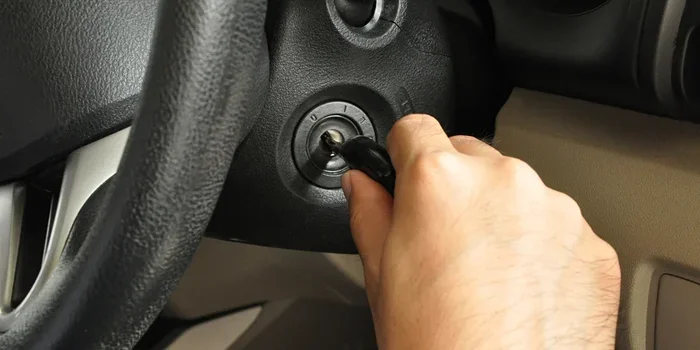
Can a Dead Car Battery Cause the Key Not to Turn at All
A dead car battery can absolutely prevent your key from turning in the ignition. When the battery loses power, the electrical system fails, the steering wheel lock engages, and the ignition switch cannot receive the signal it needs. Understanding this connection helps you diagnose the problem faster and avoid unnecessary repairs. This guide covers every reason a dead battery affects your key, along with proven solutions to get you back on the road.
Have you ever slid into your driver seat, inserted the key, and tried to turn it — only to feel nothing? No click. No engine rumble. Just silence. That moment can be frustrating, especially when you are running late or stuck in a parking lot. One of the most common reasons this happens is a dead car battery. But can a dead car battery actually cause the key not to turn? The short answer is yes. And there are several reasons why this connection exists.
Your car relies on electrical power for almost everything. The ignition system, the starter motor, the dashboard lights, and even the power steering all depend on a healthy battery. When the battery dies, the entire electrical chain breaks down. This means your key might physically turn but the engine will not start. Or in some cases, the key will not turn at all because the steering wheel lock engages. Understanding how this works can save you time, money, and a lot of stress.
In this article, we will walk through every reason a dead battery stops your key from turning. We will also share practical fixes, quick tips, and expert advice so you can handle this situation like a pro. Whether you drive a sedan, SUV, or truck, the information here applies to you.
Key Takeaways
- Dead batteries block ignition signals: Without enough voltage, the ignition switch cannot engage the starter motor.
- Steering wheel lock is a common culprit: A dead battery often triggers the lock, making the key impossible to turn.
- Jump starting is the fastest fix: A jump start can restore power and let you turn the key again within minutes.
- Corroded terminals make the problem worse: Even a partially charged battery may fail if the connections are dirty or damaged.
- Key fob batteries matter too: Push-button start vehicles rely on a separate fob battery that can also die.
- Regular maintenance prevents this issue: Simple checks and timely replacements keep your battery and ignition working smoothly.
📑 Table of Contents
- How Your Car Battery and Ignition System Work Together
- Common Reasons a Dead Battery Prevents Key Turn
- How to Diagnose If Your Battery Is the Problem
- Quick Fixes When Your Key Will Not Turn
- Prevention Tips to Avoid Battery-Related Key Problems
- When to Seek Professional Help
- Common Mistakes People Make With a Dead Battery and Stuck Key
- How Weather Affects Your Battery and Key Operation
- Key Takeaways
- Final Thoughts
How Your Car Battery and Ignition System Work Together
To understand why a dead battery stops the key from turning, you need to know how the ignition system works. It is simpler than most people think. When you insert the key and turn it, you are completing an electrical circuit. That circuit sends power from the battery to the starter motor. The starter motor then cranks the engine. Without enough battery power, this whole process stops.
The Role of the Ignition Switch
The ignition switch is the bridge between your key and the car’s electrical system. When you turn the key to the “ON” or “START” position, the switch sends a signal. That signal tells the battery to send power to the starter. If the battery is dead, the switch still moves, but no power flows. The result? The engine stays silent. You might hear a faint click or nothing at all.
Why Voltage Matters for Key Turn
Car batteries need at least 12.4 volts to function properly. When the voltage drops below 12 volts, the electrical system starts to struggle. At around 11.5 volts or lower, the ignition system may not get enough power to engage. This is why a dead car battery directly affects your ability to turn the key. The battery voltage is the fuel that powers the entire ignition process.
Here is a quick look at what happens at different voltage levels:
- 12.6 volts: Full charge. The key turns easily and the engine starts without issues.
- 12.2 volts: 75% charged. The car may start slowly or with a weak crank.
- 11.8 volts: 50% charged. The key may not turn or the engine will barely crank.
- 11.0 volts or below: Nearly dead. The key will not turn and the electrical systems shut down.
Common Reasons a Dead Battery Prevents Key Turn
Not every dead battery causes the same problem. Several factors determine how badly the battery affects your key. Let us break down the most common reasons.
Steering Wheel Lock Engagement
This is the number one reason people cannot turn their key. When the battery dies, the power steering system loses pressure. In response, the steering column locks automatically. This lock is a security feature, but it also prevents the ignition key from turning. The key physically cannot rotate when the steering wheel is locked in place.
You can fix this by gently wiggling the steering wheel left and right while trying to turn the key. This releases the lock and allows the key to move freely. It works every time, and it does not require any tools.
Faulty Starter Motor
The starter motor needs a strong electrical current from the battery to work. A dead battery sends little to no current. Without that current, the starter motor cannot engage. You might turn the key and hear a single click or nothing at all. In this case, the problem is not the key or the ignition switch. It is the starter motor waiting for power it is not receiving.
Corroded Battery Terminals
Sometimes the battery is not completely dead but the terminals are corroded. Corrosion builds up over time and blocks the flow of electricity. Even if the battery has some charge, corroded terminals can stop the power from reaching the ignition system. The key turns but the engine does not start. This is a very common issue in humid climates and coastal areas.
If you notice a white or greenish powder around your battery terminals, that is corrosion. You can clean it with a mixture of baking soda and water. Use an old toothbrush to scrub the terminals gently. Then rinse with a little water and dry with a cloth. This simple step can restore the connection and let your key turn normally.
Key Fob Battery Failure in Push-Button Start Vehicles
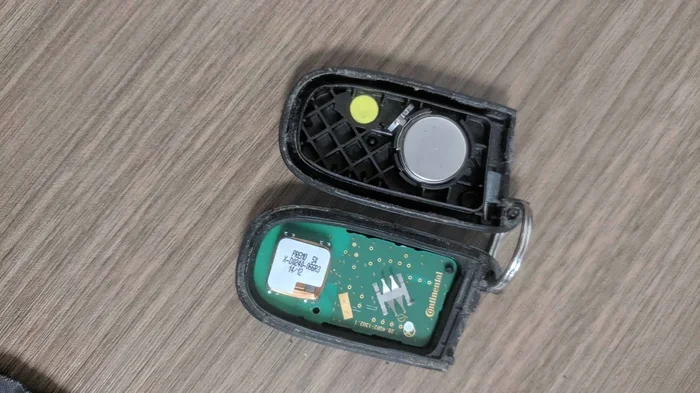
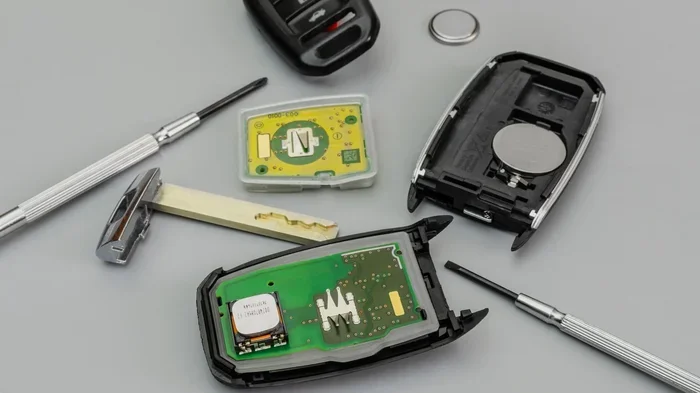
Modern cars with push button start use a smart key or key fob. These fobs have their own small battery inside. When the fob battery dies, the car does not recognize the key. The engine will not start even if the main car battery is fully charged. This is different from a traditional key ignition, but the result feels the same. The key does not work and the car will not turn on.
Most cars have a backup slot for the key fob. Look near the steering column or the center console. Place the fob in that slot and press the start button. This bypasses the dead fob battery and lets you start the car temporarily.
How to Diagnose If Your Battery Is the Problem
Figuring out whether the battery is causing your key not to turn takes a little detective work. You do not need to be a mechanic. With a few simple checks, you can pinpoint the problem yourself. If you want to learn more about diagnosing car issues on your own, check out our guide on Can I Do My Own Car Diagnostics for helpful tips.
Step 1: Check the Dashboard Lights
Turn the key to the “ON” position without starting the engine. Do the dashboard lights come on? If they are dim or completely off, your battery is likely dead. A healthy battery will power the dashboard fully even when the engine is off.
Step 2: Listen for Clicks
Turn the key to the “START” position. Do you hear a single click or rapid clicking? A single click usually means the starter is trying to engage but the battery cannot supply enough power. Rapid clicking means the battery has almost no charge left.
Step 3: Test the Battery Voltage
Use a multimeter to check the battery voltage. Touch the red probe to the positive terminal and the black probe to the negative terminal. A reading below 12.2 volts means the battery is weak. Below 11.5 volts means it is effectively dead. This test takes about 30 seconds and gives you a clear answer.
Step 4: Inspect the Terminals
Look at the battery terminals closely. Are they covered in white, blue, or greenish buildup? That is corrosion and it can block electrical flow. Clean terminals often solve the key-turning problem without replacing the battery.
Quick Fixes When Your Key Will Not Turn
When you are standing in your driveway or a parking lot and the key will not turn, you need fast solutions. Here are the most effective quick fixes.
Try the Steering Wheel Wiggle
As mentioned earlier, the steering wheel lock is often the real problem. Grip the steering wheel firmly and wiggle it left and right. At the same time, try turning the key. This releases the lock and the key should turn freely. It sounds too simple, but it works in most cases.
Give the Key a Gentle Tap
Sometimes the ignition switch gets stuck. Insert the key and gently tap the handle with the palm of your hand. Do not hit it hard. A light tap can free up a stuck switch and allow the key to turn. This trick works especially well in older cars with mechanical ignition switches.
Jump Start the Car
A jump start is the most reliable way to restore power to a dead battery. You need jumper cables and another vehicle or a portable jump starter. Connect the cables in the correct order: positive to positive, negative to a metal ground on the car. Start the working vehicle first, then try starting yours. Once the engine is running, the alternator will recharge the battery.
After a jump start, let the engine run for at least 15 minutes. This gives the battery time to recover. If the battery is old or damaged, it may not hold the charge. In that case, you will need a replace car battery solution.
Use a 12V Car Charger Socket
If you do not have access to another vehicle, a 12V car charger socket with a built-in battery maintainer can help slowly restore charge. Plug it into the cigarette lighter socket and let it charge the battery for a few hours. This is a great option if your car is parked for an extended period and the battery has drained.
Prevention Tips to Avoid Battery-Related Key Problems
The best way to deal with a dead battery is to prevent it from happening in the first place. A few simple habits can keep your battery healthy and your key turning smoothly every time.
- Turn off all lights and accessories before shutting off the engine. Headlights, interior lights, and the radio drain the battery when left on overnight.
- Drive your car regularly. A car that sits unused for weeks will lose charge. If you do not drive often, take it for a short spin at least once a week.
- Get the battery tested every six months. Most auto parts stores offer free battery testing. This catches weak batteries before they die completely.
- Clean the terminals twice a year. A quick cleaning prevents corrosion buildup and keeps the electrical connection strong.
- Replace the battery every 3 to 5 years. Even with good care, car batteries have a limited lifespan. Replace yours before it fails unexpectedly.
- Keep a portable jump starter in your trunk. This is a lifesaver during road trips or cold mornings when the battery refuses to cooperate.
What to Do If the Battery Keeps Dying
If your battery dies repeatedly, there is an underlying cause. It could be a faulty alternator, a parasitic drain, or a short circuit in the electrical system. The alternator charges the battery while you drive. If it fails, the battery will drain no matter how often you drive. In this situation, you should have a mechanic inspect the entire electrical system.
Also, check if you have any accessories plugged into the car that draw power even when the engine is off. Phone chargers, dash cams, and GPS units can slowly drain the battery over time. Unplug them when the car is not in use to extend battery life.
When to Seek Professional Help
Most battery-related key problems are easy to fix at home. But some situations require a professional touch. If you have tried jump starting the car, cleaning the terminals, and wiggling the steering wheel, and the key still will not turn, it is time to call a mechanic. The ignition switch itself may be faulty and need replacement. The steering column lock mechanism could be damaged. Or there may be a deeper electrical issue that requires diagnostic equipment.
If you are also dealing with other car problems alongside the battery issue, learning basic vehicle maintenance skills can save you a lot of money. Regular oil changes, tire rotations, and fluid checks keep your car running smoothly and prevent small problems from becoming big ones.
Sometimes the battery is not the real problem at all. A worn-out ignition cylinder, a broken key, or a faulty relay can all mimic battery symptoms. A professional mechanic can test each component and find the exact cause. This is especially important if your car is relatively new and the battery is less than a year old.
Common Mistakes People Make With a Dead Battery and Stuck Key
When panic sets in, people make mistakes that make the problem worse. Here are the most common ones to avoid.
- Forcing the key: If the key does not turn, do not force it. You risk breaking the key inside the ignition. A broken key is much harder to remove and requires professional extraction.
- Ignoring the steering wheel lock: Many people try to turn the key harder when the real problem is a locked steering column. Always wiggle the wheel first.
- Assuming the battery is dead without testing: Other issues like a faulty ignition switch or a bad starter can feel identical to a dead battery. Test before you replace.
- Using the wrong jumper cable order: Connecting cables incorrectly can damage the electrical system. Always follow the correct positive-to-positive, negative-to-ground order.
- Driving on a weak battery: If the car starts but the battery is weak, get it recharged or replaced soon. A weak battery can leave you stranded again within days.
How Weather Affects Your Battery and Key Operation
Weather plays a bigger role in battery health than most people realize. Cold temperatures slow down the chemical reactions inside the battery. At 32 degrees Fahrenheit, a battery loses about 35% of its strength. At 0 degrees, it can lose up to 60%. This is why dead batteries are most common in winter. The cold reduces the voltage output, and the engine needs more power to start in cold conditions. The combination makes it very hard to turn the key and start the car.
Hot weather is also damaging. Extreme heat causes the battery fluid to evaporate faster. This leads to corrosion and internal damage. Over time, heat weakens the battery even when you do not notice any symptoms. Parking in a garage or shaded area helps protect the battery from both extreme cold and extreme heat.
If you live in an area with harsh winters, consider using a battery blanket or a battery warmer. These devices wrap around the battery and keep it warm during freezing nights. They are inexpensive and can prevent the frustrating experience of a key that will not turn on a cold morning.
Key Takeaways
- Dead batteries block ignition signals: Without enough voltage, the ignition switch cannot engage the starter motor.
- Steering wheel lock is a common culprit: A dead battery often triggers the lock, making the key impossible to turn.
- Jump starting is the fastest fix: A jump start can restore power and let you turn the key again within minutes.
- Corroded terminals make the problem worse: Even a partially charged battery may fail if the connections are dirty or damaged.
- Key fob batteries matter too: Push-button start vehicles rely on a separate fob battery that can also die.
- Regular maintenance prevents this issue: Simple checks and timely replacements keep your battery and ignition working smoothly.
Final Thoughts
A dead car battery can definitely cause the key not to turn, and now you know exactly why. The connection between your battery and the ignition system is direct and essential. Without power, the electrical circuit cannot complete, the steering lock engages, and the starter motor stays silent. But the good news is that this problem is almost always fixable. A jump start, a terminal cleaning, or a simple steering wheel wiggle resolves the issue in most cases.
Prevention is your best tool. Keep your battery tested, clean the terminals regularly, and replace the battery before it reaches the end of its life. These small habits save you from the stress of a car that will not start. And if the problem persists despite your efforts, do not hesitate to visit a trusted mechanic. Sometimes the issue goes deeper than the battery, and a professional diagnosis is the smartest move.
Remember, your car is a machine that depends on electricity to breathe. The battery is its heart. Take care of it, and it will take care of you every time you turn that key.
Frequently Asked Questions
Can a completely dead battery prevent the key from turning at all?
Yes, a completely dead battery can prevent the key from turning. When the battery has no charge, the electrical system shuts down completely. This often triggers the steering wheel lock, which physically blocks the key from rotating in the ignition cylinder.
How do I know if my battery is dead or if the ignition switch is bad?
Check the dashboard lights first. If they do not come on when you turn the key to ON, the battery is likely dead. If the lights work but the engine does not crank, the ignition switch or starter might be the problem. Testing the battery voltage with a multimeter gives you a clear answer.
Will jump starting my car fix a key that will not turn?
Jump starting can fix the problem if the battery is the cause. Once the battery gets enough power, the electrical system reactivates and the key should turn normally. However, if the steering lock is engaged, you still need to wiggle the steering wheel while turning the key.
How often should I replace my car battery?
Most car batteries last between 3 and 5 years. If your battery is older than 3 years, have it tested every six months. Replacing it proactively prevents the frustrating situation of a dead battery and a key that will not turn.
Can cold weather cause my battery to die and the key to stop turning?
Absolutely. Cold weather significantly reduces battery output. At freezing temperatures, a weak battery can lose enough power to prevent the key from turning. This is why dead batteries and key problems spike during winter months.
Is it safe to drive with a weak battery that still lets the key turn?
It is not recommended. A weak battery may fail completely while you are driving, leaving you stranded. The alternator charges the battery while driving, but a failing battery puts extra strain on the entire electrical system. Replace it as soon as possible.
=== CONCLUSION ===
A dead car battery is one of the most common reasons your key will not turn in the ignition. From steering wheel locks to corroded terminals, the causes are varied but the solutions are within reach. Whether you jump start the car, clean the terminals, or simply wiggle the steering wheel, most fixes take only a few minutes. Regular vehicle maintenance and timely battery replacement keep these problems from happening in the first place. Keep this guide handy, share it with friends, and remember — a little knowledge goes a long way when your car decides not to cooperate.