Does Nissan Offer Payment Plans for Affordable Repairs
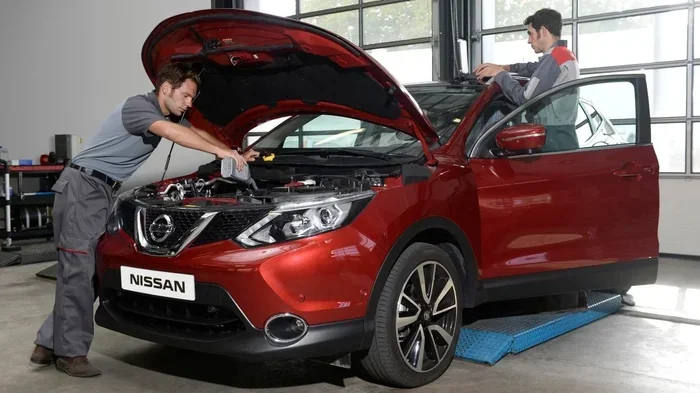
Does Nissan offer payment plans for repairs? The answer depends on your dealership, warranty status, and the type of repair needed. Nissan provides several repair financing options, including Nissan dealership payment plans, third-party auto loans, and credit-based solutions. Whether you own a Nissan Altima or a Nissan Rogue Hybrid, understanding your options can save you hundreds of dollars. This guide breaks down every affordable car repair payment method available to Nissan owners.
Does Nissan Offer Payment Plans for Repairs?
If you own a Nissan, you know that car repairs can hit hard on your wallet. Whether it is a minor fix or a major engine overhaul, the cost can surprise you. So, does Nissan offer payment plans for repairs? The short answer is yes, but the details matter. Nissan provides several options depending on your vehicle’s age, warranty status, and the dealership you visit.
Many Nissan owners assume they must pay the full amount upfront. That is not always true. Dealerships understand that unexpected repairs create financial stress. That is why they work with customers to find workable solutions. Let us explore every option available to you.
Nissan repair financing has become more accessible in recent years. From factory-backed warranties to third-party loans, there is a path forward for almost every budget. This article will walk you through each option step by step. You will learn what to ask, what to avoid, and how to keep repair costs low.
Understanding Nissan Repair Financing Options
Nissan dealerships offer multiple ways to pay for repairs. The right option depends on your situation. Let us look at the most common financing paths available today.
In-House Payment Plans at Nissan Dealerships
Most Nissan dealerships provide in-house payment plans for customers. These plans let you spread repair costs over several months. You do not need a perfect credit score to qualify in many cases.
Dealerships often partner with financial institutions to offer these plans. The process is usually quick. You fill out a simple application, and the finance team reviews your eligibility. Approval can happen within hours.
Here is what you should know about in-house plans:
- They typically cover repairs between $500 and $5,000.
- Interest rates vary based on your credit profile.
- Some dealerships offer 0% interest for qualified buyers.
- Payment terms usually range from 3 to 24 months.
The biggest advantage is convenience. You handle everything at one location. No need to apply elsewhere. However, always read the fine print. Some plans come with hidden fees or early repayment penalties.
Nissan Warranty Coverage and Repair Protection
Your Nissan warranty is your first line of defense against repair costs. New Nissan vehicles come with a comprehensive warranty package. This coverage can significantly reduce or eliminate repair bills.
Nissan’s Basic Warranty
The Nissan basic warranty covers most factory defects. It typically lasts for 3 years or 36,000 miles, whichever comes first. This warranty covers parts and labor for most components. It does not cover wear-and-tear items like brake pads or windshield wipers.
Nissan’s Powertrain Warranty
The powertrain warranty is longer and more extensive. It covers 5 years or 60,000 miles. This includes the engine, transmission, and drivetrain components. If your Nissan Altima or Nissan Rogue develops a powertrain issue during this period, the repair is free.
Roadside Assistance
Nissan also includes roadside assistance for the first 3 years. This covers towing, jump-starts, and lockout services. It does not directly pay for repairs, but it saves you money in emergencies.
What Happens After Warranty Expiration?
Once your warranty expires, you are responsible for all repair costs. This is where payment plans become essential. Many Nissan dealerships offer extended service plans that act like insurance for post-warranty repairs. These plans cost a monthly fee but cover major repairs when they happen.
Third-Party Payment Options for Nissan Repairs
Not every repair fits under Nissan’s warranty or dealership plans. In those cases, third-party financing becomes your best friend. Several options exist outside the dealership.
Auto Repair Credit Cards
Many banks and credit card companies offer special financing for auto repairs. These cards often come with promotional 0% interest periods. They work just like regular credit cards but are designed for car maintenance.
Popular options include:
- Synchrony Car Care Credit Card – Offers 6 to 24 months of promotional financing.
- PayPal Credit – Provides flexible payment terms for repair shop purchases.
- Wells Fargo Auto Credit – Offers personal loans specifically for vehicle repairs.
These credit options work at most independent repair shops. They also work at some Nissan dealerships. The key is to pay off the balance before the promotional period ends. Otherwise, interest rates can climb quickly.
Personal Loans for Car Repairs
If you need a larger sum, a personal loan might be the answer. Banks and online lenders offer unsecured loans for car repairs. You can borrow anywhere from $1,000 to $10,000. Repayment terms typically range from 12 to 60 months.
The advantage of a personal loan is flexibility. You can use the funds for any repair. You are not tied to a specific dealership or shop. The downside is that approval depends heavily on your credit score.
Payday Alternative Loans (PALs)
For smaller repair costs, consider a Payday Alternative Loan from a credit union. PALs offer small, short-term loans with capped interest rates. The maximum interest rate is 28%, which is much lower than typical payday loans.
Credit unions often offer PALs to their members. If you are already a member of a credit union, this is worth exploring. The application process is usually fast and straightforward.
Common Nissan Repairs and Their Costs
Understanding repair costs helps you plan your payment strategy. Some repairs are minor and affordable. Others can strain your budget significantly. Here is a look at common Nissan repairs and what they typically cost.
Brake Repairs
Brake pad replacement is one of the most common repairs. For a Nissan Sentra or Nissan Rogue, expect to pay between $150 and $300 per axle. Brake rotor replacement adds another $200 to $400 per rotor.
Oil Changes and Routine Maintenance
Routine oil changes cost between $40 and $80 at a Nissan dealership. Synthetic oil changes run slightly higher, around $60 to $100. Regular maintenance prevents costly breakdowns down the road.
Transmission Repairs
Transmission issues can be expensive. A transmission fluid change costs around $150 to $250. Full transmission replacement can range from $1,800 to $3,500. This is where payment plans become crucial.
Engine Repairs
Engine repairs vary widely in cost. A minor fix like replacing a sensor might cost $200 to $500. Major engine work, such as a head gasket replacement, can run $1,000 to $3,000. If your vehicle is still under warranty, many of these costs are covered.
Windshield and Glass Repairs
Windshield chips and cracks are common. A windshield replacement typically costs between $200 and $400. You can also apply 3M anti-glare film to protect your windshield from further damage and reduce glare while driving. This small investment can prevent costly replacements over time.
Hybrid-Specific Repair Considerations
Nissan hybrid models like the Nissan Rogue Hybrid and Nissan Altima Hybrid have unique repair considerations. Hybrid vehicles use both an electric motor and a gasoline engine. This dual system means more components that could potentially need repair.
If you own a Nissan hybrid, you might wonder how hybrid systems affect your repair costs. Understanding when a hybrid switches to gas can help you diagnose issues early and avoid expensive repairs. Early detection of hybrid system problems can save thousands of dollars in the long run.
Hybrid battery replacement is the most expensive potential repair. It can cost between $3,000 and $8,000. However, most Nissan hybrid batteries come with an 8-year or 80,000-mile warranty. After the warranty period, payment plans become essential for covering this cost.
Tips for Managing Nissan Repair Expenses
Nobody wants surprise repair bills. But with the right strategy, you can manage costs effectively. Here are practical tips to keep your Nissan running smoothly without breaking the bank.
1. Stay Current on Regular Maintenance
Regular oil changes, tire rotations, and fluid checks prevent major breakdowns. A $60 oil change today can save you $3,000 on an engine rebuild tomorrow. Follow your Nissan’s recommended maintenance schedule closely.
2. Ask About Service Specials
Nissan dealerships frequently run service specials. These promotions offer discounted rates on common repairs and maintenance. Check your dealership’s website or ask the service advisor about current offers.
3. Get Multiple Quotes
Do not accept the first repair estimate you receive. Get quotes from at least two or three shops. Independent mechanics often charge less than dealerships for the same repair.
4. Use Genuine Nissan Parts When Necessary
Aftermarket parts are cheaper, but genuine Nissan parts offer better reliability. For critical components like brakes and suspension parts, always opt for OEM Nissan parts. They are designed specifically for your vehicle.
5. Build an Emergency Repair Fund
Set aside $50 to $100 each month for car repairs. Over a year, you will have $600 to $1,200 saved. This fund covers most minor repairs without requiring payment plans or loans.
6. Consider an Extended Warranty
If your Nissan is out of warranty, an extended service plan can provide peace of mind. These plans cover major repairs for a monthly fee. They effectively turn unpredictable repair costs into predictable monthly payments.
Common Mistakes to Avoid When Paying for Nissan Repairs
Making mistakes when handling car repairs can cost you more money. Here are common pitfalls to watch out for.
Skipping the Fine Print
Always read the terms of any payment plan carefully. Some plans charge hidden fees or penalties for early payment. Others require you to maintain a minimum balance. Know exactly what you are signing up for.
Choosing the Cheapest Option Without Research
The lowest quote is not always the best deal. Cheap repairs sometimes use low-quality parts or inexperienced technicians. This can lead to repeat repairs and higher costs in the long run.
Ignoring Warning Signs
If your Nissan is making unusual noises or showing warning lights, do not ignore them. Small problems become big problems fast. Addressing issues early is always cheaper than waiting.
Not Asking About Payment Plans Upfront
Many customers assume they must pay in full. Always ask the service advisor about available payment options before approving repairs. You might be surprised by what is available.
Expert Insights on Nissan Repair Financing
Financial advisors who specialize in automotive costs recommend a proactive approach. Start by checking your warranty coverage thoroughly. Many Nissan owners do not realize they still have coverage they have not used.
Next, build a relationship with a trusted repair shop. Whether it is a Nissan dealership or an independent mechanic, consistency pays off. Loyal customers often receive better pricing and flexible payment arrangements.
Finally, never take on more debt than you can handle. A payment plan should fit comfortably within your monthly budget. If a repair quote seems too high, ask about phased repairs. Some dealerships allow you to prioritize the most critical fixes first and spread the rest over time.
Final Thoughts
So, does Nissan offer payment plans for repairs? Absolutely. From in-house dealership financing to third-party credit options, Nissan owners have multiple paths to affordable repairs. Your warranty status, credit profile, and the type of repair all play a role in determining the best option.
The key is to act early and stay informed. Do not wait until a small repair becomes a financial crisis. Explore your options, compare quotes, and choose a payment plan that fits your budget. With the right strategy, keeping your Nissan in top shape does not have to drain your savings.
Remember, every dollar you invest in proper maintenance today saves you several dollars in major repairs tomorrow. Take control of your Nissan repair costs starting now.
Key Takeaways
- Nissan does offer payment plans: Many Nissan dealerships provide in-house financing for repairs, especially for warranty-covered services.
- Warranty coverage matters: New Nissan vehicles come with comprehensive warranties that reduce out-of-pocket repair costs significantly.
- Third-party financing exists: If Nissan’s internal plans don’t fit, banks and credit unions offer car repair loans with flexible terms.
- Hybrid models need special care: Hybrid Nissan vehicles may have unique repair considerations that affect financing options.
- Preventive maintenance saves money: Regular service reduces the need for expensive repairs and keeps payment plans manageable.
Frequently Asked Questions
Does Nissan offer 0% interest payment plans for repairs?
Some Nissan dealerships offer 0% interest financing for qualified buyers. This typically applies to customers with strong credit scores. Check with your local dealership to see if they are running any promotional financing offers for repairs.
Can I use a credit card to pay for Nissan repairs?
Yes, most Nissan dealerships accept major credit cards for repair payments. You can also use auto repair credit cards like the Synchrony Car Care Card. These cards often come with promotional 0% interest periods for qualified applicants.
What does Nissan’s warranty cover for repairs?
Nissan’s basic warranty covers factory defects for 3 years or 36,000 miles. The powertrain warranty covers 5 years or 60,000 miles. Both cover parts and labor for eligible components. Wear-and-tear items like brake pads are typically not covered.
Are payment plans available for hybrid Nissan repairs?
Yes, many dealerships offer payment plans for hybrid repairs. Hybrid-specific repairs like battery replacement can be expensive, but financing options are available. Some plans are specifically designed for hybrid system repairs and maintenance.
How can I reduce my Nissan repair costs?
Stay current on regular maintenance, ask about service specials, and get multiple quotes. Building an emergency repair fund and considering an extended warranty also help manage costs. Early detection of problems prevents expensive repairs later.
What should I do if I cannot afford a Nissan repair?
Talk to your dealership about payment plan options. Many offer flexible terms for customers on a tight budget. You can also explore third-party financing through banks, credit unions, or auto repair credit cards. Prioritize safety-critical repairs first.