Can You Modify a Leased Car Without Breaking the Rules
You can make some modifications to a leased car, but you must follow strict rules set by your leasing company. Can you modify a leased car? Yes, but only with approval and within specific limits. This guide covers what is allowed, what is not, and how to avoid expensive lease penalties when returning your vehicle.
Leasing a car gives you the chance to drive a new vehicle without the long-term commitment of owning it. But what happens when you want to make the car your own? Maybe you want new wheels, a different sound system, or a fresh coat of paint. The big question is: can you modify a leased car without getting into trouble?
The short answer is yes, but there are rules you need to follow. Every lease agreement has specific terms about what you can and cannot change. Some modifications are perfectly fine. Others can cost you hundreds or even thousands of dollars when the lease ends. In this guide, we will walk you through everything you need to know about modifying a leased vehicle. You will learn what is safe, what is risky, and how to stay on the right side of your lease contract.
Whether you are thinking about a simple cosmetic tweak or a bigger change like upgrading your wheels, this article has you covered. We will break down the rules in plain language so you never have to guess. Let us dive in and explore the world of leased car customization the smart way.
Key Takeaways
- Always check your lease agreement before making any changes to your leased vehicle.
- Cosmetic mods like seat covers and steering wheel wraps are usually safe and reversible.
- Structural or mechanical changes such as lift kits or engine tuning can violate your lease terms.
- Get written approval from your leasing company before installing any aftermarket parts.
- Return condition matters a lot — excessive wear and tear can lead to big charges at lease end.
- DIY mods like splash guards may be okay if they are easy to remove and do not damage the car.
- Keep all receipts and documentation for any modifications you make during the lease.
📑 Table of Contents
Understanding Your Lease Agreement
What Does Your Lease Actually Say?
Before you touch anything on your car, read your lease agreement carefully. This document is your guide to what is allowed and what is not. Most lease contracts include a section about modifications and alterations. Some leases ban all changes. Others allow minor ones with permission.
The key terms to look for include:
- Modification policy — Does the lease allow any changes at all?
- Approved parts list — Are there specific parts or brands that are allowed?
- Return condition standards — What condition must the car be in when you return it?
- Excess wear and tear rules — What counts as damage versus normal use?
If you cannot find this information, call your leasing company directly. Asking questions early saves you from costly mistakes later. Do not guess. Do not assume. Get the rules in writing if possible.
Why Leasing Companies Restrict Modifications
Leasing companies own the car. They want it back in good shape at the end of the lease. Every change you make affects the vehicle’s value. A lifted truck with big tires might be fun for you, but it could reduce the car’s resale value. The leasing company does not want to deal with that loss.
They also worry about safety and warranty issues. If you modify the engine or suspension and something breaks, the factory warranty may not cover it. That means the leasing company could hold you responsible for expensive repairs. Understanding this helps you make smarter choices about what you can and cannot change.
Types of Modifications You Can Make
Cosmetic Changes That Are Usually Safe
Some modifications are easy to reverse and do not damage the car. These are generally safe for leased vehicles. Here are some examples:
- Seat covers — You can add seat covers to protect your seats. Just make sure they fit well and do not stain the fabric.
- Steering wheel wrap — A wrap around your steering wheel changes the look without permanent changes.
- Dash cams and phone mounts — These are small, non-invasive additions that most leasing companies accept.
- Floor mats — 7D car floor mats are a popular choice. They protect your carpet and are easy to remove before returning the car.
- Tinted windows — 25 percent window tint is often within legal limits and can enhance the look of your car. Check your local laws first.
The golden rule for cosmetic mods is this: if you can remove it without leaving any marks, it is probably okay. Always test removal on a small hidden area first.
Performance Upgrades: Proceed with Caution
Performance upgrades are where things get tricky. Changes to the engine, exhaust, or transmission can void your warranty and violate your lease terms. Here is what you need to know:
- Engine tuning — Changing the ECU or adding a performance chip is risky. It can affect emissions and warranty coverage.
- Exhaust system upgrades — A louder exhaust might sound great, but it may not meet local noise regulations.
- Air intake modifications — Aftermarket air filters can sometimes cause issues with the factory air flow system.
If you want better performance, consider dealer-approved options. Some manufacturers offer factory performance packages that do not void your warranty. These are always the safest route for a leased car.
Wheel and Tire Modifications
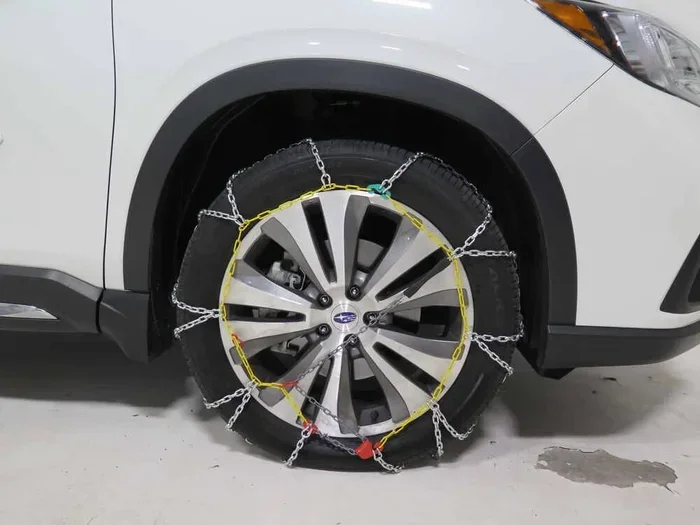
Changing your wheels is one of the most popular ways to customize a leased car. But there are rules. Your lease likely specifies acceptable tire sizes and types. Going too big or too small can cause problems.
Here are some tips for wheel modifications:
- Keep the same overall tire diameter as the original setup.
- Choose wheels that fit within the factory bolt pattern.
- Do not go too wide — oversized wheels can rub against the fenders.
- Remember that weight matters too. Heavy wheels can put extra stress on your car’s suspension and brakes.
When in doubt, ask yourself: can I put too much weight in my car? The same logic applies to wheels. Heavy aftermarket rims add unsprung weight that affects handling and wear. Keep it close to factory specs.
Modifications That Could Get You in Trouble
Structural Changes
Structural modifications are a big no-no for most leased vehicles. These include changes to the frame, suspension lift kits, or cutting into the body of the car. Such changes can:
- Void the factory warranty completely.
- Make the car unsafe to drive.
- Reduce the vehicle’s value significantly.
- Violate the lease agreement terms directly.
Even something like installing splash guards yourself can be a problem if it involves drilling into the body. Always check if the modification requires any permanent changes to the vehicle. If it does, skip it or get written approval first.
Paint and Body Work
Wrapping your car in a new color or design is tempting. But paint and wrap modifications on a leased car come with risks. A full vinyl wrap is usually removable, but it must be done professionally. If the wrap leaves residue or damages the original paint, you will pay for it at lease end.
Some key points about paint and wrap changes:
- A high-quality wrap should not damage the original paint when removed properly.
- Bold or extreme colors may not be accepted by the leasing company.
- Keep the wrap in good condition — peeling or bubbling wraps count as damage.
- Consider using 3M anti glare film for car windshield instead. This is a subtle change that protects your windshield and is easily reversible.
Electrical and Tech Modifications
Adding new technology to your car can be fun. But electrical modifications can be risky. Installing a new stereo, adding extra lighting, or wiring in accessories can mess with the car’s electrical system. This is especially true for modern cars with complex computer systems.
If you want to add tech, keep these tips in mind:
- Use plug-and-play devices that do not require cutting wires.
- Avoid modifying the factory wiring harness.
- Do not install apps or devices that connect to the car’s computer system without approval.
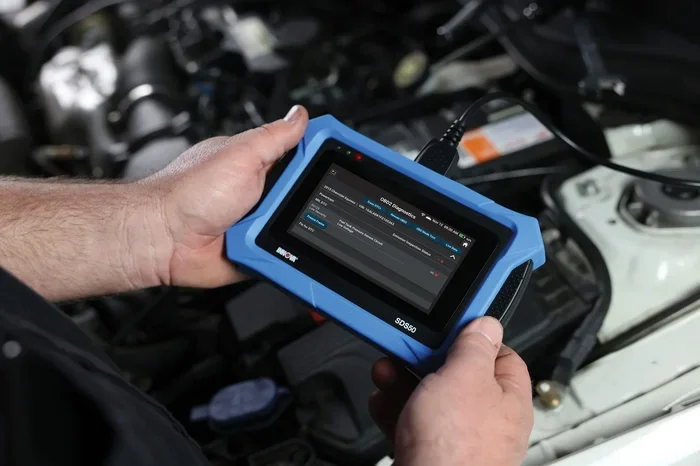
- Remember that doing your own car diagnostics with an OBD scanner is fine for monitoring, but do not try to reprogram the ECU.
How to Get Approval for Modifications
Step-by-Step Process for Requesting Permission
Want to make a change but are not sure if it is allowed? Follow these steps to get approval the right way:
- Read your lease agreement thoroughly to understand the modification rules.
- Contact your leasing company directly. Ask about their modification policy in writing.
- Describe the modification in detail. Include the part name, brand, and how it will be installed.
- Explain why it is reversible and how you will restore the car before returning it.
- Get written approval before making any changes. Keep this document with your lease paperwork.
This process takes a little time, but it protects you from costly disputes later. Written approval is your best friend when returning a leased car.
Working with Approved Dealers and Installers
Some leasing companies have a list of approved dealers and installers. Using one of these shops can make the approval process smoother. They know what the leasing company accepts and can often provide documentation that the work was done properly.
If your leasing company does not have an approved list, choose a reputable shop with experience working with leased vehicles. A professional installer will know how to make changes that are easy to reverse, which is exactly what the leasing company wants to see.
Preparing Your Leased Car for Return
Removing Modifications Before Lease End
As your lease end approaches, start thinking about removing any modifications you made. This is a critical step that many people forget. Here is what you should do:
- Remove all seat covers, floor mats, and steering wheel wraps.
- Take off any aftermarket wheels and reinstall the original ones.
- Remove dash cams, phone mounts, and any other accessories.
- Fill any holes or marks left by mounted accessories with touch-up paint.
- Clean the car thoroughly inside and out.
The goal is to return the car as close to its original condition as possible. If you made any changes that cannot be fully reversed, budget for the cost of repair or restoration.
Dealing with Excess Wear and Tear
Even without modifications, you need to worry about excess wear and tear charges. Leasing companies have strict standards for what counts as normal use versus damage. Modifications can make this worse if they leave marks or damage behind.
To minimize charges:
- Get a pre-return inspection from the leasing company.
- Address any issues you find before the official return date.
- Keep all receipts for repairs and maintenance during the lease.
- Document the car’s condition with photos at the start and end of the lease.
Being proactive about the return process saves you from unexpected fees and disputes. It also shows the leasing company that you took good care of their vehicle.
Common Mistakes to Avoid
Assuming All Mods Are Allowed
The biggest mistake people make is assuming that any change is okay. Just because a friend did it on their owned car does not mean it is allowed on a lease. Always verify with your leasing company first.
Skipping the Paperwork
Verbal approval is not enough. Always get written confirmation of any modification approval. Without documentation, you have no proof if a dispute arises later. This one step can save you hundreds or thousands of dollars.
Forgetting About Reversibility
Before installing anything, ask yourself: can this be removed without leaving a trace? If the answer is no, think twice. Permanent modifications on a leased car are almost always a bad idea.
Ignoring the Lease-End Inspection
Many people skip the pre-return inspection or ignore its findings. This is a mistake. The inspection tells you exactly what the leasing company will check for. Use it as your guide to fix any issues before the official return date.
Expert Insights on Leased Car Modifications
Industry experts agree that the safest approach to modifying a leased car is minimalism. Keep changes simple, reversible, and well-documented. If you love car customization, consider saving your bigger projects for a car you own outright.
Some leasing companies are becoming more flexible with minor cosmetic changes. A few even offer lease-end protection plans that cover small modifications. It is worth asking about these options when you sign your lease.
Remember that your lease is a legal contract. Treating it with respect protects your wallet and your credit score. A little planning goes a long way toward a smooth lease-end experience.
Final Thoughts
Can you modify a leased car? Yes, you can — but knowledge and caution are your best tools. Understanding your lease terms, getting written approvals, and choosing reversible changes will keep you safe from penalties and disputes. The key is to plan every modification carefully and always think about how you will reverse it before returning the car.
Whether you are adding simple accessories like floor mats or a windshield film, or considering bigger changes like new wheels, the rules stay the same. Respect the lease, protect the vehicle, and you will enjoy your customized ride without worry. Drive well, modify smart, and return that car in great shape.
Take the time to understand your options. Talk to your leasing company. And when in doubt, keep it simple. Your future self — and your wallet — will thank you when lease end comes around.
Frequently Asked Questions
Can I install aftermarket wheels on my leased car?
Yes, in most cases you can install aftermarket wheels if you keep the same tire diameter and get written approval from your leasing company. Make sure to reinstall the original wheels before returning the car to avoid extra charges.
Will modifying my leased car void the warranty?
Structural or mechanical modifications can void the factory warranty. Cosmetic changes like seat covers and steering wheel wraps typically do not affect the warranty. Always check with your leasing company and the manufacturer before making any changes.
What happens if I return a leased car with modifications that were not approved?
Unauthorized modifications can result in significant charges at lease end. The leasing company may bill you for restoration costs, reduced vehicle value, or excess wear and tear. Getting written approval beforehand prevents this problem entirely.
Can I wrap my leased car in a vinyl design?
A professional vinyl wrap is usually removable and should not damage the original paint. However, you must get approval from your leasing company first. Make sure the wrap is installed and removed by a professional to avoid any damage.
Are there any modifications that are always allowed on leased cars?
Minor cosmetic changes like seat covers, floor mats, and steering wheel wraps are generally safe and widely accepted. However, every lease is different, so always check your specific agreement before making any changes.
How do I document modifications for my lease return?
Keep all receipts, written approvals, and before-and-after photos of any modifications. This documentation proves that changes were made properly and can be reversed, protecting you from unfair charges at lease end.