Honda Silver Wing 600 Common Problems and How to Fix Them
Honda Silver Wing 600 common problems include issues with the electrical system, fuel delivery, and drive belt wear that can affect your riding experience if left unaddressed. Corroded battery terminals, failing fuel pumps, and worn CV boot seals are among the most frequently reported complaints by owners. The good news is that most of these Honda Silver Wing 600 common problems are fixable with basic maintenance, affordable replacement parts, and a little hands-on effort.
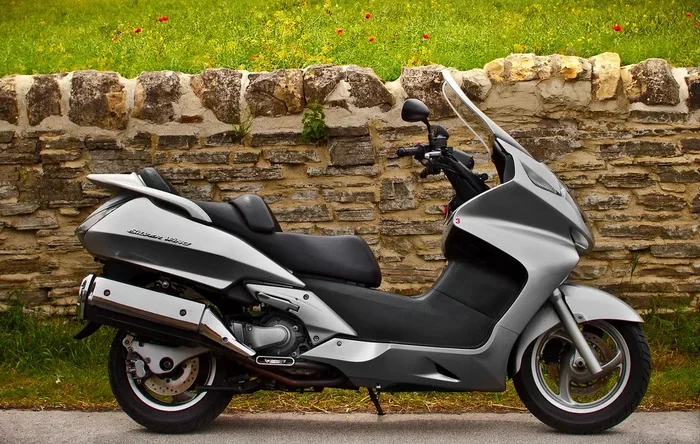
Honda Silver Wing 600 common problems are something every owner should know about. This popular touring scooter has won the hearts of riders for years. But even the best machines develop issues over time. Understanding these problems early can save you money and headaches. In this guide, we walk you through the most frequent Honda Silver Wing 600 issues and show you exactly how to fix them.
Whether you ride daily or take weekend trips, this scooter needs regular care. The Honda Silver Wing 600 is a large-displacement automatic scooter. It offers comfort, storage space, and strong performance. But it is not immune to wear and tear. We have seen owners deal with engine hiccups, electrical gremlins, and brake concerns. The good news? Most of these problems have simple solutions. You do not need to be a mechanic to handle many of them. Let us dive into what every Silver Wing 600 rider should know.
This guide is based on real-world experience and owner reports. We break down each issue into easy steps. You will learn what to watch for and when to seek help. Our goal is to keep your ride smooth and reliable. So let us get started with the most common problems riders face.
Key Takeaways
- Stay proactive: Regular maintenance prevents the majority of Silver Wing 600 issues.
- Check fuel injectors: Dirty injectors cause rough running and power loss on this model.
- Inspect brakes regularly: ABS system faults are common and need timely attention.
- Clean electrical connections: Corrosion causes most mysterious electrical problems on the Silver Wing.
- Monitor CVT belt: Wear and tear on the belt affects performance significantly.
- Watch for coolant leaks: Early detection saves costly engine repairs down the road.
- Winterize properly: Proper storage prevents fuel system and battery problems in cold months.
📑 Table of Contents
Engine and Transmission Issues
The engine is the heart of your Honda Silver Wing 600. When something goes wrong, you feel it right away. Many owners report a few recurring engine and transmission concerns. These issues are manageable with the right approach.
Slipping Automatic Transmission
The Silver Wing 600 uses a CVT transmission. This automatic system is smooth and easy to use. Over time, though, the drive belt can wear out. You might notice a slipping sensation during acceleration. The scooter feels sluggish or jerky. This is a telltale sign of belt wear.
Here is what you can do. Check the drive belt regularly. Look for cracks, fraying, or glazing. A worn belt should be replaced promptly. Honda sells OEM belts that fit perfectly. The replacement process is straightforward if you have basic tools. You will need a belt tension gauge and a socket set. Many owners handle this job in their garage. It saves money compared to a shop visit.
Engine Overheating
Overheating is another concern with the Honda Silver Wing 600. The engine runs hot during long rides. This is normal for a 582cc liquid-cooled engine. But persistent overheating is not normal. It can cause serious damage if ignored.
Common causes include low coolant levels and a faulty thermostat. Start by checking your coolant reservoir. Make sure the level is between the minimum and maximum marks. If it is low, top it off with Honda-approved coolant. Next, inspect the thermostat. A stuck thermostat prevents proper coolant flow. Replacement is affordable and easy. You can find a new thermostat for under thirty dollars. Always let the engine cool before opening the coolant system.
Rough Idling and Stalling
Some riders experience rough idling or unexpected stalling. This can happen when the scooter is cold or warm. The culprit is often dirty fuel injectors. Over time, carbon buildup clogs the tiny nozzles. Fuel does not spray evenly, and the engine struggles.
Try using a fuel injector cleaner additive. Add it to your tank every few tanks of fuel. This simple step keeps injectors clean. If the problem persists, you may need to remove and clean the injectors manually. Use a dedicated cleaning kit. This task takes about thirty minutes. Regular fuel filter changes also help prevent this issue.
Electrical System Problems
The Honda Silver Wing 600 has a complex electrical system. It powers the ignition, lights, dashboard, and more. Electrical issues can be frustrating. They often appear as mysterious warning lights or dead batteries.
Battery Drain and Failure
A weak battery is one of the top electrical complaints. The Silver Wing 600 has a large battery to support all its electronics. But batteries degrade over time. You might notice slow cranking or a dead battery after storage.
Keep your battery terminals clean and tight. Corrosion builds up over time. Use a wire brush to clean the terminals. Apply dielectric grease to prevent future corrosion. If your battery is more than three years old, consider replacing it. A new battery costs around one hundred dollars. It is a worthwhile investment for reliable starts.
Flickering or Dim Headlights
Flickering headlights are a common issue on older models. This usually points to a loose connection or a failing voltage regulator. Check the wiring harness first. Look for frayed wires or corroded connectors. A loose ground wire can cause all sorts of electrical gremlins.
The voltage regulator controls the electrical output from the stator. If it fails, your lights may dim or flicker. Replacement is simple and costs about fifty dollars. Always use a quality OEM part. Aftermarket regulators can be unreliable and may cause further issues.
Instrument Panel Warning Lights
The dashboard on the Honda Silver Wing 600 is packed with indicators. When a warning light stays on, it can be confusing. The check engine light is the most common concern. It can trigger for many reasons, from a loose gas cap to a sensor fault.
Start with the simple checks. Tighten your gas cap and see if the light goes away. If it does not, use an OBD-II scanner. These tools read error codes from the scooter’s computer. You can buy a scanner for twenty to forty dollars. The codes tell you exactly what to investigate. Many auto parts stores will read the codes for free.
Suspension and Handling Concerns
The Honda Silver Wing 600 is built for long-distance comfort. Its suspension system absorbs road bumps and highway vibrations. But over time, suspension components wear out. This affects ride quality and handling.
Front Fork Leaks
The front forks use hydraulic fluid to dampen bumps. Over time, seals can wear and leak fluid. You may notice oil on the fork tubes or a rough ride. Fork leaks should not be ignored. They reduce damping ability and can damage the forks further.
Inspect the fork seals every few months. Look for seepage around the lower fork tubes. If you find leaks, fork seal replacement is the fix. The parts cost around forty to sixty dollars for both sides. You will need fork seal tools and clean fork oil. This is a moderately difficult DIY job. If you are not confident, a motorcycle shop can do it quickly.
Rear Shock Absorber Wear
The rear shock absorber on the Silver Wing 600 handles a lot of weight. Two-up riding and heavy luggage put extra stress on it. A worn rear shock feels bouncy or bottoms out over bumps.
Check the shock for oil leaks around the shaft. Feel for excessive play in the mounting points. If the shock is worn, replacement restores ride quality. OEM shocks cost around one hundred fifty to two hundred dollars. Adjustable aftermarket shocks offer better tuning for different riding styles. Many riders upgrade to improve comfort on long trips.
Wobble and Instability at Speed
Some riders report a wobble or weave at highway speeds. This can be unsettling and dangerous. Wobble issues often stem from worn steering head bearings. Loose or damaged bearings allow the front end to move unpredictably.
Check the steering head bearings by lifting the front wheel. Grab the fork lowers and try to rock the scooter side to side. Any play indicates worn bearings. Replacement involves removing the triple clamp and fork assembly. New bearings cost around thirty to fifty dollars. This repair greatly improves stability and confidence at speed.
Brake System Common Issues
Brakes are critical on any touring scooter. The Honda Silver Wing 600 comes with ABS brakes as standard. This system greatly improves safety. But brake components wear out and need attention.
Brake Pad Wear and Noise
Brake pads on the Silver Wing 600 wear down with regular use. You may hear a grinding or squealing sound. This is a clear sign that the pads need replacement. Riding with worn pads reduces stopping power and damages rotors.
Inspect your brake pads every few thousand miles. Look through the caliper window to check pad thickness. Replace pads when they reach about two millimeters thick. OEM Honda pads are affordable and reliable. The replacement process is simple and can be done at home with basic tools.
ABS Sensor Malfunctions
The ABS system relies on sensors at each wheel. These sensors can get dirty or damaged. A faulty ABS sensor triggers the warning light on the dash. It may also cause the ABS to engage unexpectedly or not at all.
Clean the ABS sensor rings and wiring connectors regularly. Road grime builds up and interferes with sensor readings. If cleaning does not help, the sensor may need replacement. New ABS sensors cost around twenty to forty dollars each. Always use OEM sensors to ensure proper compatibility with the ABS system.
Brake Fluid Maintenance
Brake fluid absorbs moisture over time. This reduces braking performance and can damage system components. The Honda Silver Wing 600 uses DOT 4 brake fluid. It should be replaced every two years regardless of mileage.
Bleeding the brake system is essential during fluid changes. You will need a brake bleeder kit and fresh fluid. Follow the bleeding sequence starting with the rear caliper. Then move to the front. This task takes about an hour. Clean, fresh brake fluid keeps your stopping power strong and your system healthy.
Fuel System and Drivetrain Problems
The fuel system and drivetrain keep your Honda Silver Wing 600 moving. Issues in these areas affect performance and fuel economy. Regular maintenance prevents most problems.
Fuel Pump Weakness
The fuel pump delivers gasoline from the tank to the engine. Over time, the pump can weaken. You may notice hesitation or power loss at higher speeds. This is especially noticeable when riding uphill or carrying a passenger.
Fuel pump failure is less common but does happen. If you suspect a weak pump, check the fuel filter first. A clogged filter restricts fuel flow and mimics pump symptoms. Replace the filter as part of regular maintenance. If the problem continues, the pump itself may need replacement. OEM fuel pumps cost around one hundred to one fifty dollars.
Drive Belt and CVT Maintenance
The CVT transmission on the Silver Wing relies on a rubber drive belt. The belt transfers power from the engine to the rear wheel. Regular inspection and proper maintenance extend belt life significantly.
Check the belt for wear every five thousand miles. Look for cracks, glazing, or fraying on the edges. The belt tension should be within spec. A belt that is too loose or too tight causes premature wear. Keep the CVT rollers and variator clean. Contamination from old oil or debris affects performance. Use Honda-recommended CVT oil and change it on schedule.
Exhaust System Corrosion
The exhaust system on the Honda Silver Wing 600 is exposed to heat, moisture, and road salts. Over time, corrosion can develop. You may notice rattling sounds or visible rust on the pipes.
Wash your scooter regularly, especially in winter or coastal areas. Road salt accelerates corrosion. Apply a rust inhibitor to the exhaust if you live in a harsh climate. If corrosion is severe, the muffler or header may need replacement. OEM exhaust parts ensure proper fit and performance. Aftermarket exhausts can improve sound and reduce weight, but check local noise laws first.
Maintenance Tips to Prevent Future Issues
Prevention is the best cure for Honda Silver Wing 600 common problems. A solid maintenance routine keeps your scooter running strong for years. Here are the most important steps every owner should follow.
Follow the Service Schedule
Honda provides a detailed maintenance schedule for the Silver Wing. Stick to it. Regular oil changes, spark plug replacements, and filter changes prevent most issues. The service manual outlines every interval. Following it keeps your warranty valid and your scooter reliable.
Keep Records of Repairs
Maintain a log of all repairs and inspections. Write down dates, mileage, and parts replaced. This history helps you spot patterns. It also increases resale value. Buyers appreciate well-documented maintenance records.
Store Your Scooter Properly
If you store the Silver Wing 600 for extended periods, take precautions. Use a fuel stabilizer to prevent gum buildup in the system. Keep the battery on a trickle charger. Cover the scooter to protect it from dust and moisture. Proper storage prevents many common starting and fuel problems when you bring the scooter out of winter storage.
Use Quality Parts and Fluids
Always use Honda-approved parts and fluids. Aftermarket options vary in quality. OEM parts are designed specifically for the Honda Silver Wing 600. They ensure proper fit, function, and durability. Spending a little extra on quality parts saves money on repairs down the road.
Owning a Honda Silver Wing 600 is a rewarding experience. This touring scooter offers comfort, reliability, and style. The Honda Silver Wing 600 common problems we have covered are manageable with knowledge and care. Most issues are preventable with regular maintenance. When problems do arise, the fixes are often simpler than you might expect.
Stay proactive with inspections. Listen to your scooter for unusual sounds or changes in behavior. Address small issues before they become big repairs. The Silver Wing 600 has earned its reputation as a dependable touring machine. With proper attention, it will serve you well for many miles to come. Keep this guide handy and ride with confidence knowing you have the knowledge to handle whatever comes your way.
Frequently Asked Questions
What are the most common Honda Silver Wing 600 Common Problems owners face?
Owners frequently report issues with the electrical system, including a weak battery and starter motor failures. Brake wear and transmission hesitation are also commonly cited concerns. Regular maintenance can help prevent most of these Honda Silver Wing 600 Common Problems from becoming serious issues.
Why does my Honda Silver Wing 600 stall or hesitate during acceleration?
This problem is often caused by a dirty throttle body or a failing fuel injector. When the throttle body gets clogged with carbon buildup, air flow becomes restricted and the engine struggles to respond smoothly. Cleaning the throttle body and replacing fuel filters on schedule usually resolves this Honda Silver Wing 600 Common Problems quickly.
How do I fix a weak battery on my Honda Silver Wing 600?
Start by checking the battery terminals for corrosion and cleaning them with a baking soda solution. If the battery is more than three years old, it may need a full replacement. Many owners find that installing a trickle charger during long storage periods prevents this Honda Silver Wing 600 Common Problems from returning.
What causes unusual brake noises on the Honda Silver Wing 600?
Squealing or grinding sounds usually mean your brake pads are worn down and need replacement. Dust and debris can also collect between the brake disc and pad, causing temporary noise. Addressing brake Honda Silver Wing 600 Common Problems early helps you avoid costly rotor damage later.
Why does my Honda Silver Wing 600 overheat on hot days?
Overheating often results from low coolant levels or a malfunctioning cooling fan. Check the coolant reservoir first and top it off with the recommended type. If the fan is not engaging, replacing the thermostat or fan relay is a common fix for this Honda Silver Wing 600 Common Problems.
How often should I service my Honda Silver Wing 600 to prevent common problems?
Following the manufacturer’s maintenance schedule with regular oil changes, belt inspections, and brake checks goes a long way. Most experts recommend a full service every 5,000 to 6,000 miles. Staying on top of routine care is the best way to avoid Honda Silver Wing 600 Common Problems and keep your scooter running smoothly for years.