Does Car Insurance Cover Rodent Damage to Your Car
Car insurance may cover rodent damage, but only if you have comprehensive coverage. Standard liability policies typically exclude animal damage. This guide explains exactly what is covered, how to file a claim, and what steps you can take to prevent costly repairs from mice, rats, and squirrels chewing through your car.
Rodents can cause serious harm to your car. Mice, rats, and squirrels love to chew on wires, insulation, and even seats. The damage can be shocking when you open the hood or reach inside your dashboard. If you have ever come home to find your car destroyed by tiny critters, you know how frustrating it feels. The big question is whether your car insurance will pay for the repairs.
The short answer is maybe. It depends on the type of policy you hold and the details of your coverage. Rodent damage to your car is a common problem, especially in rural areas and during colder months when animals seek warm shelter. This guide breaks down everything you need to know about filing a claim, what to expect, and how to protect your vehicle from future infestations.
Key Takeaways
- Comprehensive coverage is required: Rodent damage is usually covered only under a comprehensive car insurance policy, not basic liability.
- Deductibles apply: You will likely pay a deductible before your insurer covers the rest of the repair costs.
- Prevention matters: Taking steps to deter rodents can reduce your risk and may even help with future claims.
- Document everything: Photos, videos, and repair invoices strengthen your insurance claim significantly.
- Timing is critical: File your claim as soon as you notice the damage to avoid disputes or denials.
- Exclusions exist: Wear and tear or lack of maintenance may lead to a denied claim.
📑 Table of Contents
- What Is Rodent Damage to a Car?
- Does Car Insurance Cover Rodent Damage?
- How to File a Rodent Damage Insurance Claim
- Common Reasons for Claim Denials
- How to Protect Your Car from Rodent Damage
- Real-Life Examples of Rodent Damage Claims
- How Much Does Rodent Damage Repair Cost?
- Should You File a Claim for Rodent Damage?
- Frequently Asked Questions
- Final Thoughts
What Is Rodent Damage to a Car?
Rodent damage refers to any harm caused by small animals like mice, rats, squirrels, or even raccoons that invade your vehicle. These creatures chew on almost anything. They are attracted to the warmth of an engine or the softness of seat insulation. Here are the most common types of damage they cause:
- Chewed wires: Rodents love to gnaw on electrical wiring under the hood. This can disable your starter, lights, or sensors.
- Damaged insulation: They tear up insulation around the engine block and inside door panels.
- Chewed hoses and belts: Rubber hoses and serpentine belts are easy targets for rodents looking to sharpen their teeth.
- Interior destruction: Seats, upholstery, and carpeting can be torn apart for nesting material.
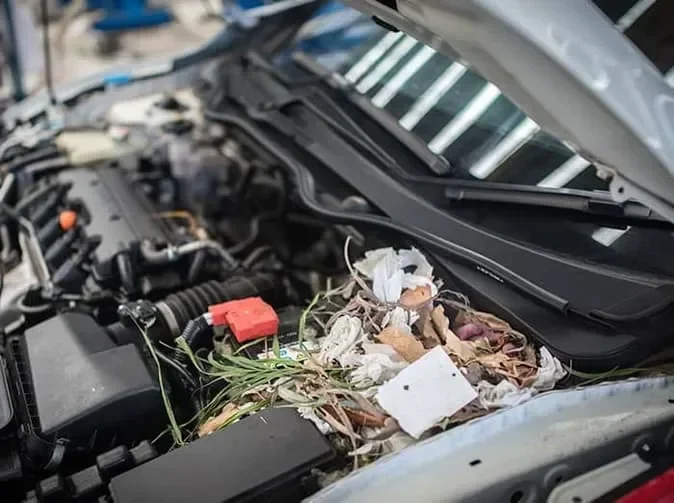
- Clogged air filters: Rodents build nests inside air intake boxes, which can block airflow to the engine.
The cost of repairing rodent damage can range from a few hundred dollars to several thousand. In severe cases, a chewed wiring harness alone can cost over $1,000 to replace. This is why many car owners ask whether their auto insurance policy will help cover these expenses.
Does Car Insurance Cover Rodent Damage?
The answer depends entirely on your policy type. Most standard auto insurance policies include two main types of coverage: liability and comprehensive. Rodent damage falls under a specific category that not all drivers carry.
Liability Coverage vs. Comprehensive Coverage
Liability coverage pays for damage you cause to other people or their property. It does not pay for damage to your own car. If a mouse chews through your engine wiring, liability coverage will not help at all. You need comprehensive coverage for that.
Comprehensive coverage, sometimes called “other than collision,” covers damage from events that are not caused by a crash. This includes theft, vandalism, fire, falling objects, and animal damage. Rodent damage is typically classified under animal-related claims in comprehensive policies.
Here is a quick comparison:
- Liability coverage: Does not cover rodent damage to your vehicle.
- Collision coverage: Covers damage from accidents with other vehicles or objects. Does not cover rodent damage.
- Comprehensive coverage: Covers rodent damage, animal damage, and other non-collision events.
If you only carry the minimum legal requirements, you likely do not have comprehensive coverage. This means your insurer will not pay for rodent repairs. You would need to pay out of pocket. If you want to know more about understanding your policy, you might consider doing your own car diagnostics to assess the full extent of damage before contacting your insurer.
What Does Comprehensive Insurance Cover?
Comprehensive insurance is designed to protect your vehicle from a wide range of non-accident-related incidents. Here are some of the events typically covered:
- Theft or attempted theft
- Vandalism and graffiti
- Fire and explosion
- Falling objects like tree branches
- Natural disasters such as floods, hail, and earthquakes
- Animal damage including rodents, deer, and livestock
- Civil unrest or riots
Rodent damage fits squarely into the animal damage category. However, there are important conditions. Your policy must include comprehensive coverage, and the damage must be sudden and accidental. Gradual damage or wear and tear is usually not covered.
How to File a Rodent Damage Insurance Claim
If you discover rodent damage in your car, the next step is to file a claim. The process is straightforward but requires careful attention to detail. Here is how to do it step by step.
Step 1: Document the Damage
Before you touch anything, take clear photos and videos of all the damage. Capture close-ups of chewed wires, nests, and torn upholstery. Take pictures from multiple angles. The more evidence you have, the stronger your claim will be. Write down a detailed description of what you found and when you noticed it.
Step 2: Contact Your Insurance Provider
Call your insurance company as soon as possible. Report the damage and let them know you want to file a comprehensive claim. Have your policy number ready. Ask about any specific forms or documentation they need. Your insurance provider will guide you through the process.
Step 3: Get an Estimate
Most insurers require a professional repair estimate. Take your car to a licensed mechanic or an authorized repair shop. Ask for a detailed written estimate that lists every damaged part and the cost of replacement. Some insurers have preferred repair networks. Check with your agent before choosing a shop.
If you want to understand the full scope of the damage before getting an estimate, you could try performing your own car diagnostics to identify which systems are affected. This can help you communicate better with your mechanic and insurer.
Step 4: Submit Your Claim
Submit all the required documents to your insurer. This typically includes photos, the repair estimate, your policy details, and a written statement describing the incident. Be honest and thorough. Any inconsistencies can lead to a claim denial.
Step 5: Pay Your Deductible
Every comprehensive policy has a deductible. This is the amount you pay before your insurer covers the rest. Deductibles usually range from $250 to $1,000. Once you pay your deductible, your insurer will pay the remaining cost up to your policy limit.
Common Reasons for Claim Denials
Not all rodent damage claims are approved. Insurers deny claims for several reasons. Understanding these can help you avoid surprises.
Wear and Tear Exclusion
Insurance policies do not cover normal wear and tear. If your insurer determines that the damage resulted from long-term neglect rather than a sudden infestation, they may deny your claim. For example, if you left your car parked in a known rodent-infested area for months without any protection, the insurer might argue the damage was gradual.
Lack of Maintenance
Drivers have a responsibility to maintain their vehicles. If you knew about signs of rodents and did nothing, your claim could be denied. This includes ignoring chewed wires or visible nests. Regular car maintenance and inspections can help prevent this issue.
Insufficient Coverage
If your policy does not include comprehensive coverage, your claim will be denied. This is the most common reason for denial. Always check your policy declarations page to confirm what you are covered for.
Delayed Reporting
Insurance companies expect prompt reporting. If you wait weeks or months to file a claim, the insurer may question whether the damage was actually caused by rodents. File your claim as soon as you notice the damage.
How to Protect Your Car from Rodent Damage
Prevention is always better than repair. Taking proactive steps can save you hundreds or even thousands of dollars in repair costs. Here are practical tips to keep rodents away from your car.
- Park in well-lit areas: Rodents prefer dark, quiet spaces. Parking under lights or in busy areas discourages them.
- Use rodent deterrents: Peppermint oil-soaked cotton balls placed near the engine can repel mice. Commercial ultrasonic deterrents are also effective.
- Keep your car clean: Remove food wrappers, crumbs, and any organic material from your car. Rodents are attracted to food smells.
- Seal entry points: Check for gaps around the hood, doors, and trunk. Steel wool or wire mesh can block small openings.
- Drive regularly: Rodents are less likely to nest in cars that are driven frequently. The noise and vibration make a vehicle less appealing.
- Use rodent-proof covers: If you store your car for long periods, use a breathable cover that keeps rodents out.
These steps are simple but effective. They can significantly reduce your risk of a rodent infestation. Think of them as part of your regular car maintenance routine, just like checking your oil or rotating your tires.
Real-Life Examples of Rodent Damage Claims
Understanding how real claims play out can help you set realistic expectations. Here are a few scenarios based on common experiences.
Scenario 1: The Winter Nest. Sarah parked her SUV in a rural garage over the winter. When she started the car in spring, she heard scratching sounds. She found a nest inside the dashboard and chewed wiring under the hood. Her comprehensive policy covered the repairs, minus her $500 deductible. The total repair bill was $2,200, and her insurer paid $1,700.
Scenario 2: The Denied Claim. Mike left his truck parked behind his shed for six months. When he tried to start it, the engine would not turn over. The mechanic found chewed wires and a nest in the air filter. Mike’s claim was denied because his insurer determined the damage resulted from neglect. He had not inspected the vehicle or taken preventive measures during the long storage period.
Scenario 3: The Unexpected Discovery. Linda noticed a strange smell coming from her dashboard. She took the car to a mechanic and discovered chewed wiring and torn seat fabric. Because she had comprehensive coverage and reported the damage immediately, her claim was approved in full after the deductible. The repairs cost $1,800, and her insurer covered $1,300.
These examples show why having the right coverage and acting quickly matters. Just as hitting a deer can cause major damage that your insurance may or may not cover depending on your policy, rodent damage also falls into specific coverage categories that not all drivers understand fully. Much like the considerations around whether hitting a deer totals your car, understanding your coverage details is essential for any animal-related claim.
How Much Does Rodent Damage Repair Cost?
The cost of repairing rodent damage varies widely. It depends on the severity of the damage and the make and model of your car. Here is a rough breakdown of common repair costs:
- Minor wiring damage: $200 to $500
- Major wiring harness replacement: $800 to $2,000
- Engine insulation repair: $150 to $400
- Interior upholstery repair: $300 to $1,000
- Air filter and intake cleaning: $100 to $300
- Full engine bay restoration: $1,500 to $4,000
These costs can add up quickly. A comprehensive insurance policy can save you from paying the full amount out of pocket. However, remember that you will still need to pay your deductible. If the repair cost is close to your deductible amount, it may not be worth filing a claim. Sometimes paying for repairs yourself keeps your insurance premium from increasing.
Should You File a Claim for Rodent Damage?
This is a question many drivers face. The decision depends on several factors. Consider the cost of repairs, your deductible, and your claims history.
If the repair cost is significantly higher than your deductible, filing a claim makes sense. For example, if repairs cost $1,500 and your deductible is $500, your insurer pays $1,000, and you come out ahead. But if the repair cost is $600 and your deductible is $500, you only save $100. In that case, paying out of pocket might be the better choice.
Also consider this: every claim you file can affect your future premiums. A single comprehensive claim for rodent damage may not cause a huge increase, but multiple claims can. Weigh the short-term savings against the long-term cost of higher premiums.
Frequently Asked Questions
Does car insurance cover rodent damage by default?
No, rodent damage is not covered by default. You must have comprehensive coverage on your policy. Basic liability and collision policies do not cover animal-related damage. Always check your policy declarations page or ask your agent to confirm your coverage.
What types of animals does car insurance cover?
Comprehensive coverage typically covers damage from all animals. This includes rodents, deer, birds, and even insects in some cases. The key is that the damage must be sudden and accidental, not gradual or caused by neglect.
Will my insurance premium go up after a rodent damage claim?
Comprehensive claims usually have a smaller impact on premiums than accident claims. However, multiple claims can lead to higher rates. If the repair cost is low, paying out of pocket might be more cost-effective in the long run.
How long do I have to file a rodent damage claim?
You should file as soon as possible after discovering the damage. Most insurers recommend reporting within a few days. Delaying can raise questions about the cause of the damage and may lead to a denial.
Can I prevent rodent damage to avoid needing a claim?
Yes, taking preventive steps can greatly reduce your risk. Use deterrents, park in well-lit areas, keep your car clean, and avoid leaving it parked in rodent-prone areas for long periods. Regular maintenance and inspections also help catch problems early.
What should I do if I find rodent damage in my car?
First, document everything with photos and videos. Then contact your insurance provider to report the damage and start the claims process. Get a professional repair estimate and submit all required documents. Acting quickly strengthens your claim and ensures you get the coverage you deserve.
Final Thoughts
Rodent damage to your car can be stressful and expensive. The good news is that car insurance can help, provided you have the right coverage. Comprehensive insurance is the key to getting rodent damage repairs paid for. Without it, you are on your own.
Take the time to understand your policy today. Know what is covered and what is not. Keep your car well-maintained and take preventive measures to deter rodents. And if damage does occur, act fast, document everything, and file your claim promptly. These steps put you in the best position to get your vehicle repaired without bearing the full financial burden.
Protecting your car from rodents is just as important as protecting it from accidents and theft. A little prevention goes a long way. And when the unexpected happens, knowing your coverage gives you peace of mind. Stay proactive, stay informed, and keep your vehicle safe from those tiny but destructive critters.