How Does Infiniti AWD Work Everything You Need to Know
Infiniti AWD systems use intelligent torque distribution to deliver power to all four wheels for better grip and control. The system relies on electronic sensors, a transfer case, and advanced computer controls to adjust power in real time. Understanding how Infiniti AWD works helps owners appreciate the technology and maintain peak performance on every drive.
This is a comprehensive guide about How Does Infiniti AWD Work.
Key Takeaways
- Real-Time Torque Distribution: Infiniti AWD automatically shifts power between front and rear wheels based on road conditions.
- Intelligent Sensors: Electronic control units monitor traction, speed, and wheel slip to optimize performance instantly.
- Multiple AWD Systems: Infiniti offers different AWD configurations across its lineup, including hybrid models.
- Easy Maintenance: Regular fluid checks and inspections keep the AWD system running smoothly for years.
- Enhanced Safety: AWD improves stability and handling, especially in rain, snow, and uneven terrain.
- Hybrid Integration: Some Infiniti hybrid models combine electric motors with AWD for a unique driving experience, which you can learn more about in our guide on at what point does a hybrid switch to gas.
[FEATURED_IMAGE_PLACEHOLDER]
How Does Infiniti AWD Work Everything You Need to Know
If you own or are considering an Infiniti, you have probably wondered how the all-wheel drive system actually works. How does Infiniti AWD work is a question many drivers ask, especially when they hit a wet road or tackle a winding mountain pass. The answer is simpler than you might think, and the technology behind it is genuinely impressive.
Infiniti vehicles come equipped with advanced all-wheel drive systems designed to give you better traction, sharper handling, and greater confidence behind the wheel. Whether you drive a sleek sedan or a rugged SUV, the AWD system plays a big role in how your car feels on the road. In this guide, we will break down exactly how the system works, what parts make it tick, and why it matters for your daily driving.
This article covers everything from the basic science of all-wheel drive to the specific components inside an Infiniti. We will also look at maintenance tips and the different AWD setups found across the Infiniti lineup. By the end, you will have a clear picture of why Infiniti AWD is one of the best systems on the road today.
What Is All-Wheel Drive and Why Does It Matter
All-wheel drive, often called AWD, sends power to all four wheels at the same time. This is different from front-wheel drive or rear-wheel drive, where only two wheels receive power. When you understand this basic idea, how does Infiniti AWD work starts to make a lot more sense.
Here is why AWD matters so much:
- Better Traction: Power goes to all four wheels, so you grip the road more effectively.
- Improved Stability: The car stays steadier during turns and on slippery surfaces.
- Enhanced Handling: AWD helps the car respond faster to steering inputs.
- Confidence in Bad Weather: Rain, snow, and ice become less scary when all wheels are pulling.
Not all AWD systems are the same, though. Some are always sending power to all wheels. Others wait until they detect slipping before kicking in. Infiniti uses a smart system that falls somewhere in between, giving you the right amount of power at the right time.
How Does Infiniti AWD Work The Core Technology
The heart of the Infiniti AWD system lies in its ability to distribute torque between the front and rear wheels. Torque is the twisting force that turns your wheels. The more torque a wheel gets, the more grip it has. Infiniti AWD systems use an electronic control unit to manage this torque distribution automatically.
The Role of the Transfer Case
Inside your Infiniti, there is a component called the transfer case. This small but mighty part sits between the front and rear drivetrains. Its job is to split engine power and send it to both the front and rear axles. When road conditions change, the transfer case adjusts how much power goes to each end of the car.
Think of it like a traffic director at a busy intersection. It decides which wheels need more power and sends it there in milliseconds. This happens so fast that you barely notice it happening.
Electronic Sensors and Real-Time Adjustments
Infiniti AWD systems rely on a network of electronic sensors. These sensors monitor things like wheel speed, steering angle, and throttle position. They send this information to the onboard computer, which makes split-second decisions about power distribution.
For example, if you are driving on a wet highway and the rear wheels start to slip, the sensors detect this instantly. The computer then sends more torque to the front wheels to help you regain grip. This all happens in a fraction of a second, making the drive feel seamless and natural.
Variable Torque Distribution
One of the standout features of Infiniti AWD is variable torque distribution. This means the system can send anywhere from 100 percent of the power to the front wheels to 100 percent to the rear wheels. Most of the time, the system splits power evenly or favors the rear wheels for a sportier feel.
This flexibility is what sets Infiniti apart from simpler AWD systems. You get a dynamic driving experience that adapts to whatever the road throws at you. Whether you are cruising on the highway or carving through a curve, the system adjusts without you lifting a finger.
Key Components of the Infiniti AWD System
To truly understand how does Infiniti AWD work, it helps to know the parts involved. Each component plays a specific role in delivering power to all four wheels. Here is a closer look at the main parts.
1. The Transfer Case
As mentioned earlier, the transfer case is the central hub of the AWD system. It takes power from the transmission and routes it to both the front and rear axles. Infiniti uses a compact and efficient transfer case design that minimizes weight while maximizing performance.
2. The Differential
Differentials allow the wheels on each axle to spin at different speeds. This is essential when you turn a corner. Without a differential, the inside and outside wheels would be forced to spin at the same speed, which would cause tire wear and handling problems. Infiniti AWD systems use sophisticated differentials that work hand in hand with the transfer case.
3. Electronic Control Unit (ECU)
The ECU is the brain of the AWD system. It processes data from all the sensors and decides how to distribute torque. The ECU in Infiniti vehicles is programmed with advanced algorithms that learn your driving habits over time. This means the system can actually adapt to how you drive.
4. Driveline Components
The driveline includes the axles, driveshafts, and universal joints that connect the transfer case to the wheels. These components are built to handle the torque and stress of all-wheel drive operation. They are also designed for durability, so you can count on them for many miles.
5. Traction Control Integration
Infiniti AWD systems work closely with the traction control system. When a wheel starts to lose grip, traction control applies the brakes to that specific wheel. This helps redirect power to the wheels that have traction, improving overall stability and control.
Infiniti AWD Across the Lineup
Infiniti offers AWD across several models, each tuned for a different driving experience. Here is a quick look at how the AWD system varies across the lineup.
| Model | AWD Type | Best For |
|---|---|---|
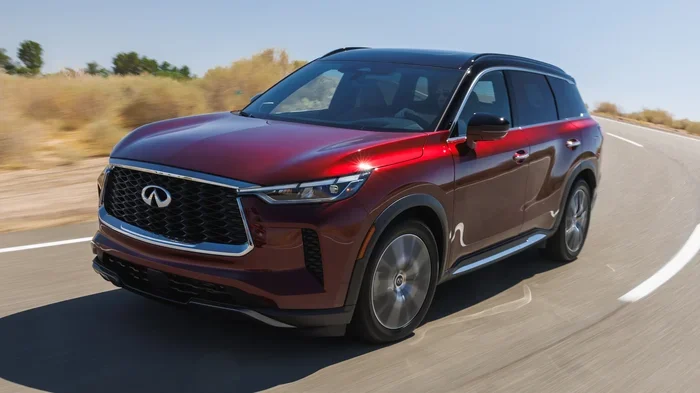
| Infiniti QX60 | Intelligent AWD | Family SUVs, all-weather comfort |
| Infiniti QX50 | Intelligent AWD | Compact luxury, city and highway |
| Infiniti QX80 | Full-Time AWD | Towing, off-road capability |
| Infiniti Q50 | Active AWD | Sporty sedans, dynamic handling |
| Infiniti QX55 | Intelligent AWD | Coupe SUVs, style and performance |
Each model has its own AWD calibration. The QX60, for instance, focuses on comfort and stability for families. The Q50, on the other hand, is tuned for sportier driving with quicker torque shifts. This means the AWD system feels different depending on which Infiniti you drive.
If you are curious about how hybrid models fit into this picture, it is worth noting that some Infiniti hybrids use a combination of electric motors and AWD. The electric motor can power the front wheels while the gas engine powers the rear, or vice versa. This setup offers a unique take on all-wheel drive that is both efficient and fun. You can learn more about how hybrid powertrains switch between power sources in our detailed guide on at what point does a hybrid switch to gas.
Benefits of Driving an Infiniti with AWD
There are many reasons to choose an Infiniti with AWD. Here are some of the biggest benefits you will enjoy.
Improved Safety
AWD gives you better control in unpredictable road conditions. When the pavement is wet or covered in light snow, an AWD Infiniti handles with confidence. The system helps prevent skidding and sliding, which makes every trip safer for you and your passengers.
Better Performance
Infiniti AWD systems are designed for performance. The variable torque distribution means the car feels planted and responsive, whether you are accelerating out of a corner or cruising on the interstate. This is one of the reasons Infiniti has built such a strong reputation for driving dynamics.
Greater Resale Value
AWD vehicles tend to hold their value better than their two-wheel drive counterparts. Buyers love the added capability and confidence that AWD provides. If you plan to sell or trade in your Infiniti down the road, AWD can make a real difference in its resale price.
Year-Round Usability
With AWD, you do not have to worry about seasonal driving limitations. Rain, snow, ice, or dry pavement, your Infiniti AWD system is ready for it all. This makes it a great choice for drivers who live in areas with varied weather throughout the year.
Common Mistakes and How to Avoid Them
Even with a great system like Infiniti AWD, there are some common mistakes owners make. Avoiding these can help keep your AWD system in top shape.
- Ignoring Regular Maintenance: The AWD system needs periodic fluid changes and inspections. Skipping these can lead to premature wear.
- Driving on Worn Tires: AWD works best when all four tires have similar tread depth. Mismatched tires can strain the system and reduce performance.
- Overloading the Vehicle: Exceeding the recommended payload can stress the drivetrain components, including the transfer case and differentials.
- Neglecting Tire Pressure: Low tire pressure affects traction and forces the AWD system to work harder than necessary.
- Assuming AWD Replaces Safe Driving: AWD helps with traction, but it does not make your car invincible. Always drive according to road conditions.
Quick Tips for Maintaining Your Infiniti AWD System
Keeping your Infiniti AWD system in great shape does not have to be complicated. Follow these simple tips for years of reliable performance.
- Check AWD Fluid Regularly: The transfer case and differential fluids should be changed at the intervals recommended in your owner manual.
- Inspect for Leaks: Look underneath your car for any signs of fluid drips or puddles. Early detection can prevent costly repairs.
- Rotate Your Tires: Regular tire rotation ensures even wear and helps the AWD system distribute power evenly.
- Pay Attention to Warning Lights: If the AWD warning light comes on, have the system checked by a certified technician as soon as possible.
- Drive Gently When Warm: Allow the AWD system to warm up before pushing hard in cold weather. This helps the fluid circulate properly.
Expert Insights on Infiniti AWD Technology
According to Infiniti engineers, the AWD system is designed with a philosophy of “intelligent simplicity.” The goal is to give drivers a system that works automatically without requiring any input or intervention. The sensors, ECU, and transfer case all work together as a seamless unit.
One expert insight worth noting is that Infiniti AWD systems are calibrated differently depending on the vehicle platform. A luxury sedan like the Q50 needs a sportier feel, while a family SUV like the QX60 prioritizes smoothness and stability. This attention to detail is what makes Infiniti AWD feel so natural in every model.
Another key point from experts is that AWD technology continues to evolve. Newer Infiniti models incorporate more advanced sensors and faster-processing computers. This means the system reacts even quicker to changing road conditions, making every drive safer and more enjoyable.
How Does Infiniti AWD Work Compared to Other Brands
It is always helpful to compare Infiniti AWD with what other brands offer. Here is a quick comparison.
- Infiniti: Uses intelligent variable torque distribution with real-time sensor feedback. The system adapts smoothly and is tuned for both comfort and sport.
- BMW xDrive: Similar in concept, with a focus on sporty handling. BMW xDrive tends to be more rear-biased in its default power split.
- Audi Quattro: One of the most well-known AWD systems. Audi Quattro uses a center differential for continuous torque distribution.
- Acura SH-AWD: Offers torque vectoring, which sends more power to the outer wheel during turns for sharper handling.
While each brand has its strengths, Infiniti AWD stands out for its balance of performance, comfort, and reliability. It is not the flashiest system on the market, but it is incredibly effective in everyday driving situations.
When to Consider AWD Versus Two-Wheel Drive
Not every Infiniti model needs AWD. Here is a quick guide to help you decide.
Choose AWD if:
- You live in an area with harsh winters or frequent rain
- You enjoy spirited driving and want better handling
- You frequently drive on unpaved or uneven roads
- You want the best resale value for your vehicle
Two-Wheel Drive May Be Fine if:
- You live in a mild climate with little snow
- Your driving is mostly highway commuting
- You are looking for better fuel economy
- Your budget is tighter and you want a lower starting price
For most drivers, AWD is a worthwhile investment. It adds a layer of confidence and capability that two-wheel drive simply cannot match. And with Infiniti’s refined AWD systems, you are getting a premium experience that enhances every drive.
Conclusion
How does Infiniti AWD work comes down to a smart combination of hardware and software working together in harmony. From the transfer case to the electronic sensors, every component plays a vital role in delivering power where it is needed most. The result is a driving experience that feels confident, stable, and engaging in virtually any condition.
Whether you are navigating a rainy highway, tackling a mountain road, or simply commuting through the city, Infiniti AWD has you covered. The system works silently in the background, making adjustments you will never even notice but will absolutely feel.
Understanding your AWD system also helps you take better care of your vehicle. Regular maintenance, proper tire care, and attention to warning signs go a long way in keeping the system running at its best. With the right knowledge and a little care, your Infiniti AWD will serve you well for many miles to come.
So the next time you press the accelerator and feel that confident grip on the road, you will know exactly what is happening beneath the surface. That is the beauty of Infiniti AWD, and now you know the full story behind it.
Does Infiniti AWD work in all weather conditions?
Yes, Infiniti AWD is designed to work in a variety of weather conditions including rain, light snow, and dry pavement. The system automatically adjusts torque distribution based on traction sensors, so it adapts to whatever the road throws at you. However, for severe off-road conditions, other drivetrain systems may be better suited.
How often should I service my Infiniti AWD system?
Infiniti recommends checking and changing AWD fluid at regular maintenance intervals, typically every 30,000 to 60,000 miles. Always refer to your owner manual for the specific schedule for your model. Regular inspections help catch potential issues before they become expensive repairs.
Can I drive my Infiniti AWD in off-road conditions?
Infiniti AWD systems are primarily designed for on-road use and light off-road conditions. They handle gravel, dirt roads, and mild trails well. However, for serious off-roading, a dedicated four-wheel-drive system with low-range gearing would be more appropriate.
Does AWD affect fuel economy on Infiniti vehicles?
Yes, AWD systems add weight and mechanical complexity, which can slightly reduce fuel economy compared to two-wheel drive versions. Infiniti engineers work to minimize this impact through efficient designs and smart power distribution. The trade-off in fuel economy is often worth the added traction and safety benefits.
What should I do if my AWD warning light comes on?
If the AWD warning light illuminates on your dashboard, have the system inspected by a certified Infiniti technician as soon as possible. The light could indicate a sensor issue, low fluid level, or a problem with the transfer case. Addressing it early can prevent more serious damage to the drivetrain.
Is Infiniti AWD the same across all models?
No, Infiniti uses different AWD calibrations depending on the model and platform. The QX60 focuses on comfort and stability, while the Q50 is tuned for sportier performance. Each system shares the same core technology but is customized for the driving experience each model is designed to deliver.
Frequently Asked Questions
What is How Does Infiniti AWD Work?
How Does Infiniti AWD Work is an important topic with many practical applications.