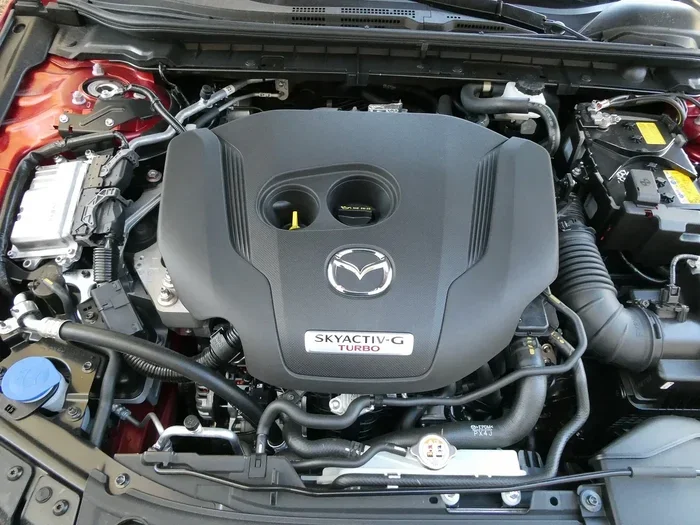
Does Ford Use Mazda Engines in Their Vehicles Today
Ford has a long history with Mazda, and the answer to whether Ford uses Mazda engines is both yes and no. While modern Ford vehicles mostly rely on Ford’s own powertrains, some past models and certain international editions did use Mazda-sourced engines. Today, the partnership focuses on shared platforms and hybrid technology rather than direct engine swaps.
Does Ford use Mazda engines? It is a question that pops up in car forums, enthusiast groups, and casual conversations all the time. The short answer is that Ford does not use Mazda engines in its current lineup sold in major markets like the United States and Canada. However, the full story is much richer. Ford and Mazda have been partners for decades, and that history includes some very specific moments where a Ford vehicle actually did carry a Mazda powerplant. Today, the relationship has shifted toward shared platforms, joint ventures on electric vehicles, and technology sharing rather than swapping engines directly.
If you are curious about whether your Ford might have a Mazda engine under the hood, or you simply want to understand the depth of this automaker partnership, you are in the right place. We will walk through the history, the current state of affairs, and what the future might hold. Along the way, we will clear up common myths and give you practical facts you can use the next time you are at a dealership or reading a spec sheet.
Key Takeaways
- Historical Use: Ford used Mazda engines in models like the Ford Telstar and Ford Laser decades ago.
- Current Partnership: Ford and Mazda still collaborate on platforms, but Ford builds its own engines for most vehicles today.
- Hybrid Tech: Ford’s hybrid systems are developed in-house, though the Mazda hybrid synergy is worth exploring.
- Shared Platforms: The Ford Ranger and Mazda BT-50 share a platform, but they use different engines.
- No Direct Swap Today: You won’t find a Mazda engine under the hood of a new Ford car, SUV, or truck sold in North America.
- Global Variations: Some Ford models in specific markets may have used Mazda-derived engines in the past.
- Learn More: For details on how hybrid systems transition, check our guide on when a hybrid switches to gas.
📑 Table of Contents
- The Ford-Mazda Partnership: A Long History
- Does Ford Use Mazda Engines in Current Models?
- Why People Think Ford Uses Mazda Engines
- Ford Models That Had Mazda Engines
- What Engines Does Ford Use Now?
- What Does the Future Hold for Ford and Mazda Engines?
- Common Mistakes People Make About Ford and Mazda Engines
- Expert Insight: The Real Value of the Ford-Mazda Partnership
- Key Takeaways
The Ford-Mazda Partnership: A Long History
The relationship between Ford and Mazda dates back to the 1970s. Ford took a stake in Mazda, and over the years, the two companies worked closely together. This partnership led to shared platforms, shared parts, and yes, shared engines in some models. Understanding this history helps explain why people still ask if Ford uses Mazda engines today.
When Ford Did Use Mazda Engines
In the 1980s and 1990s, Ford sold rebadged Mazda models in several markets. The Ford Telstar, for example, was essentially a Mazda Capella sold under the Ford badge in regions like Australia and parts of Asia. These cars came with Mazda engines, so in a very real sense, Ford was using Mazda engines during that era. The Ford Laser was another model based on the Mazda 323, and it too ran on Mazda power.
These were not just badge-engineered curiosities. The Ford Telstar and Ford Laser were genuine Ford products designed for specific regional markets. They proved that Ford could, and did, rely on Mazda engines when it made business sense. As Ford developed its own global engine families, the need for Mazda-sourced units faded.
The Modern Era: Shared Platforms, Not Engines
Today, Ford and Mazda share a lot of technology, but the engine sharing is mostly a thing of the past. The Ford Ranger and the Mazda BT-50 are built on the same platform, known internally as the Ford T6 platform. However, the Ranger uses Ford engines, such as the 2.3-liter EcoBoost gasoline and the 3.0-liter Power Stroke turbodiesel. The BT-50 uses a Mazda engine, typically a 3.0-liter V6 turbodiesel. So even though they share a skeleton, the powerplants are different.
This platform sharing extends to other models too. The Ford Bronco Sport and the Mazda CX-50 share some underpinnings, but each brand uses its own engine. Ford has invested heavily in its own EcoBoost engine family, and Mazda has its own SkyActiv engine technology. The days of Ford simply dropping a Mazda engine into a Ford vehicle are largely over.
Does Ford Use Mazda Engines in Current Models?
If you are shopping for a new Ford today, you will not find a Mazda engine in any model sold in North America. Ford builds its own engines for the F-Series trucks, the Ford Explorer, the Ford Mustang, the Ford Escape, and every other vehicle in its lineup. The Ford F-150 uses a range of Ford V6 and V8 engines, including the powerful 5.0-liter V8 and the 3.5-liter EcoBoost. The Ford Escape offers a 1.5-liter EcoBoost, a 2.0-liter EcoBoost, and a hybrid powertrain that is entirely Ford developed.
In other parts of the world, Ford has sold vehicles that used engines co-developed with Mazda or based on Mazda designs. But even in those cases, Ford usually rebranded or further developed the engine. The Ford Puma, a small crossover sold in Europe, uses a 1.0-liter EcoBoost engine from Ford, not a Mazda unit. The Ford Ka+ in some markets used a 1.0-liter engine that was part of a shared Ford-GlobalEngineFamily, but not a Mazda engine.
So the direct answer is no, Ford does not use Mazda engines in its current vehicles sold to consumers in most markets. The partnership is now about efficiency, electrification, and platform architecture.
Ford Hybrids and the Mazda Connection
Ford has a growing hybrid lineup, including the Ford Escape Hybrid, the Ford Maverick Hybrid, and the Ford Explorer Hybrid. These systems use Ford’s own 2.5-liter Atkinson-cycle engine paired with an electric motor. The hybrid technology is developed and engineered by Ford. Mazda also has its own hybrid system, used in vehicles like the Mazda CX-60 and Mazda CX-50 hybrids. While both companies work on electrification, they are not sharing hybrid powertrains directly.
That said, Ford and Mazda have announced a joint venture to develop a new electric platform. This platform will underpin future Ford and Mazda electric vehicles. It is a major step in the partnership, but it focuses on the skateboard-like EV platform, not on engines. When you ask if Ford uses Mazda engines, this joint EV work is the modern version of that collaboration.
Why People Think Ford Uses Mazda Engines
There are several reasons why this question keeps coming up. The Ford-Mazda partnership is well known, and people naturally assume that means engine sharing. In the past, Ford sold rebadged Mazdas, which blurred the lines between the two brands. Also, the shared platforms like the Ranger and BT-50 create confusion. If two trucks look alike and share a platform, people often assume they share an engine too.
Another reason is the internet. Car forums and social media groups are full of anecdotal claims. Someone might have owned a Ford Telstar with a Mazda engine and assumed all Fords had Mazda engines. Or they might have heard that the Ford Ranger and Mazda BT-50 are twins and guessed the engines are the same. It is easy to see how these assumptions grow.
It is also worth noting that Ford and Mazda do share some engine families in a broader sense. Both companies have used Ford’s 1.0-liter EcoBoost engine in some Mazda models in certain markets. For example, the Mazda2 in some regions used a Ford 1.0-liter EcoBoost engine. This is the reverse of what people usually think, but it shows how intertwined the two companies are in engine development.
The Ford-Mazda Engine Sharing in Reverse
Yes, Ford has actually supplied engines to Mazda. The 1.0-liter EcoBoost engine from Ford has been used in the Mazda2 and some other Mazda models. This is a great example of how the partnership works today. Ford provides a small, efficient engine that helps Mazda meet emissions and fuel economy targets. Mazda then tunes it for its own vehicles. This is not Ford using Mazda engines; it is Ford supplying engines to Mazda. The relationship is bidirectional, but it is not the engine swap the original question implies.
When you read about Ford using Mazda engines, you are usually looking at historical models or regional variants. The modern reality is much more about Ford using Ford engines and Mazda using Mazda engines, with some smart sharing of platforms and small engines.
Ford Models That Had Mazda Engines
To really understand the Ford-Mazda engine story, it helps to look at specific models. Here are some notable Ford vehicles that used Mazda engines or were based on Mazda platforms.
Ford Telstar
The Ford Telstar was sold in Australia, New Zealand, and parts of Asia from the 1980s to the late 1990s. It was based on the Mazda Capella (also known as the Mazda 626). The Telstar came with Mazda engines, including the 2.0-liter and 2.5-liter four-cylinder engines. It was a popular mid-size sedan in its time and is a great example of Ford using Mazda engines directly.
Ford Laser
The Ford Laser was a compact car sold in many markets, including Japan, Australia, and Southeast Asia. It was essentially a rebadged Mazda 323. The Laser used Mazda engines, such as the 1.3-liter and 1.5-liter four-cylinder units. For many buyers, the Ford Laser was their first car, and it had a Mazda heart.
Ford Probe
The Ford Probe was a sporty coupe sold in the United States from 1989 to 1997. It was based on the Mazda MX-6 platform and used Mazda engines. The Probe offered a 2.2-liter four-cylinder and a 2.5-liter V6, both developed by Mazda. This is one of the most well-known examples of Ford using a Mazda engine in a car sold in North America.
These models show that Ford has a real history of using Mazda engines. But they are all discontinued now. The last Ford Probe rolled off the line in 1997. The Ford Telstar and Laser are long gone from Ford showrooms. Today, Ford relies on its own engine designs.
What Engines Does Ford Use Now?
Ford has a strong and diverse engine lineup today. Understanding what is under the hood of current Ford vehicles helps put the Mazda engine question to rest.
The EcoBoost Engine Family
Ford EcoBoost engines are the backbone of the modern Ford lineup. These are turbocharged, direct-injection gasoline engines that offer a great balance of power and efficiency. The 1.0-liter EcoBoost is a small three-cylinder used in the Ford Fiesta and some other models. The 1.5-liter EcoBoost is common in the Ford Focus and Ford Escape. The 2.0-liter EcoBoost is found in the Ford Explorer, Ford Edge, and Ford Mustang. The 2.3-liter EcoBoost is the heart of the Ford Ranger and the Ford Bronco. And the 3.5-liter EcoBoost is a powerful V6 used in the Ford F-150 and Ford Explorer.
All of these EcoBoost engines are designed and built by Ford. They are not Mazda engines, even though Ford and Mazda have shared some engine architecture in the past. The EcoBoost family is a Ford-exclusive powertrain that powers millions of vehicles worldwide.
The Duratec and Cyclone Engines
Before EcoBoost, Ford used the Duratec engine family. These were naturally aspirated and some turbocharged engines that were reliable and efficient. The Duratec line evolved into the Cyclone engines, which are still used in some Ford models today. The 2.5-liter Duratec/Cyclone engine is a naturally aspirated four-cylinder found in the Ford Escape and Ford Maverick. While Ford has roots in the Duratec family, these engines are not Mazda designs.
Ford Diesel Engines
For truck buyers, Ford offers the Power Stroke diesel engine. The 3.0-liter Power Stroke V6 is available in the Ford F-150 and the Ford Ranger. The 6.7-liter Power Stroke V8 is the big diesel in the Super Duty trucks. These are all Ford engines, developed and manufactured by Ford. Mazda does not supply diesel engines to Ford for any current model.
Ford also offers hybrid versions of several models, including the Ford Escape Hybrid, Ford Maverick Hybrid, and Ford Explorer Hybrid. These hybrid systems use Ford’s own 2.5-liter Atkinson-cycle engine paired with an electric motor. The entire system is engineered by Ford, not Mazda.
What Does the Future Hold for Ford and Mazda Engines?
The Ford-Mazda partnership is evolving. Both companies are investing heavily in electric vehicles and new technologies. The joint venture to develop a new electric platform is a big deal. This platform will be used by both Ford and Mazda for future EVs. It is a shared investment that makes sense for both brands.
When it comes to combustion engines, Ford is moving toward its own designs. The Ford EcoBoost family will continue to evolve, and Ford is also working on new engines for its hybrid and plug-in hybrid vehicles. Mazda is doing the same with its SkyActiv engines. The two companies will likely continue to share platforms and some components, but the engines will remain separate.
So, does Ford use Mazda engines? In the past, yes. In some specific models and markets, Ford relied on Mazda power. Today, the answer is no for most consumers. Ford builds its own engines, and the partnership with Mazda is focused on platforms, electrification, and efficiency. The days of a Mazda engine in a Ford vehicle are mostly a thing of the past, except in historical models and some niche international editions.
If you are curious about how hybrid technology works and when a hybrid system switches to gas power, we have a detailed guide on when a hybrid switches to gas that you might find helpful. It explains the transition between electric and gasoline power in modern hybrid vehicles, which is a great companion to understanding Ford’s hybrid powertrains.
Common Mistakes People Make About Ford and Mazda Engines
There are a few mistakes that car buyers and enthusiasts often make when thinking about Ford and Mazda engines. Knowing these can save you from confusion.
- Assuming all Ford Rangers have Mazda engines: The Ford Ranger uses Ford engines. The Mazda BT-50 uses a Mazda engine. They share a platform, not a powerplant.
- Thinking the Ford Probe was a Ford engine car: The Ford Probe used Mazda engines. It is a clear example of Ford using Mazda power, but it is a discontinued model.
- Believing Ford and Mazda share all engines today: They share platforms and some small engines in reverse (Ford supplying Mazda), but not the main engines in Ford vehicles.
- Confusing hybrid systems: Ford hybrids use Ford engines. Mazda hybrids use Mazda engines. They are not interchangeable.
- Ignoring regional differences: Some Ford models sold in specific countries may have used Mazda engines decades ago. Today, even those regional models use Ford engines.
Expert Insight: The Real Value of the Ford-Mazda Partnership
From an industry perspective, the Ford-Mazda partnership is a smart play for both companies. By sharing platforms, they can reduce costs and bring products to market faster. Ford gets access to Mazda’s expertise in efficient internal combustion engines and hybrid systems, while Mazda benefits from Ford’s global scale and truck expertise. The engine sharing that did happen in the past was a natural result of this close collaboration, but it was always a temporary measure driven by market needs.
Today, both brands are stronger for having their own distinct engine families. Ford’s EcoBoost engines are renowned for their power and efficiency. Mazda’s SkyActiv engines are praised for their responsiveness and fuel economy. The partnership now focuses on the future, with shared EV platforms and joint development of next-generation technologies. This is a healthier relationship than simply swapping engines back and forth.
So when you ask, does Ford use Mazda engines, the most accurate answer for today is no. The Ford-Mazda relationship is deeper than that, but it is not about putting a Mazda engine in a Ford vehicle. It is about building better cars together, on shared foundations, with each brand keeping its own powertrain identity.
Key Takeaways
- Ford and Mazda have a long partnership that includes past engine sharing: Models like the Ford Telstar, Ford Laser, and Ford Probe used Mazda engines.
- Today, Ford uses its own engines in all current models: The EcoBoost, Duratec, Cyclone, and Power Stroke families are all Ford designs.
- Shared platforms do not mean shared engines: The Ford Ranger and Mazda BT-50 share a platform but use different powerplants.
- Ford has supplied engines to Mazda: The 1.0-liter EcoBoost has been used in some Mazda models, showing the partnership is bidirectional.
- Ford hybrids are Ford-developed: The Escape Hybrid, Maverick Hybrid, and Explorer Hybrid use Ford’s own 2.5-liter hybrid engine.
- The future is about shared EV platforms: Ford and Mazda are jointly developing a new electric platform, not sharing combustion engines.
- For hybrid transition details, see our guide on when a hybrid switches to gas: This explains the electric-to-gas shift in modern hybrids.
Frequently Asked Questions
Did any recent Ford models use a Mazda engine?
No recent Ford model sold in North America uses a Mazda engine. The last Ford models to use Mazda engines were discontinued decades ago, like the Ford Probe. All current Ford vehicles use Ford-built engines.
What is the difference between the Ford Ranger and the Mazda BT-50?
The Ford Ranger and Mazda BT-50 share the same platform, but they use different engines. The Ranger uses Ford engines, while the BT-50 uses a Mazda engine. They are built for the same market but maintain brand-specific powertrains.
Why do people think Ford uses Mazda engines?
People think this because of the long Ford-Mazda partnership, past rebadged models like the Ford Telstar, and the shared platforms between the Ford Ranger and Mazda BT-50. These factors create a natural assumption of engine sharing that is no longer true for modern vehicles.
Has Ford ever supplied engines to Mazda?
Yes, Ford has supplied engines to Mazda. The Ford 1.0-liter EcoBoost engine has been used in the Mazda2 and some other Mazda models in certain markets. This shows the partnership is not one-sided, but it is the reverse of Ford using Mazda engines.
Are Ford and Mazda working together on any new technology?
Yes, Ford and Mazda have a joint venture to develop a new electric platform. This platform will underpin future Ford and Mazda electric vehicles. The collaboration focuses on electrification and shared architecture, not on sharing combustion engines.
Where can I learn more about how hybrid systems work?
You can read our detailed article on when a hybrid switches to gas. It explains the transition between electric and gasoline power in hybrid vehicles, which is relevant to understanding Ford’s hybrid powertrains.
=== CONCLUSION ===
The question does Ford use Mazda engines in their vehicles today has a clear answer: no, not for current models sold to most consumers. Ford has a rich history with Mazda that includes some notable engine sharing, but those days are behind us. Today, Ford builds its own powerful and efficient engines for every vehicle in its lineup, from the F-150 to the Ford Escape. The Ford-Mazda partnership is now focused on shared platforms, joint electric vehicle development, and technology exchange, not on swapping combustion engines.
If you are a Ford fan or just curious about automaker relationships, this history is fascinating. The Ford Probe, the Ford Telstar, and the Ford Laser are reminders of a time when Mazda engines powered Ford cars. But the modern Ford is all about Ford engines, Ford technology, and Ford innovation. As the industry moves toward electrification, the partnership will likely deepen in other areas, but the engines will remain distinct. Understanding this helps you make informed decisions and appreciate the engineering behind every Ford vehicle you see on the road today.