How Long Do Subaru WRX Models Last Everything You Need
Subaru WRX models can last 200,000 to 300,000 miles or more with proper care. The Subaru WRX is built on a durable platform with a turbocharged engine that handles high mileage well. Regular maintenance, timely oil changes, and addressing common issues early are the keys to maximizing your WRX lifespan.
Key Takeaways
- WRX longevity is impressive: Most models easily reach 200,000 miles with routine care.
- Engine and transmission are the core strengths: The EJ and FA20 engines are known for durability.
- Common problems are manageable: Head gasket issues and turbo wear are fixable when caught early.
- Maintenance intervals matter: Sticking to the service schedule dramatically extends WRX life.
- Driving style affects longevity: Aggressive driving wears parts faster than gentle daily use.
- Aftermarket support is strong: Upgraded parts can further boost WRX durability and performance.
📑 Table of Contents
- How Long Do Subaru WRX Models Last: What the Numbers Say
- Understanding the WRX Generations and Their Longevity
- Common Subaru WRX Problems That Affect Lifespan
- Maintenance Tips to Extend Your WRX Life
- WRX Performance and Daily Driving: Can It Handle the Mileage?
- When to Replace Your Subaru WRX
- Key Takeaways
How Long Do Subaru WRX Models Last: What the Numbers Say
If you own a Subaru WRX or are thinking about buying one, you probably wonder about long-term reliability. How long do Subaru WRX models actually last? The short answer is that a well-maintained WRX can go well beyond 200,000 miles. Many owners report crossing the 300,000-mile mark without major engine or transmission failures.
The WRX has a strong reputation in the car world. It was born from rally racing DNA. That means the engineers built it to handle stress, heat, and rough conditions. But like any car, the WRX lifespan depends on how you treat it. Maintenance habits, driving style, and even climate play a role.
Let us break down everything you need to know about WRX reliability. We will cover generations, common problems, maintenance schedules, and real-world owner experiences. By the end, you will have a clear picture of what to expect from your WRX.
Whether you drive a first-generation 2002 model or a brand-new 2024 WRX, this guide covers it all. We will also share practical tips to help you get the most miles out of your car. So let us dive in.
What Makes the WRX Built to Last?
The Subaru boxer engine is the heart of the WRX. It uses a flat-four design that lowers the center of gravity. This design also means fewer moving parts compared to a V-style engine. Fewer parts often means fewer things to break.
The turbocharging system adds power but also adds heat. Subaru engineers addressed this with robust internals. The WRX block and head are cast from strong materials. The connecting rods and pistons are designed to handle boost pressure for years.
Another factor is the symmetrical all-wheel-drive system. Every WRX comes with AWD standard. This system distributes power evenly to all four wheels. It reduces strain on any single drivetrain component. That even distribution helps the car last longer under hard driving conditions.
Understanding the WRX Generations and Their Longevity
The Subaru WRX has gone through several generations. Each one brought improvements in reliability and performance. Let us look at the major generations and what owners can expect from each.
First Generation (2002-2007): The GD/GR Chassis
The first WRX was a revelation. It took the Impreza platform and added a turbocharged engine. The EJ20 engine in these early models is legendary. Many first-generation WRX cars are still on the road today with original engines.
Owners report that the EJ20 engine easily handles 250,000 miles. The main weak point is the head gasket. This issue is more common in the 2002-2005 models. However, it is fixable and does not mean the car is a write-off. Regular oil changes and monitoring coolant levels help prevent head gasket failure.
Second Generation (2008-2014): The GR Chassis
The second-generation WRX refined the formula. Subaru kept the EJ engine family but improved cooling and internals. The EJ255 engine became the standard turbo option. This engine is slightly larger and more refined than the EJ20.
Owners of the 2008-2014 WRX report excellent longevity. 200,000 miles is a common milestone. The transmission is also strong. The five-speed manual gearbox is one of the most durable in the sport compact class. Some owners push their WRX past 250,000 miles without any major drivetrain work.
Third Generation (2015-2021): The FB25 and FA20 Engines
The third generation brought a major change. Subaru introduced the FA20 engine in the 2015 WRX. This flat-four engine used direct injection and was more fuel-efficient. It also produced similar power to the EJ255.
The FA20 engine has proven reliable so far. Early models had some concerns about direct injection carbon buildup. This is a common issue with all direct-injection engines. However, it does not significantly shorten the engine lifespan. Regular walnut blasting or fuel additives can prevent this issue.
The 2015-2021 WRX also introduced the CVT transmission option. The CVT is smooth and efficient. However, some owners prefer the manual transmission for longevity. The manual gearbox in these models is a six-speed unit that handles high torque well.
Fourth Generation (2022-Present): The VT Platform
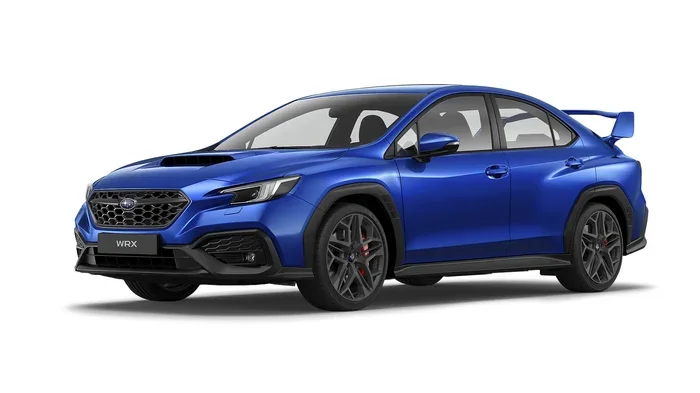
The latest WRX is built on a new global platform. It shares its base with the Legacy and Outback. The engine is now the FA24, a larger flat-four with 271 horsepower. This engine is the most powerful WRX ever produced from the factory.
Early data on the 2022+ WRX looks promising. The FA24 engine features stronger internals than the FA20. It also benefits from years of Subaru turbo engine refinement. Time will tell exactly how long these models last, but the engineering suggests a long lifespan ahead.
Common Subaru WRX Problems That Affect Lifespan
No car is perfect. The WRX has its share of known issues. Understanding these problems helps you address them before they cause serious damage. Here are the most common issues that affect WRX longevity.
Head Gasket Failure
The head gasket is the seal between the engine block and cylinder head. On older WRX models, this gasket can fail over time. Symptoms include coolant loss, white smoke from the exhaust, and overheating.
Head gasket failure is more common in the first and second generations. The EJ20 and EJ255 engines are susceptible under certain conditions. High-mileage WRX owners should watch for these signs. Catching a failing head gasket early prevents catastrophic engine damage.
If you suspect a head gasket issue, do not ignore it. Continued driving with a blown head gasket can ruin the engine. Repair costs vary but typically range from $1,500 to $3,000. It is far cheaper than a full engine replacement.
Turbocharger Wear
The WRX turbo is a precision component. It spins at extremely high RPMs under boost. Over time, the turbo bearings can wear out. Oil leaks and whining noises are early warning signs.
Turbo failure is more common in heavily modified WRX cars. Stock turbos on unmodified engines often last the life of the car. If you drive your WRX hard regularly, the turbo may need attention around 150,000 to 200,000 miles.
Replacing a turbo is expensive. A new OEM turbo can cost $2,000 or more. This is why gentle warm-up and cool-down routines matter so much. Letting the engine idle for 30 seconds before driving and letting it cool after hard runs extends turbo life significantly.
Transmission Issues
The WRX manual transmission is generally very reliable. However, the clutch can wear out, especially in stop-and-go traffic. A new clutch typically lasts 80,000 to 120,000 miles depending on driving habits.
The CVT transmission in newer WRX models has its own concerns. Some owners report shuddering or jerking at higher mileage. Regular fluid changes help prevent CVT issues. Subaru recommends changing CVT fluid every 30,000 miles.
Oil Consumption and Sludge
Some WRX models, particularly the FA20, consume oil at higher rates. This is a known issue across several Subaru engines. Checking your oil level regularly is essential.
Oil sludge can form if oil changes are skipped. Sludge clogs oil passages and reduces lubrication. This can lead to accelerated engine wear. Sticking to the 6,000-mile oil change interval or shorter is one of the best things you can do for your WRX.
Maintenance Tips to Extend Your WRX Life
Proper maintenance is the single biggest factor in WRX longevity. A well-cared-for WRX will outlast a neglected one by a wide margin. Here are the most important maintenance steps you should follow.
Oil Changes: The Most Critical Task
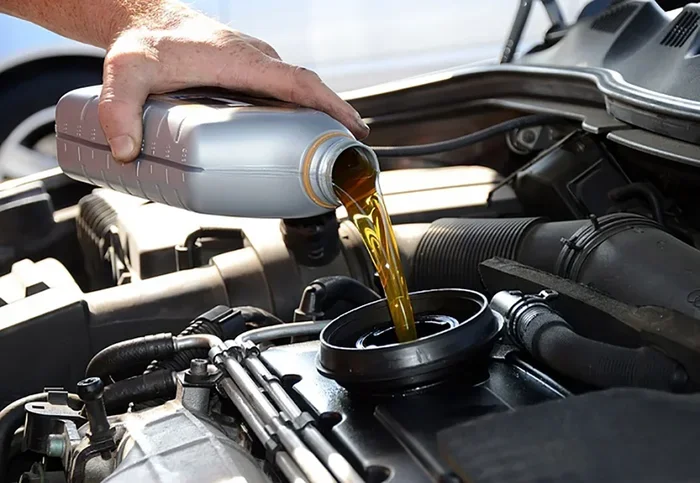
Oil is the lifeblood of your turbocharged engine. The WRX turbo creates extreme heat and pressure. Clean oil keeps everything lubricated and cool. Dirty oil breaks down and loses its protective properties.
Follow these oil change guidelines for best results:
- Use synthetic oil rated for turbo engines.
- Change oil every 5,000 to 6,000 miles.
- Replace the oil filter with every oil change.
- Check oil level at least once a month.
- Use the oil weight recommended in your owner manual.
Skipping oil changes is the fastest way to kill a WRX engine. The turbo bearings need clean oil at all times. Even a single missed change can cause damage over time.
Cooling System Care
The WRX generates more heat than a naturally aspirated engine. The cooling system works hard to keep temperatures in check. Neglecting the cooling system leads to overheating and engine damage.
Check these cooling system components regularly:
- Coolant level and condition.
- Hoses for cracks or leaks.
- Radiator for debris or damage.
- Thermostat for proper operation.
- Water pump for leaks.
Flush the coolant every 30,000 miles. Use Subaru-approved coolant to avoid compatibility issues. A well-maintained cooling system is one of the easiest ways to protect your engine long-term.
Timing Belt and Drive Belt Maintenance
Older WRX models use a timing belt. This belt drives the camshafts and must be replaced at regular intervals. The recommended replacement interval is typically 105,000 miles or 7 years, whichever comes first.
Ignoring timing belt replacement is risky. A broken timing belt can cause engine damage in interference engines. The cost of replacement is far less than the cost of a new engine.
Newer WRX models may use a timing chain. Chains are generally more durable but still need inspection. Ask your mechanic to check the timing chain tension during routine service.
Spark Plugs and Ignition System
Fresh spark plugs ensure proper combustion. Worn plugs cause misfires, reduced power, and poor fuel economy. Replace spark plugs every 30,000 to 60,000 miles depending on the type.
The ignition coils and plug wires should also be inspected. Faulty ignition components put extra strain on the engine. Replacing them proactively prevents bigger problems down the road.
If You Want to Diagnose Issues Yourself
Many WRX owners enjoy working on their cars. Basic diagnostics are easier than you might think. If you are curious about doing your own car diagnostics, you can start with an OBD-II scanner. These tools plug into your WRX and read error codes from the engine computer. They are affordable and can save you money on diagnostic fees at the shop.
Common WRX codes to watch for include boost pressure codes, knock sensor codes, and oil pressure warnings. Learning what these codes mean helps you address issues before they become expensive repairs.
WRX Performance and Daily Driving: Can It Handle the Mileage?
The WRX is a performance car, but it can also be a reliable daily driver. Many owners use their WRX for commuting and long road trips. The question is whether this lifestyle affects longevity.
Daily Driving a WRX
Daily driving a WRX is perfectly fine. The car is designed for real-world use. In fact, driving your WRX regularly keeps all systems lubricated and functioning properly. A car that sits unused for long periods can develop issues like flat spots on tires, battery drain, and fluid degradation.
For daily driving, focus on gentle warm-ups. Let the engine reach operating temperature before pushing it hard. This practice reduces wear on the turbo, transmission, and engine internals. A few minutes of easy driving in the morning goes a long way.
Long Distance Driving in a WRX
WRX owners often ask about long-distance driving and whether a performance car like the WRX can handle highway miles. The answer is yes. The WRX is well-suited for long road trips thanks to its comfortable seats, good visibility, and stable highway handling.
Long-distance driving actually benefits the WRX in some ways. It keeps the engine at a steady operating temperature, which burns off carbon deposits. It also exercises the transmission and drivetrain components, keeping them in good condition.
Just make sure to take breaks on very long trips. Stopping every 2-3 hours lets the engine cool down. It also gives you a chance to check fluid levels and tire pressure.
Fuel Economy Considerations
The WRX is not a fuel-efficient car. Expect around 20-25 MPG combined depending on the model year and driving style. Turbocharged engines consume more fuel than naturally aspirated ones.
Higher fuel consumption is a trade-off for the WRX performance. If fuel economy is a priority, consider how much you drive. A WRX used as a daily commuter in heavy traffic will cost more in fuel than one driven occasionally on weekends.
When to Replace Your Subaru WRX
Even with the best care, every car eventually needs replacing. Knowing when to move on from your WRX saves you money and prevents unexpected breakdowns.
Signs Your WRX Is Approaching End of Life
Watch for these warning signs that your WRX may need replacement:
- Major engine or transmission failure with repair costs exceeding the car value.
- Repeated issues with the same component despite multiple repairs.
- Excessive rust or structural corrosion that compromises safety.
- Rising maintenance costs that exceed monthly payments on a replacement vehicle.
- Safety features that are outdated compared to newer models.
WRX Resale Value and Longevity
The WRX holds its value well. This is partly because of its reputation for durability. A high-mileage WRX with service records still commands a good price on the used market.
If you plan to sell your WRX, keep detailed maintenance records. Buyers trust documented service history. A WRX with 150,000 miles and full service records often sells for more than one with 80,000 miles and no records.
Is the WRX Worth the Long-Term Investment?
For enthusiasts, the answer is usually yes. The WRX offers a driving experience that few cars in its price range can match. The combination of AWD, turbo power, and sharp handling makes it fun every time you get behind the wheel.
When you factor in the potential for 250,000-plus miles, the long-term cost of ownership becomes reasonable. Spread over 15 or 20 years of ownership, the annual cost can be quite low compared to replacing cars every few years.
Key Takeaways
The Subaru WRX is a car built to last. With proper maintenance and sensible driving habits, you can expect your WRX to serve you well beyond 200,000 miles. The boxer engine platform, all-wheel-drive system, and turbocharged design give the WRX a strong foundation for longevity.
Common issues like head gasket problems and turbo wear are manageable when caught early. Regular oil changes, cooling system maintenance, and timely repairs are the keys to maximizing your WRX lifespan. Whether you daily drive your WRX or use it for weekend fun, this car rewards owners who take care of it.
So if you are asking yourself, “how long do Subaru WRX models last,” the answer is clear. With the right care, your WRX can be a reliable companion for decades. Treat it well, and it will reward you with years of spirited driving and unforgettable experiences on the road.
Frequently Asked Questions
How many miles can a Subaru WRX last?
A well-maintained Subaru WRX can last 200,000 to 300,000 miles or more. The engine and transmission are designed for high-mileage durability. Regular maintenance is the biggest factor in reaching these mileages.
What is the most common problem with the Subaru WRX?
The most common issue is head gasket failure, especially in first and second-generation models. Other frequent problems include turbo wear, oil consumption, and CVT transmission concerns in newer models. Most of these issues are preventable with proper maintenance.
Is the Subaru WRX reliable for daily driving?
Yes, the WRX is reliable for daily driving. The all-wheel-drive system and turbocharged engine are designed for real-world use. Many owners log 15,000+ miles per year as their daily commuter without major issues.
How often should I change the oil in my WRX?
Change the oil every 5,000 to 6,000 miles for best results. Using synthetic oil designed for turbocharged engines is essential. More frequent changes are recommended if you drive in hot climates or tow heavy loads.
Does modifying a WRX reduce its lifespan?
Modifications can reduce lifespan if done poorly or if the car is driven aggressively. However, bolt-on upgrades like intake and exhaust systems usually do not affect longevity. Major engine modifications require careful tuning and quality parts to maintain reliability.
When should I replace the timing belt on my WRX?
Replace the timing belt every 105,000 miles or 7 years on older WRX models. Newer models with timing chains should have the chain inspected during routine service. Replacing the timing belt on schedule prevents costly engine damage.
=== CONCLUSION ===
The Subaru WRX is one of the most durable performance cars on the road today. How long do Subaru WRX models last is a question with a very encouraging answer. With proper care, your WRX can easily surpass 200,000 miles and potentially reach 300,000 miles or beyond. The boxer engine architecture, symmetrical AWD system, and turbocharged design give the WRX a strong foundation for a long life.
Stay on top of oil changes, watch for common issues like head gasket wear and turbo degradation, and drive with awareness. These simple habits make a massive difference over the life of the car. The WRX rewards owners who invest a little time and money into maintenance.
Whether you are a first-time WRX buyer or a long-time owner, this car is built to keep up with you. It is more than a performance car. It is a reliable daily driver, a weekend warrior, and a loyal companion on the road. Take care of it, and it will take care of you for many years to come.