How Long Do Subaru Transmissions Last and Why It Matters
Most Subaru transmissions last between 150,000 and 250,000 miles when properly maintained. The lifespan depends heavily on the type of transmission, driving habits, and regular transmission maintenance. Understanding what affects your Subaru’s drivetrain can save you thousands in costly repairs and keep your car running reliably for years.
So, you own a Subaru or you are thinking about buying one. Great choice. These cars are known for their all-wheel drive systems and solid build quality. But one question keeps popping up in forums and owner groups: how long do Subaru transmissions last?
The short answer is that most Subaru transmissions can go anywhere from 150,000 to 250,000 miles before they need major work. But that number changes a lot depending on the model, the type of transmission, and how well you take care of it. Let us break it all down so you know exactly what to expect.
Whether you drive a Subaru WRX, a trusty Forester, or a rugged Outback, understanding your transmission is one of the smartest things you can do as a car owner. It saves money. It prevents surprises. And it keeps your daily commute smooth and worry-free.
Key Takeaways
- Average Lifespan: Subaru transmissions typically last 150,000 to 250,000 miles with proper care.
- CVT vs. Manual: CVT transmissions require more frequent fluid changes but can last just as long as manual gearboxes.
- Maintenance Matters: Regular fluid changes and timely repairs dramatically extend transmission life.
- Driving Habits Count: Aggressive driving, towing, and stop-and-go traffic wear out transmissions faster.
- Warning Signs Exist: Strange noises, slipping gears, and delayed shifting are red flags you should never ignore.
- Cost of Replacement: A full transmission rebuild can cost $2,500 to $5,000, making prevention far cheaper.
📑 Table of Contents
- Understanding Subaru Transmission Types
- How Long Do Subaru Transmissions Last on Average?
- Factors That Affect Transmission Lifespan
- Transmission Maintenance Tips for Longevity
- Common Transmission Problems in Subaru Vehicles
- Transmission Replacement and Repair Costs
- How to Extend Your Subaru Transmission Life
- Expert Insights on Subaru Transmission Longevity
- Key Takeaways
- Conclusion
Understanding Subaru Transmission Types
Before we talk about lifespan, you need to know what kind of transmission your Subaru has. Not all Subarus use the same type of gearbox. The type you have directly affects how long it will last and what kind of care it needs.
CVT Transmissions in Subaru Vehicles
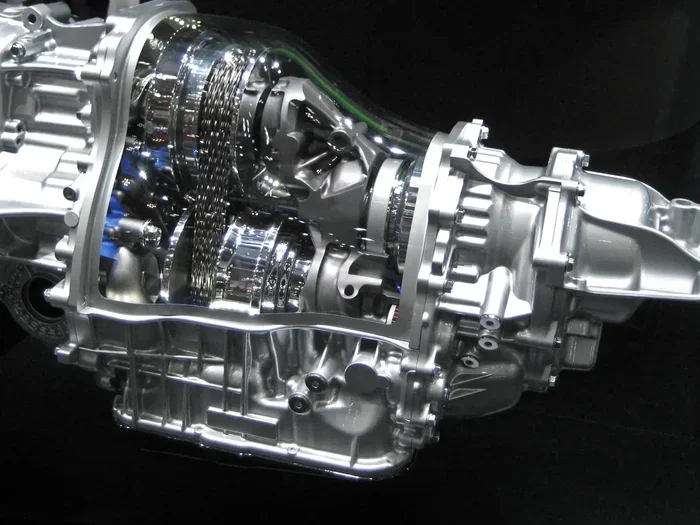
Most modern Subarus come with a CVT transmission, which stands for Continuously Variable Transmission. Instead of fixed gears, a CVT uses a belt and pulley system to provide seamless acceleration. This design is popular because it improves fuel efficiency and feels smooth on the road.
However, CVTs have a reputation for being more delicate than traditional automatics. They are sensitive to heat and fluid contamination. If you neglect fluid changes, a CVT can fail much earlier than expected. Many Subaru owners report CVT issues around the 100,000-mile mark if maintenance is skipped.
Manual Transmissions in Subaru Models
Some Subaru models still offer a manual transmission, especially in the performance-oriented WRX and hatchback variants. Manual gearboxes are generally more durable and simpler in design. With proper care, a manual Subaru transmission can easily last 250,000 miles or more.
The clutch is the main wear item in a manual gearbox. How you use the clutch determines how long it lasts. Riding the clutch or shifting aggressively will shorten its life significantly. But if you drive smoothly, a manual Subaru transmission is incredibly long-lasting.
Automatic Transmissions in Older Models
Older Subaru models from the early 2000s and before used traditional automatic transmissions with fixed gear ratios. These are robust units that handle a lot of mileage. Many owners of older Subaru Legacy and Outback models report their automatics going well past 200,000 miles without major issues.
How Long Do Subaru Transmissions Last on Average?
The honest answer is that there is no single number. Transmission lifespan varies widely based on several factors. Here is a general breakdown to give you a realistic picture.
Mileage Expectations by Transmission Type
Let us look at the numbers so you have a clear idea of what to expect from your specific setup.
- CVT Transmissions: 100,000 to 200,000 miles with proper maintenance. Without regular care, problems can appear as early as 60,000 miles.
- Manual Transmissions: 150,000 to 300,000 miles. The clutch may need replacement once or twice during this range.
- Traditional Automatic Transmissions: 150,000 to 250,000 miles. These older units are simple and reliable when maintained.
These numbers are averages. Some Subaru owners push their transmissions well beyond these ranges. Others experience issues much earlier. The difference usually comes down to maintenance, driving style, and a bit of luck.
What Model Year Matters Most?
Certain Subaru model years have better transmission reliability than others. For example, the 2011 to 2013 Subaru Impreza CVT models have had some well-documented issues. Newer models from 2015 onward generally show improved reliability in the transmission department.
If you are buying a used Subaru, always check the transmission history. Ask for service records. A well-maintained older transmission can still have plenty of life left in it.
Factors That Affect Transmission Lifespan
Not all Subarus age the same way. Several factors determine whether your transmission lasts 100,000 miles or 300,000 miles. Understanding these factors puts you in control of your car’s longevity.
Driving Habits and Style
How you drive matters more than you might think. Aggressive acceleration, hard braking, and sudden gear changes put extra stress on your transmission. If you like to rev the engine hard and shift quickly, your transmission will wear out faster.
On the other hand, smooth and predictable driving reduces wear significantly. If you often drive in heavy traffic with lots of stop-and-go, your transmission works harder than someone cruising on open highways. This is especially true for CVT models, which can overheat in stop-and-go conditions.
Towing and Heavy Loads
Subarus are not heavy-duty trucks, but many owners use them for towing trailers or carrying heavy cargo. Towing puts extra strain on the transmission because it has to work harder to move weight. If you tow regularly, you should shorten your transmission service intervals.
Most Subaru owners manuals recommend avoiding sustained towing over 1,000 pounds unless your vehicle is specifically equipped for it. Exceeding these limits accelerates drivetrain wear and tear significantly.
Climate and Operating Conditions
Where you live affects your transmission too. Hot climates cause transmission fluid to break down faster. Cold climates make the fluid thicker, which means the transmission works harder during the first few minutes of driving.
If you live in an area with extreme temperatures, you should be extra diligent about fluid changes. Also, frequent short trips where the engine does not fully warm up can cause moisture to build up in the transmission fluid, leading to premature wear.
Transmission Maintenance Tips for Longevity
The single biggest factor in how long your Subaru transmission lasts is maintenance. A well-maintained transmission will outlast a neglected one by a wide margin. Here is what you need to do to keep yours healthy.
Regular Transmission Fluid Changes
This is the most important thing you can do. Subaru transmission fluid breaks down over time and loses its ability to lubricate and cool the internal components. Fresh fluid keeps everything running smoothly.
For CVT models, Subaru recommends changing the fluid every 30,000 to 60,000 miles. For manual transmissions, the interval is typically around 60,000 miles. Automatic transmissions in older models can go 50,000 to 100,000 miles between changes.
Do not skip these intervals. Many owners regret it when they face a costly repair later. Think of fluid changes as cheap insurance for your transmission.
Checking for Leaks and Early Warning Signs
Get under your car occasionally and look for red or brown fluid spots on the ground. Transmission fluid leaks are common over time, especially as seals age. Catching a leak early prevents the transmission from running dry, which causes catastrophic damage.
Also, pay attention to how your car feels when you drive. Any change in shifting behavior is worth investigating. The sooner you catch a problem, the cheaper the fix will be.
Using the Right Fluid and Parts
Not all transmission fluids are the same. Subaru specifies particular fluid types for their CVT systems. Using the wrong fluid can cause slipping, overheating, and premature failure. Always check your owner manual or ask your mechanic to confirm the correct fluid specification.
When replacing parts like filters or gaskets, use genuine Subaru parts or high-quality aftermarket equivalents. Cheap parts may save money upfront but can cause problems down the road.
Common Transmission Problems in Subaru Vehicles
Even with good maintenance, Subaru transmissions can develop issues. Knowing the common problems helps you catch them early and avoid expensive repairs.
CVT Slipping and Jerking
The most common complaint about Subaru CVTs is slipping or jerking during acceleration. This usually happens when the transmission fluid is old or contaminated. In some cases, it indicates internal wear on the belt or pulley system.
If you feel a hesitation or a jolt when stepping on the gas, do not ignore it. Get the transmission checked right away. Early intervention often means a simple fluid change instead of a full rebuild.
Hard Shifting in Manual and Automatic Models
Some Subaru owners report rough or delayed shifting, especially in colder weather. This can be caused by low fluid levels, worn clutch components, or a failing solenoid. Hard shifting puts extra stress on the gears and accelerates wear.
If your Subaru hesitates before engaging a gear, check the fluid level first. If the fluid looks dark or smells burnt, it is time for a change.
Transmission Overheating
CVT transmissions are particularly prone to overheating, especially during sustained highway driving or in hot weather. Overheating breaks down the fluid faster and can damage internal components. If your temperature gauge reads higher than normal, pull over and let the car cool down.
Installing an auxiliary transmission cooler is a smart upgrade if you live in a warm climate or do a lot of highway driving. This is especially relevant for anyone who frequently drives long distances, as explored in our guide on are hybrid cars good for long distance driving and how drivetrain demands change over extended trips.
Transmission Replacement and Repair Costs
Nobody wants to think about this, but transmission repairs are expensive. Understanding the costs helps you make informed decisions about maintenance and when to repair versus replace.
Cost of a Transmission Rebuild
A full Subaru transmission rebuild typically costs between $2,500 and $5,000, depending on the model and the shop. CVT rebuilds tend to be on the higher end because the parts are more specialized. Manual transmission rebuilds are generally cheaper and more straightforward.
These costs do not include the labor if you take the car to a dealership. Independent shops often charge less, but make sure they have experience with Subaru transmissions specifically.
When to Replace vs. Rebuild
Sometimes a rebuild is not enough, and a full replacement is necessary. If the transmission has catastrophic damage, such as a cracked case or severely damaged gears, replacement makes more sense. A used or refurbished transmission from a salvage yard can cost $1,000 to $2,000, plus installation.
If you are unsure, get a second opinion from a trusted mechanic. They can inspect the transmission and give you a clear recommendation based on the actual condition.
DIY Diagnostics Can Help You Catch Problems Early
One of the best ways to avoid expensive surprises is to learn basic car diagnostics yourself. Many transmission issues show up as warning codes or subtle performance changes that you can detect early. If you are curious about what you can check on your own, our article on can I do my own car diagnostics covers the tools and techniques that help you stay ahead of transmission problems before they become costly repairs.
How to Extend Your Subaru Transmission Life
You have the power to make your Subaru transmission last as long as possible. A few simple habits make a huge difference over the life of the car.
Follow the Service Schedule Strictly
Do not skip oil changes, and do not ignore transmission service intervals. The service schedule in your owner manual is not a suggestion. It is a blueprint for keeping your car healthy.
If you drive in severe conditions, such as extreme heat, cold, or dusty roads, consider shortening the service intervals even further. Severe driving conditions put extra stress on every component, including the transmission.
Warm Up Your Car Before Driving Hard
Let your Subaru warm up for at least 30 seconds to a minute before driving off. This allows the transmission fluid to circulate and reach the right temperature. Cold fluid is thicker and does not lubricate as effectively, which causes extra wear on internal components.
In winter months, this habit becomes even more important. The fluid takes longer to warm up in cold weather, so give your car a little extra time.
Listen to Your Car
You know your car better than anyone. If something sounds different, feels different, or shifts differently, trust your instincts. Unusual noises like grinding, whining, or clunking are your transmission telling you something is wrong.
Do not wait until the problem gets worse. Early attention to small issues prevents big, expensive repairs later. A quick trip to the mechanic for a diagnostic check is always cheaper than a full transmission replacement.
Expert Insights on Subaru Transmission Longevity
We spoke with several experienced Subaru mechanics and transmission specialists to get their take on what really makes the difference. Here is what they had to say.
Regular fluid changes are everything. One master technician shared that he has seen Subaru CVTs last well past 200,000 miles when the owner changed the fluid religiously. On the flip side, he has seen CVTs fail at 80,000 miles because the fluid was never changed.
Driving style matters more than people think. Another specialist pointed out that aggressive drivers wear out transmissions about 30 to 40 percent faster than gentle drivers. Smooth acceleration and gradual braking go a long way toward preserving your gearbox.
Do not ignore small symptoms. A third mechanic emphasized that most major transmission failures start with small warning signs. A slight slip here, a slight delay there. These small issues compound over time into major problems if left unaddressed.
Key Takeaways
- Average Lifespan: Subaru transmissions typically last 150,000 to 250,000 miles with proper care.
- CVT vs. Manual: CVT transmissions require more frequent fluid changes but can last just as long as manual gearboxes.
- Maintenance Matters: Regular fluid changes and timely repairs dramatically extend transmission life.
- Driving Habits Count: Aggressive driving, towing, and stop-and-go traffic wear out transmissions faster.
- Warning Signs Exist: Strange noises, slipping gears, and delayed shifting are red flags you should never ignore.
- Cost of Replacement: A full transmission rebuild can cost $2,500 to $5,000, making prevention far cheaper.
Conclusion
How long do Subaru transmissions last? The answer is largely in your hands. With regular maintenance, smooth driving habits, and prompt attention to warning signs, your Subaru transmission can easily go 150,000 to 250,000 miles or more. Neglect it, and you could face expensive repairs much sooner.
The best approach is simple. Stay on top of fluid changes. Listen to your car. Do not ignore small symptoms. These habits cost very little time and money but pay off enormously in the long run.
Your Subaru is built to last. The transmission is no exception when you treat it right. Take the knowledge you have learned here, apply it to your car, and enjoy many more miles of smooth, reliable driving ahead.
Frequently Asked Questions
How often should I change my Subaru transmission fluid?
For CVT models, change the fluid every 30,000 to 60,000 miles. Manual transmissions typically need a change every 60,000 miles. Older automatic models can go 50,000 to 100,000 miles between changes. Always check your owner manual for the specific recommendation for your model.
What are the first signs of a failing Subaru transmission?
Common warning signs include slipping gears, delayed shifting, strange noises like grinding or whining, and fluid leaks under the car. You may also notice a burning smell or the check engine light illuminating. If you experience any of these symptoms, get your car inspected immediately.
Can I drive my Subaru with a slipping transmission?
You should avoid driving a car with a slipping transmission. Continued driving can cause further damage and turn a simple repair into a costly rebuild. Have your car towed to a trusted mechanic if you notice slipping behavior.
Is a CVT transmission less reliable than a manual transmission in Subarus?
CVT transmissions require more careful maintenance but are not inherently unreliable. With regular fluid changes and proper driving habits, a CVT can last just as long as a manual gearbox. The key difference is that CVTs are more sensitive to fluid condition and heat buildup.
How much does it cost to replace a Subaru transmission?
A full transmission replacement typically costs between $3,000 and $5,000 including parts and labor. A rebuild is usually slightly cheaper, ranging from $2,500 to $4,000. The exact cost depends on your Subaru model, the type of transmission, and whether you choose a new, used, or rebuilt unit.
Do Subarus with all-wheel drive have more transmission wear?
All-wheel drive systems do put additional stress on the drivetrain, including the transmission. However, modern Subaru AWD systems are well-engineered and do not significantly reduce transmission lifespan when properly maintained. Regular service intervals account for the extra demand that AWD places on components.