How Long Does a Subaru Battery Last in Cold Weather
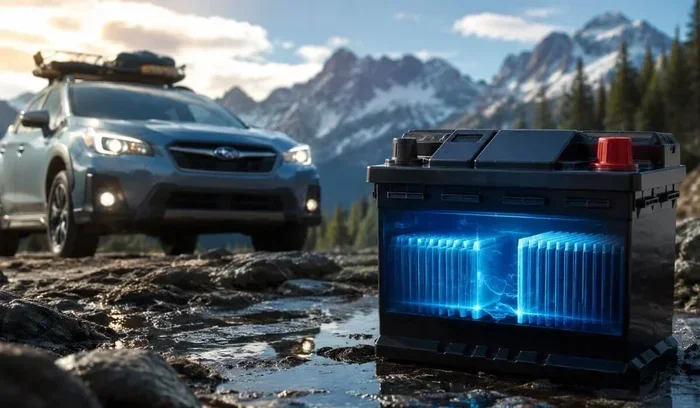
A Subaru battery typically lasts between 3 and 5 years, but cold weather can significantly shorten that lifespan. Factors like temperature, driving habits, and maintenance play a huge role in how long your battery performs reliably. This guide covers everything Subaru owners need to know about battery longevity, warning signs, and practical steps to keep their vehicle starting strong through winter.
Key Takeaways
- Average Lifespan: A Subaru battery lasts 3 to 5 years under normal conditions, but cold weather can reduce this to 2 to 3 years.
- Cold Weather Impact: Extreme temperatures slow chemical reactions inside the battery, reducing cranking power and overall performance.
- Warning Signs: Slow cranking, dim headlights, dashboard warnings, and corroded terminals signal a failing battery.
- Maintenance Matters: Regular inspections, terminal cleaning, and smart driving habits can extend battery life significantly.
- Replacement Timing: Replace your battery every 3 to 5 years or at the first sign of weakness to avoid being stranded.
- Hybrid Consideration: If you drive a Subaru hybrid, the battery system works differently and may last longer with proper care.
📑 Table of Contents
- How Long Does a Subaru Battery Last in Cold Weather?
- Why Cold Weather Affects Your Subaru Battery
- Signs Your Subaru Battery Is Failing
- How to Extend Your Subaru Battery Life
- When to Replace Your Subaru Battery
- Common Mistakes That Shorten Battery Life
- Expert Insights on Subaru Battery Longevity
- Quick Tips for Subaru Battery Care in Winter
- Conclusion
How Long Does a Subaru Battery Last in Cold Weather?
If you own a Subaru, you already know these cars are built to handle tough conditions. But even the most reliable vehicle depends on one humble component to get going every morning: the battery. So, how long does a Subaru battery last when the temperature drops?
The short answer is that most Subaru batteries last between 3 and 5 years. However, cold weather can throw a wrench into that timeline. In freezing temperatures, your battery has to work harder to start the engine. The chemical reactions inside the battery slow down, and the available cranking power drops significantly. This means drivers in colder climates may find their battery dying after just 2 or 3 years.
Understanding your battery’s lifespan is not just about avoiding a frustrating morning. It is about staying safe, saving money, and keeping your Subaru running at its best. Whether you drive a Subaru Outback, a Forester, or another model, this guide covers everything you need to know about battery life in cold weather.
Cold weather is the number one enemy of car batteries. Even a fully charged battery loses a significant portion of its power when temperatures plummet. Let us break down exactly why this happens and what you can do about it.
Why Cold Weather Affects Your Subaru Battery
Cold weather does not just make your engine harder to turn over. It actually changes how your battery functions at a chemical level. Understanding this process helps you appreciate why battery maintenance in winter is so important.
The Science Behind Cold Weather Battery Drain
Inside your battery, chemical reactions convert stored energy into electrical power. These reactions slow down when temperatures drop. At 32 degrees Fahrenheit, a battery loses about 20 percent of its cranking power. At 0 degrees, that loss can jump to 40 percent or more.
This means your battery has to push much harder to start your engine in winter. The engine oil also thickens in cold weather, making the engine harder to turn over. Together, these factors put enormous strain on the battery.
How Temperature Ratings Affect Battery Performance
Every battery comes with a Cold Cranking Amp (CCA) rating. This number tells you how much power the battery can deliver at 0 degrees Fahrenheit. Higher CCA ratings mean better cold-weather performance. Most Subaru models come equipped with batteries rated between 600 and 800 CCA, depending on the engine type.
If you live in an area with harsh winters, consider upgrading to a battery with a higher CCA rating. This simple change can make a big difference on those freezing mornings when you need your car to start without fail.
The Role of Your Alternator
Your alternator recharges the battery while the engine runs. In cold weather, the alternator works harder because the battery needs more energy to recover after a start. If your alternator is weak, it cannot fully recharge the battery. This creates a cycle of partial charging that slowly degrades the battery over time.
Signs Your Subaru Battery Is Failing
Catching a failing battery early can save you from a roadside emergency. Watch for these warning signs, especially as winter approaches.
Slow or Sluggish Cranking
This is the most obvious sign. When you turn the key, the engine cranks slowly or takes longer than usual to start. A healthy battery should fire up almost instantly. If you notice a hesitation, do not ignore it.
Dim or Flickering Lights
Headlights that appear dimmer than usual, especially when idling, indicate your battery is struggling. The electrical system pulls power from the battery when the engine is not running at full capacity. A weak battery cannot keep up with the demand.
Dashboard Warning Lights
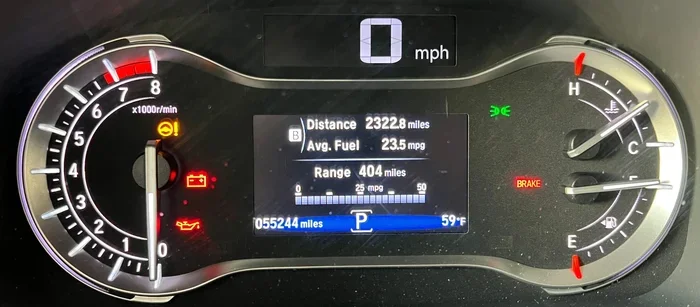
Many modern Subarus feature a battery warning light on the dashboard. If this light illuminates, have your battery tested immediately. Some models also display a maintenance reminder when it is time for a battery check.
Corroded or Swollen Battery Terminals
White or blue powdery buildup on the terminals is a sign of corrosion. This buildup restricts the flow of electricity and can prevent your car from starting. Swollen or bloated battery cases indicate internal damage, often caused by extreme cold or overcharging.
Battery Age Past Three Years
Even if your battery seems fine, age is a critical factor. After three years, have your battery tested at every oil change or service visit. Proactive testing is the best way to avoid sudden failure.
How to Extend Your Subaru Battery Life
The good news is that you can take steps to protect your battery and potentially extend its lifespan beyond the average range. Here are practical tips every Subaru owner should follow.
Keep Your Battery Clean
Inspect the battery terminals regularly. Clean any corrosion with a baking soda and water solution and a wire brush. Make sure the connections are tight and secure. Clean terminals allow electricity to flow freely and reduce the strain on the battery.
Drive Your Subaru Regularly
Short trips and infrequent driving can prevent your battery from fully charging. The alternator needs time to replenish the energy used during a start. If you only drive your Subaru for 10 minutes at a time, the battery may never reach a full charge. Try to take longer drives when possible, or use a battery maintainer if the car sits for extended periods.
Minimize Parasitic Drain
Parasitic drain occurs when electrical components continue to draw power after the engine is off. Things like phone chargers, dashcams, and interior lights left on can slowly drain your battery. Before leaving your Subaru parked for a long time, make sure all accessories are turned off.
Use a Battery Tender in Winter
If you park your Subaru outside in freezing temperatures, a battery tender or trickle charger is a smart investment. These devices maintain a low, steady charge that keeps the battery healthy without overcharging it. They are especially useful for seasonal vehicles or cars that sit idle for days at a time.
Check the Charging System
Have your charging system tested annually. A mechanic can check the alternator output, battery voltage, and overall system health. Catching a weak alternator early prevents it from damaging a perfectly good battery.
Consider Your Driving Environment
Extreme cold, short commutes, and stop-and-go traffic all take a toll on battery health. If your driving conditions are tough, you may need to replace your battery more frequently. Staying ahead of the curve with regular inspections helps you plan for replacement before you are left stranded.
For drivers who also use their Subaru for long highway trips, it is worth noting that consistent driving at highway speeds helps the alternator fully recharge the battery. If you are curious about how hybrid systems handle long distances, check out our guide on are hybrid cars good for long distance driving to understand how different powertrains manage energy over extended trips.
When to Replace Your Subaru Battery
Timing your battery replacement correctly saves you money and prevents unexpected breakdowns. Here is what you need to know about when and how to replace your Subaru battery.
The 3-to-5-Year Rule
Most manufacturers recommend replacing your battery every 3 to 5 years. This is a general guideline, and some batteries last longer with excellent care. Others fail sooner due to harsh conditions. Use the 3-year mark as a starting point for more frequent testing.
Testing Before Replacement
Do not replace your battery based on age alone. Have a professional load test the battery to measure its actual capacity. A battery that is 4 years old but still holds a strong charge does not need replacement yet. On the other hand, a 2-year-old battery that fails a load test should be replaced immediately.
Choosing the Right Replacement Battery
When replacing your Subaru battery, match the specifications to your vehicle. Check the owner’s manual for the correct group size, CCA rating, and terminal configuration. Using the wrong battery can lead to poor performance and even damage to the electrical system.
If you are unsure about battery compatibility, visit a local dealership or auto parts store. Many offer free battery testing and installation services. Choosing the right battery ensures your Subaru starts reliably in all seasons.
Professional Installation vs. DIY
Replacing a Subaru battery is not overly complex, but proper installation matters. Ensure the terminals are tightened to the correct torque. Apply anti-corrosion grease to the terminals after installation. If you are not comfortable working with car batteries, a professional installation is a worthwhile investment.
For owners wondering about how other vehicle systems handle demanding conditions, our article on at what point does a hybrid switch to gas offers useful insights into how hybrid powertrains manage energy transitions, which can complement your understanding of battery behavior in different driving scenarios.
Common Mistakes That Shorten Battery Life
Many Subaru owners unknowingly shorten their battery’s lifespan through everyday habits. Avoid these common mistakes to get the most out of your battery.
- Leaving lights or accessories on: This is the most common cause of a dead battery. Make it a habit to check that everything is off before you turn off the engine.
- Ignoring warning signs: Slow cranking or dim lights are your battery asking for help. Address these symptoms early before you end up with a dead battery on a cold morning.
- Skipping regular maintenance: Batteries need attention too. Clean terminals, check fluid levels (if applicable), and test the battery at least twice a year.
- Using the wrong battery: Installing a battery with the wrong CCA rating or group size strains the electrical system and reduces performance.
- Short trips without long drives: Frequent short trips never give the battery enough time to fully recharge, leading to a chronically undercharged state.
Another mistake people make is assuming the battery is the only component to blame when starting problems occur. A faulty alternator, corroded cables, or a weak starter motor can mimic battery failure. Have a professional diagnose the entire starting system before replacing the battery.
Expert Insights on Subaru Battery Longevity
Automotive experts agree that battery care is one of the simplest ways to avoid unexpected breakdowns. Here are some professional tips for maximizing your Subaru battery’s lifespan.
First, invest in a quality battery tester. Affordable handheld testers let you check voltage and CCA output at home. Testing your battery monthly during winter takes only a few minutes and gives you early warning of any decline.
Second, keep your Subaru parked in a garage or covered area whenever possible. Even a partial shelter protects the battery from the worst effects of freezing wind and ice. If covered parking is not an option, a battery blanket or insulated wrap can help maintain temperature during extreme cold snaps.
Third, consider your overall vehicle weight and electrical demands. Heavier vehicles or those with high electrical loads place more stress on the battery. While the exact weight specifications vary, understanding that your vehicle’s demands affect battery health helps you make smarter maintenance decisions. You can learn more about how vehicle weight impacts performance in our detailed breakdown of what 000 lbs means for a car’s performance and how it relates to electrical and mechanical systems.
Finally, do not wait for a dead battery to act. Replace proactively based on age and test results. The cost of a new battery is far less than the inconvenience and potential danger of being stranded in cold weather.
Quick Tips for Subaru Battery Care in Winter
- Test your battery every month during winter months.
- Keep the terminals clean and free of corrosion.
- Drive your Subaru for at least 20 minutes to allow a full recharge.
- Use a battery tender if the car sits for more than 3 days.
- Check the battery case for cracks or swelling after extreme cold spells.
- Keep emergency jumper cables or a portable jump starter in the trunk.
- Replace the battery before it reaches 4 years if you live in a cold climate.
Conclusion
Your Subaru battery is a critical component that deserves regular attention, especially during the cold months. Under normal conditions, a Subaru battery lasts 3 to 5 years. In cold weather, that timeline can shrink to 2 to 3 years depending on your climate and driving habits.
The key to avoiding surprises is simple: test regularly, maintain clean terminals, and replace the battery before it fails. Paying attention to warning signs like slow cranking, dim lights, and dashboard warnings gives you time to act before you are stuck in the cold.
Take care of your battery, and it will take care of you. Follow the tips in this guide, stay proactive with inspections, and your Subaru will start reliably all winter long. A little attention today saves you from a big headache tomorrow.
Frequently Asked Questions
How long does a Subaru battery typically last?
A Subaru battery generally lasts between 3 and 5 years under normal driving conditions. However, cold weather can reduce this lifespan to 2 to 3 years. Regular testing and maintenance help you get the most out of your battery.
What causes a Subaru battery to die faster in winter?
Cold weather slows the chemical reactions inside the battery, reducing its cranking power. Thickened engine oil also makes the engine harder to turn over. Together, these factors force the battery to work much harder in freezing temperatures.
How do I know if my Subaru battery needs replacing?
Signs include slow cranking, dim headlights, dashboard warning lights, corroded terminals, and a battery older than three years. Having your battery load tested at a service center provides a definitive answer.
Can I replace my Subaru battery myself?
Yes, replacing a Subaru battery is a manageable DIY task for most owners. You need the correct battery group size and CCA rating, basic tools, and attention to safety. If you are uncomfortable, a professional installation is a safe alternative.
Does using accessories with the engine off damage the battery?
Yes, using lights, the radio, or charging devices with the engine off drains the battery without allowing the alternator to recharge it. Repeated parasitically draining the battery significantly shortens its lifespan.
Is a battery tender worth it for Subaru owners?
Absolutely. A battery tender maintains a low, steady charge that keeps the battery healthy during periods of inactivity. It is especially valuable for Subaru owners who park outside in cold climates or drive infrequently.