Which Cars Have the Most Expensive Road Tax Each Year
Some cars cost a fortune to tax every year. If you are thinking about buying a luxury SUV or a powerful sports car, the expensive road tax could surprise you. In this guide, we reveal which vehicles hit the hardest with the highest annual road tax bills and explain why they cost so much to keep on the road.
Have you ever looked at the price tag of a fancy car and thought, “What’s the road tax on that thing?” Well, you are not alone. Many car buyers focus on the sticker price, monthly payments, and fuel costs. But they forget about one hidden expense that can really add up: expensive road tax. Some vehicles carry a yearly tax bill that would make most people do a double take. In this article, we are going to break down exactly which cars have the most expensive road tax each year. We will look at the numbers, the reasons behind the costs, and what you can do to avoid a nasty surprise at the tax office.
The world of car tax bands can feel confusing. There are so many factors that go into how much you pay. Your vehicle’s CO2 emissions play a big role. So does the list price. And if your car costs more than 40,000 pounds, there is an extra premium that kicks in. Understanding how road tax rates work helps you make a smarter buying decision. It also saves you money in the long run. Let us dive into the details and find out which cars hit the hardest when it comes to annual car tax.
Key Takeaways
- Luxury and high-emission cars face the steepest road tax rates due to their CO2 output and price band.
- First-year road tax can be shockingly high for certain premium vehicles, especially those over 40,000 pounds.
- Electric cars currently enjoy road tax exemption in many regions, making them a smart choice for budget-conscious buyers.
- Road tax is calculated using CO2 emissions and list price, not just engine size alone.
- Common mistakes like misreporting fuel type or missing renewals can lead to costly penalties.
- Choosing a lower-emission vehicle saves money on both road tax and overall car ownership costs.
📑 Table of Contents
Why Do Some Cars Have the Most Expensive Road Tax?
Not all cars are created equal when it comes to vehicle excise duty, which is the official name for road tax in the UK. Some cars are practically free to tax. Others cost hundreds or even thousands of pounds per year. So what makes the difference? Let us break it down.
The Role of CO2 Emissions
The single biggest factor in your road tax calculator is CO2 output. Cars that pump out more carbon dioxide get placed in higher tax bands. This makes sense from a policy standpoint. The government wants to encourage cleaner driving. So they penalise high-emission vehicles with steeper road tax rates. A small city car might sit in tax band A and cost nothing at all. But a heavy SUV or a powerful saloon could land you in the top band. That means a much bigger bill every year.
List Price Matters Too
Here is something many people do not know. If your car costs more than 40,000 pounds when brand new, you pay an extra premium. This luxury car tax surcharge applies for five years from the date of first registration. On top of the regular VED rates, you pay an additional 310 pounds each year. That is on top of whatever your CO2 emissions already cost you. So a car priced at 45,000 pounds could end up with a very painful expensive road tax bill indeed.
Engine Size and Fuel Type
While CO2 emissions are the main driver, engine size still plays a role. Larger engines tend to produce more emissions. And fuel type matters too. Diesel cars used to be seen as more efficient. But newer regulations have changed that. Many modern diesel vehicles now face higher road tax penalty rates because of real-world NOx emissions. Petrol cars are not necessarily cheaper either. It all comes down to the specific emissions figures for each model.
The Cars That Cost the Most to Tax Each Year
Now let us get to the fun part. Which vehicles actually carry the highest road tax? We have looked at current data and compiled a list of the cars that hit hardest. These are the models that will make your car tax bands UK bill sting the most.
Luxury SUVs
Big, heavy, and powerful. That is the formula for a massive road tax bill. Luxury SUVs like the Range Rover Autobiography and the Mercedes-Benz GLS sit at the top of the most taxed cars list. These vehicles often have list prices well above 40,000 pounds. Their CO2 emissions are also on the higher side. A brand-new Range Rover with high emissions could easily cost over 2,000 pounds in first-year road tax alone. And then the standard rate kicks in for years two through six, plus the 40,000-pound premium. We are talking serious car ownership costs here.
High-Performance Sports Cars
If you have ever dreamed of owning a Ferrari or a Lamborghini, you need to budget for the tax man. These sports car tax bills are enormous. A Ferrari 488 GTB, for example, produces a lot of CO2 and carries a very high list price. The combined effect of emissions tax and the luxury surcharge makes these vehicles some of the most expensive to tax on the road. Even supercars from brands like McLaren and Aston Martin face steep annual bills. The thrill of driving one comes with a heavy financial cost.
Premium Sedans and Coupes
It is not just SUVs and supercars. Premium sedans and coupes from BMW, Audi, and Mercedes also land in high tax brackets. Models like the BMW M5 or the Audi RS6 have powerful engines and high emissions. Their list prices push them into the luxury surcharge zone too. So even if you think you are buying a “reasonable” executive car, the road tax calculator might tell a different story. Always check the road tax rates before you sign on the dotted line.
Large Pickup Trucks
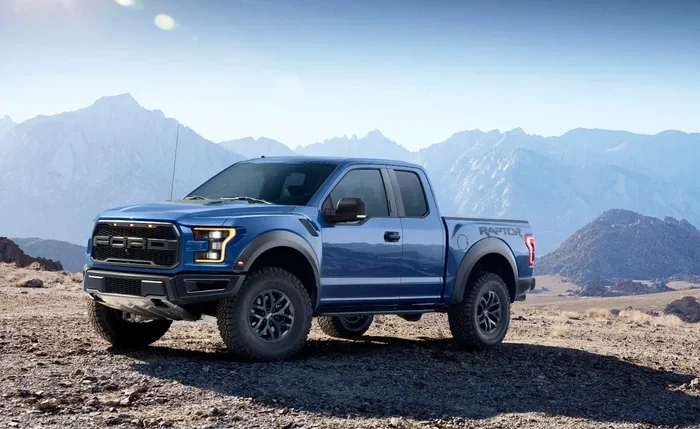
You might not expect pickups to top the list. But large, heavy-duty trucks like the Ford F-Series and the Mercedes-Benz G-Class pickup have surprisingly high road tax. Their weight and engine size push them into expensive bands. These vehicles are popular for work and recreation alike. But their annual car tax can catch owners off guard if they have not done their homework.
Classic and Vintage Cars
Interestingly, some classic cars face high taxes too. If a vintage vehicle has been modified with a larger engine, it may fall into a higher car tax band. Original classics built before certain dates can qualify for road tax exemption. But any significant changes to the engine or emissions system can void that benefit. Always check with the DVLA if you are unsure about your classic car’s tax status.
How Road Tax Rates Are Calculated
Understanding how road tax rates are worked out helps you make smarter choices. The system is not as complicated as it seems once you know the basics.
First-Year Tax Based on CO2
When you first register a car, the first-year road tax is based entirely on CO2 emissions. This is shown in grams per kilometre (g/km). The lower the emissions, the lower the tax. Cars with zero emissions pay nothing in the first year. Cars with very high emissions can pay several hundred pounds. This initial charge is separate from the ongoing annual rate.
Standard Annual Rate
After the first year, most petrol and diesel cars pay a flat standard rate. Currently, this is 180 pounds per year for vehicles with emissions over a certain threshold. Hybrid and alternative fuel vehicles pay slightly less. The standard rate does not change based on your driving habits or mileage. It is a fixed cost you must pay every year to keep your car legal on the road.
The 40,000-Pound Premium
We mentioned this earlier, but it deserves its own section. If your new car costs more than 40,000 pounds, you pay an extra 310 pounds per year for five years. This starts from the second year of registration. So a car that costs 42,000 pounds would have the standard 180-pound rate plus the 310-pound premium. That brings the total to 490 pounds per year. Over five years, that premium alone adds up to 1,550 pounds. This is a huge factor in car ownership costs for luxury vehicles.
Electric and Alternative Fuel Vehicles
Good news for electric car tax owners. Pure electric vehicles pay zero road tax. They are completely exempt from vehicle excise duty. Plug-in hybrids also benefit from lower rates in many cases. Hydrogen fuel cell vehicles are also exempt. If you want to avoid expensive road tax altogether, an electric vehicle is the clear winner. Plus, you save on fuel costs too. It is a double win for your wallet.
Tips to Lower Your Road Tax Bill
Nobody wants to overpay on their road tax. Here are some practical tips to keep your bill as low as possible.
Choose a Low-Emission Vehicle
This is the most obvious tip, but it is worth repeating. Before you buy, check the CO2 emissions of any car you are considering. A car with emissions under 100 g/km will cost much less to tax than one over 200 g/km. Use the road tax calculator on the government website to compare models side by side. Small changes in your choice can save you hundreds of pounds over time.
Consider a Hybrid or Electric Car
Hybrid cars sit in lower tax bands than their pure petrol counterparts. And pure electric cars pay nothing at all. If you do a lot of short trips around town, a hybrid or electric car makes perfect sense. The lower road tax rates are just one of many benefits. You will also save on fuel and may qualify for other incentives like congestion charge exemptions.
Buy a Used Car
Here is a clever trick. The 40,000-pound premium only applies to the first owner for five years. If you buy a used car that is already in year three or four of that premium period, you only have one or two years left to pay it. After that, you are back to the standard rate. This can significantly reduce your annual car tax on a luxury vehicle that was originally very expensive to tax.
Keep Your Car Properly Maintained
Regular servicing keeps your engine running efficiently. A well-maintained engine produces fewer emissions. While this will not change your tax band after registration, it does help with overall efficiency and can save you money on fuel. It also prevents the road tax penalty that comes with failing an MOT or running an unroadworthy vehicle.
Set Up Direct Debit
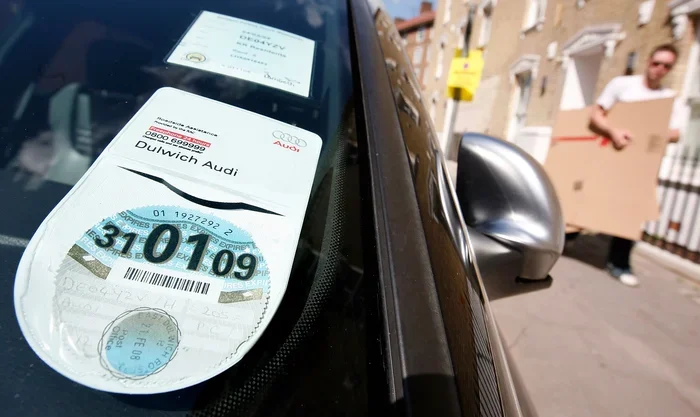
It is not a tax-saving trick, but setting up direct debit for your road tax renewal ensures you never miss a payment. Late renewals can result in fines and penalties. Missing a renewal entirely can lead to your vehicle being clamped or seized. Staying on top of your car registration fee and tax keeps you on the right side of the law.
Common Mistakes That Make Your Road Tax Higher
Many car owners accidentally pay more than they need to. Here are the most common mistakes to avoid.
Ignoring the List Price
People often focus only on CO2 emissions when checking tax costs. But the list price matters just as much. A car with moderate emissions but a high price tag will still trigger the 40,000-pound premium. Always look at the full picture before you buy.
Not Checking Fuel Type Accurately
Some drivers accidentally select the wrong fuel type when renewing their tax. This can lead to paying the wrong rate or even a road tax penalty. Double-check your vehicle registration document (the V5C logbook) to confirm the correct fuel type before you renew.
Letting Tax Expire
Running a car without valid road tax is illegal. It can result in fines of up to 1,000 pounds. Even if you are not driving the car, you still need to tax it or declare it off the road with a Statutory Off Road Notification (SORN). Do not let this mistake cost you money.
Forgetting About the Premium Years
If you buy a car that costs over 40,000 pounds, remember the premium lasts for five years. Many owners forget about this and are surprised by the extra charge. Mark the end date on your calendar so you know exactly when the premium stops.
Electric vs. Petrol: How Road Tax Compares
The difference between electric and petrol cars when it comes to road tax is dramatic. Let us lay it out clearly.
Pure electric vehicles pay zero vehicle excise duty. No first-year tax. No standard rate. No luxury premium. You can drive an electric car forever and never pay a penny in road tax. This is a massive saving compared to petrol and diesel vehicles.
A typical petrol car with average emissions pays around 180 pounds per year after the first year. A luxury petrol car over 40,000 pounds pays 490 pounds per year for five years. Over ten years, the difference between owning an electric car and a luxury petrol car in terms of road tax alone can be thousands of pounds.
Of course, electric cars have higher upfront costs. But when you factor in the savings on road tax rates, fuel, and maintenance, the total car ownership costs can be surprisingly competitive. This is why more and more buyers are making the switch to electric.
Government incentives also play a role. Grants for electric vehicle purchases, free or reduced congestion charges, and access to bus lanes all add value beyond just road tax savings. It is clear that electric vehicles are the future of affordable motoring.
Conclusion
The world of expensive road tax is not as mysterious as it seems. Luxury SUVs, sports cars, and high-end sedans carry the biggest tax bills. Their high CO2 emissions and premium price tags push them into the top car tax bands. But understanding how road tax rates work puts you in control. You can make informed decisions that save you real money.
If you are shopping for a new car, always check the road tax calculator before you commit. Consider the total car ownership costs, not just the purchase price. And if you want to completely avoid expensive road tax, an electric vehicle is your best bet. It is a smart, practical choice that benefits both your wallet and the environment.
Take what you have learned here and apply it to your next car purchase. A little research goes a long way toward keeping your tax bill manageable. Your future self will thank you for it.
Frequently Asked Questions
Which car has the highest road tax in the UK?
Luxury vehicles like the Range Rover Autobiography and high-performance sports cars such as the Ferrari 488 GTB typically carry the highest expensive road tax bills. Their combination of high CO2 emissions and list prices over 40,000 pounds triggers the maximum tax charges including the luxury premium surcharge.
How much does road tax cost for a car over 40,000 pounds?
For the first five years after registration, you pay the standard rate plus an additional 310-pound premium each year. This means a car in the standard 180-pound band would cost 490 pounds per year. After five years, the premium drops off and you return to the regular rate.
Are electric cars really exempt from road tax?
Yes, pure electric vehicles are completely exempt from vehicle excise duty. You do not pay any first-year tax or standard annual rate. Plug-in hybrids also benefit from lower rates depending on their CO2 emissions. This makes electric cars a very attractive option for avoiding expensive road tax.
Can I check my road tax rate online?
Absolutely. The government provides a free road tax calculator on its official website. You can enter your vehicle registration number and see exactly how much your annual car tax costs. You can also check your current tax status and renewal date through the same portal.
What happens if I don’t pay my road tax on time?
Driving without valid road tax can result in fines of up to 1,000 pounds. Your vehicle can also be clamped or impounded. Even if you are not driving, you must either tax the vehicle or file a Statutory Off Road Notification (SORN) to avoid penalties. Staying on top of your car registration fee renewals is essential.
Do road tax rates change every year?
Yes, road tax rates can change with each budget or fiscal year. The standard rate, first-year bands, and luxury premiums are all set by the government. It is always a good idea to check the latest rates on the official government website before buying a new car or renewing your tax.