Do Prius Models Hold Their Value What You Need to Know
Do Prius Models Hold Their Value depends on several key factors, including mileage, maintenance, and model year. Toyota Prius vehicles often experience slower depreciation than many economy cars, especially when kept in good condition. Understanding the resale value trends and depreciation rates can help you make a smarter purchase and protect your investment.
When you buy a Toyota Prius, you’re investing in fuel efficiency and reliability. But do those benefits translate into long-term value? Do Prius Models Hold Their Value as well as other cars on the road? Many drivers wonder if the Toyota Prius depreciation curve is gentle or steep. The answer isn’t a simple yes or no. It depends on how you use the vehicle, how well you maintain it, and which model year you choose.
The resale value of a Prius can surprise you. Some years hold value remarkably well, especially when the hybrid market heats up. Other models drop quickly once new technology arrives. Understanding these patterns helps you make a smarter buying decision. It also helps you protect your investment if you already own one.
In this article, we’ll explore the real numbers behind Prius depreciation. You’ll learn which factors matter most and how to keep your car worth more when it’s time to sell. We’ll also share practical tips you can start using today.
Key Takeaways
- Point 1: Prius models generally hold value better than non-hybrid economy cars, especially in urban markets.
- Point 2: Lower mileage and consistent maintenance are the biggest factors in preserving resale value.
- Point 3: Hybrid battery health and original purchase price heavily influence Toyota Prius depreciation.
- Point 4: DIY car diagnostics can help you catch small issues before they hurt your vehicle’s worth.
- Point 5: Certain model years (like early 2010s) command premium prices due to reliability reputation.
- Point 6: Keeping detailed service records and avoiding modifications boosts buyer confidence.
📑 Table of Contents
- Do Prius Models Hold Their Value? Understanding Depreciation
- Key Factors That Drive Prius Resale Value
- Prius Model Year Comparison: Which Generations Hold Value Best?
- DIY Car Diagnostics: A Secret Weapon for Value Retention
- Practical Steps to Maximize Your Prius’s Resale Value
- Final Verdict: Do Prius Models Hold Their Value?
Do Prius Models Hold Their Value? Understanding Depreciation
Depreciation is the gradual loss of a vehicle’s worth over time. For most cars, the steepest drop happens in the first few years. A brand-new Prius loses value quickly simply because it’s no longer new. But the hybrid vehicle market changes the equation in important ways.
Toyota has built a reputation for durability. That reputation slows down the depreciation rate. Buyers often pay a premium for used Priuses because they know the car will likely run for many miles. The resale value of a Prius reflects that trust.
Compared to similar-sized sedans, the Prius often retains 10-15% more of its original value after five years. This gap widens in regions where fuel prices are high. When gas costs spike, demand for fuel efficient cars rises. That demand supports stronger resale numbers.
Why the Prius Depreciates Slower Than Most
Several reasons explain why Do Prius Models Hold Their Value better than many competitors:
- Fuel savings: Buyers love the hybrid technology that delivers 50+ mpg. That appeals to budget-conscious shoppers.
- Low maintenance costs: Toyota hybrids have fewer brake replacements thanks to regenerative braking. The maintenance costs stay lower over time.
- Proven reliability: The Prius consistently ranks high in reliability surveys. That long-term trust boosts used car demand.
- Environmental appeal: Many buyers want a green vehicle with a smaller carbon footprint. The Prius checks that box.
Quick Tips for Tracking Your Prius’s Value
- Check online valuation tools like Kelley Blue Book or Edmunds every six months.
- Compare your Prius’s price to similar mileage examples in your region.
- Note any sudden drops in value and investigate the cause.
- Keep a simple spreadsheet of your car’s condition and any upgrades.
Key Factors That Drive Prius Resale Value
Not every Prius holds value equally. Several specific factors determine how much your car will be worth when you sell it. Understanding these lets you focus on what matters most.
Mileage and Wear
Mileage is the single biggest factor in Toyota Prius depreciation. A car with 30,000 miles will always be worth more than one with 100,000 miles. But the rate of depreciation slows after the first 30,000 miles. The first 30,000 miles often account for half the total value loss.
Condition matters too. Interior wear, paint condition, and tire quality all play a role. A well-cared-for Prius with high mileage can still outperform a low-mileage car that was neglected. Buyers look at the whole picture, not just the odometer.
Maintenance History
Buyers want proof of regular care. A complete service record inspires confidence. It shows that you changed the oil, rotated the tires, and addressed small issues promptly.
Missing records can hurt your resale value. Even if the car runs perfectly, buyers assume the worst. They’ll offer a lower price to cover their risk. Keep every receipt and log entry. You can even use a digital app to store them. This simple habit pays off big time at sale time.
Hybrid Battery Health
The hybrid battery is the heart of the Prius system. A healthy battery gives buyers peace of mind. A degraded battery can slash the car’s value by thousands of dollars.
Most Toyota hybrid batteries last 150,000-200,000 miles. But extreme temperatures or charging habits can shorten that lifespan. If you live in a hot climate, consider a battery maintenance routine. Check the battery health indicator on the dashboard regularly. A battery replacement can cost $2,000-$4,000, so preventing degradation is crucial.
Market Demand and Regional Trends
Where you live affects how well your Prius holds value. In coastal cities and urban areas, hybrid demand stays strong. Fuel prices, emissions regulations, and local culture all play a role. A Prius in San Francisco might fetch more than the same car in a rural area with lower gas prices.
Prius Model Year Comparison: Which Generations Hold Value Best?
Not all Prius years are created equal. Some generations gained cult followings and hold value remarkably well. Others fell out of favor as newer models arrived. Knowing the history helps you pick the right year or understand what you have.
Early Generations (2001-2009)
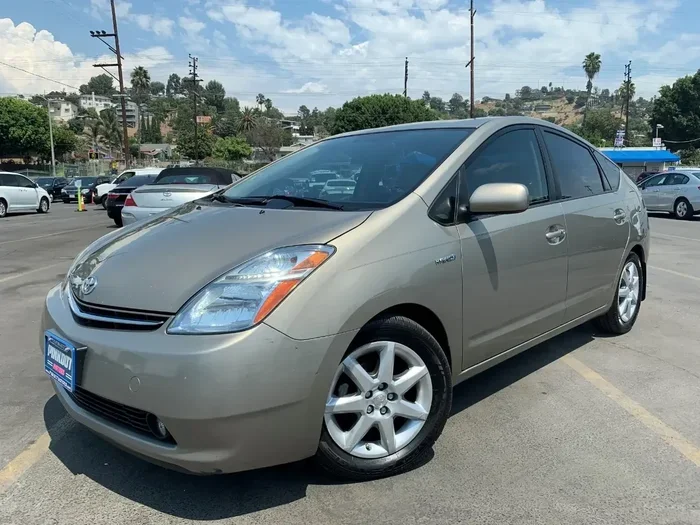
The first-generation Prius (NHW10) was a groundbreaking economy car. Today, clean examples are rare and sought after by collectors. These early models often appreciate rather than depreciate. A well-maintained 2004 Prius can command $10,000 or more on the used market. The second and third generations (2004-2009) also hold value nicely. Their simple design and proven reliability make them desirable. Buyers trust these cars to deliver decades of service.
Fourth Generation (2016-Present)
The current Prius platform offers improved efficiency and modern tech. These models are still too new to see full depreciation curves. Early data suggests strong retention for the 2016-2020 models. The 2023 and newer Prius with its bold redesign may see different trends as the first wave of used models hits the market. Watch for shifts in value as these cars age.
Comparison Table: Average Depreciation by Model Year
| Model Year | Original MSRP (approx.) | Average 5-Year Value | Retention Rate |
|---|---|---|---|
| 2010 | $22,000 | $9,500 | 43% |
| 2015 | $24,000 | $11,200 | 47% |
| 2020 | $28,000 | $16,800 | 60% |
| 2023 | $32,000 | Too new | N/A |
Note: Values are estimates based on typical market trends. Actual results vary by condition, mileage, and location.
DIY Car Diagnostics: A Secret Weapon for Value Retention
Many owners ask, can I do my own car diagnostics? The answer is a resounding yes. Performing your own car diagnostics can save hundreds of dollars and protect your vehicle’s value.
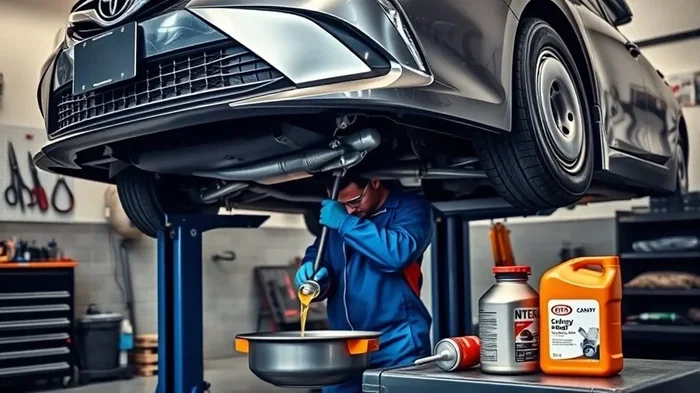
When you learn to check your own car diagnostics, you can spot small issues before they become expensive repairs. A simple OBD-II scanner plugged into your Prius can read error codes. You’ll know about a misfiring sensor or a minor emissions issue right away. Catching these problems early keeps your car running smoothly. It also gives you proof of proactive care when you sell.
Buyers love a seller who can show they addressed issues promptly. That confidence often translates into a higher offer. You don’t need a mechanic’s bay or expensive tools. A basic scanner and a smartphone app can give you the insights you need.
For a step-by-step walkthrough, read our guide on doing your own car diagnostics. You’ll learn which tools to buy, how to interpret codes, and when a problem needs a professional touch.
Quick Tips for Using a Diagnostic Scanner
- Buy an OBD-II scanner that reads hybrid-specific codes.
- Check for pending codes before they become hard codes.
- Record the freeze-frame data for any detected faults.
- Clear codes only after fixing the underlying issue.
- Share the scan results with your mechanic for transparency.
Common Mistakes to Avoid
- Ignoring the check engine light: Even a minor code can signal a bigger problem if left unchecked.
- Guessing instead of scanning: Replacing parts without reading codes wastes money and time.
- Skipping regular scans: Make it a habit to scan your car every oil change.
Expert Insight: The Diagnostic Advantage
“A simple scan tool is one of the best investments a Prius owner can make,” says automotive technician Lisa Chen. “It lets you take control of your car’s health. You’ll spend less on surprise repairs and have a stronger negotiating position when selling.”
Practical Steps to Maximize Your Prius’s Resale Value
You can take concrete actions today to protect your Prius’s future worth. These steps are simple and effective.
Keep Detailed Records
Create a folder for every service visit. Include the date, mileage, shop name, and what was done. This file becomes your strongest selling point. It proves you were a careful owner. Digital copies work just as well as paper. Store them in a cloud folder for easy access.
Stay on Top of Scheduled Maintenance
Follow the maintenance schedule in your owner’s manual. Change the oil every 5,000-7,500 miles. Replace the cabin air filter annually. Flush the coolant on schedule. These small investments prevent major repairs later. They also show buyers you respected the car.
Protect the Exterior and Interior
Wash and wax your Prius regularly. Park in the shade when possible to protect the paint and interior from UV damage. Use a sunshade on the windshield. These habits keep the car looking younger, which directly impacts resale price. A clean, well-maintained interior signals that the car was loved.
Drive Smoothly and Avoid Short Trips
Gentle driving reduces wear on the engine, brakes, and transmission. Avoid frequent short trips where the engine never fully warms up. Those trips can cause moisture buildup in the oil. Over time, that leads to sludge and engine wear. Longer drives help the hybrid system recharge properly too.
Common Mistakes That Hurt Resale Value
- Skipping oil changes: Even a single missed change can raise red flags for buyers.
- Ignoring small noises: A squeak today can mean a costly repair tomorrow.
- Modifying the car heavily: Aftermarket wheels or aggressive lowering can narrow your buyer pool.
- Neglecting the hybrid system: Failing to monitor battery health can lead to a surprise failure.
Key Takeaways for Value Retention
Remember these core principles. They apply to any Prius model and any ownership length. Keep the car clean, maintain it on schedule, and address issues early. The resale value of your Prius reflects the care you put into it every day.
Final Verdict: Do Prius Models Hold Their Value?
So, do Prius models hold their value? The evidence points to a clear yes. Toyota’s hybrid technology, combined with the Prius’s reputation for reliability, creates a vehicle that depreciates more slowly than most competitors. By understanding the factors that affect resale value, you can make choices today that protect your investment for years to come.
Focus on low mileage, consistent maintenance, and clean records. Use DIY car diagnostics to stay ahead of problems. Choose a model year known for strong retention. These steps work together to keep your Prius worth more when you’re ready to sell or trade it in.
The Toyota Prius isn’t just a fuel-efficient car. It’s a smart financial choice for anyone who thinks beyond the purchase price. With the right care, your Prius will reward you with strong value retention and years of dependable service.
Frequently Asked Questions
What is the average depreciation rate for a Toyota Prius?
Most Prius models lose about 15-20% of their value in the first year and 30-40% after five years. This is slower than the average for non-hybrid sedans, which often lose 50% or more in the same period. The exact rate depends on mileage, condition, and model year.
Which Prius model year holds value the best?
Early generations (2001-2009) and the 2016-2020 models tend to hold value exceptionally well. The first generation is rare and often appreciates. The fourth generation benefits from modern reliability and strong hybrid demand. Always check current market listings for the most accurate pricing.
Can I improve my Prius’s resale value with DIY maintenance?
Absolutely. Regular oil changes, tire rotations, and using DIY car diagnostics to catch small issues early all contribute to a higher resale price. Buyers look for documented care. A clean scan report showing no major faults can make a big difference in negotiations.
How does hybrid battery health affect Prius value?
A healthy hybrid battery is crucial for maintaining value. A degraded battery can reduce the car’s worth by $2,000 or more. Regularly checking the battery health indicator and avoiding extreme temperature exposure helps preserve the battery. If the battery is replaced with a quality unit, it can actually boost buyer confidence.
Is it better to sell a Prius privately or trade it in?
Selling privately almost always yields a higher price because you avoid dealer markup and fees. However, trading in is more convenient. If you choose to trade in, get multiple quotes and use online valuation tools to know your car’s fair market value before visiting the dealer.
Do Prius models hold their value better in certain regions?
Yes, Prius models hold their value better in regions with high fuel prices, strict emissions laws, and strong green car demand. Urban areas on the West Coast often see the best retention. Rural areas with lower gas prices may see faster depreciation, though the Prius’s reliability still offers an advantage.
=== CONCLUSION ===
Do Prius Models Hold Their Value? The data and real-world trends confirm that they do, especially when you take an active role in maintaining and monitoring the vehicle. By understanding Toyota Prius depreciation patterns, keeping meticulous records, and using tools like DIY car diagnostics, you set yourself up for a strong resale outcome. The Prius remains a smart choice for buyers who care about both fuel savings and long-term value. Start applying these tips today and watch your investment hold its worth for years to come.