Can 4Runners Tow Boats Everything You Need to Know
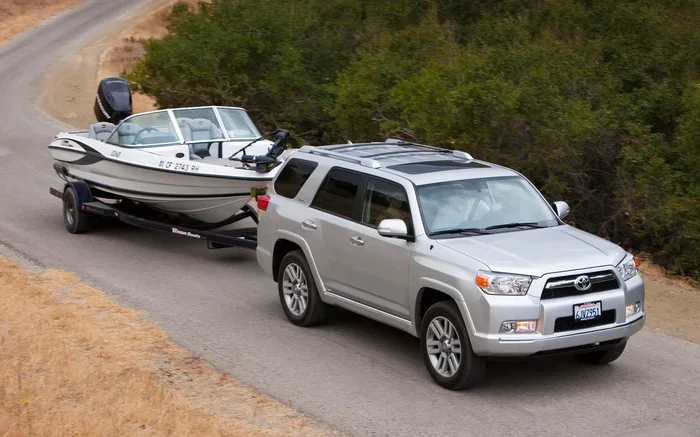
Yes, 4Runners can tow boats, but the answer depends on your model year, engine type, and towing package. Most 4Runner trims can handle between 4,000 and 5,000 pounds of towing capacity, which covers many popular boats and trailers. This guide breaks down everything from towing limits to setup essentials so you can hit the water with confidence.
There is something magical about loading up a boat, hitting the highway, and spending the weekend on the water. If you own a Toyota 4Runner, you might be wondering whether your trusty SUV has what it takes to pull a boat trailer. The short answer is yes, but the full picture is a bit more detailed.
The Toyota 4Runner has earned a reputation as one of the most capable SUVs on the road. It is rugged, reliable, and built to handle tough conditions. But can 4Runners tow boats? The answer depends on several factors, including your model year, engine configuration, and whether you have the right towing equipment. This guide walks you through everything you need to know about 4Runner towing capacity, setup requirements, safety tips, and common mistakes to avoid.
Whether you are towing a small bass boat to your local lake or hauling a larger ski boat to a weekend destination, understanding your vehicle’s limits is essential. Towing a boat is not just about raw power. It involves proper weight distribution, hitch selection, braking systems, and ongoing maintenance. Let us dive into all of that and more.
Key Takeaways
- 4Runner towing capacity ranges from 4,000 to 5,000 lbs depending on the model and trim.
- Tow hitches, wiring harnesses, and cooling upgrades are essential for safe boat towing.
- Always check your owner’s manual for the exact towing limits of your specific 4Runner year.
- Payload and tongue weight matter just as much as total towing weight.
- Regular maintenance is critical when you tow frequently, including diagnostics and fluid checks.
- Splash guards protect your vehicle from debris kicked up by boat trailers on the road.
📑 Table of Contents
Understanding 4Runner Towing Capacity
Every 4Runner has a maximum towing capacity set by Toyota. This number tells you the heaviest trailer and boat combination your vehicle can safely pull. Exceeding this limit can damage your engine, transmission, and brakes. It can also create dangerous driving conditions.
The towing capacity varies across different 4Runner generations and trims. Here is a general breakdown of what you can expect:
- 4Runner SR5 (Base trim): Typically rated for around 4,000 to 4,500 pounds of towing.
- 4Runner TRD Off-Road: Usually handles up to 5,000 pounds, depending on the configuration.
- 4Runner TRD Pro: Often shares the same towing limit as the TRD Off-Road, around 5,000 pounds.
- Older 4Runner models (pre-2010): Towing capacities may range from 3,500 to 5,000 pounds depending on the engine and drivetrain.
Always refer to your specific owner’s manual or check the door jamb sticker for your vehicle’s exact towing rating. These numbers represent the maximum safe limit under ideal conditions. Real-world towing performance can vary based on cargo weight, altitude, road conditions, and weather.
What Affects Towing Capacity?
Several factors influence how much weight your 4Runner can safely tow. Understanding these variables helps you make smarter decisions about what boat and trailer combination works best for your vehicle.
Engine Type: The 4Runner comes with a 4.0-liter V6 engine in most models. This engine produces around 270 horsepower and 278 pound-feet of torque. While this is solid for an SUV, it is not a massive truck engine. The V6 provides enough power for moderate towing but struggles with heavier loads, especially on steep inclines.
Drivetrain: Rear-wheel drive (RWD) models and 4Runner models with part-time or full-time 4WD can all tow within the same capacity range. However, 4WD provides better traction when launching and retrieving boats on uneven or wet terrain.
Transmission: The 4Runner uses either a 5-speed or 6-speed automatic transmission depending on the model year. Newer models with 6-speed transmissions tend to handle towing loads more smoothly and efficiently.
Payload vs. Towing: Many people confuse towing capacity with payload capacity. Towing capacity refers to the weight of the trailer and its contents. Payload capacity refers to the weight your 4Runner can carry in its cabin and bed combined. If you have heavy gear, passengers, and a boat on top of a trailer, you need to account for both numbers.
What Size Boat Can a 4Runner Tow?
This is one of the most common questions among 4Runner owners. The answer depends on the weight of the boat, the trailer, and any additional gear you are carrying.
Here is a practical look at what boat sizes a 4Runner can typically handle:
- Small Bass Boats (14-18 feet): These typically weigh between 800 and 1,500 pounds dry. With a trailer, the total setup usually comes in under 3,000 pounds. A 4Runner can handle this easily.
- Medium Fishing Boats (18-22 feet): These boats range from 1,500 to 3,000 pounds. With a trailer and gear, expect a total weight of 3,500 to 4,500 pounds. Most 4Runners can tow this comfortably.
- Ski Boats and Wakeboard Boats (20-24 feet): These tend to weigh between 3,000 and 4,500 pounds. With a trailer, the total can reach 4,500 to 5,500 pounds. Only higher-capacity 4Runner trims should attempt this.
- Larger Boats (25+ feet): Anything over 25 feet usually exceeds the 4Runner’s towing capacity. These boats typically require a full-size truck or a larger SUV.
Remember that the boat weight listed by manufacturers is usually the dry weight. Add fuel, water, batteries, coolers, and other gear, and the real-world weight increases fast. Always weigh your fully loaded setup before heading out on the highway.
Tongue Weight Matters
Tongue weight is the downward force the trailer puts on the hitch ball. As a general rule, tongue weight should be about 10 to 15 percent of the total trailer weight. Too much tongue weight can cause the rear of your 4Runner to sag, affecting steering and braking. Too little tongue weight can make the trailer sway dangerously at highway speeds.
If you are unsure about tongue weight, many truck stops and trailer shops have scales where you can measure it. Getting this right is one of the simplest ways to improve towing safety and stability.
Essential Towing Equipment for Your 4Runner
Towing a boat safely requires more than just a vehicle with enough power. You need the right equipment to connect your 4Runner to the trailer and ensure everything stays secure on the road.
Tow Hitches
The right hitch is the foundation of any towing setup. Most 4Runner models come with a receiver hitch mount point under the rear bumper. You will need to select a hitch that matches your trailer’s coupler size, typically 2 inches for boat trailers.
There are several hitch classes to consider:
- Class II Hitches: Rated for 3,500 to 5,000 pounds of towing. These are the most common hitches for 4Runner owners.
- Class III Hitches: Rated for 5,000 to 8,000 pounds. These offer a higher safety margin and are worth considering if you plan to tow near your 4Runner’s maximum capacity.
Make sure the hitch is properly bolted to your frame and that all bolts are torqued to the manufacturer’s specifications. A loose hitch is a serious safety hazard.
Wiring Harness and Lighting
Your boat trailer will have brake lights, turn signals, and running lights. You need a wiring harness that connects your 4Runner’s electrical system to the trailer. Most aftermarket wiring harnesses plug directly into your vehicle’s existing connector and are easy to install.
Before every trip, test all your trailer lights. A burnt-out brake light or turn signal can lead to accidents or traffic tickets. This is a quick check that takes less than a minute and can save you from serious trouble on the road.
Safety Chains and Breakaway Brakes
Always use safety chains crossed under the trailer tongue. These serve as a backup if the hitch or coupler fails. Most states require safety chains by law, and skipping them puts you and others at risk.
If your trailer has a breakaway braking system, make sure it is properly connected and functional. This system activates the trailer brakes if the trailer separates from the tow vehicle. It is a critical safety feature that every boater should take seriously.
Cooling System Upgrades
Towing puts extra strain on your 4Runner’s engine and transmission. If you plan to tow frequently or in hot climates, consider upgrading your cooling system. A transmission cooler, for example, helps prevent overheating during long towing trips. This is especially important when driving through mountain passes or in summer heat.
Keeping your engine properly cooled extends the life of your vehicle and prevents costly repairs. Think of it as an investment in your 4Runner’s long-term health.
Preparing Your 4Runner for Towing Season
Before you start towing a boat regularly, your 4Runner needs some preparation. Just like any vehicle that sees heavy use, a 4Runner that tows demands extra attention to maintenance and components.
Check Your Fluids
Start with the basics. Check your engine oil, transmission fluid, coolant, and brake fluid before every towing season. Towing works your engine harder, which means fluids break down faster and lose their effectiveness. Change your oil at regular intervals, or more frequently if you tow often.
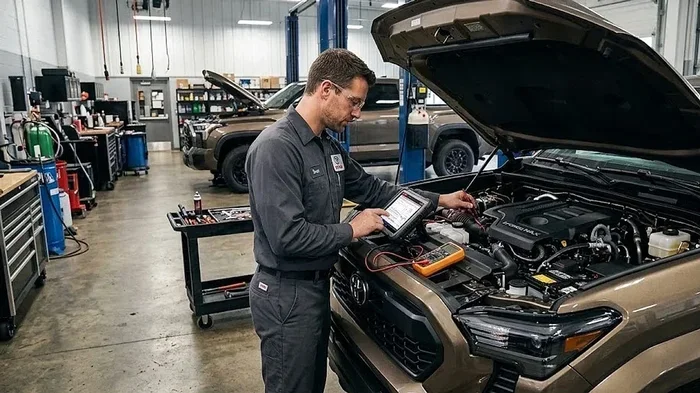
Transmission fluid is especially important. Towing generates extra heat in the transmission, and old or low fluid can lead to premature failure. If you are unsure about your fluid levels or condition, doing your own car diagnostics is a great way to stay on top of your vehicle’s health between professional service visits.
Inspect Your Tires
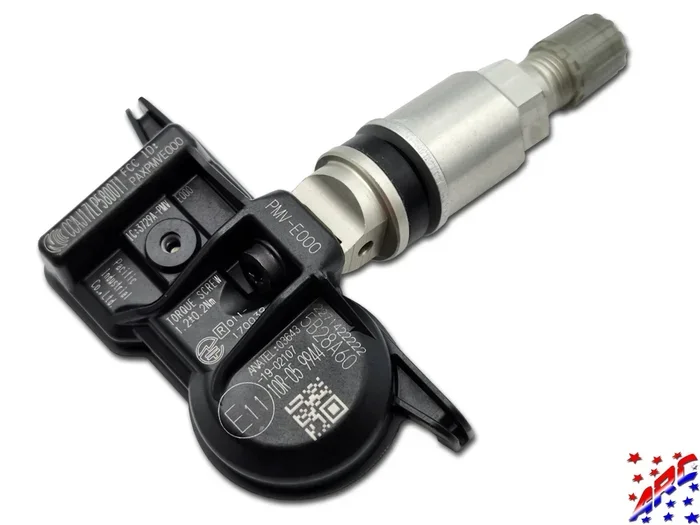
Your 4Runner’s tires carry the combined weight of the vehicle, cargo, and trailer. Check your tire pressure before every trip and inspect the tread for wear. Underinflated tires overheat when towing, which increases the risk of blowouts.
Also, make sure your spare tire is in good condition and that you have the proper jack and tools for a roadside tire change. Towing a heavy boat trailer on a spare tire is not a situation anyone wants to face.
Test Your Brakes
Your brakes do the heavy work of stopping a loaded 4Runner and trailer combination. Have your brake pads, rotors, and brake fluid checked before the towing season begins. If you notice any squealing, grinding, or reduced braking performance, address it immediately.
Many people also install a brake controller for their trailer. This device applies the trailer’s brakes in proportion to your 4Runner’s braking, giving you much more control when stopping with a heavy load.
Install Splash Guards for Protection
When towing a boat trailer, road debris, mud, and water spray are constant companions. Installing splash guards on your 4Runner protects the undercarriage, wheel wells, and body panels from damage. This is a simple DIY project that pays off in the long run by preventing rust and corrosion caused by constant exposure to road spray.
Splash guards also keep debris from kicking up into your headlights and windshield, improving visibility and safety. They are inexpensive, easy to install, and one of the smartest upgrades for any regular tow vehicle.
Driving Safety Tips When Towing a Boat
Driving a 4Runner with a boat trailer attached feels different from driving without one. The vehicle is longer, heavier, and less responsive. Adjusting your driving habits is essential for safety.
Speed and Distance
Slow down. This is the single most important rule of towing. Higher speeds increase wind resistance, tire wear, and the risk of trailer sway. Most experts recommend keeping your speed under 60 mph when towing a boat trailer.
Increase your following distance significantly. A loaded 4Runner and trailer take longer to stop than an unloaded vehicle. Give yourself plenty of room to brake safely, especially on highways and in wet conditions.
Maneuvering and Turning
Wide turns are your friend when towing a boat. The trailer has a tighter turning radius than your 4Runner, which means it can clip curbs, signs, and other vehicles if you turn too sharply. Take turns wider than usual and slow down before turning.
When reversing, go slowly and make small steering corrections. Boat trailers are notoriously tricky to back up, especially in tight launch ramps. If possible, have a spotter guiding you from outside the vehicle.
Fuel Efficiency and Range
Towing a boat significantly reduces your 4Runner’s fuel economy. Expect to drop from the normal 16 to 18 miles per gallon down to 10 to 13 mpg when towing a loaded boat trailer. Plan your fuel stops accordingly and do not push your tank too low.
If you are concerned about running low on fuel during a long tow, remember that driving on empty is risky even without a trailer, but it becomes even more dangerous when towing. Always top off before long trips and carry extra fuel if you are traveling through remote areas.
Weight Distribution and Loading
How you load your boat trailer matters just as much as how much you tow. Place heavier items toward the front of the trailer, near the bow, to keep the tongue weight in the proper range. Secure all loose gear with tie-downs and straps to prevent shifting during the drive.
An improperly loaded trailer can cause dangerous sway, especially in crosswinds or when passing large trucks. Take the time to load your trailer correctly every single time.
Be Aware of Weight Limits
Exceeding your 4Runner’s towing or payload capacity is one of the most common mistakes boat owners make. If you are unsure whether your setup is too heavy, it probably is. The consequences of overloading range from poor handling and brake fade to transmission failure and structural damage.
If you are ever uncertain about how much weight is too much for your vehicle, reviewing resources on how much weight is too much for your car can provide helpful context and guidelines for staying within safe limits.
Common Mistakes When Towing a Boat with a 4Runner
Even experienced boat owners make mistakes. Here are the most common errors to avoid:
- Ignoring the owner’s manual: Your 4Runner’s manual contains specific towing guidelines, weight limits, and equipment requirements. Skipping this step can void your warranty and compromise safety.
- Using the wrong hitch ball size: A 1-7/8 inch ball will not properly seat a 2-inch trailer coupler. Always match your hitch ball to your trailer coupler exactly.
- Forgetting to grease the trailer bearings: Trailer wheel bearings need regular greasing to prevent overheating and failure. Check them before every trip.
- Overloading the trailer: It is tempting to pack everything you own for the weekend. But overloading the trailer puts stress on your 4Runner, tires, and brakes.
- Neglecting trailer maintenance: Your trailer needs care too. Inspect the lights, tires, frame, and coupler regularly.
- Not practicing before the trip: If you are new to towing, practice driving, turning, and reversing in a safe, empty area before your first real trip.
Final Thoughts on Towing Boats with a 4Runner
The Toyota 4Runner is a capable and dependable towing vehicle for most recreational boats. With its strong frame, reliable V6 engine, and solid towing capacity, it handles everything from small bass boats to medium-sized fishing and ski boats with ease. The key is knowing your limits, using the right equipment, and maintaining your vehicle properly.
Before every trip, double-check your hitch connections, trailer lights, tire pressure, and loading distribution. Take it slow on the highway, give yourself extra stopping distance, and stay alert to changing road and weather conditions. Towing a boat is a rewarding experience, and your 4Runner is up to the task when treated with respect and care.
If you take nothing else away from this guide, remember this: knowledge and preparation are the foundations of safe and enjoyable boat towing. Invest the time to understand your 4Runner’s capabilities, maintain your equipment, and drive with caution. The water will be waiting, and you will arrive safely and ready to fish, ski, or simply enjoy the day.
Happy towing, and tight lines out there on the water.
Frequently Asked Questions
What is the towing capacity of a Toyota 4Runner?
Most 4Runner models can tow between 4,000 and 5,000 pounds, depending on the trim, engine, and model year. Always check your owner’s manual for the exact rating of your specific vehicle.
Can a 4Runner tow a 20-foot boat?
Yes, a 4Runner can typically tow a 20-foot boat with trailer. A boat of this size usually weighs between 2,500 and 4,000 pounds including the trailer, which falls within the 4Runner’s towing range for most trims.
Do I need a special hitch to tow a boat with a 4Runner?
You need a Class II or Class III receiver hitch rated for your trailer’s weight. Most 4Runner owners use a 2-inch receiver hitch, which is compatible with the majority of boat trailers on the market.
Is towing a boat bad for a 4Runner?
Towing within your 4Runner’s rated capacity is not bad for the vehicle. However, exceeding the towing limit or skipping regular maintenance can cause premature wear on the engine, transmission, and brakes.
What maintenance does a 4Runner need after towing a boat?
After towing, check your engine oil, transmission fluid, coolant, and tire pressure. Inspect your hitch and wiring connections, and grease your trailer bearings regularly. Staying on top of these simple checks keeps your 4Runner in great shape for the next trip.
Can I tow a boat with a 4Runner that does not have a towing package?
Most 4Runner models come with a standard towing package that includes a hitch mount, wiring harness, and cooling system. However, some base trims may have lower towing limits. Always verify your specific model’s towing specifications before hauling a boat.