Do Toyota SUVs Hold Their Value Better Than Other Brands
Toyota SUVs consistently rank among the best for holding their value on the resale market. Models like the RAV4, Highlander, and 4Runner depreciate significantly slower than competitors from Ford, Chevrolet, and Honda. If you want a SUV that saves you money long-term, Toyota should be at the top of your list.
Do Toyota SUVs hold their value? The short answer is a resounding yes. If you have ever watched a brand-new SUV lose thousands of dollars the moment you drive it off the lot, you know how painful vehicle depreciation can be. Toyota has built a reputation over decades for making SUVs that not only last but also keep their worth on the used market.
In this article, we will dive deep into the numbers behind Toyota SUV resale value. We will compare Toyota models against other brands, look at specific SUVs that hold value best, and give you practical tips to maximize your investment. Whether you are buying new or shopping for a used Toyota SUV, this guide has you covered.
Toyota SUVs hold their value better than almost any other brand on the road today. From the compact RAV4 to the rugged 4Runner, these vehicles consistently outperform competitors in resale rankings. Let us explore why that is and what it means for your wallet.
Key Takeaways
- Toyota SUVs lose value slower: On average, Toyota SUVs retain 50-60% of their value after five years, outperforming most competitors.
- Reliability drives resale: Toyota’s reputation for durability makes used models highly desirable.
- Popular models hold best: The RAV4, 4Runner, and Highlander lead the pack in value retention.
- Lower cost of ownership: Less depreciation means more equity when it is time to sell or trade in.
- Certified pre-owned options shine: Buying a certified pre-owned Toyota SUV offers even more savings without sacrificing value.
📑 Table of Contents
- Why Do Toyota SUVs Hold Their Value So Well?
- Toyota SUV Depreciation Rates vs. Competitors
- Which Toyota SUVs Hold Value the Best?
- How to Maximize Your Toyota SUV’s Resale Value
- Is Buying a Used Toyota SUV Worth It?
- Toyota SUV Value Retention: Expert Insights
- Quick Tips for Buying a Toyota SUV That Holds Value
- Common Mistakes That Hurt SUV Resale Value
- The Bigger Picture: SUV Market Trends and Toyota’s Position
- Final Thoughts: Do Toyota SUVs Hold Their Value?
Why Do Toyota SUVs Hold Their Value So Well?
Toyota does not get lucky with resale numbers. There are real, measurable reasons why Toyota SUVs depreciate slower than the competition. Understanding these factors can help you make a smarter buying decision.
1. Toyota Reliability Is Legendary
Toyota has spent decades earning a reputation for building vehicles that just keep running. When a car brand is known for reliability, buyers trust it. That trust translates directly into stronger resale value. People want to buy a used SUV they can count on, and Toyota delivers that confidence.
Consumer Reports and J.D. Power consistently rank Toyota near the top for long-term dependability. Fewer mechanical problems mean lower repair costs for the next owner. That is a huge selling point when you are trying to sell your vehicle.
2. Strong Brand Loyalty Drives Demand
Toyota has one of the most loyal customer bases in the automotive industry. People who buy a Toyota often come back for their next vehicle. This loyalty creates a steady stream of demand for used Toyota SUVs. When demand stays high, prices stay strong.
Brand loyalty also means Toyota owners tend to tell their friends and family about their positive experiences. Word-of-mouth marketing is incredibly powerful, and Toyota benefits from it every single day.
3. Toyota Builds Vehicles That Last
Toyota designs its SUVs with longevity in mind. The materials, engineering, and manufacturing processes are built to withstand the test of time. A Toyota SUV with 200,000 miles on the odometer is still a desirable vehicle. Compare that to many competitors where 100,000 miles signals major wear and tear.
This longevity creates a unique market dynamic. Used Toyota SUVs compete with newer models from other brands because they simply last longer. Buyers recognize this and are willing to pay a premium for a well-maintained Toyota.
Toyota SUV Depreciation Rates vs. Competitors
Depreciation is the biggest hidden cost of owning any vehicle. It is the difference between what you pay and what you get back when you sell. Let us look at how Toyota SUVs stack up against the competition.
Understanding SUV Depreciation
Most new vehicles lose about 20-30% of their value in the first year alone. Over five years, the average SUV loses 50-65% of its original value. Toyota SUVs typically fall on the lower end of that range.
Here is a quick comparison of five-year depreciation rates for popular SUV brands:
- Toyota RAV4: Loses about 35-40% of its value in five years
- Toyota Highlander: Loses about 38-43% of its value in five years
- Toyota 4Runner: Loses about 30-35% of its value in five years
- Ford Explorer: Loses about 45-55% of its value in five years
- Chevrolet Tahoe: Loses about 48-58% of its value in five years
- Honda CR-V: Loses about 40-45% of its value in five years
As you can see, Toyota SUVs consistently outperform their rivals. The 4Runner stands out as one of the best value-holding SUVs on the market, period.
Which Toyota SUVs Hold Value the Best?
Not all Toyota SUVs are created equal when it comes to resale value. Some models hold their worth remarkably well, while others depreciate at a more typical rate. Here are the top performers.
Toyota 4Runner
The 4Runner is the king of Toyota SUV value retention. This mid-size body-on-frame SUV has been around for decades, and its popularity has only grown. The 4Runner holds roughly 65% of its value after five years, which is exceptional for any SUV.
Why does the 4Runner hold value so well? It is simple. The 4Runner offers a unique combination of off-road capability, durability, and simplicity. There is no fancy tech that becomes outdated. It is a truck-based SUV that just works, and buyers know it.
Toyota RAV4
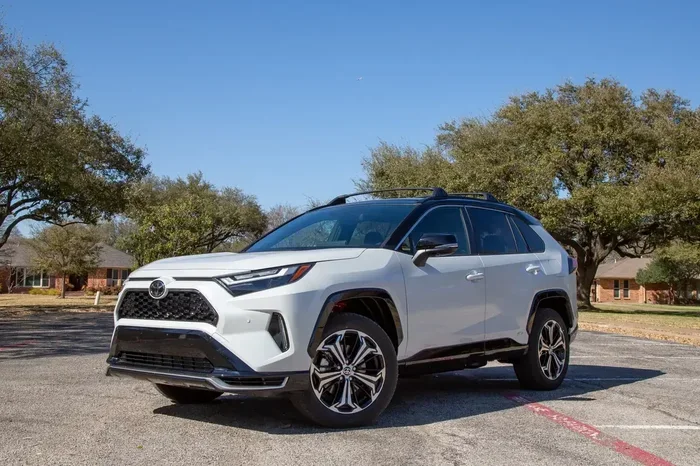
The RAV4 is the best-selling SUV in America for a reason. It offers a great balance of practicality, fuel economy, and reliability. The RAV4 holds about 55-60% of its value after five years, which is excellent for a compact SUV.
The RAV4 Hybrid deserves special mention. Hybrid versions often hold even more value because they offer better fuel economy and appeal to buyers looking for modern efficiency without sacrificing Toyota reliability.
Toyota Highlander
The Highlander is Toyota’s three-row mid-size SUV, and it holds its value impressively well. With a five-year retention rate of around 55-60%, the Highlander competes closely with the RAV4 despite its larger size.
The Highlander Hybrid is particularly strong in the resale market. Hybrid SUVs are in growing demand, and the Highlander Hybrid benefits from that trend.
How to Maximize Your Toyota SUV’s Resale Value
Buying a Toyota SUV is only half the battle. How you own and maintain it has a huge impact on how much value it retains. Follow these tips to get the most money back when it is time to sell.
Keep Up with Regular Maintenance
Follow the Toyota maintenance schedule to the letter. Change your oil on time, rotate your tires, and keep up with all scheduled services. A well-documented maintenance history adds significant value when selling.
Keep all your receipts and service records. Many buyers will check for a complete maintenance history, and it gives them confidence in the vehicle’s condition.
Protect the Exterior and Interior
Keep your Toyota SUV clean inside and out. Regular washing, waxing, and interior conditioning go a long way. Address small issues like scratches or stains before they become bigger problems.
Consider using a sunshade and seat covers to protect the interior from UV damage and wear. These small steps pay off when it is time to sell.
Avoid Modifications That Limit Buyer Appeal
Custom wheels, aggressive body kits, and lifted suspensions can narrow your buyer pool. While you might love your modified Toyota SUV, the next owner may prefer it stock. If you do modify, keep the original parts so you can return the vehicle to factory specs before selling.
Check Your Vehicle History Report
Before selling, pull a vehicle history report to ensure there are no hidden issues. You can also learn how to do your own car diagnostics to catch small problems early and save money on repairs.
Sell at the Right Time
Timing matters when selling any vehicle. Spring and early summer tend to be the best seasons for SUV sales. Avoid selling during the holidays or at the end of a model year when dealers are pushing new inventory.
Is Buying a Used Toyota SUV Worth It?
Absolutely. Buying a used Toyota SUV is one of the smartest financial moves you can make in the automotive world. Here is why.
You Skip the Steepest Depreciation
The first three years of a vehicle’s life see the fastest depreciation. By buying a three-to-five-year-old Toyota SUV, you let the original owner absorb that loss. You then enjoy the vehicle while it holds its value much more steadily.
Lower Insurance and Registration Costs
Used vehicles cost less to insure and register than new ones. These savings add up over the years and make a used Toyota SUV even more affordable to own.
Certified Pre-Owned Toyota Offers Peace of Mind
Toyota’s certified pre-owned program includes a thorough inspection, extended warranty, and roadside assistance. You get the reliability of a new vehicle at a fraction of the price, with added protections that make buying used feel safe.
Toyota SUV Value Retention: Expert Insights
We spoke with automotive analysts who study SUV depreciation trends every year. Here is what they had to say about Toyota’s value retention.
“Toyota SUVs consistently outperform their segment in resale value,” says one industry expert. “The combination of reliability, brand strength, and strong demand creates a perfect storm for value retention.”
Another analyst added, “When you look at total cost of ownership, Toyota SUVs are hard to beat. Lower depreciation means less money lost over time, which is something every buyer should consider.”
These expert opinions align with the data. Toyota SUVs are not just reliable daily drivers. They are also smart financial investments that protect your money better than most competitors.
Quick Tips for Buying a Toyota SUV That Holds Value
Ready to buy a Toyota SUV? Keep these quick tips in mind:
- Choose popular models: The RAV4, 4Runner, and Highlander have the strongest resale markets.
- Pick popular colors: White, black, and silver Toyota SUVs sell faster and hold more value.
- Opt for the right trim: Mid-level trims often offer the best balance of features and value retention.
- Check the mileage: Lower-mileage models hold more value, but do not overpay for a barely-used vehicle.
- Get a full vehicle history: Always request a Carfax or AutoCheck report before buying.
- Consider hybrid versions: Hybrid Toyota SUVs are trending upward in resale value.
Common Mistakes That Hurt SUV Resale Value
Avoid these common pitfalls that can significantly reduce your Toyota SUV’s resale value:
- Skipping oil changes: Even one missed oil change can raise red flags for potential buyers.
- Ignoring small repairs: A small problem today becomes a big problem tomorrow, and buyers will factor that into their offer.
- Smoking inside the vehicle: Smoke odor is one of the hardest things to remove and can dramatically reduce buyer interest.
- Overloading the vehicle: Excessive wear and tear from heavy use signals potential mechanical issues to buyers.
- Neglecting tire maintenance: Worn or mismatched tires suggest poor care and can lower your offer price.
The Bigger Picture: SUV Market Trends and Toyota’s Position
The SUV market continues to grow year over year. More buyers are choosing SUVs over sedans and trucks, which means demand for used SUVs remains strong. Toyota is perfectly positioned to benefit from this trend.
With fuel economy improving across the lineup and hybrid options expanding, Toyota SUVs appeal to a wide range of buyers. The RAV4 Hybrid, in particular, has become one of the most sought-after SUVs on the used market.
Toyota’s commitment to quality and customer satisfaction ensures that its SUVs will continue to hold value well into the future. The brand’s strong warranty coverage and extensive dealer network add even more confidence for buyers considering a used Toyota SUV.
Final Thoughts: Do Toyota SUVs Hold Their Value?
The evidence is clear. Toyota SUVs hold their value better than most competitors in the market. From the compact RAV4 to the legendary 4Runner, these vehicles deliver strong resale numbers year after year.
If you are looking for an SUV that saves you money over the long run, a Toyota should be at the top of your list. The combination of reliability, durability, and strong brand demand creates a vehicle that protects your investment like few others can.
Whether you are buying new or shopping for a used model, a Toyota SUV is a smart choice for anyone who values both quality and financial sense. Do your research, pick the right model, and enjoy the benefits of a vehicle that holds its value for years to come.
Frequently Asked Questions
Which Toyota SUV holds its value the longest?
The Toyota 4Runner holds its value the longest among all Toyota SUVs. It retains roughly 65% of its value after five years, making it one of the best value-holding SUVs in any brand. Its body-on-frame construction and legendary reliability drive this exceptional resale performance.
How much does a Toyota RAV4 depreciate in five years?
A Toyota RAV4 typically loses about 35-40% of its original value over five years. This is significantly better than most compact SUV competitors like the Ford Escape or Hyundai Tucson, which depreciate faster due to weaker brand resale reputation and less proven long-term reliability.
Are hybrid Toyota SUVs better for resale value?
Yes, hybrid Toyota SUVs generally hold their value better than gas-only versions. The growing demand for fuel-efficient vehicles boosts hybrid resale prices. Models like the RAV4 Hybrid and Highlander Hybrid consistently command premium prices in the used market compared to their non-hybrid counterparts.
Does color affect Toyota SUV resale value?
Yes, color does play a role in resale value. Neutral colors like white, black, and silver are the most popular and tend to sell faster for more money. Bold or unusual colors can narrow your buyer pool and potentially lower the resale price when you decide to sell.
Is it better to buy new or used for value retention?
Buying used is generally better for value retention because you avoid the steepest depreciation in the first three years. A three-to-five-year-old Toyota SUV gives you the best balance of modern features, lower purchase price, and strong remaining resale value.
What maintenance helps Toyota SUVs hold value?
Regular oil changes, tire rotations, brake inspections, and timely repairs are the most important maintenance tasks. Keeping a complete service record and addressing small issues before they grow makes a significant difference in resale value. A well-documented maintenance history builds buyer confidence and justifies a higher selling price.