Can You Still Drive a Prius With a Dead Hybrid Battery
Yes, you can still drive a Prius with a dead hybrid battery, but only in a limited “limp mode” using the gas engine alone. This mode restricts speed and power, making long trips unsafe. Understanding what happens when your Prius hybrid battery dies helps you avoid being stranded and plan the right repair.
You are cruising down the road in your Toyota Prius, and suddenly a warning light flashes on the dashboard. Your heart sinks. Can you still drive a Prius with a dead hybrid battery? The short answer is yes, but with serious limitations. Your Prius will switch to what mechanics call “limp mode,” where only the gas engine works. This mode keeps you moving, but it is not a long-term solution.
Many Prius owners find themselves in this scary situation. The good news is that understanding what happens next can save you time, money, and stress. In this guide, we walk through everything you need to know about driving a Prius when the hybrid battery fails. We cover warning signs, what to expect, repair options, and how to stay safe on the road.
Whether your battery is partially failing or completely dead, this article gives you the facts you need. We also share practical tips to help you decide between replacing, rebuilding, or refurbishing your battery pack. Let us dive in and take the mystery out of this common Prius problem.
Key Takeaways
- A dead hybrid battery does not completely stop your Prius: The gas engine can still run in limp mode, but with reduced performance.
- Warning signs appear early: Dashboard alerts, reduced fuel economy, and unusual noises signal battery trouble before full failure.
- Replacement costs vary widely: New hybrid batteries range from $1,000 to $4,000+ depending on the Prius model and year.
- You have several repair options: Replace the full battery, rebuild individual modules, or refurbish the existing pack.
- Regular maintenance extends battery life: Simple habits like smooth driving and keeping terminals clean can add years to your hybrid battery.
- Driving without a working hybrid system is risky: Limp mode limits your speed and power, which can be dangerous on highways.
📑 Table of Contents
- What Happens When a Prius Hybrid Battery Dies?
- Warning Signs Your Prius Hybrid Battery Is Failing
- Can You Still Drive a Prius With a Dead Hybrid Battery? Here is What to Expect
- How Much Does It Cost to Replace a Prius Hybrid Battery?
- How to Extend Your Prius Hybrid Battery Life
- Common Mistakes Prius Owners Make With a Dead Hybrid Battery
- Expert Insights and Final Recommendations
What Happens When a Prius Hybrid Battery Dies?
When the hybrid battery in your Prius dies, the car does not just shut off like a regular vehicle. Toyota designed the Prius with a smart fail-safe system. This system lets the gas engine take over so you can still reach a safe spot or a repair shop. But the experience is far from normal driving.
Limp Mode Explained
Limp mode is a protective feature. When the hybrid battery fails, the car’s computer limits power to protect the engine and transmission. In limp mode, your Prius will:
- Run only on the gas engine
- Limit your top speed to around 25 to 40 mph
- Disable regenerative braking
- Reduce acceleration significantly
- Show warning lights on the dashboard
Think of limp mode as a safety net. It is not meant for highway driving or long trips. If you find yourself in limp mode, pull over safely and arrange for a tow if needed. Trying to push through at high speeds can cause further damage to your Prius.
How the Hybrid System Works in a Prius
To understand why a dead battery causes so many problems, you need to know how the Prius hybrid system works. The Prius uses both a gas engine and an electric motor. These two power sources work together seamlessly. The electric motor handles low-speed driving, while the gas engine kicks in for highway speeds and extra power.
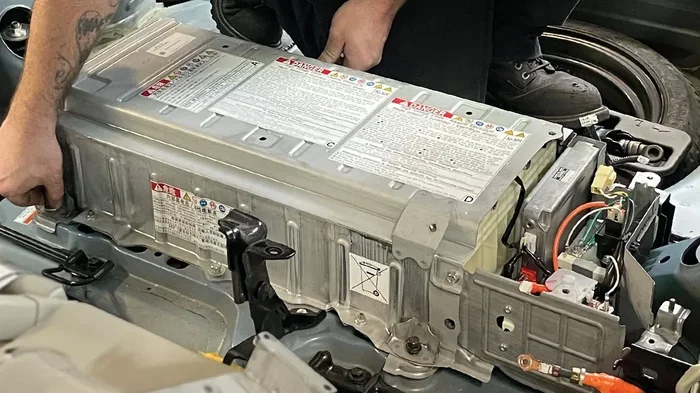
The hybrid battery pack stores energy recovered through regenerative braking. This energy recapture is what makes the Prius so fuel efficient. When the battery dies, this entire system breaks down. The gas engine can still run, but you lose all the electric assist that makes the Prius special. If you are curious about how the switch between power sources works, check out our article on at what point does a hybrid switch to gas for a deeper dive.
Warning Signs Your Prius Hybrid Battery Is Failing
A dead hybrid battery rarely happens overnight. Your Prius gives you plenty of warning signs before it completely fails. Recognizing these early signals can save you from getting stranded.
Dashboard Warning Lights
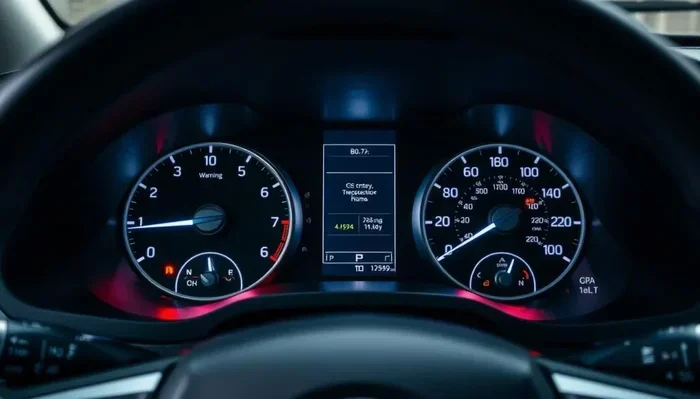
The first sign is almost always a warning light. The triangle-shaped master warning light on the dashboard is your biggest clue. Some Prius models also show a specific hybrid system warning. If you see any of these lights, do not ignore them. They mean the car’s computer has detected a problem with the hybrid system.
Decreased Fuel Economy
One of the biggest benefits of a Prius is its amazing fuel economy. If you notice your miles per gallon dropping significantly, the hybrid battery might be to blame. A failing battery cannot hold a charge, so the gas engine works harder. This means you burn more fuel than usual. Keep an eye on your trip meter and fuel readings.
Unusual Noises
A healthy Prius is remarkably quiet. If you start hearing strange sounds from the engine bay, pay attention. Clicking, whining, or grinding noises can indicate battery or motor problems. These sounds often mean the electric motor is struggling to compensate for a weak battery.
Reduced Power and Acceleration
Does your Prius feel sluggish? A failing hybrid battery means less electric power assist. You might notice slow acceleration, especially when merging onto highways or climbing hills. This is a clear sign that something is wrong with the hybrid system.
Battery State of Charge Fluctuates
On the Prius dashboard, there is a battery charge indicator. If you notice the charge bouncing between high and low randomly, the battery cells might be failing. A healthy battery maintains a steady charge level during normal driving.
Can You Still Drive a Prius With a Dead Hybrid Battery? Here is What to Expect
So, can you still drive a Prius with a dead hybrid battery? Yes, but we need to be honest about the limitations. Your Prius will limp along on the gas engine alone, but the experience is frustrating and potentially unsafe.
What Limp Mode Feels Like
When your Prius enters limp mode, you will feel the difference immediately. The car feels slow and unresponsive. Highway merging becomes risky because you lack the power to accelerate quickly. Braking also changes because regenerative braking is disabled. You rely entirely on the traditional friction brakes, which wear out faster.
Most drivers report that limp mode feels like driving an underpowered car. The gas engine runs, but without the electric boost, the Prius does not feel like itself at all. It is drivable for short distances to a repair shop, but that is about it.
How Far Can You Go?
The distance you can cover depends on your gas tank. With a dead hybrid battery, your Prius runs purely on gasoline. Most Prius models get around 40 to 50 mpg on gas alone. So if you have half a tank, you might cover 200 to 300 miles. However, we do not recommend pushing it. The strain on the gas engine and transmission can cause additional damage.
If you are dealing with a low-fuel situation alongside a dead battery, you might want to read about how far you can push a car on empty in our guide on can I drive 10 miles on empty. The principles are similar when your hybrid system fails.
Safety Concerns
Driving a Prius with a completely dead hybrid battery comes with real safety risks. The reduced power makes highway driving dangerous. Slower acceleration means you might not be able to react quickly to traffic changes. The disabled regenerative braking system also puts extra wear on your regular brakes, which can overheat on long descents.
Always prioritize safety. If your hybrid battery dies while driving, turn on your hazard lights and find a safe place to pull over. Call for roadside assistance or a tow truck if needed. Do not try to drive long distances in limp mode.
How Much Does It Cost to Replace a Prius Hybrid Battery?
The cost of replacing a Prius hybrid battery is one of the biggest concerns for owners. The price varies a lot depending on several factors. Let us break down what you can expect.
New Battery Replacement Cost
A brand-new OEM hybrid battery for a Prius typically costs between $2,000 and $4,000+. This price includes the battery pack and professional installation. The exact cost depends on your Prius model and year:
- Prius Gen 1 (1997-2003): $1,500 – $2,500
- Prius Gen 2 (2004-2009): $2,000 – $3,500
- Prius Gen 3 (2010-2015): $2,500 – $4,000
- Prius Gen 4 (2016+): $3,000 – $4,500+
These prices cover parts and labor at a certified Toyota dealership. Independent shops may offer lower rates, but always check their warranty and reputation.
Rebuilt or Refurbished Battery Options
Not everyone wants to pay full price for a new battery. Rebuilt and refurbished options can save you 30 to 50 percent. A refurbished battery involves replacing failed individual cells within the pack while keeping the healthy ones. This option works well when only a few cells have gone bad.
Always ask for a warranty with any refurbished battery. A good refurb should come with at least a one-year warranty. Be wary of extremely cheap options, as they might use low-quality cells that fail quickly.
DIY Battery Module Replacement
Some experienced DIYers choose to replace individual battery modules instead of the entire pack. This approach can cut costs significantly. However, it requires specialized tools and knowledge about hybrid battery systems. If you are handy with car repairs, you might want to check out our guide on can I do my own car diagnostics to see if this route is right for you.
Warranty Coverage
Toyota provides an 8-year or 100,000-mile warranty on hybrid batteries in most states. Some states with stricter emissions laws extend this to 10 years or 150,000 miles. If your Prius is still under warranty, battery replacement might be free or low-cost. Always check your warranty status before committing to a full-price replacement.
How to Extend Your Prius Hybrid Battery Life
Prevention is always better than cure. With proper care, you can significantly extend the life of your Prius hybrid battery. Most Prius batteries last between 100,000 and 150,000 miles, but some owners reach 200,000 miles with the original battery. Here is how you can help your battery last longer.
Drive Smoothly
Aggressive driving puts extra stress on the hybrid battery. Hard acceleration and sudden braking cause the battery to charge and discharge rapidly. Over time, this wears out the cells faster. Smooth, steady driving is the best thing you can do for your battery health.
Avoid Extreme Temperatures
Heat is the enemy of hybrid batteries. Parking in direct sunlight for extended periods can degrade battery performance over time. In cold climates, the battery struggles to hold a charge efficiently. If possible, park in a garage or shaded area to protect your battery from extreme temperatures.
Keep the Battery Clean
Corrosion on battery terminals can cause charging problems. Inspect the battery connections regularly and clean any corrosion with a wire brush and baking soda solution. Clean terminals ensure good electrical contact and help the hybrid system work efficiently.
Don’t Let the Battery Fully Drain
Running the battery down completely regularly can shorten its lifespan. Try to keep the battery charge between 40 and 80 percent for daily driving. If you park your Prius for extended periods, start the car and let it run for a few minutes every couple of weeks to maintain the charge.
Keep Up With Regular Maintenance
Regular maintenance checks catch small problems before they become big ones. During routine service, ask your mechanic to check the hybrid battery health, cooling system, and cell balance. A well-maintained cooling system is especially important because the battery generates heat during operation.
Use Quality Replacement Parts
If you ever need to replace battery cells or components, always use quality parts. Cheap aftermarket cells might save money upfront but can fail prematurely and damage other cells in the pack. Investing in quality parts protects the entire battery system.
Common Mistakes Prius Owners Make With a Dead Hybrid Battery
When Prius owners face a dead hybrid battery, they often make mistakes that worsen the situation. Here are the most common errors to avoid.
Ignoring Warning Signs
The biggest mistake is ignoring early warning signs. Dashboard lights, reduced fuel economy, and sluggish performance are your Prius asking for help. Addressing these symptoms early can prevent a complete battery failure and save you from a roadside breakdown.
Continuing to Drive Long Distances in Limp Mode
Some owners try to push through limp mode and drive long distances. This puts excessive strain on the gas engine and transmission. The added stress can lead to expensive secondary repairs that could have been avoided with a simple tow to the shop.
Choosing the Cheapest Repair Option
Going with the absolute cheapest repair option often backfires. Low-quality refurbished batteries or poorly installed cells can fail within months. Always research the shop or supplier and ask about warranties before committing to any repair.
Not Checking the 12V Auxiliary Battery
Here is a twist many Prius owners do not expect. Sometimes the problem is not the hybrid battery at all. The 12V auxiliary battery powers the car’s computer systems. A dead 12V battery can mimic hybrid battery failure symptoms. Always check both batteries before assuming the hybrid battery is the culprit.
Skipping Professional Diagnostics
Even if you are handy with cars, hybrid battery diagnostics require specialized equipment. Skipping professional diagnostics means you might misdiagnose the problem. A proper scan can pinpoint exactly which battery modules are failing, saving you from unnecessary expenses.
Expert Insights and Final Recommendations
Dealing with a dead Prius hybrid battery can feel overwhelming, but it does not have to be. The key is staying calm, understanding your options, and making informed decisions. Most Prius owners find that the hybrid system is reliable and problems are rare with proper maintenance.
If your battery is showing signs of failure, get a professional diagnostic as soon as possible. Catching a problem early gives you more repair options and can save significant money. Many shops offer free or low-cost hybrid system diagnostics that can give you a clear picture of the situation.
Remember that your Prius is a sophisticated machine with two power systems working together. When one system fails, the other can carry you, but not without trade-offs. Respect the limitations of limp mode and prioritize safety above all else.
If you enjoy learning more about hybrid vehicles and how they perform in different situations, our piece on are hybrid cars good for long distance driving offers valuable insights that complement this guide.
The bottom line is this: a dead hybrid battery does not mean the end of your Prius. With the right knowledge and the right repair approach, you can get back on the road safely and efficiently. Take care of your battery, listen to your car’s warning signs, and you will enjoy many more miles of excellent fuel economy and reliable driving.
Whether you choose a full replacement, a refurbished pack, or a module-level repair, the most important step is taking action. Do not let a dead hybrid battery leave you stranded or cause further damage to your beloved Prius. Stay proactive, stay informed, and your Toyota will keep running strong for years to come.
Frequently Asked Questions
Can I drive my Prius with the hybrid battery completely dead?
Yes, you can drive a short distance in limp mode, where only the gas engine works. However, your speed will be limited and the car will feel underpowered. This mode is designed only for short trips to a repair shop or safe location. Driving long distances in limp mode can damage the gas engine and transmission.
How much does it cost to replace a Prius hybrid battery?
The cost ranges from $1,000 to $4,500 depending on your Prius model and year. New OEM batteries are at the higher end, while refurbished or rebuilt options can save you 30 to 50 percent. Always ask for a warranty with any replacement battery.
How long do Prius hybrid batteries last?
Most Prius hybrid batteries last between 100,000 and 150,000 miles. With proper maintenance and driving habits, some owners reach 200,000 miles on the original battery. Extreme temperatures and aggressive driving can shorten battery life significantly.
Is it safe to drive a Prius in limp mode on the highway?
No, it is not safe. Limp mode limits your speed and power, making highway driving dangerous. You may not be able to accelerate quickly enough to merge or react to traffic. Always pull over safely and arrange for a tow if your hybrid battery dies on the highway.
Can I replace just one module in the hybrid battery pack?
Yes, in many cases only a few modules within the battery pack have failed. Replacing individual modules is cheaper than replacing the entire pack. However, this requires specialized diagnostic equipment and expertise. A professional can test each module and replace only the faulty ones.
What causes a Prius hybrid battery to die prematurely?
Common causes include exposure to extreme temperatures, frequent deep discharging, corrosion on terminals, and age-related cell degradation. Skipping regular maintenance and ignoring warning signs also contribute to premature battery failure. Proper care and timely repairs can significantly extend battery life.
=== CONCLUSION ===
Can you still drive a Prius with a dead hybrid battery? Yes, but with important limitations. Your Prius will operate in limp mode, using only the gas engine at reduced power and speed. This is a temporary solution, not a long-term fix. Recognizing warning signs early, understanding your repair options, and taking proper care of your hybrid battery can help you avoid being stranded and keep your Prius running smoothly for years. Stay proactive, prioritize safety, and always seek professional help when hybrid system warning lights appear on your dashboard.