Do Toyotas Have 2 Catalytic Converters Here Is the Answer
Do Toyotas have 2 catalytic converters? The answer depends on the model and engine type. Many modern Toyotas use a dual catalytic converter setup, especially V6 and larger engines, while smaller four-cylinder models may have just one. Understanding your Toyota’s exhaust system helps with maintenance and avoiding costly repairs.
Do Toyotas have 2 catalytic converters? This is a question many Toyota owners ask, especially when they hear strange noises under their car or see a warning light on the dashboard. The short answer is: it depends on the model and engine type. Some Toyotas come with a single catalytic converter, while others use a dual catalytic converter system. Understanding which setup your vehicle has can save you money, time, and a lot of confusion when maintenance issues arise.
In this guide, we will walk through everything you need to know about Toyota catalytic converters. We will cover which models use two converters, how to tell if your Toyota has one or two, and what signs point to a failing converter. Whether you drive a compact Corolla or a powerful V6 Camry, this article has you covered. Let us dive right in and clear up the mystery around Toyota exhaust systems.
Key Takeaways
- Not all Toyotas have two catalytic converters: It depends on the engine size and model year.
- V6 and larger engines typically use dual converters: These help manage exhaust flow more effectively.
- Four-cylinder Toyotas often have a single converter: Smaller engines produce fewer exhaust gases.
- Watch for warning signs: A failing converter can reduce fuel efficiency and trigger the check engine light.
- Regular maintenance helps: Simple habits can extend the life of your catalytic converter significantly.
- Replacement cost varies: Dual converter systems cost more to replace than single setups.
- Check your manual: The fastest way to know your setup is to consult your Toyota owner’s manual.
📑 Table of Contents
- What Is a Catalytic Converter and Why Does It Matter
- Do Toyotas Have 2 Catalytic Converters
- Which Toyota Models Use Two Catalytic Converters
- How to Tell if Your Toyota Has One or Two Catalytic Converters
- Common Signs Your Toyota Catalytic Converter Is Failing
- How to Keep Your Toyota Catalytic Converter Healthy
- Can You Replace a Toyota Catalytic Converter Yourself
- Final Thoughts
What Is a Catalytic Converter and Why Does It Matter
A catalytic converter is a key part of your Toyota’s exhaust system. It sits between the engine and the tailpipe. Its job is to clean up harmful gases before they leave the car. Inside the converter, chemical reactions turn toxic fumes into less harmful emissions. This process helps your car pass emissions tests and keeps the air cleaner.
Without a working catalytic converter, your Toyota would release dangerous pollutants. These include carbon monoxide, nitrogen oxides, and hydrocarbons. Over time, a damaged converter can also hurt your engine performance. You might notice rough idling, reduced power, or poor fuel economy. That is why keeping this part in good shape matters so much.
The catalytic converter works closely with other parts of the exhaust system. The oxygen sensor monitors the gas levels. The exhaust manifold collects gases from the engine cylinders. Then the gases flow through the converter for cleaning. Finally, they exit through the tailpipe. Each part plays a role in keeping your Toyota running smoothly.
Do Toyotas Have 2 Catalytic Converters
So, do Toyotas have 2 catalytic converters? The answer is not a simple yes or no. Many newer Toyota models use a dual catalytic converter system. This is especially true for vehicles with larger engines. The dual setup helps manage exhaust flow better and reduces emissions more effectively.
However, smaller Toyota models with four-cylinder engines often use just one catalytic converter. The number of converters depends on several factors. These include engine size, model year, and emission standards. Toyota designs each vehicle to meet specific environmental regulations. In markets with strict rules, dual converters are more common.
Here is a quick look at what determines whether a Toyota has one or two converters:
- Engine type: V6 and larger engines usually need two converters.
- Model year: Newer models often have dual systems to meet updated emission laws.
- Market regulations: Cars sold in regions with strict emission standards may use two converters.
- Vehicle size: Larger vehicles like SUVs and trucks tend to have dual setups.
If you are wondering about your specific car, checking the exhaust system is the best approach. You can also refer to your vehicle manual or talk to a trusted mechanic. Knowing your setup helps you plan for maintenance and replacements.
Single vs Dual Catalytic Converter Systems
A single catalytic converter system is simpler. It uses one unit to clean exhaust gases. This setup is common in smaller Toyotas like the Corolla, Yaris, and Echo. The single converter is easier to maintain and costs less to replace. For most daily drivers, a single converter works just fine.
A dual catalytic converter system uses two units. These are often placed on each side of the engine. This design is common in V6 engines and larger displacement motors. The dual setup allows for better exhaust flow. It also provides more thorough cleaning of harmful gases. Models like the Toyota Camry V6, RAV4 V6, and Highlander often use this arrangement.
Both systems serve the same core purpose. They reduce harmful emissions from your vehicle. The main difference is in efficiency and complexity. Dual systems are more effective but also more expensive to maintain.
Which Toyota Models Use Two Catalytic Converters
Not every Toyota rolls off the assembly line with a dual converter setup. The models that typically use two catalytic converters are those with larger engines or higher performance demands. When you look at Toyota models in the 25 lakh range and above, dual converters become more common. Let us explore which Toyotas are most likely to have this setup.
Popular Toyota Models with Dual Converters
The Toyota Camry with a V6 engine is a great example. This popular sedan has been a favorite for years. Its larger engine produces more exhaust, so it needs two converters to handle the flow efficiently. Similarly, the Toyota RAV4 V6 and the Highlander often come equipped with dual catalytic converters.
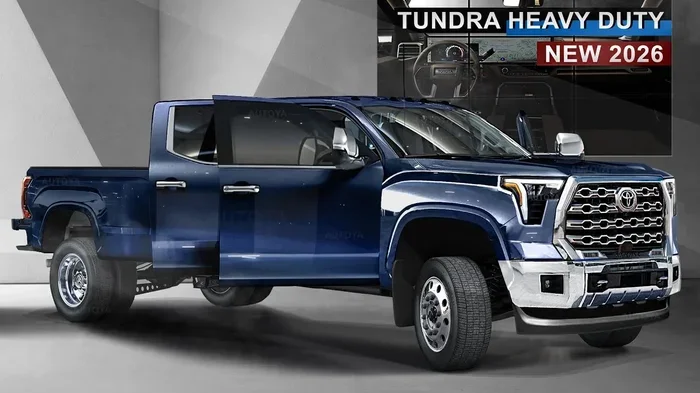
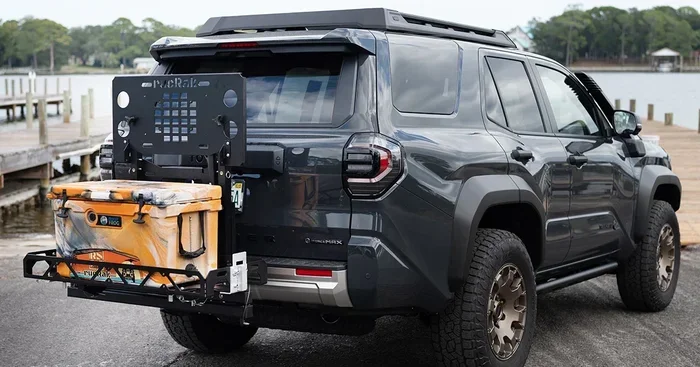
Larger SUVs and trucks in the Toyota lineup also tend to use two converters. The Toyota 4Runner, Tacoma, and Tundra are strong examples. These vehicles have bigger engines and heavier frames. The dual converter system helps them meet emission standards without sacrificing performance.
On the other hand, models like the Toyota Corolla, Prius, and Yaris typically use a single catalytic converter. These cars have smaller, more efficient engines. They produce fewer exhaust gases, so one converter does the job well. If you own one of these models, you likely do not need to worry about a dual setup.
Here is a simple comparison table to help you understand the difference:
| Toyota Model | Engine Type | Catalytic Converters |
|---|---|---|
| Corolla | 4-Cylinder | 1 |
| Camry (V6) | V6 | 2 |
| RAV4 (V6) | V6 | 2 |
| Prius | Hybrid 4-Cylinder | 1 |
| Highlander | V6 | 2 |
| Tacoma | V6 or 4-Cylinder | 1 or 2 |
| 4Runner | V6 | 2 |
Keep in mind that some models come in different engine options. A four-cylinder Tacoma has one converter, while the V6 version has two. Always check your specific vehicle to be sure.
How to Tell if Your Toyota Has One or Two Catalytic Converters
Figuring out how many catalytic converters your Toyota has is easier than you might think. There are a few simple methods you can try at home. You do not need to be a mechanic to check. A little curiosity and a flashlight are all you need.
Check Your Vehicle Manual
The fastest way to find out is to look at your Toyota owner’s manual. The manual lists all the major components of your vehicle. It will tell you whether your model uses a single or dual converter system. If you do not have the physical manual, you can often find a digital version on Toyota’s website. Search for your specific model and year, and the exhaust system section should have the answer.
Look at the Exhaust System
You can also do a visual inspection. Get under the car safely or look from below. A single converter setup usually has one main unit connected to the exhaust pipe. A dual system will have two converters, often mounted on either side of the engine bay or along the exhaust pipe in sequence.
Another clue is the number of oxygen sensors. Dual converter systems typically have more oxygen sensors. These sensors help the car’s computer monitor exhaust gases. If you see four or more oxygen sensors, your Toyota likely has two converters.
For a more definitive check, you can use a diagnostic tool. If you are curious about doing this yourself, you might want to read our guide on can I do my own car diagnostics to learn more about using OBD-II scanners effectively.
Consult a Trusted Mechanic
When in doubt, ask a professional. A mechanic can quickly identify your converter setup during a routine inspection. They can also check the condition of each converter. This is a good idea if you are buying a used Toyota or planning a major service. A quick inspection can reveal hidden issues before they become expensive problems.
Common Signs Your Toyota Catalytic Converter Is Failing
A failing catalytic converter can cause several noticeable problems. Catching these signs early can save you from costly repairs. Here are the most common symptoms to watch for.
Check Engine Light and Error Codes
The check engine light is one of the first warning signs. When the catalytic converter is not working properly, oxygen sensors detect the problem. They send error codes to your car’s computer. Common codes related to converter issues include P0420 and P0430. These codes mean the converter efficiency is below the threshold. If you see the check engine light, do not ignore it. Get the codes read as soon as possible.
Reduced Fuel Efficiency
Have you noticed you are filling up more often? A failing catalytic converter can hurt your fuel economy. When the converter is clogged or damaged, exhaust gases do not flow freely. This creates back pressure in the engine. The engine has to work harder, which uses more fuel. If your miles per gallon drop suddenly, the converter could be the culprit.
Rotten Egg Smell
A healthy catalytic converter smells like nothing. If you notice a strong rotten egg odor, something is wrong. This smell comes from sulfur in the exhaust gases. A damaged converter cannot process sulfur properly. The unprocessed gases escape and create that unpleasant smell. If you notice this odor, get your converter checked right away.
Rattling Noise
A rattling sound from underneath the car is another red flag. Inside the catalytic converter, there is a honeycomb structure. When this structure breaks apart, it creates a rattling noise. You might hear this sound when starting the car or when idling. A rattling converter usually means internal damage. At this point, replacement is often the best option.
Poor Engine Performance
A clogged catalytic converter restricts exhaust flow. This can make your engine feel sluggish. You might notice hesitation when accelerating. The car may feel weak or unresponsive. In severe cases, the engine might stall. These performance issues should never be ignored. They can lead to bigger problems if left unchecked.
How to Keep Your Toyota Catalytic Converter Healthy
Prevention is always better than cure. Taking care of your catalytic converter can extend its life significantly. Here are some practical tips to keep your Toyota’s converter in great shape.
Regular Maintenance Tips
- Use the right fuel: Always use the recommended octane level for your Toyota. Low-quality fuel can cause buildup in the converter.
- Keep the engine tuned: A misfiring engine sends unburned fuel into the converter. This can overheat and damage it. Regular tune-ups prevent this.
- Fix oil leaks quickly: Oil and coolant can enter the exhaust system. Both substances can damage the converter over time.
- Check oxygen sensors regularly: Faulty sensors can cause the converter to work too hard. Replacing them early saves the converter.
- Avoid short trips when possible: Short trips do not allow the converter to reach proper operating temperature. This can cause moisture buildup and clogging.
What Causes Catalytic Converter Damage
Several things can shorten the life of a catalytic converter. Understanding these causes helps you avoid them. Engine misfires are a leading cause. When fuel does not burn completely, it enters the converter and overheats it. Coolant leaks can also cause serious damage. Coolant entering the exhaust system coats the converter’s internals. This blocks the flow of gases.
Oil consumption is another common issue. Engines that burn oil send oil residue into the exhaust. This residue builds up in the converter over time. Using high-quality oil and changing it regularly helps prevent this problem.
Physical damage is another concern. Hitting speed bumps or potholes at high speed can dent or damage the converter. The honeycomb structure inside is fragile. Even a small impact can cause internal breakage. Drive carefully and avoid road hazards whenever possible.
One more thing to keep in mind is catalytic converter theft. Toyota converters, especially those with precious metals inside, can be targets for thieves. If you park on the street often, consider investing in a converter protection shield. Parking in a secure garage also helps. You can learn more about garage dimensions and storage solutions in our article on 2 car garage dimensions minimum to plan a safe parking setup.
Can You Replace a Toyota Catalytic Converter Yourself
Replacing a catalytic converter is not a simple DIY job for most people. The converter is located in the exhaust system, which can be hard to reach. It also requires special tools and knowledge. For most Toyota owners, professional installation is the best choice.
The cost of replacement varies widely. A single converter replacement can range from 500 to 1500 dollars. A dual converter system costs more, sometimes 1500 to 3000 dollars or more. The price depends on the model, the type of converter, and labor costs in your area. If you are considering a used or aftermarket converter, make sure it meets emission standards in your region.
Before replacing the converter, have a mechanic confirm the diagnosis. Sometimes, cleaning the converter can restore function. Other times, the oxygen sensor or exhaust leak might be the real issue. A proper diagnosis saves money and prevents unnecessary part replacements.
If you own a Toyota in the 50 lakh range or higher, the cost of replacement can be significant. These vehicles often use premium converters with advanced technology. Always use genuine Toyota parts or high-quality aftermarket alternatives. Cheap converters may not last long and could fail emission tests.
Final Thoughts
So, do Toyotas have 2 catalytic converters? The answer really comes down to the specific model and engine. Many modern Toyotas with V6 engines and larger displacement use a dual converter setup. Smaller four-cylinder models typically use just one. Understanding your vehicle’s exhaust system helps you take better care of it.
Regular maintenance, quality fuel, and prompt repairs go a long way. They keep your catalytic converter working efficiently for years. Watch for warning signs like the check engine light, reduced fuel economy, or strange noises. Catching problems early saves you money and keeps your Toyota running strong.
Whether you drive a compact Corolla or a powerful 4Runner, your catalytic converter plays a vital role. It keeps your car running clean and your engine healthy. Take care of it, and it will take care of you. Drive safe, maintain regularly, and enjoy the ride.
Frequently Asked Questions
How many catalytic converters does a Toyota Camry have?
A Toyota Camry with a four-cylinder engine usually has one catalytic converter. The Camry V6 model typically has two converters. Always check your specific model and year to confirm the exact setup.
Can I drive my Toyota with a bad catalytic converter?
You can drive short distances with a failing converter, but it is not recommended. A bad converter can cause engine damage over time. It also increases harmful emissions. Have it inspected and replaced as soon as possible.
How long does a Toyota catalytic converter last?
A Toyota catalytic converter can last 100,000 miles or more with proper care. Regular maintenance, quality fuel, and a well-tuned engine all contribute to a longer lifespan. Driving habits and road conditions also play a role.
Why do Toyota catalytic converters get stolen?
Toyota catalytic converters contain precious metals like platinum and palladium. These metals are valuable to scrap dealers. Thieves target parked cars, especially hybrids, because their converters are in better condition. Parking in secure areas helps reduce theft risk.
What is the difference between a single and dual catalytic converter?
A single converter uses one unit to clean exhaust gases. A dual system uses two converters, usually for larger engines with higher exhaust output. Dual systems are more efficient at reducing emissions but cost more to replace.
How can I check if my Toyota has a dual converter system?
You can check your vehicle manual, do a visual inspection under the car, or use an OBD-II scanner. Counting oxygen sensors can also help. Dual systems usually have four or more oxygen sensors. Consulting a mechanic is the most reliable method.