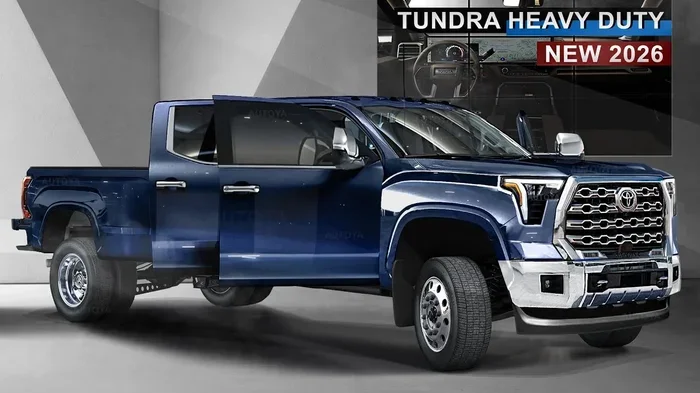
Are Toyota Tundras Reliable for Your Heavy Duty Truck
The Toyota Tundra has earned a strong reputation as a dependable heavy duty truck that handles towing, hauling, and daily driving with ease. With proper maintenance, a Toyota Tundra can last well over 200,000 miles, making it one of the most durable full-size pickups on the road today. The 2024 hybrid model adds even more efficiency and power to an already proven platform.
When you need a truck that can handle serious work, the Toyota Tundra sits at the top of many buyer lists. But does this full-size pickup actually deliver on the promise of long-term reliability? The short answer is yes. The Toyota Tundra has built one of the strongest reputations in the heavy duty truck world over the past two decades.
Whether you are towing a fifth-wheel camper, hauling construction materials, or simply need a dependable daily driver, the Tundra has something to offer. In this article, we will look at real-world data, common issues, and what owners say after years of ownership. By the end, you will have a clear picture of whether the Toyota Tundra is the right choice for you.
Key Takeaways
- Long Lifespan: Toyota Tundras regularly surpass 200,000 miles with basic upkeep and care.
- Strong Towing Capability: The Tundra handles heavy towing loads up to 12,000 pounds, making it ideal for trailers and equipment haulers.
- Hybrid Advantage: The 2024 i-FORCE MAX hybrid delivers better fuel economy without sacrificing power or reliability.
- Common Issues Are Manageable: Problems like transmission hesitation and oil consumption are known but generally easy and affordable to fix.
- Strong Resale Value: Toyota Tundras hold their value exceptionally well compared to competitors in the heavy duty truck segment.
- Proven Track Record: Multiple generations of the Tundra have consistently earned high reliability ratings from owners and industry experts.
📑 Table of Contents
- Why Toyota Tundra Reliability Matters for Truck Buyers
- The Toyota Tundra Engine and Drivetrain: Built to Last
- Common Toyota Tundra Problems and How to Handle Them
- Toyota Tundra Generations: How Each Era Performed
- Toyota Tundra Ownership Costs: What to Expect
- Is the Toyota Tundra Good for Long Distance Driving?
- Toyota Tundra Reliability Rating and Expert Opinions
- Final Verdict: Are Toyota Tundras Reliable?
Why Toyota Tundra Reliability Matters for Truck Buyers
Buying a truck is not like buying a sedan. You are making a big financial commitment. A reliable heavy duty truck saves you money on repairs, keeps you working, and gives you peace of mind every time you turn the key. The Toyota Tundra has consistently ranked among the most dependable full-size pickups available in the United States.
Reliability matters because nobody wants a truck that breaks down on the job site or leaves them stranded on a highway. The Tundra’s reputation for durability comes from decades of engineering refinement, quality components, and a simple but effective design philosophy. Toyota builds vehicles that focus on function over flash, and the Tundra is a perfect example of that approach.
When you compare the Toyota Tundra reliability record against competitors like the Ford F-150, Ram 1500, and Chevrolet Silverado, the Tundra often comes out ahead in long-term owner satisfaction surveys. This does not mean the Tundra is perfect. Every truck has its quirks. But overall, the Tundra proves time and again that it can handle tough duty without constant trips to the mechanic.
What Owners Say After 100,000 Miles
One of the best ways to judge reliability is to listen to real owners. Thousands of Toyota Tundra owners have logged over 100,000 miles and shared their experiences online. The common theme? These trucks keep running. Many owners report minimal major repairs during the first 100,000 miles when following the recommended maintenance schedule.
Some owners note that the transmission can feel a bit sluggish at low speeds, especially in older models. Others mention occasional issues with the fuel system or electrical components. But these are the kinds of things that happen with any vehicle after many years of hard use. The Toyota Tundra holds up remarkably well compared to the competition.
The Toyota Tundra Engine and Drivetrain: Built to Last
Under the hood, the Toyota Tundra has always been powered by a strong V8 engine. The traditional 5.7-liter V8 has been the backbone of the Tundra lineup for years. This engine is known for its simplicity, durability, and easy maintenance. There is not a lot of complex technology to go wrong, which is actually a big plus for long-term reliability.
The 2024 model year brought a major change with the introduction of the i-FORCE MAX twin-turbo V6 hybrid powertrain. This new engine delivers 389 horsepower and 479 pound-feet of torque. It is powerful enough for serious towing while also offering improved fuel economy. The hybrid system adds an extra electric motor that assists the gas engine during acceleration and heavy loads.
Toyota designed the i-FORCE MAX hybrid system to be as durable as the traditional V8. The electric motor has fewer moving parts, which means less wear over time. Many drivers who are curious about the Toyota Tundra hybrid ask whether it is as reliable as the older V8 models. Early data and owner feedback suggest that the hybrid system is just as dependable, if not more so.
Transmission Reliability
The Tundra uses a 10-speed automatic transmission in newer models. This transmission has received mixed reviews. Some drivers love the smooth shifts and wide gear range. Others have noticed occasional hesitation or rough transitions between gears, particularly at low speeds.
Toyota has issued software updates to address some of these concerns. The transmission is generally reliable, but like any 10-speed unit, it benefits from regular fluid changes. Staying on top of transmission fluid maintenance is one of the easiest ways to ensure your Tundra lasts for many years of hard use.
Common Toyota Tundra Problems and How to Handle Them
No truck is perfect, and the Toyota Tundra is no exception. Understanding common issues helps you stay ahead of problems before they become expensive repairs. Here are the most frequently reported concerns among Tundra owners.
Oil Consumption: Some Tundra models, particularly those with the 5.7-liter V8, have been known to consume oil at a higher rate than expected. This is not a dealbreaker, but it does mean you should check your oil level regularly between oil changes. Keeping a quart of oil in the truck is a smart habit for any Tundra owner.
Transmission Hesitation: As mentioned above, some owners report a slight delay when shifting from park to drive. This issue is more common in older models and can often be resolved with a software update or transmission fluid flush.
Exhaust Manifold Cracking: A small number of early Tundra models experienced cracking in the exhaust manifold. Toyota addressed this through recalls and extended warranties on affected vehicles. If you are buying a used Tundra, it is worth checking whether this repair was completed.
Rust and Corrosion: Like any truck, the Tundra can develop rust in areas exposed to road salt and moisture. Regular washing, especially in winter months, helps prevent rust from taking hold. Applying a rust inhibitor or undercoating is also a good preventive step.
Are Toyota Tundras Reliable After 100K Miles?
This is one of the most common questions we see from truck buyers. The answer is overwhelmingly positive. Toyota Tundras are reliable after 100k miles and continue to perform well well beyond that milestone. Many owners report that their Tundras run strong at 150,000, 200,000, and even 250,000 miles.
The key is consistent maintenance. Changing the oil on time, replacing filters, checking fluids, and addressing small issues before they grow are the habits that keep any Toyota Tundra running for the long haul. If you take care of your truck, it will take care of you.
One thing that sets the Tundra apart from many competitors is its simple engineering. There are fewer electronic systems and complex components that can fail compared to some modern trucks. This simplicity is a reliability advantage that becomes more valuable as the truck ages.
Toyota Tundra Generations: How Each Era Performed
The Toyota Tundra has gone through two main generations since its introduction in 2000. Each generation brought improvements in technology, safety, and reliability. Understanding the differences helps you make a smarter buying decision, whether you are looking at a used model or the latest 2024 version.
First Generation (2000-2006)
The original Tundra was a groundbreaking truck for Toyota. It was the brand’s first full-size pickup designed specifically for the North American market. The first-generation Tundra came with a 4.7-liter V8 and the 5.7-liter V8 option. These early models proved that Toyota could build a competitive heavy duty truck that rivaled the established American brands.
Reliability in the first generation was generally excellent, with the most common issues being minor electrical gremlins and occasional exhaust manifold cracking. The first-gen Tundra has become a popular choice for buyers looking for an affordable used truck with proven durability.
Second Generation (2007-2021)
The second-generation Tundra received a major redesign in 2007. The frame was strengthened, the engine lineup was refined, and the interior was upgraded significantly. Toyota also introduced the Tundra’s towing package, which boosted the truck’s already impressive hauling capability.
This generation is widely considered the most reliable era of the Tundra. The 5.7-liter V8 became the standard engine and proved itself as one of the most durable truck engines ever produced. Owners of second-generation Tundras consistently report fewer problems and lower maintenance costs compared to competitors in the same class.
Third Generation (2022-Present)
The latest Tundra generation brought a completely modernized design, a hybrid powertrain, and the latest safety and technology features. The 2024 model introduced the i-FORCE MAX hybrid system, which marked a significant shift for Toyota’s truck lineup.
Early reviews and owner feedback on the third-generation Tundra are very positive. The hybrid system adds power and efficiency without adding complexity that could lead to reliability issues. Toyota has also improved the transmission and addressed many of the minor complaints from previous generations.
Toyota Tundra Ownership Costs: What to Expect
Owning a heavy duty truck comes with costs beyond the purchase price. Understanding these costs helps you budget properly and avoid surprises. The Toyota Tundra is generally considered affordable to own over the long term, especially when compared to some domestic competitors.
Maintenance Costs: Toyota Tundra maintenance costs are moderate and predictable. Oil changes, tire rotations, brake pads, and fluid replacements are the most common services. Because the Tundra uses widely available parts, repair costs tend to be reasonable even at independent shops, not just dealerships.
Fuel Economy: The traditional 5.7-liter V8 Tundra gets around 16-18 miles per gallon in combined driving. The new hybrid model improves this to approximately 20-22 mpg combined, which is a meaningful improvement for a truck of this size. Over many years of ownership, the hybrid’s fuel savings can add up to a significant amount of money.
Insurance and Depreciation: Toyota Tundras hold their value better than most trucks in their class. The strong resale value means you lose less money when it comes time to sell or trade in. Insurance costs are also competitive, especially for models with good safety ratings.
Quick Tips to Reduce Ownership Costs
- Perform all scheduled maintenance on time. This is the single best way to prevent expensive repairs.
- Do your own basic maintenance like oil changes and air filter replacements if you are handy.
- Buy quality aftermarket parts when OEM parts are too expensive. Many aftermarket parts are just as good.
- Keep the truck clean, especially the undercarriage, to prevent rust and corrosion.
- Drive smoothly and avoid aggressive acceleration, which reduces wear on the engine and transmission.
Is the Toyota Tundra Good for Long Distance Driving?
Many truck buyers wonder whether a heavy duty vehicle like the Tundra is comfortable and efficient enough for long road trips. The answer is yes. The Toyota Tundra is actually quite capable when it comes to long distance driving, especially with the new hybrid powertrain.
When you are planning a cross-country trip or a weekend getaway, the Tundra provides a smooth ride, comfortable seating, and enough cargo space to handle all your gear. The hybrid model’s improved fuel economy makes long trips more affordable at the pump.
Are hybrid cars good for long distance driving? The Toyota Tundra hybrid proves they are. The electric motor assists the gas engine during highway cruising, reducing fuel consumption and engine strain. You get the towing capability of a traditional V8 with the efficiency benefits of a hybrid system.
For families who need a truck for both work and play, the Tundra also offers comfortable seating and modern technology features that make long drives more enjoyable. The infotainment system, available leather seats, and driver-assistance features all contribute to a pleasant driving experience on long journeys.
Toyota Tundra Reliability Rating and Expert Opinions
Industry experts and reliability organizations consistently rate the Toyota Tundra highly. J.D. Power, Consumer Reports, and RepairPal all give the Tundra above-average reliability scores. These ratings are based on real-world data from thousands of owners and extensive testing.
RepairPal gives the Toyota Tundra a reliability rating of 4.0 out of 5.0, which places it in the top tier of full-size pickups. Consumer Reports rates the Tundra as one of the most reliable trucks you can buy, with high scores for predicted reliability and owner satisfaction.
What do these ratings mean for you? They mean that when you buy a Toyota Tundra, you are choosing a truck that is statistically less likely to need expensive repairs than many of its competitors. This translates to lower ownership costs and more time enjoying your truck instead of sitting in a repair shop.
The Toyota Tundra’s strong reliability rating is not just a marketing claim. It is backed by years of real-world data and consistent positive feedback from owners across the country. Whether you buy a used model from the second generation or the brand-new 2024 hybrid, you are getting a truck that Toyota engineers to last.
Final Verdict: Are Toyota Tundras Reliable?
After looking at all the evidence, the answer is clear. The Toyota Tundra is a highly reliable heavy duty truck that delivers on durability, capability, and long-term value. From the proven V8 engines to the new hybrid powertrain, Toyota has built a truck that owners trust and depend on for years.
If you need a truck for work, play, or both, the Tundra should be at the top of your list. Its strong reliability record, manageable ownership costs, and excellent resale value make it one of the smartest choices in the full-size pickup segment. Whether you are buying your first Tundra or your third, you are getting a truck that will serve you well for many miles to come.
Take the time to research, test drive, and talk to current Tundra owners. You will quickly discover why this truck has such a loyal following. The Toyota Tundra is more than just a vehicle. It is a dependable partner for whatever challenges life throws your way.
Frequently Asked Questions
How long does a Toyota Tundra last?
With proper maintenance, a Toyota Tundra can easily last 200,000 miles or more. Many owners report their trucks running strong past the 250,000-mile mark. The key is staying on top of oil changes, fluid replacements, and routine inspections.
Is the Toyota Tundra hybrid as reliable as the V8 model?
Yes, early data and owner feedback suggest the Toyota Tundra hybrid is just as reliable as the traditional V8. The hybrid system adds an electric motor with fewer moving parts, which can actually reduce wear over time. Toyota designed the i-FORCE MAX powertrain for long-term durability.
What is the Toyota Tundra towing capacity?
The Toyota Tundra can tow up to 12,000 pounds when properly equipped with the towing package. The hybrid model matches this capacity while also offering improved fuel economy. Always check your specific model’s specifications before towing heavy loads.
Are Toyota Tundras expensive to maintain?
No, Toyota Tundras are reasonably affordable to maintain compared to many competitors. Routine services like oil changes, brake jobs, and filter replacements are straightforward and widely available. The use of common parts also helps keep repair costs down.
What year Toyota Tundra should I avoid?
Most Toyota Tundra model years are reliable, but early first-generation models (2000-2003) had some reports of exhaust manifold cracking. The 2007-2008 second-generation models also had a few isolated issues. Overall, the Tundra is a solid choice across all generations.
Is the Toyota Tundra reliable after 100k miles?
Absolutely. The Toyota Tundra is reliable after 100k miles and continues to perform well for many more miles beyond that. Owners consistently report that their Tundras remain dependable even after crossing the 100,000-mile threshold with proper care and maintenance.