Does Toyota Corolla Show Tire Pressure on Dashboard
The short answer is yes, many Toyota Corolla models display tire pressure directly on the dashboard. Toyota Corolla tire pressure monitoring systems (TPMS) alert you to low pressure, but only certain years show a live reading. This guide explains exactly what your Corolla displays, how to interpret the warnings, and when to manually check your tires.
Your Toyota Corolla is more than just a car. It is a daily companion that keeps you safe and saves you money. One of the simplest ways to care for it is to watch your Toyota Corolla tire pressure. But does your Corolla actually show that number on the dash? The answer depends on your model year and trim level. This guide walks you through everything you need to know about the tire pressure monitoring system in your Corolla. You will learn how the system works, what the lights mean, and how to keep your tires in top shape.
Proper tire pressure affects ride comfort, safety, and fuel economy. Underinflated tires can waste gas and wear out fast. Overinflated tires give a harsh ride and reduce grip. The Toyota Corolla dashboard helps you spot problems early. Yet many drivers confuse a warning light with a live reading. Understanding the difference is the first step to smarter car care.
Key Takeaways
- Live Pressure Display: Some Corolla trims show exact PSI on the dashboard.
- Warning Light Only: Older models only illuminate a TPMS light when pressure drops.
- TPMS Reset Needed: After checking or inflating tires, you may need to reset the system.
- Manual Check Still Matters: Dashboard readings can lag; use a gauge monthly.
- Fuel Economy Link: Proper pressure improves mileage, much like how efficiency changes when a hybrid switches to gas.
- Sensor Battery Life: TPMS sensors have a 5–10 year battery that may need replacement.
📑 Table of Contents
How Tire Pressure Monitoring Works in Toyota Corolla
What Is TPMS?
TPMS stands for Tire Pressure Monitoring System. It uses sensors to check the air pressure inside each tire. When pressure falls below a safe level, the system sends a signal to your car’s computer. Most Toyota Corolla models from 2008 onward include TPMS. The system can be direct or indirect, depending on the year.
Direct TPMS has a small sensor inside each tire. These sensors measure the exact pressure and send a wireless signal to the car. Indirect TPMS uses the wheel speed sensors from your ABS system. It compares how fast each tire spins. A low-pressure tire rolls a slightly different distance, so it spins faster. The system detects this difference and triggers a warning.
Direct vs. Indirect Systems
Direct systems give you more detail. They can show the exact pressure reading for each tire. Indirect systems only tell you that one tire is low. They do not give a number. Your Corolla may use one or the other based on its equipment level.
| Feature | Direct TPMS | Indirect TPMS |
|---|---|---|
| Shows exact PSI | Yes | No |
| Sensors inside tires | Yes | No |
| Cost to replace sensor | Higher | Lower |
| Accuracy | Very high | Good |
| Found on Corolla trims | Higher trims | Base trims |
Does the Toyota Corolla Dashboard Show Tire Pressure?
The short answer is that some Corollas do and some do not. If you own a newer Corolla with a higher trim, you likely see a live pressure reading. Older models or base trims usually only show a warning light. Let us break this down by what you can actually expect to see.
Corolla Models with Live Pressure Readings
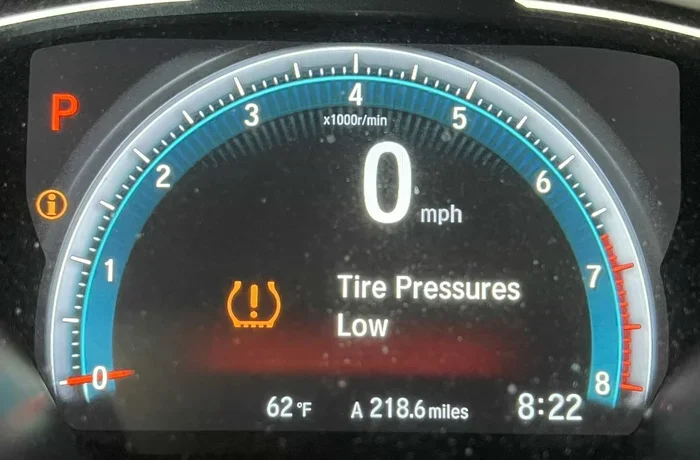
Toyota added a digital tire pressure display to many Corolla trims starting around 2014. Models like the LE, SE, and XSE often show the pressure for each tire on the multi-information display. You can see the number in PSI while driving. This feature is part of the trip computer or the instrument cluster display. If your Corolla has a fully digital gauge cluster, you probably have this readout.
To find the reading, look at the steering wheel controls. Press the menu button until the tire pressure screen appears. The display will list the front left, front right, rear left, and rear right pressures. It also shows the recommended pressure, which is usually printed on a sticker inside the driver’s door frame.
What the TPMS Warning Light Looks Like
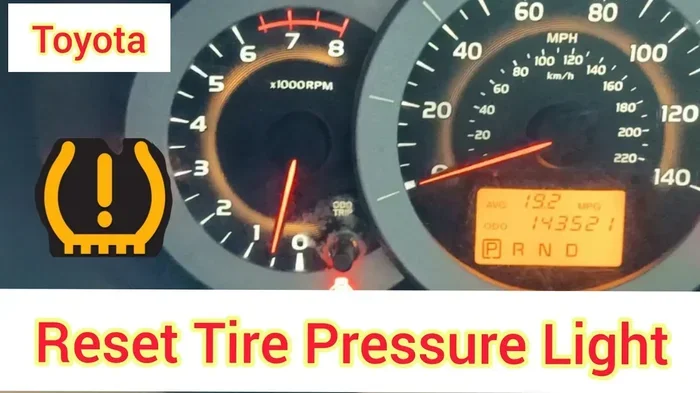
If your Corolla does not show a live number, it still has a warning light. The light looks like a horseshoe shape with an exclamation point in the middle. It is often yellow or orange. When this light stays on, at least one tire is underinflated. If it flashes, the TPMS system itself may have a fault, such as a dead sensor battery.
It is important to act quickly when you see this light. Driving on a low tire can cause a blowout. It also reduces your fuel economy. Keeping your tires at the recommended tire pressure is one of the easiest ways to protect your investment.
How to Read and Interpret Tire Pressure Data
Understanding PSI Readings
PSI stands for pounds per square inch. Your Corolla’s recommended pressure is usually between 30 and 35 PSI. You can find the exact number on the driver’s door jamb sticker. The tire pressure display on your dash shows the current reading. If it reads 28 PSI when the recommendation is 32 PSI, you need to add air.
Temperature changes affect your readings. Cold weather can drop pressure by 1 PSI for every 10-degree drop. So a tire that reads perfect in summer may trigger the light in winter. This is normal and not necessarily a leak. However, you should still check the pressure with a manual gauge to be sure.
When the Light Flashes vs. Stays On
A steady TPMS light means one or more tires are low. A flashing light means the system has a malfunction. Common causes include a dead sensor battery, a faulty sensor, or a problem with the receiver. In some cases, a new tire or wheel that was not properly seated can also cause a flash. If your light flashes, visit a service center soon.
Some drivers ask if tire pressure affects the car’s computer the way fuel management does. For a related look at how systems switch modes, see when a hybrid switches to gas. While not the same system, it shows how cars adjust behavior based on sensor input.
Common Tire Pressure Problems and Solutions
Low Tire Pressure Warning
A low tire pressure warning is the most common TPMS alert. It usually means you have a slow leak or a puncture. Nails, screws, and road debris are the usual culprits. Sometimes the valve stem dries out and leaks slowly. Cold mornings can also cause a temporary low reading.
Here is what to do when the light comes on:
- Find a safe place to pull over.
- Check the tire visually for obvious damage.
- Use a portable tire gauge to confirm the pressure.
- If the tire is flat, use your spare or call for roadside help.
- If the tire is just low, add air to the recommended PSI.
After inflating, drive for a few miles. The system may take several minutes to recalibrate. If the light stays on, you may need to manually reset it. The reset button is often located below the steering column or inside the glove box. Refer to your owner’s manual for the exact steps.
High Tire Pressure Risks
Overinflation is less common but still dangerous. Tires with too much air ride hard and wear unevenly in the center of the tread. They are also more prone to damage from potholes and curbs. The TPMS usually does not warn you about high pressure unless it is extreme. That is why manual checks are so important.
Keep a tire pressure gauge in your glove box. Check your tires once a month. This simple habit can extend tire life by thousands of miles. It also keeps your Corolla handling safely on wet roads.
Maintaining Your Toyota Corolla Tires
Quick Tips for Tire Pressure Maintenance
- Check pressure when tires are cold, before driving.
- Use a quality digital gauge for accuracy.
- Do not forget the spare tire.
- Check the pressure after big temperature swings.
- Reset the TPMS after adding air.
- Inspect tires for uneven wear every month.
Proper maintenance keeps your ride smooth and your fuel costs low. Think of it as a small habit that pays big rewards. Just as you would check your oil regularly, tire pressure deserves a monthly glance.
Common Mistakes to Avoid
Many drivers ignore the TPMS light until it goes away. That is a mistake. The light often resets itself after a few drives, but the underlying problem remains. Another common error is relying only on the dashboard display. The digital readout can lag by a few PSI. A manual gauge gives you the ground truth.
Some owners also mix tire brands or sizes. This can confuse the TPMS system. Always match the tire size and type to what the manufacturer recommends. If you are unsure, check the sticker on the driver’s door or the owner’s manual.
Expert Insights on Tire Care
Professional mechanics often say that tire pressure is the single most overlooked maintenance item. A well-inflated tire improves braking distance, cornering stability, and tread life. Keeping your Toyota Corolla tire pressure in check is one of the easiest ways to stay safe and save money.
Experts also note that tire pressure affects how the car handles during emergency maneuvers. A tire that is 10 PSI low can take longer to stop on wet pavement. This is especially true for heavier vehicles or when carrying a full load. So do not skip your monthly check, even if the dashboard looks fine.
For another example of how cars manage efficiency, read about the moment a hybrid switches to gas. It shows how systems optimize performance based on real-time data. Your TPMS does the same for your tires.
Conclusion
So, does Toyota Corolla show tire pressure? Yes, many models do, but the way it shows it varies. Newer Corollas with digital displays give you a live PSI reading for each tire. Older or base models rely on a warning light alone. Either way, the system is designed to protect you and your wallet. By understanding what your dashboard tells you, you can catch problems early and keep your ride safe.
Remember to check your tires manually at least once a month. Reset the TPMS after any air fill. And never ignore a warning light, even if it goes away on its own. A few minutes of attention can prevent a costly flat or a dangerous blowout. Your Toyota Corolla is built to last. Give it the simple care it deserves, and it will reward you with years of reliable service.
Frequently Asked Questions
Do all Toyota Corolla models show tire pressure on the dashboard?
No, not all models. Higher trims and newer years often display live PSI readings. Base trims and older models usually only show a warning light when pressure drops below the safe level.
Where can I find the recommended tire pressure for my Corolla?
Look for a sticker on the driver’s side door jamb. It lists the correct PSI for front and rear tires. You can also find this information in the owner’s manual.
How do I reset the tire pressure light on a Toyota Corolla?
Press and hold the TPMS reset button until the light blinks three times. The button is often located below the steering column or inside the glove box. Start the car and drive for a few miles to let the system recalibrate.
Can cold weather cause the tire pressure light to come on?
Yes, cold air causes tire pressure to drop. A 10-degree drop can reduce pressure by about 1 PSI. If the light comes on in winter, check your tires and add air if needed.
How often should I check my Corolla’s tire pressure manually?
You should check it at least once a month. Also check it before long trips and after big temperature changes. A manual gauge gives you the most accurate reading.
What does it mean if the TPMS light flashes?
A flashing light usually means the TPMS system has a malfunction. The sensor battery may be dead, or a sensor may have failed. Visit a service center to diagnose and fix the issue.