Do Toyotas Have A Tire Pressure Monitoring System
Yes, most Toyota vehicles come equipped with a tire pressure monitoring system (TPMS). This system helps drivers maintain safe tire pressure levels and avoid costly tire damage. Toyota has included TPMS as a standard safety feature on newer models, making it easier than ever to monitor tire health. Understanding how your Toyota TPMS works can save you time, money, and keep you safe on the road.
Owning a Toyota means enjoying reliability, fuel efficiency, and solid build quality. But one question many Toyota owners ask is whether their vehicle has a tire pressure monitoring system. The short answer is yes. Most modern Toyota models come standard with TPMS technology built right into the wheels. This system keeps an eye on your tire pressure at all times and alerts you when something is off.
Knowing how your Toyota tire pressure monitoring system works can make a huge difference in your daily driving experience. It helps you stay safe, improves fuel economy, and extends the life of your tires. In this guide, we will walk you through everything you need to know about Toyota TPMS. From how the system works to common problems and how to fix them, we have got you covered.
Whether you drive a Toyota Camry, a Toyota RAV4, or a Toyota Tacoma, understanding your tire pressure monitoring system is essential. Let us dive into the details and help you get the most out of your Toyota’s safety features.
Key Takeaways
- Toyota TPMS is standard: Most Toyota models built after 2008 include a tire pressure monitoring system as a standard safety feature.
- Two types exist: Toyota uses both direct and indirect TPMS systems depending on the model and year.
- Reset is simple: You can reset the tire pressure light yourself in most Toyota models with a few button presses.
- Sensor replacement costs vary: Expect to pay between $50 and $250 per sensor for TPMS sensor replacement.
- DIY diagnostics are possible: Basic tire pressure checks and sensor battery replacements can often be done at home.
- Weight matters: Vehicle weight affects recommended tire pressure, so always check your owner’s manual.
- Safety first: Ignoring the TPMS warning light can lead to poor fuel economy, uneven tire wear, and dangerous driving conditions.
📑 Table of Contents
- What Is a Tire Pressure Monitoring System?
- Do All Toyotas Have a Tire Pressure Monitoring System?
- How Toyota TPMS Works
- Common Toyota TPMS Problems and Solutions
- How to Reset Your Toyota Tire Pressure Light
- When Should You Replace Your TPMS Sensor?
- Maintaining Your Toyota TPMS for Long-Term Reliability
- Conclusion
What Is a Tire Pressure Monitoring System?
A tire pressure monitoring system, commonly known as TPMS, is an electronic system that tracks the air pressure inside your tires. When the pressure drops below a safe level, the system triggers a warning light on your dashboard. This early alert helps you address tire issues before they become serious problems.
How TPMS Protects You on the Road
Driving on underinflated tires is dangerous. It reduces your vehicle’s handling, increases stopping distances, and can lead to blowouts. A tire pressure monitoring system helps prevent these risks by catching low pressure early. Most Toyota models activate the TPMS warning light when tire pressure drops by 25% or more below the recommended level.
The system gives you real-time data about each tire. This means you always know if one tire is losing air faster than the others. For Toyota owners, this added layer of safety is one of the best features modern vehicles offer.
Direct vs. Indirect TPMS in Toyota Vehicles
Toyota vehicles use two main types of tire pressure monitoring systems. Understanding the difference helps you know what to expect from your specific model.
Direct TPMS: This system uses small sensors inside each tire. The sensors measure the exact air pressure and send data to your vehicle’s computer. Most newer Toyota models use direct TPMS because it provides precise readings.
Indirect TPMS: This system does not use physical sensors inside the tires. Instead, it uses the vehicle’s anti-lock braking system (ABS) to detect differences in wheel rotation speed. A tire with low pressure has a smaller diameter, which causes it to spin faster. The system detects this change and triggers the warning light.
Both systems serve the same purpose. Direct TPMS gives more accurate readings, while indirect TPMS is simpler and requires less maintenance.
Do All Toyotas Have a Tire Pressure Monitoring System?
Since the TREAD Act of 2000, all vehicles sold in the United States must have a tire pressure monitoring system. This law applies to Toyota vehicles as well. So yes, every Toyota model sold in the U.S. since 2008 includes some form of TPMS.
Toyota Model-Year Variations
The type of TPMS your Toyota has depends on the model and year. Here is a quick look at how Toyota TPMS has evolved:
- 2000-2007: Early TPMS systems were optional on some models and standard on others. These mostly used indirect systems.
- 2008-2015: Direct TPMS became standard across most Toyota models. These systems included sensors inside each wheel.
- 2016-Present: Modern Toyota vehicles feature advanced TPMS with improved sensor accuracy and longer battery life.
If you own an older Toyota, you might have a simpler system. But even older models benefit from the basic protection that TPMS provides. For specific details about your model, check your owner’s manual or visit a local dealership that can look up your vehicle’s specifications.
Why TPMS Matters for Toyota Owners
Toyota vehicles are known for longevity and low maintenance costs. The tire pressure monitoring system adds to that reputation by helping you catch small problems before they grow. Properly inflated tires also improve your Toyota’s fuel economy, which saves you money at the pump over time.
Additionally, maintaining correct tire pressure levels ensures even tire wear. This means you get more miles out of your tires before needing a replacement. For Toyota owners who want to maximize their investment, TPMS is an invaluable tool.
How Toyota TPMS Works
Understanding how your Toyota’s tire pressure monitoring system works helps you respond correctly when the warning light comes on. The process is straightforward and designed to keep you informed at all times.
The Sensor Inside Your Wheel
In direct TPMS systems, each wheel contains a small sensor. This sensor sits inside the tire, usually attached to the valve stem. It measures the air pressure inside the tire and transmits the data wirelessly to your vehicle’s central computer.
The sensor runs on a small battery that typically lasts 5 to 10 years. When the battery dies, the sensor needs to be replaced. This is one of the most common reasons Toyota owners need TPMS sensor replacement. The cost is usually between $50 and $250 per sensor, depending on the model.
Reading and Displaying Tire Pressure Data
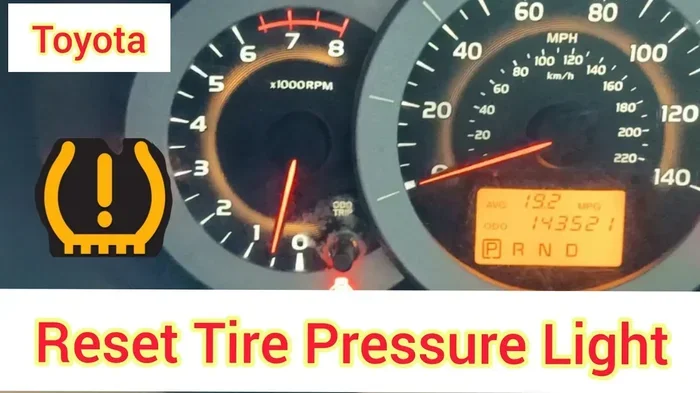
Once the sensor sends data, your Toyota’s computer analyzes it. If the pressure in any tire drops below the threshold, the system illuminates the TPMS warning light on your dashboard. The light looks like a horseshoe shape with an exclamation point in the center.
Some newer Toyota models display individual tire pressure readings on the dashboard screen. This allows you to see exactly which tire is low and how low it has gone. This feature makes it easy to address the problem quickly without guessing.
What Triggers the TPMS Warning Light
Several things can cause your Toyota’s TPMS light to come on. Here are the most common triggers:
- One or more tires are underinflated
- A tire has a slow leak or puncture
- The TPMS sensor battery is low
- You have installed aftermarket wheels without TPMS sensors
- The system needs a reset after tire rotation or replacement
- Temperature changes cause pressure fluctuations
Temperature changes are especially common in fall and winter. Cold air causes tire pressure to drop, which can trigger the warning light even if there is no actual leak. This is a normal response and usually resolves once the tires warm up from driving.
Common Toyota TPMS Problems and Solutions
While Toyota TPMS systems are reliable, they can develop problems over time. Knowing what to look for helps you address issues quickly and avoid costly repairs.
TPMS Light Stays On After Inflation
If you have inflated your tires to the correct pressure but the warning light stays on, the system may need a reset. Most Toyota models have a simple reset procedure. In many models, you can hold the TPMS reset button located below the steering column until the light blinks three times.
If resetting does not work, one of the sensors may be malfunctioning. A tire pressure diagnostic at a repair shop can identify which sensor needs attention. You can also try basic car diagnostics at home if you are comfortable working under the hood.
Intermittent TPMS Warning Light
Sometimes the TPMS light comes on and then goes off by itself. This usually happens when tire pressure fluctuates due to temperature changes or minor leaks. However, if the light keeps appearing and disappearing, it could indicate a failing sensor or a slow leak in one tire.
Quick tip: Check your tire pressure with a manual tire pressure gauge whenever the light comes on. This helps you determine whether the issue is a real pressure problem or a sensor malfunction.
TPMS Light After Tire Rotation
Rotating your tires is a great maintenance practice. But it can sometimes trigger the TPMS light. This happens because the sensors move to different wheels, and the system needs to relearn their positions.
To fix this, drive your Toyota at speeds above 30 mph for about 10 minutes. The system usually relearns the sensor positions automatically. If the light persists, you may need to perform a manual reset.
Dead TPMS Sensor Battery
TPMS sensors run on small batteries that eventually die. When this happens, the sensor stops sending data, and the TPMS light stays on. The average sensor battery lasts between 5 and 10 years.
If your Toyota is older and the TPMS light keeps coming on, a dead battery is likely the culprit. Replacing the sensor is the only fix. This is a straightforward repair that most tire shops can handle quickly.
How to Reset Your Toyota Tire Pressure Light
Resetting the TPMS light on your Toyota is a simple process. Follow these steps to get the warning light off after you have addressed the tire pressure issue.
Step-by-Step Reset Guide
- Start by checking all tire pressures with a reliable gauge.
- Inflate each tire to the recommended pressure listed on the driver’s side door jamb.
- Locate the TPMS reset button. It is usually found beneath the steering column or on the dashboard.
- Turn the ignition to the “ON” position without starting the engine.
- Press and hold the reset button until the TPMS light blinks three times.
- Start the engine and drive for about 20 minutes.
- The light should turn off once the system recalibrates.
If the light does not turn off after following these steps, there may be a deeper issue. In that case, a professional diagnostic scan can reveal the problem. You can also explore some basic diagnostic tools for home use if you are interested in learning more about DIY car diagnostics.
Quick Tips for TPMS Reset Success
- Always check tire pressure when the tires are cold for the most accurate reading.
- Keep your owner’s manual handy for model-specific reset instructions.
- Reset the system after every tire rotation or tire replacement.
- Do not ignore the TPMS light, even if it turns off by itself.
- Replace TPMS sensor batteries proactively every 5 years to avoid surprises.
When Should You Replace Your TPMS Sensor?
TPMS sensors do not last forever. Over time, the battery inside each sensor wears out, and the sensor may become damaged. Knowing when to replace your TPMS sensor saves you from unexpected breakdowns and keeps your Toyota running safely.
Signs Your TPMS Sensor Needs Replacement
Watch for these warning signs that indicate a failing sensor:
- The TPMS light stays on even after you have inflated your tires correctly
- The light flashes for 60 to 90 seconds when you start the car and then stays on
- Your tire pressure readings seem inaccurate or inconsistent
- You have had the sensor for more than 10 years
- The sensor was damaged during a tire change or road hazard
TPMS Sensor Replacement Cost
The cost of replacing a TPMS sensor varies depending on your Toyota model and where you go for service. On average, you can expect to pay between $50 and $250 per sensor for parts and labor. Luxury Toyota models or newer vehicles may cost more due to advanced sensor technology.
Some tire shops offer package deals that include sensor replacement and tire mounting. This can save you money compared to going to a Toyota dealership. Always ask for a quote before committing to any service.
Can You Drive With a Broken TPMS Sensor?
Yes, you can still drive your Toyota with a broken TPMS sensor. The vehicle will continue to operate normally. However, you lose the automatic pressure monitoring that keeps you safe. We recommend replacing the sensor as soon as possible to maintain full tire pressure monitoring capability.
Keep in mind that driving without functioning TPMS can also cause your vehicle to fail state inspections in many areas. It is a small repair that keeps your Toyota compliant and safe.
Maintaining Your Toyota TPMS for Long-Term Reliability
Taking care of your tire pressure monitoring system extends its lifespan and ensures accurate readings for years. Simple maintenance habits go a long way in keeping your TPMS working properly.
Routine TPMS Maintenance Tips
- Check tire pressure monthly with a manual gauge
- Inspect TPMS valve stems for damage or corrosion
- Replace sensor batteries every 5 to 7 years as a preventive measure
- Keep your tires properly aligned to prevent uneven wear that affects sensor readings
- Avoid hitting potholes or curbs hard, which can damage sensors
- Reset the system after any tire service or replacement
Proper tire maintenance also supports your TPMS. When your tires are in good condition, the sensors can do their job more effectively. This creates a positive cycle of safety and efficiency for your Toyota.
How Vehicle Weight Affects Tire Pressure
The weight of your vehicle plays a role in determining the correct tire pressure. Heavier vehicles need more air pressure to support the load safely. If you regularly carry heavy loads in your Toyota truck or SUV, you may need to adjust your tire pressure accordingly.
For example, vehicle weight directly impacts how your tires perform and how the TPMS reads pressure levels. Always consult your owner’s manual for the recommended tire pressure for different load conditions.
Conclusion
So, do Toyotas have a tire pressure monitoring system? Absolutely. Every Toyota model sold in the United States comes equipped with TPMS technology to keep you safe and your tires performing at their best. Whether your Toyota uses a direct or indirect system, the goal is the same: alert you to low tire pressure before it becomes a dangerous or expensive problem.
By understanding how your Toyota TPMS works, knowing how to reset it, and recognizing when a sensor needs replacement, you take control of your vehicle’s safety and performance. Regular tire maintenance, combined with a functioning tire pressure monitoring system, gives you peace of mind on every drive.
Take a few minutes today to check your tire pressure and make sure your TPMS is working correctly. Your Toyota will thank you with better fuel economy, longer tire life, and safer driving for miles to come.
Frequently Asked Questions
Do all Toyota models come with a tire pressure monitoring system?
Yes, all Toyota models sold in the United States since 2008 include a tire pressure monitoring system as required by federal law. The type of system (direct or indirect) may vary by model and year, but every Toyota has some form of TPMS.
How much does it cost to replace a Toyota TPMS sensor?
Toyota TPMS sensor replacement typically costs between $50 and $250 per sensor. The exact price depends on your Toyota model, the type of sensor, and where you have the work done. Tire shops often offer lower prices than dealerships.
Can I reset my Toyota TPMS light myself?
Yes, you can reset the TPMS light on most Toyota models yourself. The process usually involves pressing a reset button located beneath the steering column. Always check your tire pressure first and inflate tires to the recommended level before resetting the system.
Why does my Toyota TPMS light come on in cold weather?
Cold weather causes the air inside your tires to contract, which lowers tire pressure. This can trigger the TPMS warning light even if there is no actual leak. Once the tires warm up from driving, the pressure usually returns to normal and the light goes off.
How long do Toyota TPMS sensors last?
Toyota TPMS sensor batteries typically last between 5 and 10 years. After that, the sensor may stop sending accurate readings and the warning light will come on. Replacing the sensor is the only fix for a dead battery.
Is it safe to drive with the TPMS light on?
It is not recommended to drive with the TPMS light on for extended periods. The light indicates that one or more tires are underinflated, which can affect handling, fuel economy, and safety. Check your tire pressure as soon as possible when the light comes on.