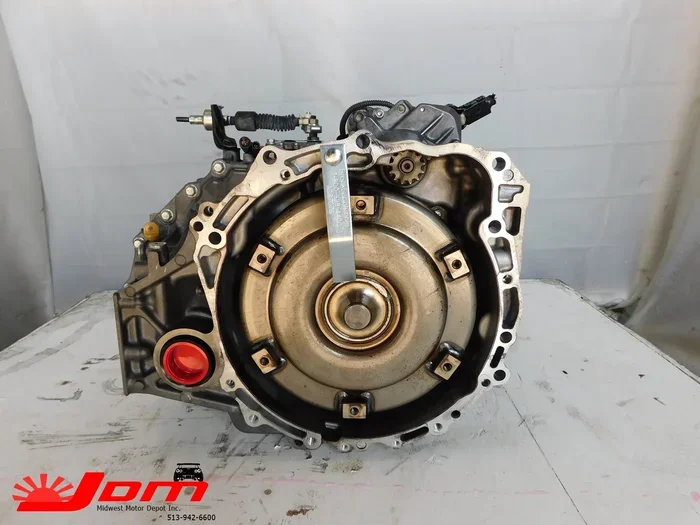
Does the 2012 Toyota Camry Have Transmission Problems
The 2012 Toyota Camry is generally a reliable car, but some owners have reported transmission problems over the years. Common issues include transmission slipping, rough shifting, and fluid leaks. Regular maintenance and early detection can prevent costly repairs and extend your transmission lifespan significantly.
Key Takeaways
- Some 2012 Camry models do experience transmission issues, particularly with automatic transmissions over time.
- Warning signs like slipping, hesitation, or grinding should never be ignored.
- Regular transmission fluid changes are the single best way to prevent major problems.
- Repair costs can range from minor (fluid top-off) to major (full replacement costing over $3,000).
- Staying on top of the maintenance schedule and visiting a trusted mechanic early can save thousands.
- The hybrid version of the Camry may have different transmission behavior worth understanding.
📑 Table of Contents
- Does the 2012 Toyota Camry Have Transmission Problems?
- Understanding the 2012 Camry Transmission System
- Common Transmission Problems in the 2012 Camry
- What Causes These Transmission Issues?
- How to Identify Transmission Problems Early
- Transmission Repair Costs for the 2012 Camry
- Prevention and Maintenance Tips
- Is the 2012 Camry Still Worth Buying?
- Final Thoughts
Does the 2012 Toyota Camry Have Transmission Problems?
The 2012 Toyota Camry has long been one of the most popular sedans on the road. Millions of drivers trust it for daily commutes, road trips, and everything in between. But when it comes to the transmission, questions linger. Do the 2012 Camry models have real transmission issues? The short answer is yes, some do. But the full picture is more nuanced than you might think.
Understanding transmission health in your vehicle is essential. A failing transmission can lead to expensive repairs, unsafe driving conditions, and a lot of frustration. This guide breaks down everything you need to know about 2012 Toyota Camry transmission problems. We will cover common symptoms, causes, repair options, and prevention tips. By the end, you will feel confident about what to watch for and how to protect your investment.
Whether you already own a 2012 Camry or are considering buying one used, this article gives you the honest, detailed information you need. Let us dive into the world of Camry transmission reliability and get you the answers you deserve.
Understanding the 2012 Camry Transmission System
The 2012 Toyota Camry came with a few different transmission options depending on the trim level and engine choice. Most models featured a 6-speed automatic transmission, which was a solid and proven design at the time. Some versions also offered a 5-speed automatic in certain markets and configurations.
The transmission is responsible for transferring power from the engine to the wheels. It shifts gears smoothly so your car can accelerate, cruise, and decelerate without issue. When the transmission starts to fail, you will notice changes in how your car drives. Recognizing these changes early is the key to avoiding a major breakdown.
Toyota built the 2012 Camry with a focus on reliability and durability. The transmission system was no exception. However, no mechanical part lasts forever. Wear and tear, driving habits, and maintenance schedules all play a role in how long your transmission will last. Let us look at what can go wrong and what you can do about it.
Types of Transmissions in the 2012 Camry
The 2012 Camry lineup offered a few transmission variations:
- 6-Speed Automatic Transmission: The most common option found in the 2012 Camry. It provides smooth shifting and good fuel economy.
- 5-Speed Automatic Transmission: Found in some base models and specific trims. It is a simpler design but still reliable when maintained properly.
- Continuously Variable Transmission (CVT): Some Camry models in certain markets used a CVT. These have different failure modes than traditional automatics.
Each type has its own set of potential issues. The 6-speed automatic is the most widely discussed when it comes to Camry transmission complaints. But the 5-speed and CVT models have their own quirks worth knowing about.
Common Transmission Problems in the 2012 Camry
So what exactly goes wrong with the 2012 Toyota Camry transmission? Several issues stand out among owners and mechanics alike. Let us walk through the most common ones.
Transmission Slipping
Transmission slipping is one of the most reported problems. You might feel the car hesitate or shift unexpectedly. The engine RPMs may spike without a corresponding increase in speed. This happens when the transmission cannot hold gear properly. It is more than an annoyance. Slipping can be dangerous, especially at highway speeds.
Common causes of slipping include:
- Low or degraded transmission fluid
- Worn clutch packs or bands inside the transmission
- Faulty solenoids that control gear engagement
- Internal seal leaks causing pressure loss
Rough or Harsh Shifting
Another frequent complaint involves rough shifting. Instead of smooth transitions between gears, the car jerks or bucks during shifts. This can make your daily drive uncomfortable and may indicate deeper issues within the transmission system.
Rough shifting often results from:
- Dirty or contaminated transmission fluid
- Worn valve body components
- Software calibration issues in the transmission control module
- Low hydraulic pressure inside the transmission
Transmission Delay or Hesitation
Some 2012 Camry owners report a delay when shifting from Park to Drive or Reverse. The car may sit idle for a second or two before engaging. This hesitation is more than just annoying. It can signal wear on internal components or low fluid levels.
Transmission Fluid Leaks
Transmission fluid leaks are a serious concern. If you notice red or brown fluid under your car, do not ignore it. Low fluid levels lead to increased friction, overheating, and eventually transmission failure. Common leak points include the pan gasket, axle seals, and the transmission cooler lines.
Check Engine Light and Transmission Codes
The check engine light can illuminate for many reasons. When it comes to the 2012 Camry, transmission-related codes are not uncommon. These codes may point to sensor failures, solenoid malfunctions, or internal pressure issues. Always get a proper diagnostic scan done when the light comes on.
What Causes These Transmission Issues?
Understanding the root causes helps you take preventive action. Several factors contribute to transmission problems in the 2012 Camry.
Normal Wear and Tear
Like any mechanical component, the transmission wears out over time. After 100,000 miles or more, internal parts like clutch packs, bands, and bearings begin to degrade. This is a natural process. However, it can be slowed down significantly with proper care.
Neglected Maintenance
This is the biggest culprit. Many owners forget or postpone transmission fluid changes. Over time, the fluid breaks down and loses its lubricating properties. Dirty fluid causes increased friction, heat buildup, and accelerated wear inside the transmission. Regular fluid changes are the simplest and most effective way to prevent problems.
Driving Habits
How you drive matters more than you might think. Aggressive acceleration, riding the brakes, and frequent towing put extra stress on the transmission. Smooth, steady driving habits go a long way toward preserving transmission health.
Overheating
Transmission fluid breaks down at high temperatures. Overheating can occur from towing heavy loads, driving in stop-and-go traffic on hot days, or a malfunctioning cooling system. When the fluid overheats, it loses viscosity and can no longer protect internal components properly.
Manufacturing Defects
In some cases, the problem stems from the factory. Certain 2012 Camry models may have had minor design flaws or quality control issues that affected the transmission. Toyota has addressed some of these through recalls and service bulletins over the years.
How to Identify Transmission Problems Early
Catching transmission issues early can save you a lot of money and hassle. Here are the warning signs every 2012 Camry owner should know.
Warning Signs to Watch For
- Unusual noises: Grinding, whining, or clunking sounds when shifting gears.
- Burning smell: A smell of burning fluid often indicates overheating transmission fluid.
- Delayed engagement: A pause when shifting from Park to Drive or Reverse.
- Slipping gears: The engine revs higher without a proportional increase in speed.
- Fluid color changes: Healthy transmission fluid is red and translucent. Dark brown or black fluid means it is burned and needs changing.
- Dashboard warning lights: The check engine light or transmission warning light should never be ignored.
Quick Tips for Monitoring Transmission Health
- Check your transmission fluid regularly. Monthly checks take only a few minutes and can catch problems early.
- Listen to your car. Unusual sounds are your vehicle trying to tell you something. Pay attention.
- Keep a maintenance log. Track every fluid change, repair, and service visit. This history is invaluable.
- Visit a trusted mechanic for routine inspections. A professional eye can spot issues before they become major repairs.
Expert Insight
Mechanics who specialize in Toyota transmissions often say that the 2012 Camry holds up well when maintained properly. The key is consistency. Do not skip fluid changes, and address small symptoms before they snowball into expensive repairs.
Transmission Repair Costs for the 2012 Camry
Nobody wants to hear about expensive repairs. But understanding the potential costs helps you budget and make informed decisions. Repair costs for the 2012 Toyota Camry transmission vary widely depending on the issue and the extent of the damage.
Cost Breakdown by Repair Type
| Repair Type | Estimated Cost Range | Severity |
|---|---|---|
| Transmission Fluid Change | $100 – $250 | Minor |
| Transmission Fluid Flush | $200 – $400 | Minor to Moderate |
| Solenoid Replacement | $300 – $700 | Moderate |
| Valve Body Repair | $500 – $1,200 | Moderate |
| Transmission Rebuild | $2,500 – $4,500 | Major |
| Transmission Replacement | $3,500 – $6,000 | Major |
As you can see, costs range dramatically. A simple fluid change costs a fraction of a full transmission replacement. This is why early detection and regular maintenance are so important. The longer you wait, the worse the problem gets and the more it costs to fix.
Factors That Affect Repair Costs
- Location: Labor rates vary significantly by region and shop type.
- Model year and trim: The 2012 Camry has several trim levels, and parts availability can differ slightly.
- Severity of damage: A minor solenoid issue costs far less than a complete transmission overhaul.
- New vs. used parts: Opting for remanufactured parts can reduce costs but may not offer the same longevity.
- Warranty coverage: If your vehicle is still under warranty, some or all of the repair may be covered.
Common Mistakes to Avoid
- Ignoring early warning signs: Small problems become big, expensive problems fast.
- Skipping transmission fluid changes: This is the number one mistake Camry owners make.
- Using the wrong type of fluid: Always use the Toyota-specified transmission fluid for your 2012 Camry.
- Delaying repairs: Waiting to fix a small issue can lead to total transmission failure.
- Choosing the cheapest repair shop: Sometimes you get what you pay for. Go with experienced technicians.
Prevention and Maintenance Tips
The best way to deal with transmission problems is to prevent them from happening in the first place. Here are actionable steps you can take to keep your 2012 Camry transmission healthy for years to come.
Follow the Maintenance Schedule
Toyota provides a detailed maintenance schedule for the 2012 Camry. Stick to it. The schedule includes transmission fluid changes at specific intervals. Following it is one of the easiest things you can do to protect your transmission.
Change Transmission Fluid Regularly
Most experts recommend changing the transmission fluid every 30,000 to 60,000 miles. If you drive in severe conditions such as heavy traffic, extreme heat, or mountainous terrain, consider changing it more frequently. Fresh fluid keeps the transmission cool, lubricated, and running smoothly.
Check for Recalls and Service Bulletins
Toyota occasionally issues recalls and service bulletins for specific model years. These can address known transmission issues. Check with your local Toyota dealership to see if your 2012 Camry is affected by any campaigns. Staying informed can save you from costly repairs that Toyota may cover.
Similarly, if you are curious about how different manufacturers handle vehicle variety, you can check out what a local Chevrolet dealership carries in terms of vehicle types for a broader perspective on how dealerships stock and service different brands and models.
Drive Smart
Your driving habits have a real impact on transmission longevity. Avoid aggressive starts and stops. Do not ride the brake pedal. Shift to Park only when the car is fully stopped. These simple habits reduce stress on the transmission and help it last longer.
Address Issues Immediately
If you notice any of the warning signs we discussed earlier, get your car inspected right away. A small repair today can prevent a major transmission failure tomorrow. Do not wait for the problem to go away on its own. It will not.
Consider the Hybrid Model
The 2012 Toyota Camry Hybrid uses a different type of drivetrain that combines a gasoline engine with an electric motor. The transmission behavior in hybrid models is unique. The car often shifts seamlessly because the electric motor handles much of the low-speed driving. However, hybrid owners should still monitor transmission fluid and drivetrain components. If you want to understand more about how the hybrid system interacts with the gas engine, check out when a hybrid switches to gas for insights on the power transition that affects drivetrain wear.
Quick Tips for Transmission Longevity
- Change transmission fluid every 30,000-60,000 miles
- Use only Toyota-recommended transmission fluid
- Check fluid level and color monthly
- Avoid aggressive driving and sudden stops
- Address warning signs immediately
- Keep up with the factory maintenance schedule
- Visit a trusted mechanic for regular inspections
Is the 2012 Camry Still Worth Buying?
Given the potential for transmission problems, should you buy a used 2012 Camry? The answer is yes, with some precautions. The 2012 Camry remains a solid, reliable sedan. It offers comfortable seating, good fuel economy, and a smooth ride. Millions of people drive them every day without major issues.
Before purchasing a used 2012 Camry, have a mechanic inspect the transmission thoroughly. Ask for a vehicle history report and check for any past transmission repairs or recalls. A pre-purchase inspection is a small investment that can save you from buying a car with hidden problems.
If the transmission has been well-maintained and shows no signs of wear, the 2012 Camry is a smart buy. Its reputation for reliability holds up well, and parts are widely available. Toyota’s strong network of dealerships and independent shops makes servicing easy and affordable in most areas.
Final Thoughts
So, does the 2012 Toyota Camry have transmission problems? The honest answer is that some do experience issues, but they are manageable and often preventable. Regular maintenance, early detection, and smart driving habits are your best defenses against serious transmission trouble.
The 2012 Camry remains a beloved vehicle for good reason. It is reliable, comfortable, and practical. By staying on top of transmission fluid changes and addressing small symptoms quickly, you can enjoy your Camry for many miles to come. Do not let the possibility of transmission problems scare you away. Instead, let it motivate you to take better care of your car.
Your transmission is the heart of your vehicle’s drivetrain. Treat it well, and it will serve you faithfully for years. Whether you are a current Camry owner or shopping for a used one, the information in this guide empowers you to make smart decisions. Drive confidently, maintain diligently, and your 2012 Toyota Camry will keep on running strong.
Frequently Asked Questions
What are the most common transmission problems in the 2012 Toyota Camry?
The most common issues include transmission slipping, rough or harsh shifting, delayed engagement when shifting into Drive or Reverse, and fluid leaks. These problems often stem from low fluid levels, worn internal components, or neglected maintenance schedules.
How much does it cost to repair the transmission on a 2012 Camry?
Costs vary widely depending on the issue. A simple fluid change costs around $100 to $250, while a full transmission replacement can range from $3,500 to $6,000. Regular maintenance is the best way to keep repair costs low and avoid expensive fixes.
Does the 2012 Camry Hybrid have different transmission issues?
Yes, the hybrid model uses a different drivetrain system that combines a gasoline engine with an electric motor. While it generally has smoother shifting, hybrid owners should still monitor transmission fluid and drivetrain components for wear over time.
How often should I change the transmission fluid in my 2012 Camry?
Most experts recommend changing the transmission fluid every 30,000 to 60,000 miles. If you drive in severe conditions such as heavy traffic or extreme heat, consider changing it more frequently to protect the transmission from premature wear.
Are there any recalls for the 2012 Toyota Camry transmission?
Toyota has issued recalls and service bulletins for various Camry model years over the years. It is important to check with your local Toyota dealership to see if your specific 2012 Camry is affected by any campaigns that address transmission concerns.
Can I prevent transmission problems in my 2012 Camry?
Absolutely. The best prevention strategies include regular fluid changes, using Toyota-specified transmission fluid, avoiding aggressive driving habits, and addressing warning signs like slipping or hesitation immediately. Consistent maintenance goes a long way toward preventing major transmission failures.