Are Toyota 4Runners Losing Value or Holding Strong
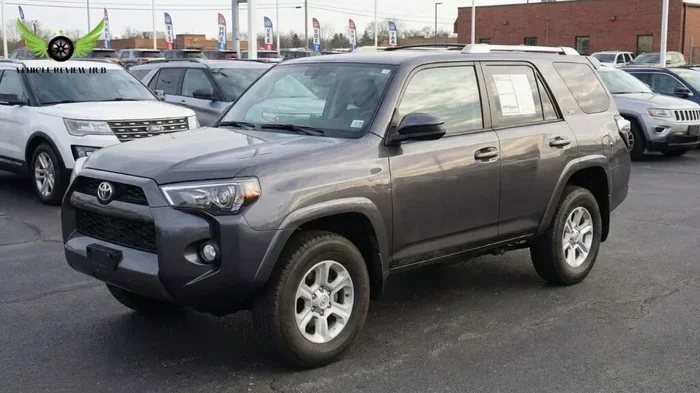
The Toyota 4Runner remains one of the strongest vehicles for holding its value on the used market. Known for its rugged reliability and legendary durability, the 4Runner consistently outperforms most SUVs in resale value rankings. Whether you are buying or selling, understanding depreciation trends helps you make smarter financial decisions.
Key Takeaways
- Exceptional Value Retention: The 4Runner loses value significantly slower than most competitors in the SUV segment.
- Reliability Drives Demand: Toyota’s reputation for long-lasting builds keeps used 4Runner prices high.
- Hybrid Models Add Appeal: The new i-FORCE MAX hybrid powertrain boosts interest and future resale potential.
- Trim Level Matters: TRD Off-Road and TRD Pro trims tend to hold value better than base models.
- Market Demand Stays Strong: Enthusiast loyalty and limited competition keep the 4Runner desirable year after year.
- Maintenance Helps: Keeping up with service records and caring for the interior preserves resale worth.
- Long-Term Ownership Pays Off: The 4Runner is one of the best vehicles for minimizing total cost of ownership.
📑 Table of Contents
- The Toyota 4Runner’s Reputation for Value Retention
- How Much Does a Toyota 4Runner Depreciate?
- Why the 4Runner Holds Its Value So Well
- The Hybrid 4Runner Factor
- Comparing the 4Runner to Other SUVs
- Tips to Maximize Your 4Runner’s Value
- The Future of 4Runner Value
- Final Thoughts on Toyota 4Runner Value
The Toyota 4Runner’s Reputation for Value Retention
Let us talk about something that matters to every car buyer and seller. The Toyota 4Runner has a reputation. A really good one. When people think about vehicles that hold their value, the 4Runner almost always comes up in the conversation.
But is this reputation still true today? Are Toyota 4Runners losing value, or are they holding strong? The answer might surprise you. In this article, we will break down everything you need to know about 4Runner depreciation, resale value, and what makes this SUV so special on the used market.
Whether you are thinking about buying a used 4Runner or selling your current one, understanding how these vehicles lose value over time gives you a real advantage. Let us dive in.
Why Value Retention Matters
Not all vehicles lose value at the same rate. Some cars drop like a rock the moment you drive them off the lot. Others hold steady for years. The difference can mean thousands of dollars in your pocket or out of it.
When a vehicle holds its value well, it means:
- Lower cost of ownership over time
- Better trade-in offers when you upgrade
- Easier selling when you want to move on
- Stronger financial position if you need to sell quickly
The 4Runner checks all of these boxes. And that is exactly why so many people trust this vehicle for the long haul.
How Much Does a Toyota 4Runner Depreciate?
Now let us get into the numbers. Depreciation is the silent killer of vehicle value. But the 4Runner fights back harder than almost any other SUV on the road.
Depreciation Rates by Year
On average, most SUVs lose about 15% to 25% of their value in the first year. The 4Runner? It typically loses around 10% to 15%. That is already better than the competition.
Here is a rough look at how the numbers break down:
- Year 1: Around 10% to 15% depreciation
- Year 3: Around 25% to 35% total depreciation
- Year 5: Around 40% to 50% total depreciation
- Year 10: Around 55% to 65% total depreciation
Compare that to many competitors, and the difference is clear. A typical SUV might lose 60% of its value in five years. The 4Runner often stays above that mark for much longer.
What Affects 4Runner Depreciation?
Several factors play into how fast a 4Runner loses value. Let us go through the big ones.
Trim Level. Not all 4Runners are created equal. The TRD Off-Road and TRD Pro trims tend to hold value better than the base SR5 or Limited models. Buyers love the off-road upgrades and rugged styling that come with these trims.
Condition. This one is obvious but important. A well-maintained 4Runner with clean interior and no accident history will always fetch a higher price. Keep up with your service schedule and save those records.
Mileage. Lower mileage always helps. But even higher-mileage 4Runners hold value surprisingly well because of the vehicle’s reputation for durability.
Generation. The 2010 and newer models are especially strong in the resale market. Older generations from the 2000s also hold value well because of their legendary reliability.
Why the 4Runner Holds Its Value So Well
So what is the secret? Why does the 4Runner hold value better than almost every other SUV? There are several reasons, and they all add up.
Legendary Reliability
Toyota builds vehicles that last. The 4Runner is no exception. When people buy a used 4Runner, they know they are getting a truck that can go the distance. This reputation alone keeps demand high, which keeps prices stable.
Many owners put 200,000 miles or more on their 4Runners without major issues. That kind of reliability builds trust. And trust drives value.
Off-Road Capability
The 4Runner is not just a daily driver. It is a trail-ready machine. The TRD Off-Road and TRD Pro trims come with locking differentials, crawl control, and multi-terrain select. These features make the 4Runner one of the most capable off-road SUVs available.
Off-road enthusiasts are willing to pay a premium for this capability. And that premium shows up in resale prices. Even base models hold value because the 4Runner platform itself is so capable.
Strong Brand Loyalty
Toyota has one of the most loyal fan bases in the automotive world. 4Runner owners tend to be passionate about their vehicles. They recommend them to friends, they defend them online, and they keep buying them.
This loyalty creates a steady demand in the used market. When demand stays strong, prices stay strong too. It is a simple cycle that benefits current owners.
Limited Competition
Let us be honest. The SUV market is crowded. But very few vehicles can match the 4Runner for a combination of ruggedness, reliability, and off-road ability. The Jeep Wrangler is the closest competitor, and even it depreciates faster in many cases.
Other SUVs like the Ford Bronco and the Chevrolet Tahoe have their strengths. But they do not match the 4Runner’s long-term value retention. This lack of strong competition works in the 4Runner’s favor.
The Hybrid 4Runner Factor
Starting in 2024, Toyota introduced the hybrid 4Runner with the i-FORCE MAX powertrain. This change brings new questions about value and depreciation. How does the hybrid version compare?
The early signs are promising. Hybrid versions of Toyota vehicles tend to hold value well. The hybrid 4Runner offers improved fuel economy without sacrificing the rugged capability buyers love. This makes it attractive to a wider range of buyers.
If you are wondering about long-term ownership, you might also want to check out how hybrid reliability holds up over time. Many owners ask, are hybrids reliable after 100K miles, and Toyota hybrids have a strong track record of answering that question with a confident yes.
For buyers who use their 4Runner for road trips or long commutes, the hybrid version is especially appealing. It combines the 4Runner’s legendary toughness with better fuel efficiency. You can learn more about how hybrid vehicles perform on long journeys by reading our piece on are hybrid cars good for long distance driving.
Will the Hybrid Boost Future Resale Value?
Hybrid technology adds complexity, but Toyota has a history of making hybrid systems that last. The i-FORCE MAX system is designed for durability. As more buyers look for fuel-efficient options, the hybrid 4Runner could become even more desirable on the used market.
For now, early data suggests the hybrid version will hold value comparably to the gas-only models. The Toyota brand strength and the 4Runner’s existing reputation give it a solid foundation.
Comparing the 4Runner to Other SUVs
Let us put the 4Runner’s value retention into perspective. How does it stack up against the competition? Here is a closer look at how some popular SUVs compare.
| Vehicle | 5-Year Depreciation (Avg) | Resale Value Rating |
|---|---|---|
| Toyota 4Runner | 40% to 50% | Excellent |
| Jeep Wrangler | 45% to 55% | Very Good |
| Ford Bronco | 50% to 60% | Good |
| Chevrolet Tahoe | 55% to 65% | Average |
| Toyota RAV4 | 45% to 55% | Very Good |
| Honda CR-V | 50% to 60% | Good |
The numbers speak for themselves. The 4Runner consistently ranks at or near the top for value retention among SUVs. This is not a fluke. It is the result of decades of building a trustworthy, capable vehicle.
Even compared to other Toyota models, the 4Runner stands out. The Tacoma pickup truck shares a similar reputation for value retention. Both vehicles benefit from Toyota’s engineering excellence and strong brand loyalty.
Tips to Maximize Your 4Runner’s Value
If you own a 4Runner and plan to sell it someday, there are steps you can take to protect its value. These tips are simple but effective.
1. Keep Up with Regular Maintenance
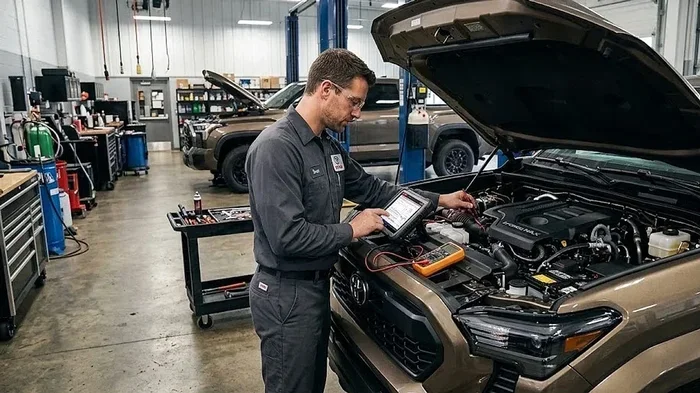
Follow the manufacturer’s recommended service schedule. Change the oil on time. Rotate the tires. Replace brake pads when needed. Every service visit adds to the vehicle’s long-term health and resale appeal.
Keep all your receipts and records. When a buyer sees a full service history, they feel confident. That confidence translates into better offers.
2. Protect the Interior
The 4Runner gets dirty. That is part of its charm. But excessive wear and tear on the interior can hurt resale value. Use floor mats, seat covers, and sunshades to keep the cabin looking sharp.
You might wonder if accessories like sun visors are always legal to use. While most states allow them, some local regulations vary. It is always good to check your local rules if you are modifying your vehicle.
3. Address Issues Promptly
Small problems become big problems fast. A minor rattle today can turn into a major repair tomorrow. Fix issues as soon as you notice them. This keeps the vehicle running well and prevents cosmetic damage from getting worse.
4. Keep Mileage Reasonable
High mileage is not always bad for the 4Runner because of its durable build. But lower mileage always helps with resale. If you have two 4Runners to choose from as a buyer, the one with fewer miles will typically cost more.
5. Avoid Accidents and Damage
This one is a no-brainer. A clean title with no accident history is worth a lot. Drive safely and park carefully. The difference in resale price between a clean and a damaged vehicle can be thousands of dollars.
The Future of 4Runner Value
What does the road ahead look like for the Toyota 4Runner? The signs are encouraging for current and future owners alike.
Toyota has shown no signs of discontinuing the 4Runner. In fact, the introduction of the hybrid model shows the company is investing in the nameplate for the long term. This commitment sends a positive signal to the used market.
Electric vehicles are changing the automotive landscape. But the 4Runner’s appeal is rooted in ruggedness and reliability, not technology trends. These qualities tend to age well. A vehicle that is built to handle tough conditions will always have a market.
Some industry analysts predict that the 4Runner will continue to outpace average SUV depreciation for years to come. The combination of Toyota reliability, off-road capability, and brand loyalty creates a powerful value proposition.
When you look at the bigger picture, the 4Runner is one of the smartest vehicle purchases you can make. It is not just a truck. It is an investment that holds its worth.
Final Thoughts on Toyota 4Runner Value
So, are Toyota 4Runners losing value? The short answer is no, not significantly. The 4Runner holds its value better than nearly every other SUV on the market. Its legendary reliability, off-road capability, and strong brand loyalty keep resale prices high.
Whether you are buying a used 4Runner or selling your current one, you are making a smart move. The numbers back it up. The owner reviews back it up. And the market trends back it up too.
If you take care of your 4Runner, it will take care of you. And your wallet will thank you when it comes time to sell or trade in. Few vehicles offer that kind of long-term value in today’s market.
The Toyota 4Runner is not just a vehicle. It is a statement. It says you value durability, capability, and smart financial decisions. And in a world where vehicles depreciate faster than ever, that statement matters more than ever.
Keep your 4Runner maintained, drive it with confidence, and enjoy the ride. Because this SUV is built to last, and its value proves it.
Frequently Asked Questions
Do Toyota 4Runners hold their value well compared to other SUVs?
Yes, the 4Runner is one of the best SUVs for holding its value. On average, it depreciates much slower than most competitors like the Ford Bronco, Chevrolet Tahoe, and even some other Toyota models. This strong resale value is driven by reliability, off-road capability, and brand loyalty.
What is the average depreciation rate for a Toyota 4Runner?
Most 4Runners lose about 10% to 15% of their value in the first year. By year five, total depreciation typically ranges from 40% to 50%. This is significantly better than the average SUV, which often loses 55% to 65% in the same timeframe.
Does the hybrid 4Runner hold value better than the gas-only model?
Early data suggests the hybrid i-FORCE MAX 4Runner holds value comparably to the gas models. The hybrid system adds fuel efficiency, which appeals to more buyers. Toyota’s strong reputation for hybrid reliability also supports long-term resale value.
Which 4Runner trim holds the most value?
The TRD Off-Road and TRD Pro trims tend to hold value the best. These trims come with premium off-road features that buyers actively seek. However, even base models like the SR5 hold value well due to the overall 4Runner reputation.
How can I make my 4Runner retain more value?
Keep up with regular maintenance, protect the interior with floor mats and seat covers, address issues quickly, and maintain a clean title. Low mileage and a well-documented service history also make a big difference when it is time to sell.
Is the Toyota 4Runner a good vehicle for long-term ownership?
Absolutely. The 4Runner is built for longevity and durability. Many owners reach 200,000 miles or more with minimal major issues. Its strong resale value means the total cost of ownership stays low, making it one of the best long-term vehicle choices available.
=== CONCLUSION ===
The Toyota 4Runner continues to prove that it is one of the smartest vehicle choices for anyone who cares about long-term value. From the first year to the tenth year, the 4Runner holds its worth better than almost any SUV on the road. Its combination of legendary reliability, off-road capability, and strong brand loyalty creates a resale story that few vehicles can match.
Whether you are a first-time buyer or a seasoned 4Runner owner, understanding depreciation trends helps you make confident decisions. Keep your vehicle well-maintained, choose the right trim, and enjoy the benefits of owning a truck that truly holds strong.