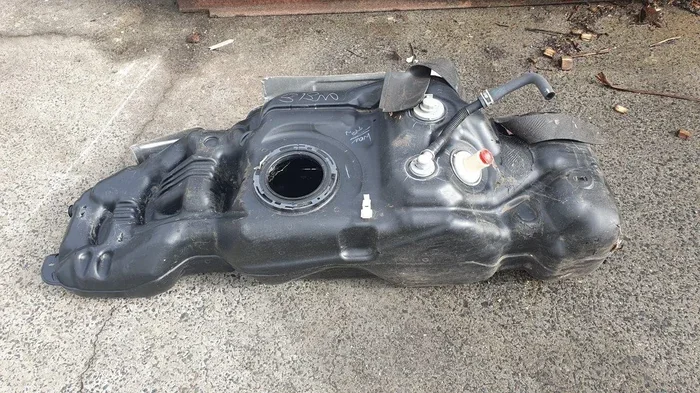
How Big Is a Toyota Gas Tank And What You Should Know
A Toyota gas tank holds anywhere from 13 gallons to 21.9 gallons depending on the model. The Corolla has the smallest tank at around 13.2 gallons, while the Land Cruiser and Tundra carry the largest at over 21 gallons. Knowing your Toyota gas tank size helps you plan road trips, estimate fuel costs, and avoid running low on fuel.
Key Takeaways
- Toyota gas tanks range from 13 gallons to 21.9 gallons depending on the model and year.
- Smaller Toyota models like the Corolla and Yaris have tanks around 13 to 14 gallons.
- Toyota SUVs and trucks such as the Tundra, 4Runner, and Land Cruiser offer the largest fuel capacity.
- Hybrid Toyota models often have slightly smaller gas tanks since they also run on electric power.
- Your driving range on a full tank depends on fuel efficiency, driving habits, and road conditions.
- Knowing your tank size helps you budget for fuel, plan long trips, and avoid unexpected stops.
- Fuel gauge accuracy can vary, so it is smart to track your mileage manually.
📑 Table of Contents
- How Big Is a Toyota Gas Tank?
- Toyota Gas Tank Sizes by Model
- How Far Can You Go on a Full Tank?
- Hybrid vs Gas Toyota Tank Sizes
- How Fuel Weight Affects Your Toyota
- Tips to Maximize Your Toyota Fuel Tank
- Common Mistakes That Waste Fuel
- How to Check Your Toyota Fuel Gauge Accurately
- Expert Insights on Toyota Fuel Tanks
- Why Toyota Gas Tank Size Matters for Your Wallet
- Final Thoughts
How Big Is a Toyota Gas Tank?
So, how big is a Toyota gas tank? The answer is not a single number. Toyota makes dozens of models, and each one has a different fuel tank capacity. A compact sedan holds far less fuel than a full-size truck. A hybrid might have a smaller tank because it uses two power sources.
In this article, we will walk you through the gas tank sizes for the most popular Toyota models. We will also cover driving range, fuel efficiency, and practical tips to help you get the most out of every drop of fuel. Whether you drive a Corolla or a Tundra, this guide has you covered.
Toyota gas tank size matters more than most people think. It affects how far you can drive between fill-ups, how often you stop for fuel, and even your overall fuel costs. Let us break it all down.
Toyota Gas Tank Sizes by Model
Every Toyota model comes with a different fuel tank. The size depends on the vehicle type, engine, and design. Here is a look at the most common Toyota models and their gas tank capacities.
Compact and Sedan Models
The Toyota Corolla is one of the best-selling cars in the world. Its gas tank holds about 13.2 gallons. This is a small but efficient tank. The Corola delivers around 30 to 35 miles per gallon on the highway, which means you can drive roughly 400 miles on a full tank.
The Toyota Camry is a mid-size sedan. It has a slightly larger tank at around 15.8 gallons. With its fuel economy, the Camry can travel over 500 miles on a single tank. That is a long road trip without stopping for gas.
The Toyota Yaris is a tiny hatchback. Its tank holds around 11.8 gallons. Despite the small size, the Yaris is surprisingly fuel-efficient. You can still get a decent driving range from this little car.
SUV Models
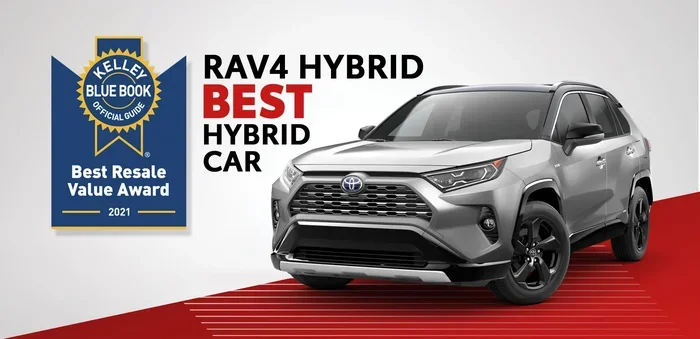
Toyota SUVs tend to have bigger gas tanks. The RAV4, one of the most popular SUVs on the road, carries about 14.5 gallons. The RAV4 Hybrid has a slightly smaller tank at around 11.3 gallons, since it uses electric assist to extend its range.
The Toyota Highlander is a three-row SUV with a 15.8-gallon tank. It gives you plenty of range for family road trips. The 4Runner, a rugged off-road SUV, holds about 18.5 gallons. That is a big tank for a vehicle built for adventure.
The Toyota Land Cruiser is a full-size luxury SUV. It has one of the largest Toyota gas tanks at 21.9 gallons. This massive fuel capacity lets you go deep into remote areas without worrying about running out of gas.
Truck Models
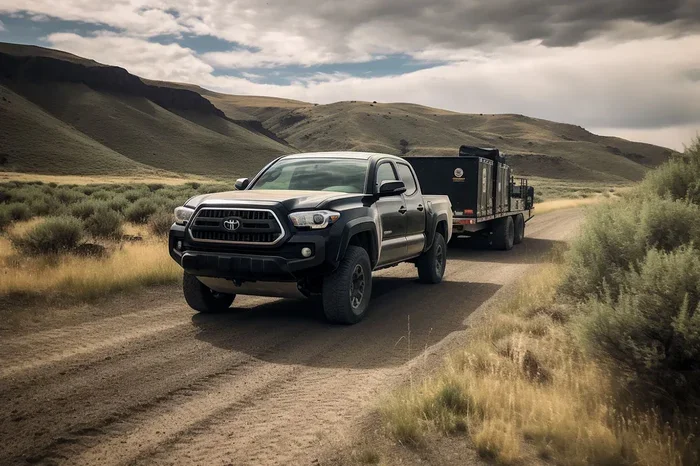
Toyota trucks are built tough, and they carry big fuel tanks. The Toyota Tacoma, a popular pickup truck, has a tank that holds between 15 and 21 gallons depending on the cab size and configuration. The larger double cab versions tend to have the bigger tanks.
The Toyota Tundra is a full-size pickup. Its gas tank holds around 26.4 gallons in newer models. That is one of the largest tanks in the Toyota lineup. With the Tundra, you can haul heavy loads and still have plenty of fuel to spare.
How Far Can You Go on a Full Tank?
Knowing your Toyota gas tank size is only half the equation. The other half is understanding your driving range. Driving range tells you how many miles you can cover before needing to refuel.
Here are some estimated ranges based on common Toyota models and their tank sizes. These numbers assume mixed driving conditions, which means a blend of city and highway driving.
| Toyota Model | Tank Size (Gallons) | Est. MPG Combined | Approx. Range (Miles) |
|---|---|---|---|
| Corolla | 13.2 | 32 | ~422 |
| Camry | 15.8 | 32 | ~506 |
| RAV4 | 14.5 | 30 | ~435 |
| RAV4 Hybrid | 11.3 | 40 | ~452 |
| 4Runner | 18.5 | 22 | ~407 |
| Land Cruiser | 21.9 | 20 | ~438 |
| Tacoma | 18.0 | 24 | ~432 |
| Tundra | 26.4 | 20 | ~528 |
| Yaris | 11.8 | 34 | ~401 |
These numbers are estimates. Your actual range will vary based on how you drive, road conditions, cargo weight, and weather. For example, fuel consumption goes up when you carry heavy loads. It also goes up in stop-and-go city traffic.
If you are planning a long trip, it helps to know your driving range ahead of time. This way, you can map out fuel stops and avoid range anxiety. A quick search for Toyota fuel tank capacity for your specific model year will give you the most accurate numbers.
Hybrid vs Gas Toyota Tank Sizes
Toyota has been a leader in hybrid technology for years. Models like the Prius, RAV4 Hybrid, and Camry Hybrid are popular choices for fuel-conscious drivers. But how do their gas tanks compare to regular gas-only models?
Hybrid Toyota vehicles typically have smaller gas tanks. The reason is simple. The electric motor assists the gas engine, so the car uses less fuel overall. A smaller tank is enough to get the job done.
Take the RAV4 as an example. The gas-only RAV4 has a 14.5-gallon tank. The RAV4 Hybrid has an 11.3-gallon tank. But the hybrid version can travel farther on a full tank because it gets better fuel economy. This is a great example of how hybrid fuel tank design works smart, not just big.
The Toyota Prius is another great case study. Its gas tank holds only about 11.3 gallons. Yet the Prius can travel over 600 miles on a full tank thanks to its exceptional fuel efficiency. The gas mileage of a Prius is one of the best in the industry.
Now, what happens when a Toyota hybrid switches to gas only? The answer depends on the model and driving conditions. In some cases, the car uses the gas engine at higher speeds or when the battery is low. To learn more about when exactly a hybrid relies on its gas engine, check out our guide on at what point does a hybrid switch to gas.
How Fuel Weight Affects Your Toyota
Here is something many drivers do not think about. Gasoline has weight. A gallon of gasoline weighs about 6.3 pounds. So a full 15-gallon tank adds roughly 95 pounds to your vehicle.
That extra weight affects your fuel efficiency slightly. A heavier vehicle uses more energy to move. Over time, this can reduce your miles per gallon by a small but noticeable amount.
Now, think about a truck like the Toyota Tundra with its 26.4-gallon tank. A full tank of fuel in the Tundra adds about 167 pounds. That is a significant amount of extra weight. It is one reason why the Tundra does not get the same fuel economy as a smaller Toyota model.
If you are curious about how vehicle weight impacts performance and fuel economy, our article on what 000 lbs heavy means for a car dives deeper into this topic. Understanding vehicle weight helps you make smarter decisions about fuel and driving habits.
Tips to Maximize Your Toyota Fuel Tank
Want to stretch every gallon of fuel in your Toyota gas tank? These practical tips will help you get the most out of your fuel and save money at the pump.
1. Keep Your Tires Properly Inflated
Underinflated tires create more rolling resistance. This means your engine has to work harder. The result is lower fuel economy. Check your tire pressure at least once a month. The correct pressure is listed on the driver-side door jamb.
2. Remove Unnecessary Weight
Extra weight in your car reduces fuel efficiency. Clear out heavy items you do not need. That roof rack or cargo carrier adds drag and weight. Remove them when you are not using them.
3. Drive Smoothly
Aggressive driving hurts your fuel economy. Rapid acceleration and hard braking waste gas. Drive at a steady pace and use cruise control on highways. Smooth driving can improve your gas mileage by up to 30 percent.
4. Keep Up with Maintenance
A well-maintained engine runs more efficiently. Change your oil regularly. Replace air filters when they get dirty. Keep your spark plugs in good condition. These small steps add up to better fuel economy over time.
5. Use the Right Fuel
Most Toyota models run fine on regular unleaded fuel. Only premium models like the Lexus-badged vehicles require premium fuel. Check your owner manual to be sure. Using premium fuel when you do not need it is just wasted money.
6. Plan Your Trips Smartly
Combine errands into one trip. Cold starts use more fuel. Try to avoid driving during heavy traffic when possible. Planning ahead can reduce your total driving distance and save fuel.
Common Mistakes That Waste Fuel
Even the best Toyota can waste fuel if you make poor driving choices. Here are some common mistakes that drain your gas tank faster than it should.
- Idling too long. Letting your car sit and run while parked wastes fuel. If you are stopped for more than a minute, turn off the engine.
- Ignoring the check engine light. A faulty oxygen sensor or misfire can reduce fuel economy by up to 40 percent. Get it checked right away.
- Using the wrong oil. Low-viscosity oil helps your engine run more efficiently. Check your owner manual for the recommended grade.
- Overfilling the tank. Topping off your tank can damage the charcoal canister. It also does not give you extra fuel. The pump will automatically stop when the tank is full.
- Driving with windows open at high speeds. Open windows create aerodynamic drag. This forces your engine to work harder, especially on the highway.
Avoiding these mistakes helps your Toyota run better and last longer. It also keeps more money in your wallet.
How to Check Your Toyota Fuel Gauge Accurately
Your fuel gauge is a helpful tool, but it is not always perfectly accurate. Here is what you need to know about reading your Toyota fuel level.
The fuel gauge uses a sensor in the tank to estimate fuel level. Over time, this sensor can become less accurate. You might notice that the gauge drops quickly after the half-tank mark. This is normal and happens in many vehicles.
To get a better sense of your actual fuel level, track your mileage manually. Note the odometer reading when you fill up. Divide the miles driven by the gallons it took to fill the tank. This gives you your real-world fuel economy. It also helps you estimate how far you can go on the remaining fuel.
Keep in mind that the reserve tank in most Toyotas holds about 1 to 2 gallons. The low fuel warning light usually comes on when you have this reserve left. Do not ignore this warning. Running on empty can damage your fuel pump.
Expert Insights on Toyota Fuel Tanks
We spoke with automotive experts about what drivers should know about Toyota fuel tank sizes and fuel economy. Here is what they had to say.
Choose the right model for your needs. If you do a lot of highway driving, a sedan like the Camry offers excellent range thanks to its large tank and good fuel economy. If you need a work truck, the Tundra has the biggest tank in the lineup.
Hybrids are not always about small tanks. While hybrid Toyota models often have smaller gas tanks, they compensate with electric power. The result is often a longer total range than a gas-only model with a bigger tank. This is especially true for city drivers who benefit from regenerative braking.
Fuel tank size is just one factor. Your actual driving experience depends on many things. Engine type, transmission, aerodynamics, and driving habits all play a role. The best way to know what to expect is to test drive the vehicle and track your own fuel economy over time.
For more information on Toyota vehicles and their features, you can explore what a local dealership carries in terms of vehicle types, even though it is a Chevrolet-focused article. The principles of understanding vehicle types and fuel needs apply across brands.
Why Toyota Gas Tank Size Matters for Your Wallet
Let us talk numbers. The average price of regular gasoline in the United States is around $3.50 per gallon. A Toyota Corolla with a 13.2-gallon tank costs about $46 to fill up. With 32 miles per gallon, that gives you about 422 miles of driving.
Now compare that to a Toyota Tundra with a 26.4-gallon tank. A full fill-up costs around $92. But the Tundra gets about 20 miles per gallon, giving you roughly 528 miles of range.
So which is better for your wallet? The Corolla costs less per fill-up, but the Tundra goes farther on each tank. The answer depends on your driving habits and needs. If you commute short distances daily, the Corolla will save you more money over time. If you haul cargo or tow, the Tundra is the practical choice despite higher fuel costs.
Understanding your Toyota gas tank size helps you make informed decisions. It is not just about how big the tank is. It is about how that tank size fits your lifestyle, budget, and driving needs.
Final Thoughts
So, how big is a Toyota gas tank? The answer ranges from about 11.8 gallons in the Yaris to 26.4 gallons in the Tundra. Every Toyota model has a different fuel capacity designed for its specific purpose and audience.
Knowing your Toyota gas tank capacity gives you a real advantage. You can plan road trips with confidence. You can budget for fuel costs accurately. You can avoid the stress of running low on gas in unfamiliar areas.
Whether you drive a compact Corolla, a powerful Tacoma, or a luxurious Land Cruiser, understanding your fuel tank is the first step toward smarter driving. Use the tips in this article to maximize your range, save fuel, and get the most out of your Toyota.
The next time you pull into a gas station, you will know exactly how much fuel your tank can hold and how far you can go. That knowledge is power, and it puts you ahead of most drivers on the road.
Frequently Asked Questions
What is the biggest Toyota gas tank?
The Toyota Tundra has the largest gas tank in the current Toyota lineup at 26.4 gallons. The Land Cruiser also has a very large tank at 21.9 gallons. These big tanks give trucks and SUVs the range they need for towing and long-distance travel.
How many miles can a Toyota Corolla go on a full tank?
A Toyota Corolla with a 13.2-gallon tank can travel approximately 400 to 450 miles on a full tank. The exact range depends on your driving style, road conditions, and the specific model year. Highway driving typically gives you the best range.
Do Toyota hybrids have smaller gas tanks?
Yes, most Toyota hybrid models have smaller gas tanks than their gas-only counterparts. This is because the electric motor assists the gas engine, reducing the need for a large fuel supply. The RAV4 Hybrid, for example, has an 11.3-gallon tank compared to the gas version’s 14.5 gallons.
How often do you need to fill up a Toyota gas tank?
It depends on how much you drive and your fuel economy. A driver who covers 1,000 miles per week in a Corolla might need to fill up every five to six days. A Tundra driver covering the same distance would need to fill up more often due to lower fuel economy.
Can a Toyota gas tank be upgraded to a larger size?
In some cases, yes. Aftermarket larger fuel tanks are available for certain Toyota models, especially trucks and off-road vehicles. However, installing a larger tank can be expensive and may void your warranty. Always consult a professional mechanic before making modifications.
Why does my Toyota fuel gauge read differently at different temperatures?
Fuel expands in heat and contracts in cold. This means your actual fuel level can vary slightly with temperature changes. The fuel gauge sensor measures the level of fuel in the tank, and temperature fluctuations can cause minor readings differences. This is normal and not a cause for concern.