Car Rear Camera With Display Buying Guide and Top Picks
A car rear camera with display is one of the smartest safety upgrades you can make to any vehicle. This guide covers everything from key features and types to top-rated picks and installation tips. Whether you drive a sedan, SUV, or truck, you will find clear advice to help you pick the right system for your needs and budget.
Backing up a car can be stressful. You turn your head, check mirrors, and still might miss something behind you. A car rear camera with display changes all of that. It gives you a clear, real-time view of what is behind your vehicle right on a screen inside your car.
Whether you are parking in a tight garage or pulling out of a crowded driveway, this simple tool makes a huge difference. It is not just about convenience. It is about safety. Thousands of backup accidents happen every year, and many of them could be prevented with a good camera system.
This guide will walk you through everything you need to know. We will cover how these systems work, what features matter most, the different types available, and our top picks for the best car rear camera with display on the market right now. By the end, you will know exactly what to look for and how to choose the perfect system for your vehicle.
Key Takeaways
- Better Safety: A car rear camera with display helps you see behind your vehicle while reversing, reducing the risk of accidents and collisions.
- Easy Installation: Most kits come with everything you need, and many wireless options install in under an hour without professional help.
- Night Vision Matters: Choose a system with infrared or night vision capabilities so you can see clearly in low-light conditions.
- Display Size Varies: Mirror monitors, head-rest screens, and dashboard displays each offer different benefits depending on your vehicle and preferences.
- Wireless vs Wired: Wireless systems offer cleaner installation, while wired systems tend to provide a more stable and reliable signal.
- Waterproof Cameras Last Longer: Always pick a camera with an IP67 or higher waterproof rating for durability in all weather conditions.
- Top Picks Exist for Every Budget: From affordable basic kits to premium high-definition systems, there is a great car rear camera with display for every driver.
📑 Table of Contents
What Is a Car Rear Camera With Display?
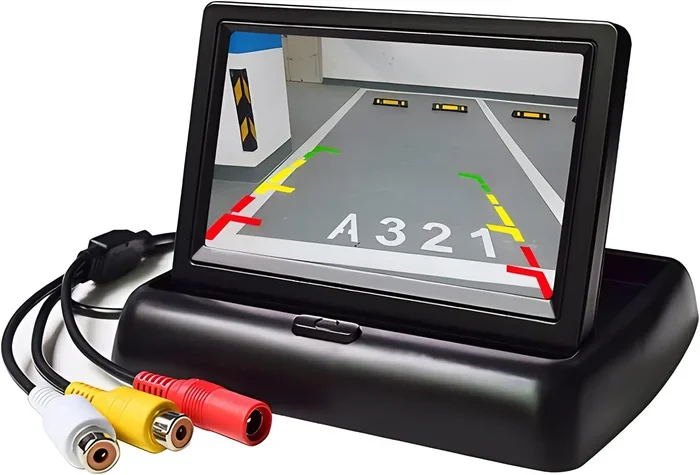
A car rear camera with display is a backup camera system that includes both a camera and a monitor. The camera mounts at the back of your car, and the monitor sits inside the cabin where you can easily see it. When you put your vehicle in reverse, the camera turns on and sends a live video feed to the display screen.
These systems come in many shapes and sizes. Some are simple and affordable. Others are packed with advanced features like night vision, wide-angle lenses, and even trajectory lines that show you exactly where your car will go. The basic idea is the same across all of them, though. You get a better view behind your vehicle, which makes parking and reversing much safer.
How Does It Work?
The camera captures video from behind your car. It sends that video signal to the display screen inside your vehicle. In wired systems, the signal travels through a cable that connects the camera to the monitor. In wireless systems, the signal is transmitted through radio waves or Bluetooth, which means no cables running through your car.
Most systems are designed to activate automatically when you shift into reverse. This is called a backup trigger. When you move out of reverse, the display turns off and goes back to your normal view. It is a seamless experience that happens without you needing to press any extra buttons.
Why You Need One
You might think you do not need a backup camera. You have been driving for years, right? But here is the truth. Blind spots behind your vehicle are real, and they can be dangerous. Children, pets, low walls, and small objects are all easy to miss when you look over your shoulder.
A car rear camera with display eliminates most of that blind spot. It gives you a wide-angle view that your mirrors simply cannot match. Studies have shown that backup cameras significantly reduce the number of reversing accidents. The National Highway Traffic Safety Administration even recommends them as standard equipment on all vehicles now.
Beyond safety, these systems also make your life easier. Parallel parking becomes less stressful. Hitting curbs or low obstacles becomes less likely. And if you haul a trailer or bike rack, a rear camera is practically essential. The benefits are clear and immediate.
Key Features to Look For
Not all backup camera systems are created equal. When you are shopping for a car rear camera with display, there are several important features to keep in mind. Let us break them down so you know exactly what to prioritize.
Display Screen Size and Quality
The monitor is what you will look at every time you reverse. So its size and quality matter a lot. Most displays range from 4.3 inches to 10 inches or more. Smaller screens are simple and unobtrusive. Larger screens are easier to see but can be more distracting if they are too big.
Look for a display with good resolution. A screen with at least 800 x 480 pixels will give you a clear picture. Higher resolution screens show more detail, which is especially helpful at night or in tight spaces. Touchscreen monitors are also a nice bonus because they let you switch between camera views or adjust settings with a simple tap.
Camera Resolution and Night Vision
Camera resolution determines how sharp and clear your rear view will be. A camera with at least 720p HD resolution is a good starting point. If you can find one with 1080p full HD, that is even better. You will be able to see license plates, small objects, and fine details much more easily.
Night vision is equally important. Many reversing accidents happen at dusk, dawn, or in the dark. Infrared sensors or built-in night vision LEDs allow the camera to capture clear images even in complete darkness. Look for a car rear camera with display that includes strong night vision if you regularly drive at night or in poorly lit areas.
Wireless vs Wired Systems
This is one of the biggest decisions you will make. Wireless systems transmit the video signal without cables. They are easier to install and leave your car looking clean. However, wireless signals can sometimes experience interference, especially in older vehicles with lots of electronics.
Wired systems use a physical cable to connect the camera to the monitor. They tend to offer a more stable and reliable signal. The trade-off is that installation is more involved because you need to route a cable from the back of your car to the front. For most people, a wired car rear camera with display is the better long-term choice because of its reliability.
Waterproof Rating and Durability
Your rear-facing camera will be exposed to rain, snow, dirt, and road debris every single day. That is why waterproofing is non-negotiable. Look for cameras with an IP67 or IP69K rating. These ratings mean the camera can handle heavy rain, high-pressure car washes, and even temporary submersion in water.
Do not skip this feature. A camera that is not properly waterproofed will fail quickly, and replacing it is a hassle you do not need.
Wide-Angle Lens and Field of View
The wider the angle, the more you can see behind your car. Most backup cameras offer a field of view between 120 and 170 degrees. A 150-degree lens is a sweet spot for most vehicles. It gives you a broad view without distorting the image too much.
Be careful with ultra-wide lenses. They can make straight lines look curved, which might confuse you about distance. A 150-degree lens offers a great balance between coverage and accuracy.
Built-In Guidelines and Trajectory Lines
Guidelines on the display screen are incredibly helpful. They show you where your car is going when you turn the steering wheel. Some systems offer dynamic guidelines that move in real time as you steer. Others have static lines that stay in place.
Dynamic trajectory lines are the better option. They give you a much more accurate sense of your vehicle’s path. When choosing a car rear camera with display, check whether the system includes this feature. It makes parking and maneuvering in tight spaces far easier.
Types of Car Rear Cameras With Display
Car rear camera systems come in several different configurations. Each type has its own advantages depending on your vehicle, your budget, and your personal preferences. Let us look at the most common types available today.
Mirror-Mounted Monitors
A mirror-mounted monitor replaces your existing rearview mirror with a screen that has a built-in display. The camera feeds directly into the mirror, so it looks like a normal mirror when the screen is off. When you reverse, the mirror screen lights up and shows the camera feed.
This type is very popular because it saves space and looks clean. It does not block your forward view when the camera is off. Mirror-mounted systems are a great choice for sedans, coupes, and smaller SUVs. They are also one of the easiest car rear camera with display options to install.
Head-Rest Monitors
Head-rest monitors mount to the back of the front headrests. They flip down or tilt up as needed. These systems are most common in family vehicles and SUVs because they are easy for both the driver and front passenger to see.
Head-rest monitors often come in dual-screen options, which means each seat gets its own screen. This is great for families with kids who might want to watch something during a long drive. However, they can be a bit bulky and may slightly reduce rear visibility when folded up.
Dashboard Displays
Dashboard displays mount to your dash or console area. They are standalone screens that sit in a convenient spot within your line of sight. Some dashboard displays are built into the stereo system, while others are standalone units that you mount yourself.
These displays tend to offer the largest screen sizes. They are also highly visible from the driver’s seat. The downside is that they take up dashboard space and can look bulky in smaller vehicles. If you drive a truck or a large SUV, a dashboard display is an excellent option for a car rear camera with display setup.
Rearview Mirror Built-In Camera Systems
Some premium systems integrate the camera and the monitor into a single unit. The camera is built into the mirror housing, and the display is part of the same unit. This creates a very seamless, factory-like look. These systems are often more expensive but offer a clean, integrated appearance that many car owners prefer.
Top Picks: Best Car Rear Cameras With Display
After testing and reviewing dozens of systems, here are our top picks for the best car rear camera with display options available right now. Each pick targets a different need and budget, so you should be able to find one that fits your situation.
Best Overall: AUTO-VOX T1400
The AUTO-VOX T1400 is a wired backup camera system that delivers excellent image quality at an affordable price. The camera offers 1080p full HD resolution and strong night vision with infrared LEDs. The 7-inch LCD monitor is bright and easy to read in direct sunlight. Installation is straightforward, and the dynamic guidelines make parking much easier. This system works well in sedans, SUVs, and trucks alike.
Best Wireless: eRapta Wireless Backup Camera
If you want a clean installation with no cables, the eRapta wireless system is a top choice. The camera transmits a clear 720p HD signal to a 4.3-inch LCD monitor. It is waterproof, easy to install, and very affordable. The wireless signal is stable and reliable in most vehicles. This is a great entry-level car rear camera with display for anyone who wants a simple, no-fuss setup.
Best Premium: Pyle PLBCM91
The Pyle PLBCM91 is a premium system designed for drivers who want top-tier features. It includes a 1080p camera with a 170-degree wide-angle lens and a large 10.1-inch IPS touchscreen monitor. The monitor supports split-screen viewing, so you can see both the rear camera and your dashboard simultaneously. It also includes dynamic trajectory lines and a built-in microphone for audio feedback. This system is ideal for larger vehicles and drivers who want every possible feature.
Best Budget: K40 Electronics RC100
Not everyone has a big budget, and that is perfectly fine. The K40 Electronics RC100 offers solid performance at a very low price. The camera is 480p, which is basic but perfectly functional for daytime use. The 4.3-inch monitor is simple and easy to read. It includes basic guidelines and a waterproof camera housing. If you just need a reliable backup camera without any frills, this is a great choice.
Best for Large Vehicles: Rear View Safety RVS-770627N
For trucks, RVs, and large SUVs, the Rear View Safety RVS-770627N is hard to beat. It features a 7-inch monitor and a heavy-duty camera with a 130-degree field of view. The camera is built to withstand harsh weather and rough road conditions. It includes a parking guide system with color-coded distance indicators. If you drive a large vehicle and need a dependable car rear camera with display, this system delivers.
Installation Tips and Common Mistakes
Installing a car rear camera with display is easier than most people think. Many kits are designed for DIY installation, and you can complete the job in one to two hours with basic tools. However, there are some common mistakes that can cause problems. Let us go over the tips that will save you time and frustration.
Installation Tips
- Plan your camera placement first. Most cameras mount near the license plate. Make sure the position gives you a clear, unobstructed view of the ground behind your car.
- Use the right tools. You will typically need a screwdriver, wire strippers, a drill for mounting holes, and electrical tape. Having everything ready before you start makes the process much smoother.
- Route cables carefully. If you are installing a wired system, run the cable along the headliner and through the A-pillar trim. Avoid routing cables near hot exhaust parts or sharp edges.
- Test before final mounting. Before you permanently mount the camera and monitor, connect everything and test the signal. Make sure the image is clear and the monitor turns on when you put the car in reverse.
- Clean the mounting surface. Dust and dirt can prevent adhesive mounts from sticking properly. Use rubbing alcohol to clean the surface before applying any mounts.
- Secure all connections. Use heat shrink tubing or electrical tape on all wire connections. Loose connections are the number one cause of flickering or no-signal issues.
Common Mistakes to Avoid
- Skipping the waterproof seal. If your camera is mounted on the outside of your car, always apply a silicone sealant around the mounting hole. Water can seep in and damage the camera or your vehicle’s wiring.
- Mounting the camera too high. The camera should be positioned low, near the bumper. If it is mounted too high, the view will be angled downward and you will not see close objects on the ground.
- Ignoring the monitor placement. The monitor should be in your direct line of sight without blocking your view of the road. A poorly placed monitor can actually create a new blind spot.
- Choosing the wrong power source. Make sure your camera is connected to a reverse light power source so it activates automatically. Connecting it to a constant power source will drain your battery when the car is off.
- Not adjusting the camera angle. After installation, take a few minutes to adjust the camera angle while watching the monitor. A slightly tilted camera can make your view useless for parking.
Expert Insight: When to Hire a Professional
Most car rear camera with display kits are designed for DIY installation. But if your vehicle has complex wiring, integrated electronics, or if you are not comfortable working with electrical connections, it is perfectly fine to hire a professional. A certified installer can complete the job quickly and ensure everything is connected safely. Many car audio shops offer installation services for under $100, which is a small price for peace of mind.
Maintenance and Care Tips
Once your car rear camera with display is installed, keeping it in good shape is simple. A little regular maintenance goes a long way toward extending the life of your system.
- Clean the camera lens regularly. A dirty lens will blur your image. Use a soft microfiber cloth to wipe the lens gently every few weeks.
- Check your connections twice a year. Look for any loose wires or corroded connections. Tighten anything that has come loose and replace any damaged wires.
- Update firmware if available. Some advanced systems allow firmware updates that improve image quality or add new features. Check the manufacturer’s website periodically.
- Replace the camera if it gets damaged. A cracked camera housing or a foggy lens will reduce image quality. Most cameras are affordable and easy to swap out.
Frequently Asked Questions
How much does a car rear camera with display cost?
Prices range widely depending on the features and quality. Basic wireless kits start around $30 to $50. Mid-range wired systems with HD resolution and night vision typically cost between $80 and $200. Premium systems with large touchscreen monitors and advanced features can run from $200 to $400 or more. For most drivers, a mid-range system offers the best balance of features and value.
Can I install a car rear camera with display myself?
Yes, most systems are designed for DIY installation. Wireless kits are the easiest to install because they require no cable routing. Wired systems take a bit more effort since you need to connect the camera to the reverse light and run a cable to the monitor. If you are comfortable with basic car electronics, you can handle it. Otherwise, a professional installer can do it quickly and affordably.
Do car rear cameras work at night?
Most quality car rear camera with display systems include infrared LEDs or night vision technology that allows the camera to capture clear images in complete darkness. The image may appear in black and white at night, which is normal. Make sure the camera you choose has dedicated night vision LEDs for the best low-light performance.
What is the best screen size for a rear camera display?
The ideal screen size depends on your vehicle and personal preference. A 4.3-inch to 7-inch screen works well for most sedans and compact SUVs. Larger vehicles like trucks and RVs benefit from 7-inch to 10-inch monitors that are easier to see from a distance. The most important factor is that the screen is visible from the driver’s seat without obstructing your forward view.
Can a rear camera display be used for other purposes?
Many modern car rear camera with display systems include additional inputs that allow you to connect other devices. You can connect a DVD player, a tablet, or even a gaming console for rear passengers to use during long trips. Some monitors also support front-facing cameras, so you get a multi-camera system that covers both the front and rear of your vehicle.
How long does a car rear camera system last?
With proper care, a quality car rear camera with display system can last five to ten years or more. The camera is exposed to the elements, so it may degrade faster than the monitor. Keeping the lens clean, ensuring waterproof seals are intact, and checking connections regularly will help your system stay reliable for many years.
Final Thoughts
A car rear camera with display is one of the most practical and affordable safety upgrades you can make to your vehicle. It gives you confidence when reversing, protects pedestrians and objects behind your car, and makes parking a breeze. Whether you choose a simple wireless kit or a premium wired system, the benefits are immediate and noticeable every time you get behind the wheel.
Take the time to choose the right system for your needs. Consider your vehicle type, your budget, and the features that matter most to you. Follow our installation tips, maintain your system regularly, and you will enjoy a safer, more convenient driving experience for years to come. Your safety, and the safety of those around you, is always worth the investment.