Are Dealership Diagnostics Free What You Should Know
Dealership diagnostics are not always free, and the cost depends on your vehicle, warranty status, and the service center you visit. Many dealerships charge between $80 and $150 for a full diagnostic scan, but some offer free checks during routine maintenance or warranty repairs. Understanding what goes into a diagnostic test helps you avoid surprise bills and make smarter decisions for your car.
Key Takeaways
- Dealership diagnostics usually cost money unless you are under warranty or during a promotional service event.
- Diagnostic fees typically range from $80 to $150 depending on the vehicle make and model.
- A full diagnostic scan checks your car’s computer system, engine codes, transmission, and electrical components.
- You can do basic diagnostics yourself with an OBD scanner or by visiting an independent auto repair shop.
- Always ask for a written estimate before authorizing any diagnostic work at a dealership.
- Hybrid and modern vehicles may require specialized diagnostic equipment, which can affect the cost.
- Knowing your warranty terms can help you avoid paying for diagnostics that should be covered.
📑 Table of Contents
- Are Dealership Diagnostics Free What You Should Know
- What Exactly Happens During a Dealership Diagnostic
- How Much Do Dealership Diagnostics Actually Cost
- Can You Skip the Dealership and Do Diagnostics Yourself
- Independent Shops vs. Dealerships for Diagnostics
- How to Save Money on Dealership Diagnostics
- Common Mistakes People Make with Dealership Diagnostics
- Expert Insights on Dealership Diagnostic Pricing
- Final Thoughts on Dealership Diagnostic Costs
Are Dealership Diagnostics Free What You Should Know
You drive your car to the dealership. The service advisor walks you to a desk. Then comes the question you have been dreading. “We need to run a diagnostic.” Your stomach drops. You wonder, are dealership diagnostics free? The answer is not as simple as yes or no. It depends on several factors that every car owner should understand before walking through the service bay doors.
Dealership diagnostics involve hooking your vehicle up to specialized computers that read data from your car’s onboard systems. These scans pull error codes, check sensor readings, and identify problems with your engine, transmission, brakes, and electrical systems. But here is the part nobody tells you upfront. This service usually comes with a price tag.
Many people assume that because they already paid for an oil change or routine maintenance, diagnostics should be included. That is not always the case. Dealerships operate as businesses, and their technicians charge for time and equipment use. However, there are situations where you can get diagnostics without paying a dime. Let us break it all down so you know exactly what to expect.
Understanding car diagnostic scan costs and what triggers them puts you in a much stronger position. You will never feel pressured or blindsided by a surprise bill again. This guide covers everything from fee structures to DIY alternatives. By the end, you will feel confident walking into any service center.
What Exactly Happens During a Dealership Diagnostic
Before we talk about costs, let us look at what actually happens during a diagnostic. Many car owners do not realize that a diagnostic is not just one single test. It is a multi-step process that requires skill and specialized tools.
The OBD Scanner Connection
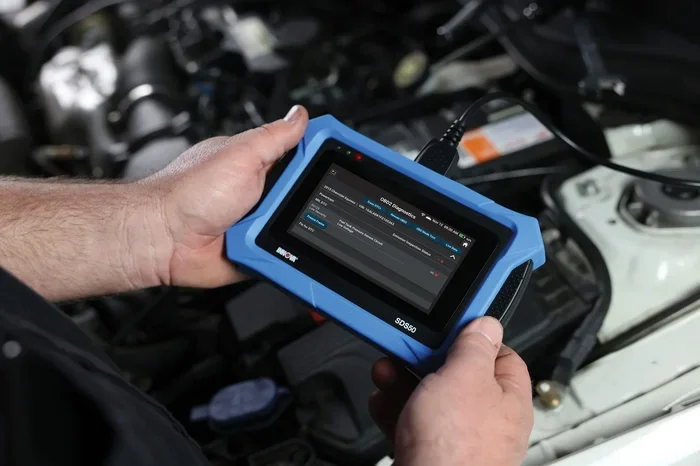
Every modern car built after 1996 has an On-Board Diagnostics system, commonly known as OBD. When your check engine light comes on, it means your car’s computer has detected something wrong. A technician plugs an OBD scanner into your vehicle’s diagnostic port, usually located under the dashboard on the driver’s side.
The scanner communicates with your car’s computer. It pulls stored codes that point to specific problems. These codes might indicate anything from a loose gas cap to a serious engine misfire. The technician then interprets these codes to determine what needs fixing.
What Systems Get Checked
A full dealership diagnostic does not just look at one thing. It checks multiple systems across your vehicle. Here is what a typical scan covers:
- Engine performance and fuel system readings
- Transmission operation and shift timing
- Brake system sensors and ABS functionality
- Electrical systems including battery and alternator
- Emissions controls and oxygen sensor data
- Airbag and safety systems readiness
Each of these systems requires time and expertise to interpret correctly. That is why dealerships charge for diagnostics. It is not just the scan itself. It is the technician’s knowledge in reading and understanding the results.
How Much Do Dealership Diagnostics Actually Cost
The cost of dealership diagnostics varies widely. There is no single price that applies to every vehicle or every situation. Understanding the fee structure helps you budget and avoid unpleasant surprises.
Typical Diagnostic Fee Ranges
Most dealerships charge between $80 and $150 for a standard diagnostic scan. Luxury brands like BMW, Mercedes, and Audi can charge $150 to $300 because their systems require more advanced equipment. Here is a general breakdown:
- Basic scan: $80 to $100 for a standard OBD code read
- Comprehensive diagnostic: $100 to $150 covering multiple systems
- Luxury or European vehicles: $150 to $300 for specialized software
- Hybrid or electric vehicles: $100 to $200 depending on complexity
Some dealerships also charge by the hour. A diagnostic session might take 30 minutes to two hours depending on the problem. If the issue is complex, the bill can add up quickly.
When Diagnostics Are Free
There are certain situations where you do not have to pay for diagnostics. Knowing these can save you real money:
- Warranty repairs: If your car is still under the manufacturer’s warranty, diagnostics are typically free. The warranty covers the cost of identifying the problem.
- Routine maintenance visits: Some dealerships offer free diagnostic checks when you book a scheduled service like an oil change or tire rotation.
- Promotional events: Dealerships sometimes run special promotions offering free diagnostics to attract new customers.
- Recall repairs: If your vehicle is subject to a recall, the dealership covers all diagnostic costs.
Always ask upfront whether diagnostics are included in your service appointment. A simple question can save you a significant amount of money.
Can You Skip the Dealership and Do Diagnostics Yourself
Here is a question many car owners ask. Can I do my own car diagnostics? The short answer is yes. You absolutely can. Modern technology has made it easier than ever to check your vehicle’s health without visiting a dealership at all.
DIY Diagnostic Tools
You can buy an OBD scanner for as little as $20 to $50. These small devices plug into your car’s diagnostic port and read error codes just like the equipment at a dealership. Many modern scanners connect to your smartphone through Bluetooth. You download an app, and your phone displays the diagnostic results in real time.
Popular options include brands like Ancel, Innova, and BlueDriver. These tools give you the ability to check your engine codes at home. Some even clear the codes after you make a repair. This means you can verify whether a fix actually worked.
Limitations of DIY Diagnostics
While DIY tools are great for basic checks, they do have limitations. A handheld scanner reads generic OBD codes. It may not access manufacturer-specific systems or advanced modules. For example, a problem with your transmission control module or advanced safety systems might require dealership-level equipment.
Also, reading a code is only half the battle. Interpreting what the code means and determining the root cause requires training and experience. A code might point to a sensor problem, but the actual issue could be a wiring fault or a failing component elsewhere in the system.
If you are dealing with a complex issue or a hybrid vehicle, it is worth noting that some are hybrids reliable after 100k miles might depend on proper diagnostic work that goes beyond basic scanner tools. For these vehicles, professional diagnostics remain the safer choice.
Independent Shops vs. Dealerships for Diagnostics
You do not have to go to a dealership for diagnostics. Independent auto repair shops offer the same services, often at a lower cost. Understanding the differences helps you choose the right option for your situation.
Cost Comparison
Independent shops typically charge $50 to $100 for diagnostics, which is lower than most dealership rates. The difference comes down to overhead costs and specialized equipment. Dealerships invest heavily in brand-specific tools and training, which they pass on to the customer.
However, independent shops may not have access to the latest manufacturer software updates. For newer vehicles with complex computer systems, a dealership might be the better choice despite the higher cost.
When to Choose Each Option
Choose a dealership when your vehicle is under warranty, when you drive a luxury or specialty brand, or when the problem involves safety-critical systems. Choose an independent shop for routine diagnostics, older vehicles, or when you want to save money on labor costs.
If you are considering a visit to a dealership for a broader vehicle assessment, you might want to understand what types of vehicles a local Chevrolet dealership carries and services, since brand-specific knowledge can sometimes lead to more accurate diagnostics for certain makes.
How to Save Money on Dealership Diagnostics
Nobody wants to pay more than they have to for car service. Fortunately, there are several strategies you can use to reduce or even eliminate diagnostic costs.
1. Read Your Warranty Carefully
Your vehicle warranty may cover diagnostic costs entirely. Most new car warranties include bumper-to-bumper coverage for the first three years or 36,000 miles. Powertrain warranties extend even longer. If your issue falls under warranty coverage, the dealership cannot charge you for diagnosing it.
Always carry a copy of your warranty documents to the service desk. Ask the service advisor to confirm whether diagnostics are covered before they begin any work.
2. Bundle Diagnostics with Other Services
Some dealerships waive the diagnostic fee if you book additional services at the same time. For example, if you need an oil change and a diagnostic, ask if they will credit the diagnostic cost toward the overall service bill. This negotiation works more often than you might think.
3. Visit During Promotional Events
Dealerships run special events throughout the year. National Car Care Month in April and Fall Car Care Month in October are popular times for promotions. Follow your local dealership on social media or sign up for their email list to stay informed about free or discounted diagnostic offers.
4. Ask for a Written Estimate First
Never authorize a diagnostic without a clear estimate. A reputable service center will explain the cost upfront and get your approval before starting any work. If they hesitate or seem vague, that is a red flag.
Common Mistakes People Make with Dealership Diagnostics
Even the most careful car owners make mistakes when it comes to diagnostics. Avoiding these common pitfalls saves you time, money, and frustration.
1. Ignoring the Check Engine Light
Many drivers see their check engine light and simply ignore it. They assume the problem will go away on its own. In reality, a small issue can turn into a major repair if left unchecked. A simple diagnostic scan early on could have prevented a costly engine rebuild later.
2. Not Asking Questions
Too many customers accept the diagnostic results without asking questions. You deserve a clear explanation of what the codes mean, what repairs are needed, and how much those repairs will cost. A good service advisor will walk you through everything step by step.
3. Choosing the Cheapest Option Every Time
While saving money is smart, choosing the cheapest diagnostic option is not always wise. A quick scan at a discount shop might miss a deeper problem. The cheapest diagnosis is not always the best one. Accuracy matters more than price when it comes to identifying vehicle issues.
4. Forgetting to Reset Codes After Repairs
If you get a repair done and the check engine light stays on, the codes might still be stored in your car’s computer. Always ask the technician to clear the codes after completing a repair. This ensures that any remaining warning lights point to actual new problems, not old ones.
Expert Insights on Dealership Diagnostic Pricing
Industry experts agree that diagnostic fees are a necessary part of vehicle maintenance. Certified technicians undergo extensive training to interpret diagnostic data accurately. The equipment they use costs thousands of dollars, and ongoing software updates add to the expense.
According to automotive service professionals, the diagnostic fee is really an investment. It identifies the root cause of a problem so you do not waste money on unnecessary parts or repairs. A proper diagnostic can mean the difference between a $200 fix and a $2,000 repair bill.
Experts also recommend building a relationship with a trusted service provider. Whether that is a dealership or an independent shop, consistency leads to better service. Technicians who know your vehicle history can diagnose problems faster and more accurately.
Final Thoughts on Dealership Diagnostic Costs
The question of whether dealership diagnostics are free does not have a one-size-fits-all answer. Your warranty status, vehicle type, and the nature of the problem all play a role in determining the cost. For most car owners, expect to pay somewhere between $80 and $150 for a professional diagnostic scan at a dealership.
That said, there are real opportunities to get diagnostics for free or at a reduced cost. Check your warranty terms, watch for promotional events, and never hesitate to ask about fee waivers or credits. Taking a proactive approach to your vehicle’s health saves money in the long run.
Whether you visit a dealership, an independent shop, or use a DIY scanner, the goal is the same. You want to understand what your car needs and make informed decisions. Car troubleshooting becomes much less stressful when you know what to expect and what to ask for.
Your vehicle is one of the biggest investments you will ever make. Treating it with care, staying on top of maintenance, and understanding the diagnostic process keeps it running smoothly for years to come. Knowledge is power, and now you have the tools to use it wisely every time you visit a service center.
Frequently Asked Questions
Are dealership diagnostics really free?
They are not always free. Dealerships typically charge between $80 and $150 for a diagnostic scan. However, diagnostics may be free if your vehicle is under warranty, during a promotional event, or when bundled with other paid services. Always ask about the cost before work begins.
How long does a dealership diagnostic take?
A standard diagnostic scan takes about 30 minutes to one hour. More complex issues involving multiple systems can take two hours or longer. The time depends on your vehicle’s make, model, and the nature of the problem being investigated.
Can I get my car diagnosed at any dealership?
You can visit any dealership, but they may not be familiar with your specific vehicle brand. It is best to go to a dealership that services your make and model. For example, a Chevrolet dealership will have the right tools and training for a Chevrolet vehicle.
Is it cheaper to get diagnostics at an independent shop?
Yes, independent shops usually charge less for diagnostics than dealerships. You can expect to pay $50 to $100 at most independent auto repair shops. The trade-off is that they may not have access to manufacturer-specific diagnostic software for newer vehicles.
What should I bring to a dealership diagnostic appointment?
Bring your vehicle registration, proof of insurance, your owner’s manual, and any warranty documents you have. Also, write down any symptoms you have noticed, such as strange noises, warning lights, or changes in performance. This information helps the technician diagnose the problem faster.
Will a diagnostic scan fix my check engine light?
A diagnostic scan identifies the problem but does not fix it. The scan pulls error codes that tell the technician what is wrong. After the diagnosis, you will need to authorize the recommended repairs to turn off the check engine light and resolve the issue.