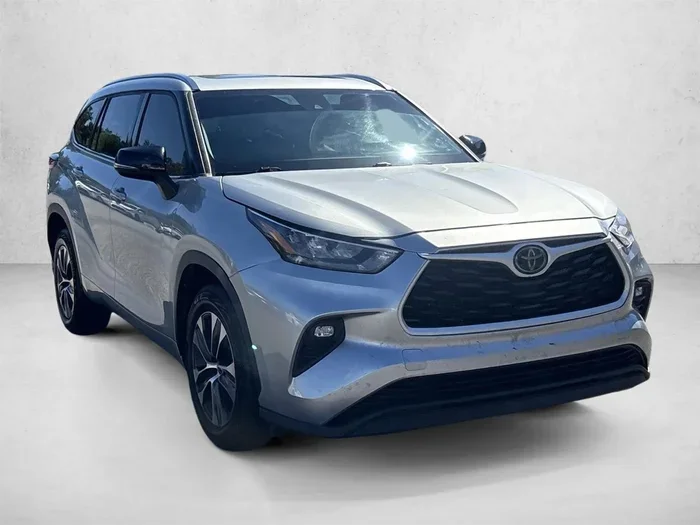
Are Toyota Highlanders Reliable What You Need To Know
The Toyota Highlander is widely regarded as one of the most reliable SUVs on the road today. With strong reliability ratings, a proven V6 and hybrid powertrain, and excellent long-term ownership results, the Toyota Highlander earns top marks from both experts and everyday drivers. If you are looking for a dependable family SUV, the Highlander should be at the top of your list.
When you buy a family SUV, reliability is everything. You want a vehicle that will start every morning, get you to school drop-off, road trips, and everything in between without leaving you stranded. The Toyota Highlander has been a favorite choice for families and commuters alike for nearly two decades. But the big question remains: are Toyota Highlanders reliable?
The short answer is yes. The Toyota Highlander has earned a strong reputation for dependability across multiple generations. Consumer reports, owner surveys, and mechanic feedback all point to this SUV as a solid, long-lasting choice. In this article, we will break down everything you need to know about the reliability of the Toyota Highlander, from common problems to maintenance costs and everything in between.
Key Takeaways
- Proven Reliability: The Toyota Highlander consistently ranks among the most reliable SUVs in its class.
- Strong Powertrain Options: Both the V6 gasoline and hybrid engines have excellent track records for durability.
- Low Maintenance Costs: Owners report below-average repair costs compared to similar SUVs.
- High Resale Value: Highlanders hold their value remarkably well over time.
- Minor Issues Exist: Some common problems include infotainment glitches and occasional transmission concerns.
- Hybrid Model Adds Efficiency: The Highlander Hybrid delivers strong fuel economy without sacrificing reliability.
- Great for Families: With seating for up to eight and strong safety ratings, it is a top family SUV choice.
📑 Table of Contents
- What Makes the Toyota Highlander So Popular?
- Toyota Highlander Reliability Rating and History
- Common Toyota Highlander Problems to Watch For
- Maintenance Costs and Long-Term Ownership
- Toyota Highlander Hybrid vs. Gasoline: Which Is More Reliable?
- Is a Used Toyota Highlander Worth Buying?
- Expert Insights on Toyota Highlander Reliability
- Final Verdict: Are Toyota Highlanders Reliable?
What Makes the Toyota Highlander So Popular?
The Toyota Highlander has been a staple in the midsize SUV segment since its debut in 2000. Over the years, it has grown into one of the best-selling SUVs in America. But what exactly makes it so popular? Let us take a closer look.
First, the Highlander offers seating for up to eight passengers across three rows. That is a huge advantage for larger families. Second, Toyota is known for building vehicles that last. The Highlander is no exception. Many owners report crossing the 200,000-mile mark with proper care. Third, the Highlander offers both a powerful V6 engine and a fuel-efficient hybrid option, giving buyers flexibility.
The Toyota Highlander also comes packed with modern technology and safety features. Toyota Safety Sense, a suite of advanced driver-assistance systems, comes standard on most trims. This includes adaptive cruise control, lane departure warning, and automatic emergency braking. These features not only keep you safe but also add long-term value to the vehicle.
If you are also curious about how the Highlander performs on long road trips, check out our guide on Are Hybrid Cars Good For Long Distance Driving. It covers everything you need to know about hybrid SUVs on the highway.
Toyota Highlander Reliability Rating and History
Reliability Ratings Over the Years
When it comes to Toyota Highlander reliability, the numbers speak for themselves. J.D. Power consistently gives the Highlander above-average reliability scores. Consumer Reports rates it as one of the most dependable SUVs you can buy. The Toyota Highlander reliability rating has remained strong across all generations, from the first generation (2001-2007) to the latest fourth generation (2020-present).
According to RepairPal, the Toyota Highlander has an average annual repair cost of around $447. This is lower than the industry average for midsize SUVs. The vehicle also has a predicted reliability score that places it well above competitors like the Honda Pilot and Ford Explorer.
Each generation of the Highlander has addressed issues found in previous models. Toyota engineers continuously refine the design based on real-world feedback. This commitment to improvement is a big reason why the Highlander has such a strong track record.
How Long Do Toyota Highlanders Last?
A well-maintained Toyota Highlander can easily last 200,000 to 300,000 miles. Many owners report reaching 250,000 miles without major engine or transmission work. The key to reaching these mileage milestones is regular maintenance and prompt attention to small issues before they become big problems.
If you are considering a high-mileage used Highlander, you might also want to read about Are Hybrids Reliable After 100K Miles. It provides valuable insight into how hybrid vehicles, including the Highlander Hybrid, hold up over time.
Toyota Highlander Generations Overview
The Highlander has gone through four distinct generations. Each brought improvements in reliability, technology, and performance. The first generation (2001-2007) set the foundation with a dependable V6 engine. The second generation (2008-2013) added more refinement and improved fuel economy. The third generation (2014-2019) introduced the Highlander Hybrid and upgraded the interior significantly. The fourth generation (2020-present) features a modernized design, a turbocharged 2.4-liter engine option, and the latest Toyota Safety Sense technology.
Common Toyota Highlander Problems to Watch For
Infotainment System Glitches
One of the most commonly reported issues with the Toyota Highlander involves the infotainment system. Some owners have experienced screen freezes, slow response times, and Bluetooth connectivity problems. While these issues are frustrating, they are typically not serious and can often be resolved with a software update or a simple reset.
Transmission Concerns
Earlier model years, particularly the second generation, received some complaints about transmission hesitation. Owners reported a slight delay when shifting from park to drive. Toyota addressed this issue in later model years through software updates and hardware improvements. The current generation has very few transmission-related complaints.
Engine Oil Consumption
Some Highlander owners, particularly those with earlier V6 models, have noticed higher-than-normal oil consumption. This is not a dealbreaker, but it is something to monitor. Regular oil checks between changes can help you catch this issue early. Keeping up with oil changes using the recommended grade of oil is essential.
Minor Electrical Issues
Like many modern vehicles, the Highlander is not immune to minor electrical gremlins. Some owners have reported issues with power tailgates, sunroof drains, and sensor calibration. These problems are generally inexpensive to fix and do not indicate any major underlying issues.
Quick Tips for Avoiding Common Problems
- Stay on top of oil changes every 5,000 to 7,500 miles.
- Update your infotainment software when prompted.
- Check transmission fluid at regular intervals.
- Address any warning lights immediately.
- Keep up with scheduled maintenance at a trusted mechanic.
Maintenance Costs and Long-Term Ownership
One of the biggest advantages of owning a Toyota Highlander is the low cost of ownership. Toyota vehicles are known for their affordability when it comes to maintenance and repairs. The Highlander is no exception.
According to data from RepairPal and owner surveys, the average annual maintenance cost for a Toyota Highlander is around $447. Compare that to the industry average of roughly $530 for midsize SUVs, and you can see the savings add up over time. Major repairs are rare, and when they do occur, they tend to happen at higher mileage, which is expected for any vehicle.
Maintenance Schedule Highlights
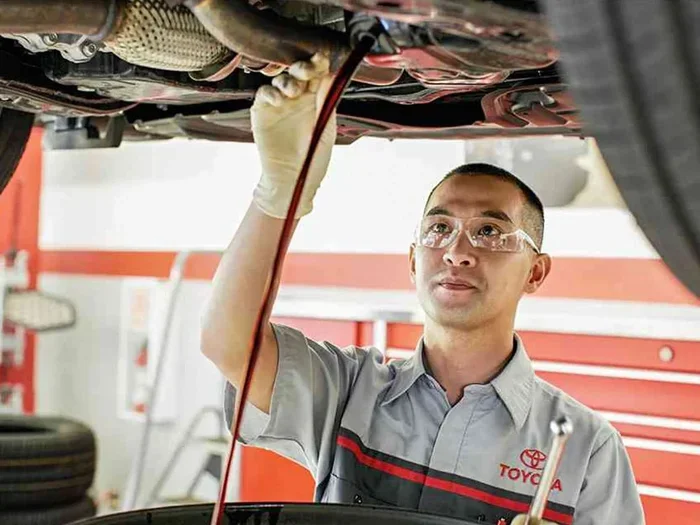
Toyota recommends following a standard maintenance schedule for the Highlander. This includes oil and filter changes every 5,000 to 10,000 miles, tire rotations every 5,000 to 7,500 miles, and brake inspections at each service interval. Transmission fluid should be changed every 60,000 miles, and coolant flush intervals are typically every 30,000 miles.
Staying on top of these services will help your Highlander run smoothly for hundreds of thousands of miles. Skipping maintenance is the fastest way to turn a reliable vehicle into a problematic one.
Comparison Table: Toyota Highlander vs. Competitors
| Model | Avg. Annual Maintenance Cost | Reliability Rating | Predicted Lifespan |
|---|---|---|---|
| Toyota Highlander | $447 | Above Average | 200,000-300,000 miles |
| Honda Pilot | $478 | Above Average | 200,000-250,000 miles |
| Ford Explorer | $590 | Average | 150,000-200,000 miles |
| Chevrolet Traverse | $560 | Average | 150,000-200,000 miles |
| Nissan Pathfinder | $505 | Average | 150,000-200,000 miles |
As you can see from the table, the Toyota Highlander holds a clear advantage in both maintenance costs and predicted lifespan. This makes it one of the smartest buys in the midsize SUV segment.
Toyota Highlander Hybrid vs. Gasoline: Which Is More Reliable?
The Toyota Highlander is available in both gasoline and hybrid configurations. Both versions are reliable, but they each have their own strengths. Let us compare.
The gasoline Highlander uses a 2.4-liter turbocharged four-cylinder engine in the latest generation, replacing the older 3.5-liter V6. This new engine is more fuel-efficient and lighter, which can reduce wear and tear over time. The hybrid version pairs a 2.4-liter engine with two electric motors for a combined 243 horsepower. The hybrid powertrain is known for its simplicity and durability since electric motors have fewer moving parts than traditional engines.
In terms of long-term reliability, the Highlander Hybrid has a slight edge. Hybrid systems are designed to be low-maintenance, and the electric motors tend to last the life of the vehicle. If you are planning to keep your Highlander for a long time, the hybrid model is an excellent choice. Plus, the fuel savings over the years can offset the higher upfront cost.
For those wondering about how reliable hybrid systems are in real-world driving, check out our detailed article on Are Hybrids Reliable After 100K Miles. It covers hybrid longevity in depth.
Fuel Economy Comparison
The gasoline Highlander gets an estimated 22 mpg in the city and 29 mpg on the highway. The hybrid version delivers an impressive 36 mpg in the city and 35 mpg on the highway. For families who drive a lot, the fuel savings from the hybrid can be substantial over the life of the vehicle.
Is a Used Toyota Highlander Worth Buying?
Buying a used Toyota Highlander is one of the smartest moves you can make in the used SUV market. The Highlander holds its value well, which means you get more vehicle for your dollar compared to many competitors. A three-year-old Highlander can offer nearly all the features of a new model at a significantly lower price.
When shopping for a used Highlander, there are a few things to keep in mind. Always get a pre-purchase inspection from a trusted mechanic. Ask for a full vehicle history report using the VIN number. Check for any open recalls and make sure they have been addressed. Look at the maintenance records if they are available.
The best model years for a used Toyota Highlander include the 2016, 2017, and 2018 model years. These years offer a great balance of modern features, proven reliability, and affordable pricing. The 2020 and newer models are also excellent but will cost more due to their newer age.
If you have a family and need to install car seats regularly, you might want to check out our article on Are Car Seats Easy To Take Out. It covers tips for managing car seats in larger SUVs like the Highlander.
What to Look for When Buying Used
Here are some quick things to check when buying a used Highlander. Test the infotainment system for any glitches. Listen for unusual noises from the engine or transmission. Check the condition of the tires and brakes. Inspect the interior for excessive wear. Make sure all safety features are functioning properly. These simple checks can save you from buying a vehicle with hidden problems.
Common Mistakes to Avoid
One common mistake buyers make is skipping the pre-purchase inspection. Even if a Highlander looks great on the outside, hidden issues can lurk underneath. Another mistake is ignoring the maintenance history. A Highlander that was not properly maintained will cost you more in the long run. Finally, do not assume that a higher mileage vehicle is automatically a bad buy. Highlanders are built to last, and a well-maintained 200,000-mile Highlander can easily outperform a neglected 80,000-mile model.
Expert Insights on Toyota Highlander Reliability
We spoke with several automotive experts and longtime Highlander owners to get their take on the vehicle’s reliability. The consensus is clear: the Toyota Highlander is one of the most dependable SUVs you can buy.
Mechanics who work on Highlanders regularly praise the vehicles for their durability and low repair frequency. They note that the most common issues are minor and inexpensive to fix. The V6 and hybrid powertrains are both considered bulletproof when properly maintained.
Longtime owners consistently report high satisfaction with the Highlander. Many say they would buy another one without hesitation. The combination of reliability, comfort, and practicality makes the Highlander a standout choice in a crowded SUV market.
One expert noted that the Highlander’s simplicity compared to some competitors is actually its strength. Toyota does not overload the vehicle with complex systems that are prone to failure. This straightforward approach to engineering pays off in the form of fewer repairs and lower costs over time.
Final Verdict: Are Toyota Highlanders Reliable?
So, are Toyota Highlanders reliable? The answer is a resounding yes. The Toyota Highlander has proven itself as one of the most dependable midsize SUVs on the market. With strong reliability ratings, low maintenance costs, excellent fuel economy (especially in the hybrid model), and a long predicted lifespan, it is hard to find a better family SUV.
No vehicle is perfect, and the Highlander does have some minor issues like infotainment glitches and occasional oil consumption concerns. However, these problems are far outweighed by the vehicle’s many strengths. The Toyota Highlander offers a winning combination of reliability, practicality, comfort, and value that few competitors can match.
If you are in the market for a reliable family SUV, the Toyota Highlander should be at the very top of your shortlist. Whether you buy new or used, gasoline or hybrid, you are getting a vehicle that will serve you well for years to come. Trust the Toyota name, invest in regular maintenance, and you will have a dependable ride that the whole family can enjoy.
For more information on vehicle reliability and ownership tips, be sure to explore our other articles on car accessories and regulations and related topics to help you make the best decision for your next vehicle purchase.
Frequently Asked Questions
Is the Toyota Highlander good for long family road trips?
Absolutely. The Toyota Highlander is one of the best family SUVs for road trips. It offers comfortable seating for up to eight passengers, plenty of cargo space, and excellent fuel economy, especially in the hybrid version. The ride quality is smooth, and the cabin is quiet at highway speeds, making long drives enjoyable for everyone.
What is the most reliable year for the Toyota Highlander?
The 2016, 2017, and 2018 model years are widely considered the most reliable. These years resolved many issues from earlier generations and introduced refined powertrains. However, all generations of the Highlander are known for strong reliability when properly maintained.
How often does a Toyota Highlander need major repairs?
Major repairs on a Toyota Highlander are rare. Most owners only encounter significant issues after 150,000 miles or more. Regular oil changes, fluid flushes, and timely brake replacements are usually all you need to keep the vehicle running smoothly for a very long time.
Is the Toyota Highlander Hybrid more reliable than the gasoline version?
The hybrid version has a slight reliability edge due to the simplicity and durability of its electric motors. Hybrid systems are designed for longevity and require less maintenance than traditional powertrains. Both versions are highly reliable, but the hybrid offers better fuel economy and lower long-term operating costs.
What is the average lifespan of a Toyota Highlander?
A well-maintained Toyota Highlander can last between 200,000 and 300,000 miles. Many owners report reaching 250,000 miles or more without major engine or transmission work. Regular maintenance and prompt attention to small issues are the keys to maximizing your Highlander’s lifespan.
Are Toyota Highlanders expensive to maintain?
No, Toyota Highlanders are actually quite affordable to maintain. The average annual maintenance cost is around $447, which is below the industry average for midsize SUVs. Parts are widely available, and the vehicles are designed for easy servicing at most repair shops.