Are Used Tundras Good Trucks Worth Your Investment
A used Toyota Tundra can be an excellent truck if you know what to look for. These full-size pickups are known for durability, strong towing, and solid resale value. However, buying used means you need to check the model year, engine type, and maintenance history carefully. This guide covers everything you need to decide if a used Tundra fits your needs and budget.
Key Takeaways
- Reliable Workhorse: The Tundra has a strong reputation for lasting well over 200,000 miles with proper care.
- Great Towing Capacity: Used Tundras can tow between 10,000 and 12,000 pounds depending on the trim and engine.
- Good Resale Value: Toyota trucks hold their value exceptionally well compared to competitors.
- Multiple Generations Available: Each generation has its own strengths and weaknesses to consider.
- Maintenance Matters: Regular upkeep is key to keeping a used Tundra running strong for years.
- Hybrid Option Exists: The newer hybrid Tundra offers better fuel economy for a full-size truck.
- Check Before You Buy: Always inspect the frame, engine, and transmission before purchasing.
📑 Table of Contents
- Are Used Tundras Good? Here Is Everything You Need to Know
- Why the Used Tundra Market Is So Popular
- What Makes a Used Tundra a Good Investment
- Common Used Tundra Generations Compared
- What to Check Before Buying a Used Tundra
- Common Mistakes Buyers Make When Purchasing a Used Tundra
- Maintenance Tips to Keep Your Used Tundra Running Strong
- Who Should Buy a Used Tundra?
- The Bottom Line: Is a Used Tundra Worth It?
Are Used Tundras Good? Here Is Everything You Need to Know
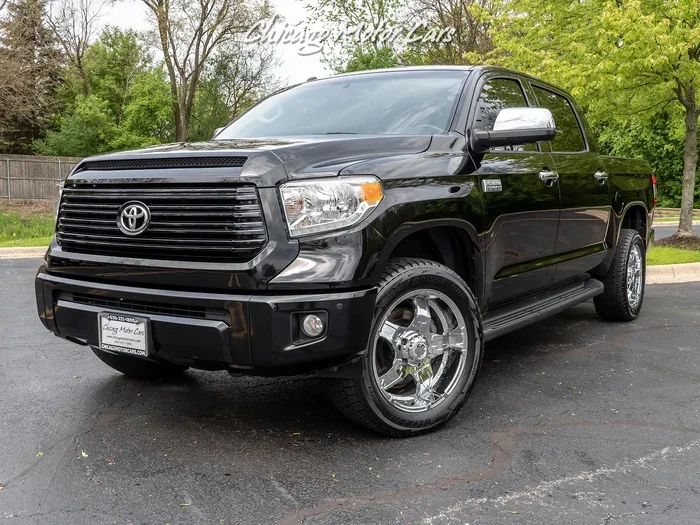
The Toyota Tundra has been a staple in the full-size pickup truck world for over two decades. If you are in the market for a used Toyota Tundra, you probably have one big question on your mind: are used Tundras good trucks worth the money? The short answer is yes. But like any major vehicle purchase, there are important details you need to understand before pulling the trigger.
A used Tundra offers a lot of value. These trucks are built tough. They handle heavy towing, rough terrain, and daily driving with ease. Toyota builds these pickups to last, and many owners report crossing the 200,000-mile mark without major issues. However, not every used Tundra is created equal. The model year, trim level, maintenance history, and previous usage all play a huge role in how well the truck will serve you.
In this guide, we break down everything you need to know about buying a used Tundra. We cover reliability, common problems, what to look for, and which model years are worth your money. Whether you need a work truck, a family hauler, or a weekend towing rig, this article has you covered.
Why the Used Tundra Market Is So Popular
The Toyota Tundra holds a special place in the American truck market. It competes with the Ford F-150, Chevrolet Silverado, and Ram 1500. But unlike many competitors, the Tundra has a cult following. Owners love its simplicity, durability, and raw power. This loyalty drives strong demand in the used truck market.
There are several reasons why people flock to used Tundras:
- Legendary Reliability: Toyota engines are known to run for hundreds of thousands of miles. The Tundra’s V8 engines are no exception.
- Strong Towing Power: A used Tundra can easily handle trailers, boats, and RVs. This makes it a favorite among outdoor enthusiasts.
- Solid Build Quality: The Tundra uses a full-size frame that resists rust and structural damage better than many competitors.
- Good Resale Value: Toyota trucks depreciate slower than most. This means your used Tundra will hold its value well.
- Easy to Find Parts: Because the Tundra has been around so long, replacement parts are widely available and affordable.
All of these factors make the used Tundra a smart choice for many buyers. But popularity also means you need to act fast when you find a good one. Well-maintained examples sell quickly.
How Does the Tundra Compare to Other Used Trucks?
If you are shopping for a used full-size pickup, you have options. The Ford F-150 is the most popular truck in America. The Ram 1500 offers a smooth ride and luxury features. The Chevrolet Silverado is a strong competitor too. But the Tundra stands out for one key reason: simplicity.
Many modern trucks are packed with complex electronics and advanced systems. The Tundra keeps things straightforward. This makes it easier to maintain and less expensive to repair. While competitors may offer more tech features, the Tundra focuses on what matters most: hauling, towing, and durability.
Some buyers also compare the Tundra to the Toyota Tacoma. The Tacoma is a mid-size truck. It is smaller, more fuel-efficient, and easier to park. But if you need serious hauling power, the full-size Tundra wins every time.
What Makes a Used Tundra a Good Investment
So, what exactly makes a used Tundra a solid investment? Let us break it down into the key areas that matter most to buyers.
Engine and Powertrain Reliability
The Tundra has been powered by Toyota’s legendary V8 engines for most of its life. These engines are simple, robust, and incredibly reliable. The 4.7-liter V8 and 5.7-liter V8 are the most common options. Both are known for longevity and minimal issues when properly maintained.
The newer Tundra hybrid models bring a turbo V6 with an electric motor. This powertrain delivers strong performance and better fuel economy. If you are considering a newer used Tundra, the hybrid version is worth a serious look.
One thing to keep in mind: the Tundra transmission has been a reliable component as well. The older models used a 4-speed automatic, while newer ones feature a 10-speed. Both have proven durable over time.
Towing and Hauling Capability
This is where the Tundra truly shines. A used Toyota Tundra can tow between 10,000 and 12,000 pounds depending on the configuration. That is enough to haul a large travel trailer, a boat, or heavy equipment. The truck bed is wide and deep, making it perfect for hauling lumber, gravel, or camping gear.
For those who frequently haul long distances, the Tundra handles the highway exceptionally well. If you want more details about long-distance driving in trucks, you can check our guide on are hybrid cars good for long distance driving. The principles of highway stability and towing safety apply to any full-size truck.
The Tundra also comes with features that make hauling easier:
- Integrated trailer brake controller
- Tow/haul mode for better transmission shifting
- Heavy-duty suspension for load stability
- Large mirrors for better trailer visibility
- Backup camera with towing guidelines
Interior Space and Family-Friendly Design
The Tundra is not just a work truck. It is also a comfortable family vehicle. The full-size cabin offers plenty of room for passengers. The rear seats are spacious, and the truck bed can handle just about anything you need to carry.
For families who need to move car seats, strollers, or sports equipment, the Tundra is incredibly practical. The rear seats fold down to create a massive flat loading area. If you are curious about how easy it is to manage car seats in a truck like this, our article on are car seats easy to take out covers useful tips that apply to full-size pickups too.
The Tundra’s interior has improved significantly over the years. Newer models offer leather seats, touchscreen infotainment, and modern safety features. Even older models remain comfortable and functional for daily driving.
Common Used Tundra Generations Compared
Understanding the different generations of the Tundra is crucial when shopping used. Each generation has its own character, strengths, and weaknesses. Here is a quick comparison of the most popular generations.
| Generation | Years | Engine Options | Towing Capacity | Common Issues |
|---|---|---|---|---|
| First Generation | 2000-2006 | 4.7L V8, 5.7L V8 | Up to 10,500 lbs | Transmission wear at high mileage |
| Second Generation | 2007-2013 | 4.7L V8, 5.7L V8 | Up to 12,000 lbs | Minor electrical issues |
| Third Generation | 2014-2021 | 5.7L V8 | Up to 12,000 lbs | Few reported issues |
| Hybrid (New Gen) | 2022+ | 3.5L Twin-Turbo V6 Hybrid | Up to 12,600 lbs | Newer, limited long-term data |
The second and third generations are the most popular choices in the used market. They offer the best balance of reliability, towing power, and modern features. The first generation is a budget-friendly option, but expect higher mileage and more wear. The hybrid models are exciting but still relatively new, so long-term data is limited.
If you are concerned about long-term Tundra reliability after 100,000 miles, you can read our detailed breakdown on are hybrids reliable after 100k miles. While that article focuses on hybrid vehicles, the maintenance principles apply to any Toyota, including the Tundra.
What to Check Before Buying a Used Tundra
Buying a used truck requires diligence. You want to make sure you are getting a vehicle that will serve you well for years to come. Here is a checklist of the most important things to inspect.
Frame and Undercarriage Inspection
The Tundra’s frame is one of its strongest features. However, rust can be a concern, especially in northern states where salt is used on roads. Always get underneath the truck and inspect the frame for rust, cracks, or repairs. A compromised frame can be dangerous and expensive to fix.
Also check the suspension components. Look for worn ball joints, control arms, and bushings. These parts wear out over time and can affect handling and ride quality.
Engine Health Check
Start the engine and listen carefully. The Tundra’s V8 should start smoothly and idle evenly. Listen for any knocking, ticking, or rattling sounds. Check the oil for metal particles, which could indicate internal wear.
Ask the seller for maintenance records. A well-documented service history is a strong indicator of a cared-for truck. Look for regular oil changes, transmission fluid swaps, and coolant flushes.
Transmission and Drivetrain
Shift through all the gears and pay attention to how the transmission responds. It should shift smoothly without hesitation or slipping. Any harsh shifting or delay could signal transmission problems.
If the Tundra is a 4WD model, test the four-wheel drive system. Engage it on a safe surface and make sure it locks in properly. The transfer case and front differential should operate without noise or vibration.
Exterior and Interior Condition
Walk around the truck and look for signs of accident damage. Check the paint for mismatched panels, uneven gaps, or overspray. These are red flags that the truck may have been in a serious collision.
Inside the cabin, check all the switches, buttons, and controls. Test the air conditioning, power windows, locks, and infotainment system. Worn seats, cracked dashboard, and malfunctioning electronics can add unexpected costs.
Mileage Considerations
Mileage matters, but it is not the only factor. A Tundra with 150,000 miles that was well-maintained is often a better buy than one with 80,000 miles that was neglected. Focus on the overall condition and service history rather than just the number on the odometer.
Common Mistakes Buyers Make When Purchasing a Used Tundra
Even experienced truck buyers can make mistakes. Here are the most common errors to avoid:
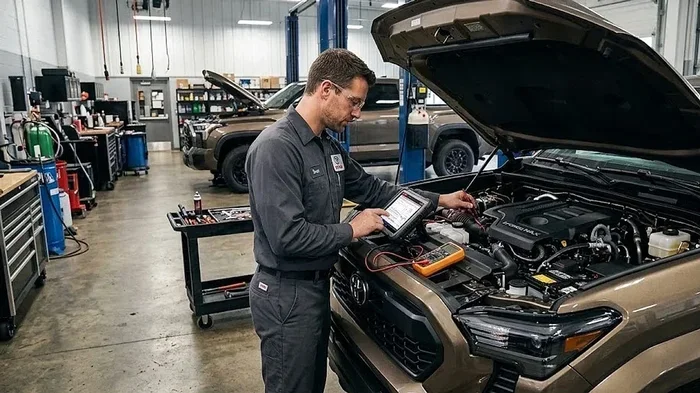
- Skipping the Pre-Purchase Inspection: Always have a trusted mechanic inspect the truck before you buy. This single step can save you thousands of dollars in repairs.
- Ignoring the Maintenance History: A truck without records is a gamble. Ask for documentation or look for signs of regular care.
- Overlooking Rust: Surface rust is common and manageable. Structural rust is a serious problem that can compromise safety.
- Buying Based on Looks Alone: A clean exterior does not mean a healthy truck. Always look beyond the cosmetic condition.
- Not Test Driving Thoroughly: Drive the truck on both highway and city roads. Listen for unusual noises and feel for any vibrations or pulling.
- Forgetting About Insurance and Registration Costs: Older trucks may have lower purchase prices but higher insurance premiums depending on your location.
Maintenance Tips to Keep Your Used Tundra Running Strong
Owning a Toyota Tundra is relatively straightforward when it comes to maintenance. Toyota trucks are designed to be owner-friendly. Here are some tips to keep your truck in top shape.
- Change the oil every 5,000 to 7,500 miles using quality synthetic oil.
- Replace the transmission fluid every 60,000 to 100,000 miles.
- Check the coolant and flush it every 100,000 miles or as recommended.
- Inspect the brakes regularly and replace pads and rotors as needed.
- Rotate the tires every 5,000 to 7,500 miles for even wear.
- Keep the 4WD system maintained by checking the transfer case fluid regularly.
- Address small issues quickly before they become expensive repairs.
Following a regular maintenance schedule is the best way to ensure your used Tundra stays reliable for many years. Toyota trucks reward owners who take care of them.
Who Should Buy a Used Tundra?
The Toyota Tundra is not for everyone. But for the right buyer, it is an outstanding choice. Here is who benefits most from owning a used Tundra:
- Outdoor Enthusiasts: If you haul boats, ATVs, or camping gear, the Tundra is built for you.
- Farmers and Ranchers: The Tundra handles farm work, livestock transport, and heavy equipment with ease.
- Families Who Need a Versatile Vehicle: The spacious cabin and truck bed make it perfect for active families.
- DIYers and Home Improvers: Hauling lumber, tools, and building materials is what the Tundra does best.
- Truck Enthusiasts: If you appreciate simple, powerful, and durable trucks, the Tundra delivers.
If you are someone who needs a dependable workhorse that can handle tough jobs and long trips, a used Tundra is a fantastic option. Just make sure you do your homework before buying.
The Bottom Line: Is a Used Tundra Worth It?
So, are used Tundras good trucks? Absolutely. The Toyota Tundra is one of the most reliable and capable full-size pickups on the market. It offers strong towing, spacious seating, and a reputation for longevity that few competitors can match.
The key to a successful purchase is doing your research. Know which model year and trim you need. Inspect the truck thoroughly or have a mechanic do it for you. Review the maintenance history and take a comprehensive test drive. When you find a well-cared-for used Tundra, you are getting a truck that will serve you reliably for many years to come.
The Tundra may not be the flashiest truck on the lot. But it is one of the most dependable. And for many buyers, that is exactly what matters most. If you are ready to invest in a Toyota Tundra, you are making a smart choice that will pay off every time you turn the key.
Before you head to the dealership or browse online listings, make a checklist of what you want in a used truck. Set a realistic budget. And remember: the best truck is the one that has been well-maintained and fits your specific needs. The used Tundra checks all those boxes.
Frequently Asked Questions
How long does a Toyota Tundra last?
A well-maintained Toyota Tundra can last 250,000 to 300,000 miles or more. The V8 engines are known for exceptional longevity. Regular maintenance, such as oil changes and fluid flushes, plays a huge role in extending the truck’s lifespan.
What is the best year for a used Toyota Tundra?
The 2007-2013 second-generation Tundras are widely considered the best used models. They offer improved towing capacity, better reliability, and modern features. The 2014-2021 third generation is also an excellent choice with fewer reported issues.
Is a used Tundra expensive to maintain?
Not really. Toyota trucks are generally affordable to maintain. Parts are widely available, and the simple engine design keeps repair costs lower than many competitors. Routine maintenance like oil changes and brake jobs is reasonably priced.
Can a used Tundra tow a travel trailer?
Yes, a used Tundra can tow a travel trailer easily. Depending on the model year and configuration, towing capacity ranges from 10,000 to 12,600 pounds. This is more than enough for most travel trailers and RVs.
Are Tundra hybrids worth buying used?
The Tundra hybrid is a solid choice for those who want better fuel economy without sacrificing power. The twin-turbo V6 hybrid engine delivers strong performance. However, since the hybrid models are newer, there is less long-term reliability data available compared to the older V8 versions.
What should I look for when buying a used Tundra?
Focus on the maintenance history, frame condition, engine health, transmission operation, and overall wear. Always get a pre-purchase inspection from a qualified mechanic. Check for rust, accident damage, and make sure all features work properly before buying.
=== CONCLUSION ===
A used Toyota Tundra is one of the best investments you can make in the used truck market. These trucks are built to last, easy to maintain, and incredibly capable. Whether you need a workhorse for your business or a family vehicle for weekend adventures, the Tundra delivers on every front.
Do your homework before buying. Inspect the truck carefully. Review its history. And choose a model that fits your needs and budget. With the right used Tundra, you are getting a reliable, powerful, and long-lasting truck that will serve you well for years to come. Happy truck shopping.