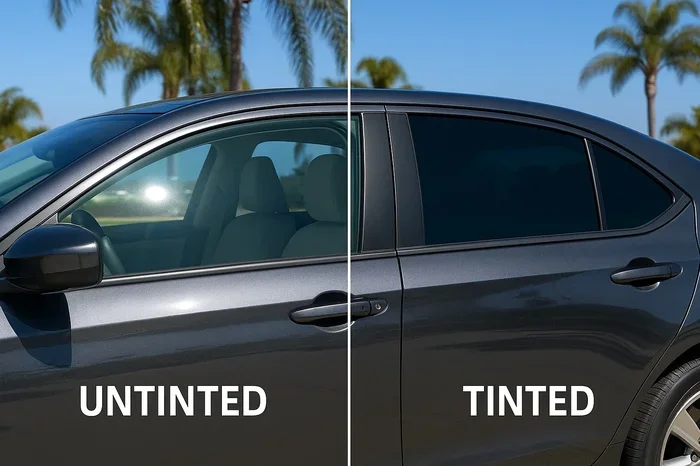
Arkansas Window Tint Law Everything You Need to Know
Arkansas window tint law sets specific limits on how dark you can tint your car windows. The state regulates visible light transmission (VLT) percentages for front side windows, rear side windows, and the rear windshield. Understanding these rules helps you avoid fines and stay legal on the road. This guide covers every detail you need, from legal tint limits to medical exemptions and enforcement rules.
Driving around the Natural State with tinted windows feels great. It keeps your car cooler and adds a sleek look. But did you know Arkansas has specific rules about how dark your tint can be? Many car owners get pulled over because they do not know the legal limits. Understanding Arkansas window tint law is essential whether you are tinting a new car or already have tint on your vehicle.
The state of Arkansas regulates the window tint darkness for every window on your car. These rules are based on visible light transmission, or VLT. VLT measures how much light passes through your window film. The lower the number, the darker the tint. If your tint is too dark, you could face a ticket, fines, or even have to remove the film. This guide breaks down everything you need to know about Arkansas tint regulations in simple terms.
Key Takeaways
- Front side windows must allow more than 25% of light in: This is the strictest rule in Arkansas tint law.
- Rear windows have more flexibility: You can tint them darker as long as you have dual side mirrors.
- Windshield tint is limited to the top five inches: No reflective or mirrored tint is allowed on the windshield.
- Medical exemptions exist: You can get a special permit for darker tint if you have a qualifying condition.
- Tint tickets are a real consequence: Violating Arkansas tint laws can result in fines and failed inspections.
- Film certification matters: Tint installers must certify their films meet state standards.
- Sticker requirements apply: A legal tint sticker must be placed on the vehicle.
📑 Table of Contents
- Understanding Arkansas Window Tint Law
- Legal Tint Darkness and VLT Explained
- Medical Exemption for Darker Tint
- Tint Enforcement and Penalties
- Choosing the Right Tint for Your Vehicle
- Common Mistakes People Make with Window Tint in Arkansas
- Frequently Asked Questions
- Final Thoughts on Arkansas Window Tint Law
Understanding Arkansas Window Tint Law
Arkansas window tint law is straightforward once you understand the basics. The state divides your vehicle windows into specific zones. Each zone has its own legal limit for tint darkness. These limits are measured using VLT percentages. The goal is to balance driver privacy with road safety. Law enforcement officers need to see inside your vehicle during traffic stops. That is why the front windows have stricter rules.
The Arkansas DMV sets these regulations. They apply to all passenger vehicles sold in the state. The rules also cover reflective tint, tint colors, and medical exemptions. Let us break down each window category so you know exactly what is allowed.
Front Side Windows
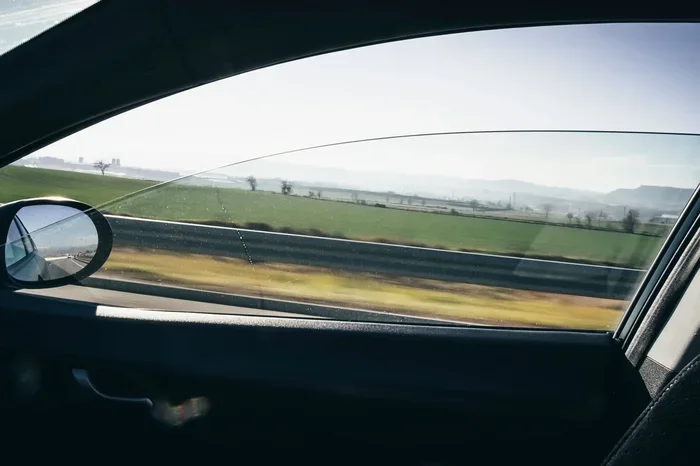
The front side windows on your vehicle must allow at least 25% of visible light to pass through. This means your VLT percentage must be 25% or higher. This is the strictest rule for passenger cars in Arkansas. The front side windows are the two doors on each side of the car. These windows are closest to the driver, so visibility matters most.
If you currently have tint on your front windows, check the VLT rating. Your installer should be able to tell you the exact percentage. If it is below 25%, you are breaking the law. Many people do not realize their tint is too dark until they get pulled over. A tint ticket in Arkansas can cost you more than you expect.
Rear Side Windows
Here is where things get more flexible. The rear side windows can be tinted darker than the front windows. Arkansas law does not set a specific VLT minimum for rear side windows on passenger vehicles. You can go as dark as you want on the back doors. However, there is one important condition. Your vehicle must have dual side mirrors if the rear windows are tinted.
Dual side mirrors help compensate for reduced visibility through the rear windows. This rule makes sense because the driver relies on side mirrors more when rear windows are dark. If your car only has one rearview mirror, you need to keep the rear side windows lighter. This ensures you can still see clearly while driving.
Rear Windshield
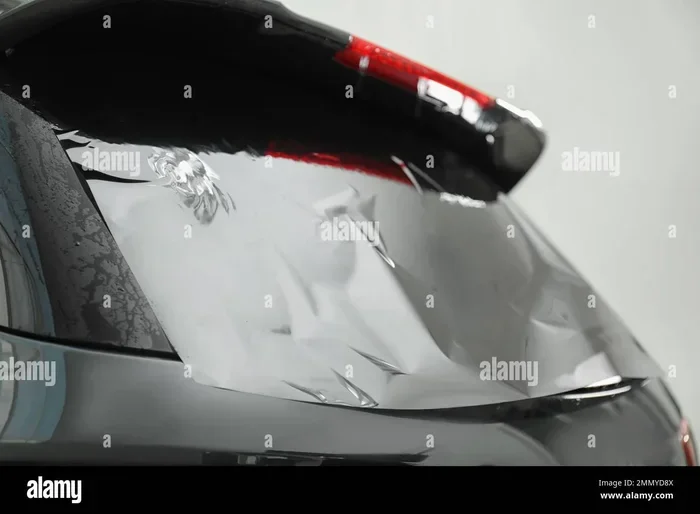
The rear windshield also allows darker tint in Arkansas. Like the rear side windows, there is no specific VLT limit for the back glass. But again, dual side mirrors are required if you tint the rear windshield. Many SUVs and vans come with tinted rear windshields from the factory. Aftermarket tint on the rear windshield follows the same rules.
Keep in mind that the rear windshield tint must not be reflective. Arkansas law prohibits mirrored or metallic-looking film on any window. This includes the rear windshield. The reflective quality can blind other drivers, which creates a safety hazard. Stick with non-reflective, legal tint films for the rear glass.
Windshield Tint
Windshield tint rules in Arkansas are very specific. You can only tint the top five inches of the windshield. This strip is often called the sunshade band or the AS-1 line. Below that five-inch mark, the windshield must remain clear. No tint film of any darkness is allowed on the rest of the windshield.
This rule helps maintain clear visibility for the driver. The windshield is your primary view of the road. Even a small amount of tint below the five-inch line can reduce visibility in certain lighting. Arkansas law is strict about this. If you have tint below the sunshade band, you risk getting pulled over.
Legal Tint Darkness and VLT Explained
Understanding visible light transmission is key to staying compliant. VLT is the percentage of light that passes through your window film. A film with 50% VLT lets half the light through. A film with 5% VLT, often called limo tint, lets almost no light through. Arkansas law uses VLT percentages to define legal limits.
Here is a simple breakdown of the legal tint darkness for Arkansas passenger vehicles:
| Window | Legal VLT Requirement | Reflective Tint Allowed? |
|---|---|---|
| Front Side Windows | 25% or higher VLT | No |
| Rear Side Windows | No specific limit | No |
| Rear Windshield | No specific limit | No |
| Windshield | Top 5 inches only | No |
As you can see, the front side windows have the strictest requirement. The rear windows offer more freedom but come with the dual mirror condition. Reflective tint is not allowed on any window in Arkansas. This includes metallic or mirrored finishes that some people prefer for privacy.
What Does VLT Mean for You?
When you visit a tint shop, they will ask about your desired VLT. A shop that follows Arkansas tint regulations will recommend films that meet the legal limits. For the front side windows, you need a film rated at 25% VLT or higher. For the rear windows, you can choose any darkness you prefer. Always ask your installer for a certificate showing the film meets state standards.
Not all tint films are created equal. Some films block more heat but also reduce light transmission more. Your installer should help you find a balance between comfort and compliance. Remember, the VLT rating is measured with the film applied to the glass. Factory tint on new cars usually has a VLT around 70% to 80%. Aftermarket films will reduce that number further.
Medical Exemption for Darker Tint
Arkansas window tint law does allow for medical exemptions. If you have a medical condition that makes you sensitive to sunlight, you may qualify for darker tint. This is a great option for people with conditions like lupus, albinism, or severe photosensitivity. The exemption lets you tint your front side windows darker than the standard 25% VLT limit.
To get a medical exemption, you need a letter from a licensed physician. The letter must explain your condition and why darker tint is medically necessary. You then submit this letter to the Arkansas Department of Finance and Administration. If approved, you will receive a special permit. This permit must be displayed in your vehicle at all times.
Even with a medical exemption, there are still rules. Reflective tint is not allowed. The tint must still be non-reflective. The exemption does not give you unlimited freedom. It simply allows a darker VLT on the front side windows than the standard 25% limit. Make sure you understand the terms of your exemption to avoid any legal issues.
How to Apply for a Medical Exemption
The process is straightforward but requires proper documentation. Start by visiting your doctor and explaining your condition. Ask them to write a detailed letter on their letterhead. The letter should include your diagnosis and the specific reason darker tint is needed. Next, fill out the medical exemption application form from the state.
Submit the form and letter to the Arkansas DFA. Processing times may vary. Once approved, keep a copy of your permit in the vehicle. You may also need to place a special sticker on your window. Check with the DFA for the most current requirements. Staying organized with your paperwork prevents problems with law enforcement.
Tint Enforcement and Penalties
Arkansas law enforcement takes window tint seriously. Officers can pull you over if they suspect your tint is too dark. During a traffic stop, they use a tint meter to measure the VLT of your windows. If your tint does not meet the legal requirements, you will receive a citation.
The penalties for violating Arkansas tint laws include fines. The exact fine amount can vary depending on the county and the severity of the violation. In some cases, you may be required to remove the tint immediately. Repeated violations could lead to higher fines or even vehicle inspection failures. Nobody wants the hassle of dealing with a tint ticket when a simple choice at the tint shop could have prevented it.
It is also worth noting that tint enforcement is a common practice. Many officers specifically check tint darkness during routine stops. This is especially true during vehicle inspections. Make sure your tint is compliant before any inspection appointment. A quick check with a VLT meter can save you time and money.
Common Reasons for Tint Tickets
Several factors lead to tint violations in Arkansas. One of the most common is aftermarket tint that is too dark. People often choose films that look great but do not meet the 25% VLT requirement for front windows. Another common issue is missing the required tint sticker. Arkansas law requires a legal tint sticker to be placed on the vehicle.
Reflective tint is another problem. Some drivers love the look of mirrored film. But Arkansas does not allow reflective tint on any window. Factory tint that has faded over time can also cause issues. If your original tint has worn down, the VLT may have changed. Get your windows checked regularly to ensure ongoing compliance.
Choosing the Right Tint for Your Vehicle
Selecting the right window film is about more than just style. You need to consider comfort, privacy, and the law. The best car window tint for your vehicle meets all Arkansas regulations while giving you the look and function you want. Here are some tips to help you choose wisely.
First, decide what you want from your tint. Are you looking for heat rejection? UV protection? Privacy? Or a combination of all three? Different films offer different benefits. Ceramic tint, for example, blocks a lot of heat without adding color or glare. Dyed film is more affordable but may fade over time. Carbon film offers a matte finish and good heat rejection.
Second, always choose a reputable tint installer. A professional shop will know the current Arkansas tint regulations. They will recommend films that meet the legal VLT requirements. A good installer also provides a certificate of compliance. This document proves your tint meets state standards. Keep this certificate in your glove box for easy access during inspections or traffic stops.
Third, consider your vehicle type. SUVs, sedans, and trucks all have different window configurations. Some vehicles come with factory tint on certain windows. If your car already has some tint, check its VLT before adding more film. Layering tint on top of existing tint can push you below the legal limit without you realizing it.
Popular Tint Options That Are Legal in Arkansas
There are many tint films on the market that comply with Arkansas law. Here are some popular choices that meet the 25% VLT requirement for front side windows:
- Ceramic tint at 35% VLT: Offers excellent heat rejection and clarity. This is one of the most popular choices among Arkansas drivers.
- Carbon tint at 35% VLT: Provides a sleek matte finish and good UV protection. It does not fade like dyed film.
- Hybrid tint at 35% VLT: Combines the benefits of ceramic and dyed films at an affordable price point.
- Factory-equivalent tint at 70% VLT: A lighter option that still adds some UV protection and glare reduction.
For rear windows, you have even more options. You can choose any darkness level you prefer. Many people choose 5% VLT for maximum privacy on rear side windows and the rear windshield. Just remember the dual mirror requirement if you go dark on the back glass.
Common Mistakes People Make with Window Tint in Arkansas
Even well-meaning car owners make mistakes when tinting their windows. Knowing these common errors can save you time, money, and frustration. Here are some of the most frequent issues people face with Arkansas window tint law.
The first mistake is not checking the VLT before installation. Some drivers buy tint online without knowing the exact darkness. They assume it will be legal. But online tint products do not always meet state standards. Always verify the VLT rating before you commit to a film. Ask your installer for written confirmation that the film is compliant.
The second mistake is ignoring the reflective tint rule. Reflective or mirrored film looks cool, but it is illegal in Arkansas. Many tint shops will still offer it. They may not always remind you of the state restrictions. Be proactive and tell your installer you want non-reflective film only. This one conversation can save you from a costly violation.
The third mistake is forgetting about the medical exemption paperwork. Some drivers tint their windows too dark and then realize they qualify for an exemption. But the exemption requires advance approval. You cannot just show up at the DMV with a doctor’s note and expect to be grandfathered in. Apply for the exemption before you get your tint done.
The fourth mistake is assuming all tint shops know the law. Not every installer stays up to date with changing regulations. Tint laws can change from year to year. Choose a shop that has experience with Arkansas regulations specifically. Ask them directly about their knowledge of current tint laws. A knowledgeable installer will make your experience much smoother.
How to Avoid a Tint Ticket
Avoiding a tint ticket is simple when you follow the rules. Start by choosing a legal VLT for each window. Keep your tint sticker visible on the vehicle. Store your medical exemption paperwork if you have one. Have your tint checked regularly, especially after years of sun exposure. Film can degrade over time and change its light transmission properties.
If you do get pulled over for a tint violation, stay calm and cooperative. Arguing with the officer will not help your situation. Instead, note the citation and address it promptly. You can either remove the tint or apply for an exemption if you qualify. Paying the fine and correcting the issue is always the best path forward.
Frequently Asked Questions
What is the legal tint darkness for front side windows in Arkansas?
The front side windows must have a VLT of 25% or higher. This means at least 25% of visible light must pass through the film. Any tint darker than this on the front side windows is illegal in Arkansas.
Can I tint my rear windows as dark as I want in Arkansas?
Yes, Arkansas law does not set a specific VLT limit for rear side windows or the rear windshield. However, your vehicle must have dual side mirrors if these windows are tinted. This ensures the driver has adequate visibility.
Is reflective tint allowed on any window in Arkansas?
No, reflective tint is not allowed on any window in Arkansas. This includes mirrored and metallic-looking films. All tint applied to vehicle windows must be non-reflective to comply with state law.
How do I get a medical exemption for darker window tint in Arkansas?
You need a letter from a licensed physician explaining your medical condition. Submit this letter along with a medical exemption application to the Arkansas Department of Finance and Administration. If approved, you will receive a permit that allows darker tint on your front side windows.
What happens if I get a tint ticket in Arkansas?
A tint ticket in Arkansas typically results in a fine. You may also be required to remove the illegal tint. The exact penalty depends on the county and the severity of the violation. Repeated violations can lead to higher fines and inspection failures.
Do I need a tint sticker on my vehicle in Arkansas?
Yes, Arkansas law requires a legal tint sticker to be placed on the vehicle. This sticker proves your tint meets state regulations. Keep it visible and make sure it is from a certified installer. The sticker can help you avoid disputes during traffic stops or vehicle inspections.
Final Thoughts on Arkansas Window Tint Law
Understanding Arkansas window tint law is essential for every vehicle owner in the state. The rules are clear once you know the basics. Front side windows need a VLT of 25% or higher. Rear windows can be darker as long as you have dual mirrors. The windshield allows only the top five inches of tint. No reflective film is permitted on any window.
Medical exemptions give you flexibility if you have a qualifying condition. Always work with a reputable tint installer who understands the regulations. Keep your paperwork organized and your tint sticker visible. These simple steps keep you compliant and help you avoid unnecessary fines.
Window tint is a great upgrade for any vehicle. It adds comfort, privacy, and style. As long as you follow the rules, you can enjoy all the benefits without worry. Take the time to learn the law before you tint your windows. A little knowledge goes a long way toward keeping your ride legal and looking great on the roads of Arkansas.