Can a Corolla Last 300000 Miles And How To Make It Happen
A Toyota Corolla can absolutely last 300,000 miles with the right care and attention. This legendary reliability comes from a combination of regular maintenance, gentle driving habits, and timely part replacements. By following a structured maintenance schedule and staying ahead of small issues, you can turn your Corolla into a high-mileage survivor that keeps running strong for decades.
Owning a car that lasts 300,000 miles feels like a dream for many drivers. But for Toyota Corolla owners, that dream is very real. The Corolla has earned a reputation as one of the most reliable vehicles on the road. People buy it knowing they can drive it for years without major headaches. So the real question is not whether a Corolla can reach that milestone. The real question is how you help it get there.
Can a Corolla last 300000 miles? Absolutely. But it does not happen by accident. It happens through deliberate care, smart choices, and a willingness to stay ahead of maintenance. In this guide, we will walk you through everything you need to know. From understanding why the Corolla is so durable to the specific steps you can take today. Let us dive in.
Key Takeaways
- Corollas are built to last: Toyota engineered the Corolla with durability and simplicity in mind, making 300,000 miles achievable with proper care.
- Regular maintenance is non-negotiable: Staying on top of oil changes, fluid flushes, and part replacements prevents costly breakdowns.
- Driving habits matter enormously: Gentle acceleration, avoiding overloading, and warming up your engine all contribute to longevity.
- DIY diagnostics save money: Learning basic car diagnostics helps you catch problems early before they become expensive repairs.
- Hybrid Corollas offer extra longevity: The hybrid system reduces engine wear and can help your Corolla push past 300,000 miles more easily.
- Weight management protects your car: Avoiding excess load reduces stress on your engine, brakes, and suspension components.
📑 Table of Contents
- Why the Toyota Corolla Has Legendary Longevity
- Can a Corolla Last 300000 Miles? The Real Answer
- The Essential Maintenance Schedule for 300K Miles
- Driving Habits That Extend Your Corolla’s Life
- Common Problems That High-Mileage Corollas Face
- DIY Maintenance Tips for Corolla Owners
- When to Consider Upgrades for Long-Term Reliability
- Key Takeaways
- Conclusion
Why the Toyota Corolla Has Legendary Longevity
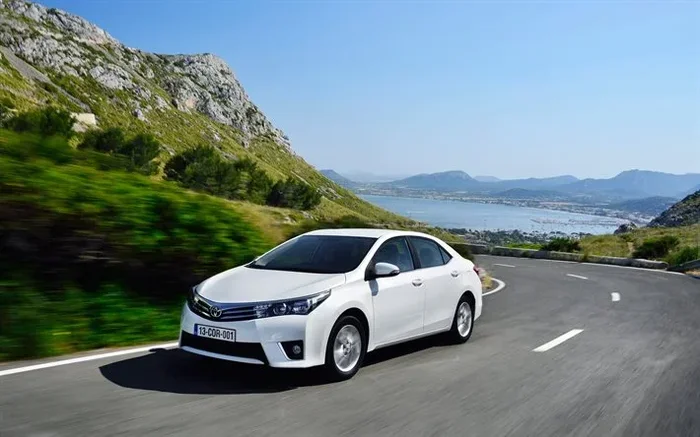
The Toyota Corolla is not just another compact sedan. It is a vehicle that has been refined over decades of engineering. Toyota designed the Corolla with simplicity and durability at its core. Fewer complex parts mean fewer things that can go wrong. This is the secret behind the Corolla’s ability to rack up hundreds of thousands of miles without major issues.
A Proven Track Record
Toyota has sold over 50 million Corollas worldwide. That is not a coincidence. The car consistently ranks at the top of reliability surveys. Owners report driving their Corollas well past the 200,000-mile mark. Some even reach 300,000 miles or more with only routine maintenance. This track record gives the Corolla a reputation that no other compact car can match.
The engineering philosophy behind the Corolla focuses on proven technology rather than flashy features. Toyota uses tried-and-true engines and transmissions that have been tested over millions of miles. This conservative approach to design pays off when you are looking at long-term ownership. The car does not need constant updates or expensive repairs. It just keeps running.
What Makes the Corolla Engine So Durable
The Corolla engine is built with quality materials and precise manufacturing tolerances. Toyota uses robust components that handle daily driving with ease. The engines are designed to run for hundreds of thousands of miles before needing major work. Regular maintenance keeps them running smoothly even longer.
The 1.8-liter and 2.0-liter engines found in modern Corollas are particularly well-regarded. They use simple, proven designs that mechanics can repair easily. Even the hybrid powertrains in newer Corollas add to the longevity story. The electric motor reduces wear on the gasoline engine, which means less stress over time.
Can a Corolla Last 300000 Miles? The Real Answer
Let us address the big question directly. Can a Corolla last 300000 miles? The short answer is yes. The long answer is that it depends on how you treat the vehicle. A Corolla that receives regular maintenance and gentle driving can easily surpass 300,000 miles. A Corolla that is neglected or driven hard may struggle to reach 200,000 miles.
The difference comes down to owner habits. People who follow the maintenance schedule, address small issues quickly, and drive responsibly see their Corollas last for decades. The car is built to handle the miles. But it needs help from its owner to do so.
Factors That Determine Your Corolla’s Lifespan
Several key factors influence whether your Corolla reaches 300,000 miles. Understanding these factors helps you make better decisions as an owner.
- Maintenance consistency: Staying on top of scheduled services is the single biggest factor.
- Driving conditions: Highway driving is easier on a car than stop-and-go city driving.
- Climate: Cold, salty climates cause more rust and corrosion than warm, dry ones.
- Driving habits: Aggressive driving wears out components faster than gentle driving.
- Weight management: Overloading your car puts extra stress on the engine and suspension.
Each of these factors plays a role in your Corolla’s overall health. The good news is that most of them are within your control. You can choose to drive gently, maintain your car regularly, and avoid overloading it. These choices add up to significant mileage gains over time.
The Essential Maintenance Schedule for 300K Miles
Keeping a Corolla running for 300,000 miles requires a disciplined approach to maintenance. You cannot skip services and expect the car to last. The maintenance schedule is your roadmap. Follow it closely, and your Corolla will reward you with years of reliable service.
Oil Changes and Lubrication
Oil changes are the foundation of any high-mileage car care routine. Fresh oil keeps the engine lubricated and prevents excessive wear. For a Corolla aiming for 300,000 miles, you should change the oil every 5,000 to 7,500 miles. Use the grade of oil recommended by Toyota in your owner manual.
Do not skip oil changes, even if the car seems fine. Old oil breaks down over time and loses its protective properties. Clean oil is one of the simplest and most effective ways to extend engine life. Think of it as a small investment that pays massive dividends later.
Transmission Fluid and Other Fluids
Transmission fluid often gets overlooked, but it is critical for longevity. Dirty or low transmission fluid causes premature wear on internal components. For a high-mileage Corolla, consider changing the transmission fluid every 60,000 to 80,000 miles. This simple service can prevent expensive transmission repairs.
Other fluids that need regular attention include coolant, brake fluid, and power steering fluid. Each one plays a specific role in keeping your car running smoothly. Coolant prevents overheating, brake fluid ensures safe stopping power, and power steering fluid keeps the wheels responsive. Check these fluids regularly and top them off as needed.
Timing Belt and Drive Belt Maintenance
The timing belt is one of the most important components to watch. A broken timing belt can destroy an engine. Toyota recommends replacing the timing belt on Corollas every 60,000 to 100,000 miles. Check your owner manual for the exact interval for your model year.
Drive belts, which power accessories like the alternator and water pump, also need periodic inspection. Look for cracks, fraying, or glazing on the belt surface. Replacing a worn belt is cheap compared to the damage a broken belt can cause.
Spark Plugs and Air Filters
Spark plugs ignite the fuel-air mixture in your engine. Worn spark plugs reduce performance and fuel efficiency. Replace them according to Toyota’s recommended schedule, typically every 30,000 to 60,000 miles. Fresh spark plugs keep the engine running smoothly and efficiently.
The air filter prevents dirt and debris from entering the engine. A clogged air filter restricts airflow and reduces performance. Check the air filter every 15,000 miles and replace it when it looks dirty. This is a quick and inexpensive service that makes a real difference.
Driving Habits That Extend Your Corolla’s Life
How you drive has a huge impact on how long your car lasts. Gentle driving reduces wear on every component, from the engine to the brakes. Smart driving habits are one of the easiest ways to help your Corolla reach 300,000 miles.
Warm Up Your Engine Properly
Cold starts are hard on an engine. When you start your Corolla in the morning, give it a minute or two to warm up before driving. This allows the oil to circulate and lubricate all the moving parts. In cold weather, give it a little extra time.
Avoid revving the engine while it is still cold. The oil has not fully reached all the components yet. Let the car idle gently until the temperature gauge moves into the normal range. This simple habit reduces engine wear significantly over hundreds of thousands of miles.
Avoid Aggressive Driving
Hard acceleration and sudden braking wear out your car faster. They put stress on the engine, transmission, brakes, and suspension. Smooth, predictable driving is much easier on all of these components. Accelerate gently and leave plenty of following distance so you can brake gradually.
Highway driving at steady speeds is ideal for a high-mileage Corolla. It lets the engine operate at a consistent, efficient pace. Stop-and-go city driving creates more wear because of constant acceleration and braking. If you drive in the city, try to anticipate traffic flow and avoid unnecessary stops.
Manage Your Load Wisely
Carrying too much weight puts extra strain on your engine, brakes, and suspension. Can I put too much weight in my car? Yes, and doing so regularly can shorten your vehicle’s lifespan. Check your Corolla’s recommended load limit in the owner manual and stay within it.
Remove unnecessary items from your trunk and cabin. Every extra pound adds up over time. If you haul heavy loads occasionally, do it sparingly and avoid it when possible. Your suspension and brakes will thank you for the lighter load.
Common Problems That High-Mileage Corollas Face
Even the most reliable car develops issues as it accumulates miles. Knowing what to watch for helps you address problems before they become serious. Here are the most common issues that affect high-mileage Corollas.
Rust and Corrosion
Rust is the silent killer of high-mileage cars. It starts small and spreads quietly until it compromises structural integrity. If you live in a cold climate where roads are salted, pay extra attention to rust prevention. Wash the underside of your car regularly and apply rust protection treatments.
Check the wheel wells, rocker panels, and frame for any signs of rust. Catching it early makes treatment much easier. A small rust spot today can become a major structural issue tomorrow if left untreated.
Suspension Wear
The suspension system absorbs road impacts and keeps your car stable. Over 300,000 miles, components like shocks, struts, and bushings wear out. Signs of suspension wear include a bumpy ride, pulling to one side, or excessive bouncing after bumps.
Replacing worn suspension parts is important for safety and comfort. Do not ignore these symptoms. Worn suspension components affect handling and braking performance, which can be dangerous at highway speeds.
Electrical Issues
As Corollas age, electrical gremlins can appear. Window regulators, door locks, and sensors may start malfunctioning. These issues are usually minor and inexpensive to fix. However, they can be annoying if ignored.
Address electrical problems promptly. A simple fix today can prevent a more complex issue tomorrow. Corolla owners who stay on top of small electrical issues report far fewer problems as the car ages.
DIY Maintenance Tips for Corolla Owners
You do not need to be a mechanic to keep your Corolla in great shape. Many maintenance tasks are simple enough for any car owner to handle. Doing your own maintenance saves money and gives you a deeper understanding of your vehicle.
Learn Basic Car Diagnostics
Modern cars generate error codes when something goes wrong. You can purchase an affordable OBD-II scanner and read these codes yourself. This helps you understand what your car is trying to tell you before a warning light becomes a serious problem.
Learning to do your own car diagnostics is a valuable skill. It helps you identify issues early and communicate more effectively with mechanics. You will also save money by avoiding unnecessary diagnostic fees at the repair shop.
Simple Tasks You Can Do at Home
Several maintenance tasks are easy to do in your driveway with basic tools. Here are some tasks you can handle yourself:
- Oil changes: Drain the old oil, replace the filter, and refill with fresh oil.
- Air filter replacement: Open the airbox, remove the old filter, and insert a new one.
- Wiper blade replacement: Lift the wiper arm, press the release tab, and slide in the new blade.
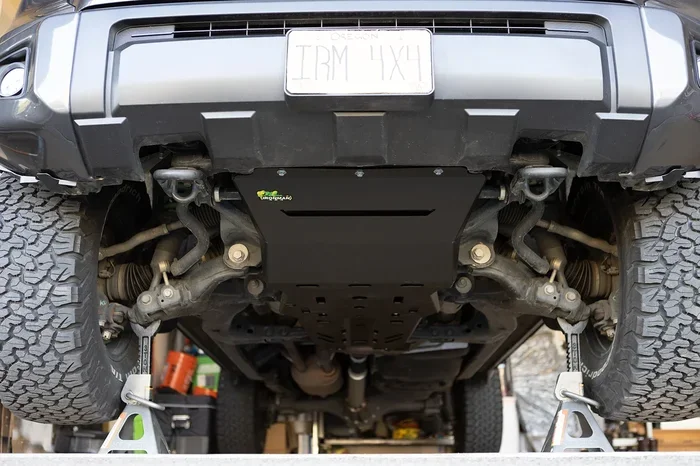
- Splash guard installation: Protect your undercarriage by installing splash guards yourself.
- Tire rotation: Swap tires front to back every 5,000 to 7,500 miles to promote even wear.
These simple tasks keep your Corolla running well between professional services. They also help you notice changes in how the car feels and sounds. That awareness is invaluable for catching problems early.
When to Consider Upgrades for Long-Term Reliability
As your Corolla approaches high mileage, some upgrades can help it last even longer. These are not flashy modifications. They are practical improvements that enhance reliability and performance.
Performance Upgrades That Help Longevity
Consider upgrading to synthetic oil for better engine protection. Synthetic oil handles extreme temperatures better than conventional oil and lasts longer between changes. This is especially beneficial for high-mileage engines that need extra care.
Upgrading your brake pads to ceramic pads can also help. Ceramic pads are gentler on rotors and produce less dust. They last longer than standard pads, which means fewer brake jobs over the life of the car.
Hybrid Corolla: A Longevity Advantage
If you are shopping for a new Corolla, consider the hybrid version. The hybrid system reduces wear on the gasoline engine because the electric motor handles much of the low-speed driving. This means the engine experiences less stress over time.
At what point does a hybrid switch to gas? The hybrid system seamlessly switches between electric and gasoline power based on driving conditions. At low speeds and during light acceleration, the electric motor does most of the work. The gasoline engine kicks in during highway driving or when more power is needed. This balanced workload reduces overall engine wear and contributes to longer engine life.
For owners who want to maximize their Corolla’s lifespan, the hybrid version offers a meaningful advantage. It combines the proven Corolla reliability with modern efficiency technology.
Key Takeaways
- Corollas are built to last: Toyota engineered the Corolla with durability and simplicity in mind, making 300,000 miles achievable with proper care.
- Regular maintenance is non-negotiable: Staying on top of oil changes, fluid flushes, and part replacements prevents costly breakdowns.
- Driving habits matter enormously: Gentle acceleration, avoiding overloading, and warming up your engine all contribute to longevity.
- DIY diagnostics save money: Learning basic car diagnostics helps you catch problems early before they become expensive repairs.
- Hybrid Corollas offer extra longevity: The hybrid system reduces engine wear and can help your Corolla push past 300,000 miles more easily.
- Weight management protects your car: Avoiding excess load reduces stress on your engine, brakes, and suspension components.
Conclusion
Can a Corolla last 300000 miles? The answer is a resounding yes. The Toyota Corolla is one of the most reliable vehicles ever built. With proper care and attention, it can easily reach the 300,000-mile milestone and beyond. The key is consistency. Stay on top of maintenance, drive gently, and address small issues before they become big problems.
Your Corolla is an investment that pays dividends for years. Treat it well, and it will keep running long after other cars have been replaced. Follow the maintenance schedule, adopt smart driving habits, and enjoy the journey. A 300,000-mile Corolla is not just possible. It is a well-earned reward for a dedicated owner.
Start today. Check your maintenance schedule, inspect your fluids, and commit to the habits that make high-mileage ownership a success. Your future self will thank you every time you turn the key and hear that engine start without a hesitation.
Frequently Asked Questions
Is a Corolla really that reliable for high mileage?
Yes, the Toyota Corolla is consistently ranked among the most reliable cars on the market. Its simple, proven engineering and high-quality components allow it to handle high mileage with minimal issues. Many owners report reaching 300,000 miles or more with only routine maintenance.
How often should I change the oil to reach 300,000 miles?
For maximum longevity, change your Corolla’s oil every 5,000 to 7,500 miles. Use the oil grade recommended by Toyota in your owner manual. Consistent oil changes are one of the most important factors in achieving high mileage.
What is the biggest mistake Corolla owners make that shortens their car’s lifespan?
The biggest mistake is neglecting regular maintenance. Skipping oil changes, ignoring warning lights, and delaying repairs all shorten a car’s lifespan. Another common mistake is aggressive driving, which wears out engine and brake components much faster than gentle driving.
Can I do my own car maintenance to help my Corolla last longer?
Absolutely. Many Corolla maintenance tasks are simple enough for any car owner to handle. Oil changes, air filter replacements, and tire rotations can all be done at home with basic tools. Learning basic diagnostics also helps you catch problems early.
Does the hybrid Corolla last longer than the gas-only version?
The hybrid Corolla can potentially last longer because the electric motor reduces wear on the gasoline engine. The hybrid system handles much of the low-speed driving, which means the gas engine experiences less stress. This balanced workload contributes to better long-term reliability.
How can I prevent rust on my high-mileage Corolla?
Wash the underside of your car regularly, especially if you live in a cold climate with salted roads. Apply rust protection treatments and inspect the wheel wells, rocker panels, and frame for any signs of corrosion. Catching rust early makes treatment much easier and more effective.