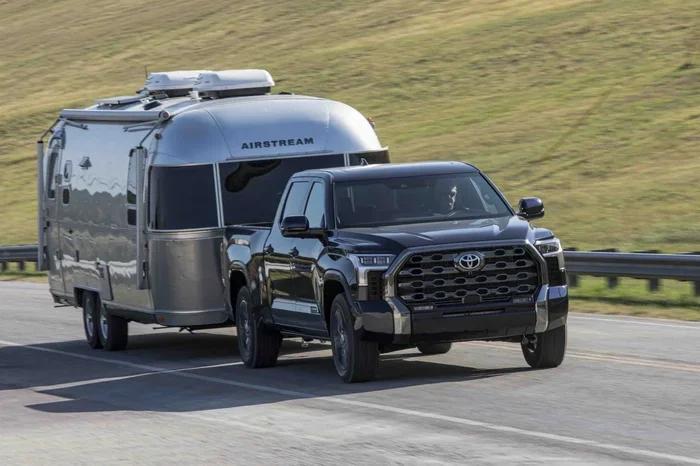
Can a Toyota Tundra Actually Tow a 7000 lb Trailer
Yes, a Toyota Tundra can tow a 7000 lb trailer, but it depends on your model year, trim level, and towing package. Most modern Tundras have the power and stability to handle this weight safely. Understanding your truck’s limits, proper hitch setup, and weight distribution are key to a smooth and safe towing experience.
Have you ever stood in your driveway staring at a 7000 lb trailer, wondering if your Toyota Tundra has what it takes? You are not alone. Many truck owners ask this exact question before hauling a heavy load for the first time. The good news is that the Tundra is one of the most capable full-size trucks on the road. But the answer is not always a simple yes. Your specific model, trim level, and setup all play a role in whether towing a 7000 lb trailer is safe and practical.
In this guide, we will break down everything you need to know. We will look at towing specs across different Tundra generations. We will explore what affects towing performance and how to set up your truck the right way. By the end, you will know exactly whether your Tundra can handle the job. Let us dive in.
Key Takeaways
- Towing Capacity Varies by Trim: Different Tundra trims offer different towing ratings, so always check your specific model.
- The Right Towing Package Matters: Equipping your Tundra with the proper towing package makes a big difference in performance and safety.
- Weight Distribution Is Critical: Proper hitch setup and tongue weight help maintain towing stability on the road.
- Safety Features Are Non-Negotiable: A trailer brake controller and proper lighting are essential for safe towing.
- Know Your Limits: Exceeding towing capacity can damage your truck and create dangerous driving conditions.
📑 Table of Contents
Understanding the Toyota Tundra Towing Capacity
The Toyota Tundra has been a workhorse since it first hit the market in 2000. Over the years, Toyota has steadily improved its towing capacity. Today, the Tundra ranks among the best in its class for truck towing. But not every Tundra model is created equal. Your specific year and trim will determine your exact towing rating.
Towing Specs by Generation
The first-generation Tundra (2000-2006) came with solid towing ability. Most models could tow between 6500 and 8600 lbs depending on the engine and configuration. The second generation (2007-2021) saw significant upgrades. Toyota introduced stronger frames and more powerful engines. By the 2020 model year, some Tundras could tow over 10,000 lbs with the right setup.
The current generation Tundra (2022 and newer) takes things even further. Toyota switched to a twin-turbo V6 engine that delivers serious torque. This new powertrain makes Tundra towing smoother and more efficient. The towing capacity now ranges from around 6400 lbs up to over 12,000 lbs in certain configurations. So yes, towing a 7000 lb trailer falls well within the range for most Tundra models.
Which Trims Can Handle 7000 lbs?
Here is the thing about Tundra trims: not every trim comes with the same towing hardware. The base SR model can handle 7000 lbs in most years. The SR5, Limited, and Platinum trims all offer strong towing ratings as well. The top-tier 1794 Edition and TRD Pro models come with enhanced towing packages that make hauling even easier.
If you own an older Tundra, it is worth checking your owner’s manual. Some earlier models may need a towing package upgrade to safely pull 7000 lbs. The table below gives you a general idea of what to expect across recent model years.
| Model Year | Engine | Max Towing Capacity | Can Tow 7000 lbs? |
|---|---|---|---|
| 2000-2006 | 4.7L V8 | 6,500 – 8,600 lbs | Yes (with proper setup) |
| 2007-2021 | 5.7L V8 | 10,200 – 10,500 lbs | Yes |
| 2022+ | 3.4L Twin-Turbo V6 | 6,400 – 12,000+ lbs | Yes |
What Affects Towing Performance
Towing capacity is not just about the numbers on a spec sheet. Several real-world factors affect how your Tundra handles a heavy trailer. Understanding these factors helps you tow safely and confidently.
Gross Vehicle Weight Rating (GVWR)
Your Tundra’s gross vehicle weight rating is the maximum total weight it can carry, including passengers, cargo, and the trailer tongue weight. When you add a 7000 lb trailer, you need to account for the tongue weight. This is typically 10-15 percent of the trailer weight, which means 700 to 1050 lbs pushing down on the hitch. That weight counts against your truck’s payload capacity.
If your Tundra is already carrying heavy cargo or passengers, you may be closer to your limit than you think. Always add up the total weight before you hit the road. This is where knowing your payload capacity becomes essential.
Hitch and Towing Equipment
The right towing hitch makes all the difference. A Class IV hitch is the standard for heavy towing. It provides the strongest connection between your truck and trailer. You should also consider a weight distribution hitch. This system spreads the trailer weight more evenly across all four axles. It helps with towing stability and prevents the rear of your truck from sagging.
Do not forget about the wiring harness. Your trailer needs proper lighting, brake signals, and turn signals. A clean plug-and-play wiring setup keeps you legal on the road and safe in traffic.
Engine and Transmission Cooling
Hauling a heavy load puts extra stress on your engine and transmission. The Tundra’s cooling systems are designed to handle towing, but they work harder under load. If you plan on towing frequently or in hot weather, consider adding an auxiliary transmission cooler. This simple upgrade can extend the life of your drivetrain and keep your towing specs in the safe zone.
Also, keep an eye on your engine temperature gauge during long climbs. If the needle starts climbing, pull over and let things cool down. Ignoring warning signs can lead to expensive repairs.
How to Safely Tow a 7000 lb Trailer
Now that you know your Tundra can handle the weight, let us talk about how to do it safely. Towing a heavy trailer is a skill. Even experienced drivers need to follow proper procedures every time.
Step-by-Step Setup
- Install the hitch securely. Follow the manufacturer’s instructions exactly. Make sure all bolts are torqued to specification.
- Connect the wiring harness. Test all trailer lights before you leave. Walk around the trailer and check brake lights, turn signals, and running lights.
- Set the trailer brake controller. Most modern Tundras come with a built-in brake controller. Adjust it according to the trailer manufacturer’s recommendations.
- Check your tire pressure. Both the truck tires and trailer tires need proper inflation. Underinflated tires are a leading cause of towing accidents.
- Distribute the load evenly. Place heavier items toward the front of the trailer, over the axle. This prevents sway and improves towing stability.
The Importance of a Trailer Brake Controller
A trailer brake controller is one of the most important pieces of towing equipment. Without it, your truck’s brakes alone cannot stop a 7000 lb trailer safely. The brake controller applies the trailer brakes in proportion to the truck’s braking force. This gives you much shorter stopping distances and better control.
Most Toyota Tundras from 2007 onward come with a brake controller pre-installed. If your older model does not have one, aftermarket options are affordable and easy to install. Some drivers even do their own car diagnostics to make sure the brake controller is functioning properly before each trip. A quick check can save you from a dangerous situation on the highway.
Driving Tips for Towing Heavy Loads
Driving with a trailer changes how your truck handles. The added weight affects braking, acceleration, and turning. Here are some practical tips to keep in mind:
- Increase your following distance. A loaded trailer takes longer to stop. Give yourself extra room between you and the vehicle ahead.
- Use lower gears on hills. Downshift before descending a steep grade. This reduces the need for heavy braking and prevents brake fade.
- Take turns wider. The trailer has a shorter turning radius than your truck. Wide turns prevent the trailer from clipping curbs or other vehicles.
- Watch for wind gusts. A large trailer acts like a sail. Crosswinds can push your trailer sideways if you are not careful.
- Check your mirrors frequently. Make sure the trailer is tracking straight and not swaying.
Common Mistakes to Avoid When Towing
Even the most capable truck can run into trouble when towing mistakes are made. Avoiding these common errors keeps you and your load safe.
Overloading Beyond Towing Limits
One of the biggest mistakes drivers make is exceeding their towing limits. Just because your Tundra can technically tow 7000 lbs does not mean you should push it to the absolute maximum. There is a big difference between towing capacity on paper and safe towing in real conditions. Factors like altitude, temperature, road conditions, and wind all affect how your truck performs.
If you are unsure whether your truck is overloaded, you can always check your vehicle’s gross vehicle weight rating on the door jamb sticker. Staying well below the maximum limit gives you a safety margin for unexpected situations.
Ignoring Tongue Weight
Tongue weight is the downward force the trailer puts on the hitch. Too little tongue weight causes trailer sway. Too much tongue weight pushes the rear of your truck down and reduces front-wheel traction. The ideal tongue weight is about 10 to 15 percent of the total trailer weight. For a 7000 lb trailer, that means 700 to 1050 lbs on the hitch.
Use a tongue weight scale to check this before every trip. It is a small investment that pays off in safety and towing stability.
Skipping Regular Maintenance
Towing puts extra wear on your truck. Skipping regular maintenance is a shortcut that can lead to big problems. Check your oil, transmission fluid, brakes, and tires more frequently when you tow regularly. A quick car diagnostic check before a long trip can catch small issues before they become costly repairs.
Also, inspect your hitch and wiring connections before every trip. Loose connections and worn hardware are easy to overlook but can cause serious problems on the road.
Expert Insights on Tundra Towing
Toyota designed the Tundra to be a workhorse, and it shows in the real world. Many owners regularly tow trailers in the 6000 to 8000 lb range without any issues. The key is proper setup and respect for the equipment’s limits.
According to towing experts, the Tundra’s body-on-frame construction gives it an advantage over lighter trucks. The frame is strong and rigid, which translates to better towing stability under load. The available locking rear differential also helps with traction, especially on slippery surfaces.
If you are planning a long towing trip, consider investing in a quality towing package if your Tundra does not already have one. These packages often include upgraded cooling, a wiring harness, a trailer brake controller, and a weight distribution hitch. The added convenience and safety are well worth the investment.
Remember that towing safety is not just about your truck. It is also about the trailer and the load inside it. A poorly maintained trailer or an improperly loaded cargo can create dangerous situations regardless of how capable your truck is.
Quick Tips for First-Time Tundra Towers
- Read your owner’s manual. It contains specific towing guidelines for your exact model year and trim.
- Practice in an empty parking lot. Get a feel for how your truck handles with a trailer before hitting the highway.
- Do a pre-trip inspection every time. Check tires, lights, hitch connections, and fluid levels before each trip.
- Pack smart. Secure all cargo and distribute weight evenly to prevent sway.
- Know your route. Plan for steep grades, sharp turns, and areas with low bridges or weight restrictions.
Conclusion
The Toyota Tundra is more than capable of towing a 7000 lb trailer when set up correctly. Whether you have a newer twin-turbo model or a proven 5.7L V8 from earlier years, your Tundra has the muscle for the job. The key is understanding your specific truck’s towing capacity, equipping it with the right hardware, and following safe towing practices.
Always check your owner’s manual for your exact model’s towing rating. Invest in quality towing equipment like a Class IV hitch, weight distribution system, and trailer brake controller. Take the time to load your trailer properly and inspect everything before each trip. These steps might seem like extra work, but they are what separate a smooth, safe tow from a stressful and potentially dangerous one.
With the right preparation and respect for the equipment, your Tundra and your 7000 lb trailer will get along just fine. Happy towing, and drive safely out there.
Frequently Asked Questions
Can any Toyota Tundra tow a 7000 lb trailer?
Most Tundra models from 2000 onward can tow a 7000 lb trailer, but the exact capacity depends on your trim, engine, and towing package. Always check your owner’s manual for the specific rating of your model year.
Do I need a special hitch to tow 7000 lbs?
Yes, a Class IV hitch is recommended for towing loads in this range. A weight distribution hitch is also highly beneficial for maintaining towing stability and preventing rear sag on your Tundra.
Is a trailer brake controller necessary for a 7000 lb trailer?
Absolutely. A trailer brake controller is essential for safely stopping a 7000 lb load. Your truck’s brakes alone are not designed to handle that much weight. The brake controller applies the trailer brakes in proportion to your truck’s braking force.
What happens if I exceed my Tundra’s towing capacity?
Exceeding towing limits puts extreme stress on your engine, transmission, brakes, and frame. It can lead to overheating, brake failure, and loss of control. Staying within your rated capacity is critical for safety and vehicle longevity.
How do I check my Tundra’s current towing rating?
Look for the towing capacity label on your driver’s side door jamb or consult your owner’s manual. You can also check the specific rating for your VIN through your local Toyota dealership or online Tundra towing guides.
Can I improve my Tundra’s towing performance with aftermarket parts?
Yes, upgrading your cooling system, adding a transmission cooler, and installing a quality weight distribution hitch can all improve towing performance and safety. Just make sure any aftermarket parts are compatible with your specific Tundra model.
=== CAN I PUT TOO MUCH WEIGHT IN MY CAR? ===
If you are concerned about weight limits for your vehicle, check out our guide on Can I Put Too Much Weight In My Car to learn more about safe loading practices.
=== 000 LBS HEAVY FOR A CAR? ===
Understanding weight limits is crucial for any vehicle. Our article on 000 Lbs Heavy For A Car explains what happens when vehicles are pushed beyond their weight thresholds.
=== CAN I DO MY OWN CAR DIAGNOSTICS? ===
Before a long towing trip, consider running a quick check on your truck. Learn more in our guide on Can I Do My Own Car Diagnostics to make sure everything is in top shape.