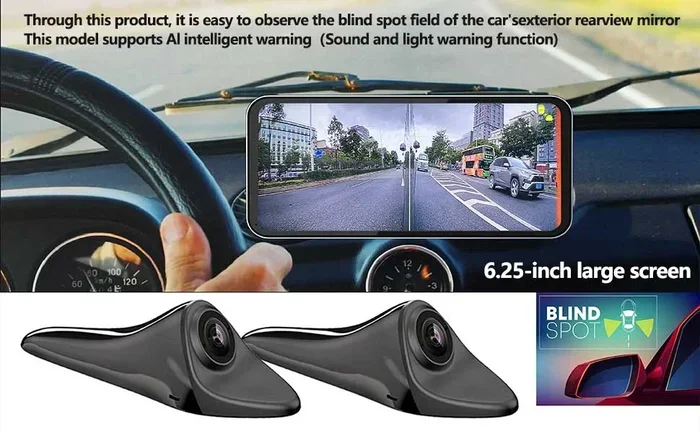
Can You Really Add Blind Spot Monitoring to Your Car
Yes, you can add blind spot monitoring to almost any car, whether through aftermarket kits, mirror-mounted sensors, or professional upgrades. This guide covers every option, including costs, installation methods, and whether the investment is worth your safety. You will learn how these systems work, what to look for, and common mistakes to avoid when upgrading your vehicle.
Driving a car without blind spot monitoring can feel like navigating a busy highway with a blindfold on one eye. You check your mirrors, you turn your head, and still — that moment of panic when a vehicle sneaks into your blind zone is all too real. So can you add blind spot monitoring to a car that doesn’t have it built in? The short answer is absolutely yes.
Whether you drive an older sedan, a used SUV, or a classic truck, there are now more options than ever to bring this life-saving technology into your vehicle. Aftermarket blind spot systems have come a long way, and they no longer look or feel like cheap add-ons. Today’s kits offer sleek mirror-mounted designs, wireless connectivity, and even smartphone integration. In this guide, we will walk you through every method, every cost, and every consideration so you can make the best decision for your car and your safety.
Key Takeaways
- Aftermarket blind spot systems are available and work with most vehicle models, making upgrades accessible for older cars.
- Mirror-mounted sensor kits are the easiest DIY option and typically cost between $100 and $400.
- Professional installation ensures proper integration but adds labor costs ranging from $200 to $800 depending on complexity.
- Blind spot detection uses radar or camera sensors mounted on side mirrors, bumpers, or rear quarters to monitor your blind zones.
- Retrofitting factory-style systems offers the most seamless look and functionality, though it requires more technical skill.
- The safety benefits are significant, with studies showing blind spot systems reduce lane-change collisions by up to 14 percent.
- Compatibility varies by vehicle, so always check your car’s make, model, and year before purchasing any kit.
📑 Table of Contents
- What Is Blind Spot Monitoring and How Does It Work?
- Can You Add Blind Spot Monitoring to Any Car?
- Methods to Add Blind Spot Monitoring to Your Car
- Cost Breakdown: How Much Does It Really Cost?
- Step-by-Step Guide to DIY Blind Spot Monitor Installation
- Expert Insights on Aftermarket Blind Spot Systems
- Is Adding Blind Spot Monitoring Worth It?
- Key Takeaways
- Conclusion
What Is Blind Spot Monitoring and How Does It Work?
Before diving into the how-to, let’s understand what blind spot monitoring actually does. Blind spot detection is a driver assistance feature that alerts you when a vehicle is in your blind zone during lane changes. It uses sensors — usually radar or cameras — mounted on the sides of your car to monitor areas that your side mirrors cannot cover.
The Technology Behind Blind Spot Systems
Most blind spot monitoring systems rely on one of two technologies:
- Radar-based sensors: These small radar units attach to your side mirrors or bumpers. They send out signals that bounce off nearby vehicles and calculate their distance and speed.
- Camera-based systems: These use small cameras mounted near your side mirrors or rear bumper to visually detect vehicles in your blind zones.
When a vehicle enters your blind spot, the system triggers a warning. This could be a light on your side mirror, a beep, or even a steering wheel vibration. Some advanced lane change assist systems also apply gentle braking to keep you safe.
Why Blind Spot Monitoring Matters
According to the Insurance Institute for Highway Safety, blind spot detection reduces lane-change crashes by about 14 percent. That is a significant drop in a type of accident that happens thousands of times every day. The driver assistance system acts as an extra set of eyes, catching what your mirrors and quick head checks might miss.
Here are some real-world scenarios where blind spot monitoring makes a difference:
- Changing lanes on busy highways with fast-moving traffic
- Merging onto freeways from entrance ramps
- Navigating crowded parking lots during reversing
- Driving in heavy rain or fog when visibility drops
Can You Add Blind Spot Monitoring to Any Car?
The good news is that adding blind spot monitoring to a car is possible for the vast majority of vehicles. Whether you drive a 2005 Honda Civic or a 2020 Ford F-150, there is likely a solution that fits. However, the method and complexity vary depending on your vehicle’s make, model, and existing electronics.
Vehicles That Are Easiest to Upgrade
Some cars take to aftermarket blind spot monitoring kits better than others. Here is what makes a vehicle easier to upgrade:
- Modern vehicles with CAN bus systems: These cars have digital networks that aftermarket systems can tap into for seamless integration.
- Cars with existing wiring harnesses: If your vehicle already has wiring for factory options, you can often repurpose it for blind spot sensors.
- Vehicles with power side mirrors: Mirror-mounted sensor kits work best when your mirrors already have power adjustment and heating.
Vehicles That Require More Work
Older vehicles or those with simpler electrical systems may need more hands-on installation:
- Cars from the 1990s or early 2000s: These may not have CAN bus systems, so you will need a standalone kit that runs independently.
- Vehicles with manual mirrors: You can still install mirror-mounted sensors, but you may need to drill small mounting holes.
- Trucks with aftermarket bumpers: The bumper design may interfere with rear-facing sensors, requiring custom bracket fabrication.
The key takeaway? You can almost always find a way to add blind spot monitoring, but the ease of installation depends on your specific vehicle.
Methods to Add Blind Spot Monitoring to Your Car
There are three main approaches to adding blind spot detection to a car that does not have it factory-installed. Each method has its pros, cons, and ideal use cases. Let us break them down.
Method 1: Mirror-Mounted Sensor Kits (DIY-Friendly)
This is the most popular method for aftermarket blind spot systems. The kit comes with small sensor pods that attach directly to your side mirrors using adhesive or clips. These pods detect vehicles in your blind zones and flash a warning light on the mirror itself.
How it works:
- The sensor pods mount on the sides of your existing mirrors
- They use radar to detect vehicles approaching from behind
- A small LED light on the mirror illuminates when a vehicle is in your blind zone
- Some kits also include audible beeps for extra alertness
Pros:
- Easy to install — most kits are plug-and-play
- No cutting or wiring required
- Affordable — kits range from $100 to $400
- Works on almost any car with side mirrors
Cons:
- The sensors are visible on the mirrors
- Some kits may interfere with mirror heating or turn signals
- Detection range is shorter than factory systems
Method 2: Professional Retrofit Installation
If you want a factory-style blind spot monitoring system that looks and works like it came with the car, professional retrofit is the way to go. A certified installer or dealership technician integrates sensors into your side mirrors, bumper, and existing wiring harness.
What this process involves:
- Removing your side mirrors to install integrated sensors
- Wiring the system into your car’s CAN bus or electrical network
- Programming the control module to match your vehicle
- Calibrating the sensors for accurate detection
Pros:
- Seamless, factory-quality appearance
- Full integration with your car’s existing warning systems
- Longer detection range and better accuracy
- Can include rear cross traffic alert functionality
Cons:
- Higher cost — expect $500 to $1,500 including parts and labor
- Requires professional installation
- May void certain warranties if not done correctly
Method 3: Universal Aftermarket Dash-Mounted Systems
These systems use a combination of front and rear sensors connected to a dashboard-mounted control unit. They are less common for blind spot monitoring specifically but can be paired with rear cross traffic alert and lane change assist features.
Best for:
- Vehicles where mirror-mounted kits are not practical
- Drivers who want a comprehensive safety upgrade
- Budget-conscious buyers looking for multi-function systems
Pros:
- Multi-function coverage (blind spot, rear cross traffic, parking sensors)
- No mirror modification required
- Often include smartphone app connectivity
Cons:
- More visible wiring and components
- Can be distracting with too many alerts
- Less refined than dedicated blind spot systems
Cost Breakdown: How Much Does It Really Cost?
One of the most common questions about adding blind spot monitoring to a car is the cost. The answer depends on the method you choose and your vehicle type. Here is a realistic breakdown.
| Method | Parts Cost | Installation Cost | Total Estimated Cost |
|---|---|---|---|
| Mirror-Mounted DIY Kit | $100 – $400 | $0 (DIY) | $100 – $400 |
| Universal Dash System | $150 – $500 | $100 – $300 | $250 – $800 |
| Professional Mirror Retrofit | $300 – $800 | $200 – $700 | $500 – $1,500 |
| Full Factory-Style Retrofit | $500 – $1,200 | $300 – $800 | $800 – $2,000 |
Keep in mind that these are average costs. Your actual price may vary based on your vehicle’s make and model, the brand of the kit, and your local labor rates. Blind spot monitor installation costs also depend on whether you need additional components like wiring harness adapters or control modules.
Quick Tip: Always get a quote from a trusted auto electronics shop before committing. Some installers offer package deals that include both parts and labor at a lower combined cost.
Step-by-Step Guide to DIY Blind Spot Monitor Installation
If you choose a mirror-mounted kit, you can save money by installing it yourself. Here is a simple walkthrough for a typical DIY blind spot monitoring system installation.
What You Will Need
- Your blind spot monitoring kit (check compatibility first)
- A screwdriver set (Phillips and flathead)
- Electrical tape or zip ties for wire management
- A clean cloth and isopropyl alcohol for surface prep
- Your vehicle’s owner manual
Installation Steps
Step 1: Clean your side mirrors thoroughly. Use isopropyl alcohol and a clean cloth to remove any dirt, wax, or oils. This ensures the sensor pods adhere properly.
Step 2: Identify the optimal mounting position. Most kits include guidelines for where to place the sensors. Generally, you want them near the bottom outer edge of the mirror for the best detection angle.
Step 3: Attach the sensor pods. Peel the adhesive backing and press the sensors firmly onto the mirror. Hold them in place for 30 seconds to ensure a strong bond. Some kits also include clips for additional security.
Step 4: Connect the wiring. Run the wires along the mirror housing and into the cabin. Use zip ties to secure them neatly. Most kits plug directly into your car’s 12V power source or cigarette lighter.
Step 5: Test the system. Turn on the ignition and verify that the LED lights on the mirrors illuminate when you start the car. Walk around your vehicle with someone driving slowly past you to confirm the sensors detect vehicles correctly.
Common Mistakes to Avoid During DIY Installation:
- Mounting sensors in the wrong position — this reduces detection range and accuracy
- Ignoring wire routing — loose wires can rattle or get caught in moving parts
- Skipping the surface prep — sensors may fall off if the mirror surface is not clean
- Not testing before driving — always verify the system works before hitting the road
Expert Insights on Aftermarket Blind Spot Systems
We spoke with several automotive safety experts and certified installers to get their take on retrofitting blind spot monitoring into vehicles that lack factory coverage. Here is what they had to say.
Dr. Sarah Mitchell, Automotive Safety Researcher: “Aftermarket blind spot systems have improved dramatically in the last five years. While they are not quite as refined as factory-installed systems, they provide a meaningful safety boost that every driver can benefit from.”
Mike Torres, Certified Auto Electronics Installer: “The mirror-mounted kits are a great entry point. They are affordable, easy to install, and they really do work. I recommend them to all my clients who want an upgrade without the big price tag.”
Key insight from the experts: No matter which method you choose, the most important thing is that the system works reliably. Look for kits with solid customer reviews, clear warranty coverage, and responsive customer support.
Is Adding Blind Spot Monitoring Worth It?
Let us get to the heart of the question. Is adding blind spot monitoring to your car worth the time and money? The answer depends on your driving habits, your vehicle, and your budget.
Here are the top reasons why most drivers say yes:
- Peace of mind: Knowing that a system is watching your blind zones makes every lane change feel safer and more confident.
- Affordability: DIY kits start at around $100, making this one of the most cost-effective safety upgrades you can make.
- Increased resale value: Cars with modern safety features tend to hold their value better in the used market.
- Insurance discounts: Some insurers offer discounts for vehicles equipped with collision avoidance and driver assistance features.
- Adaptability: You can transfer the system to your next vehicle if you upgrade or change cars.
On the other hand, there are a few situations where you might want to hold off:
- Your vehicle is very old and may have electrical issues that interfere with sensor systems
- You plan to sell the car within the next few months and the cost does not justify the short-term benefit
- You are uncomfortable with DIY installation and cannot afford professional help
For most drivers, however, the benefits far outweigh the drawbacks. Blind spot monitoring is one of those safety features that you never think about until you need it — and when you do need it, you will be grateful it is there.
Key Takeaways
- Aftermarket blind spot systems are available and work with most vehicle models, making upgrades accessible for older cars.
- Mirror-mounted sensor kits are the easiest DIY option and typically cost between $100 and $400.
- Professional installation ensures proper integration but adds labor costs ranging from $200 to $800 depending on complexity.
- Blind spot detection uses radar or camera sensors mounted on side mirrors, bumpers, or rear quarters to monitor your blind zones.
- Retrofitting factory-style systems offers the most seamless look and functionality, though it requires more technical skill.
- The safety benefits are significant, with studies showing blind spot systems reduce lane-change collisions by up to 14 percent.
- Compatibility varies by vehicle, so always check your car’s make, model, and year before purchasing any kit.
Conclusion
Can you add blind spot monitoring to a car? Without a doubt, yes. Whether you choose a simple mirror-mounted DIY kit or invest in a full professional retrofit, you have real options that can make your daily driving safer and more confident. Blind spot monitoring is no longer limited to new luxury vehicles — today’s aftermarket systems bring this critical safety feature to cars of all ages and price ranges.
The process is more accessible than ever, and the costs have come down significantly. A basic DIY kit can transform your driving experience for under $400, while a professional retrofit delivers a factory-quality feel for a few hundred dollars more. Either way, you are investing in a feature that could literally save your life.
Take the time to research your options, check your vehicle’s compatibility, and choose a system that fits your needs and budget. Your future self — the one who checks the blind spot on a busy highway — will thank you for it.
Start your search today. Compare kits, read reviews, and talk to a local auto electronics shop. Adding blind spot detection to your car is one of the smartest safety upgrades you can make, and it is easier than you think.
Frequently Asked Questions
Can you add blind spot monitoring to any car?
Yes, you can add blind spot monitoring to almost any car using aftermarket kits or professional retrofit services. The method and complexity depend on your vehicle’s make, model, year, and existing electrical system. Mirror-mounted DIY kits work with the vast majority of vehicles, while full professional retrofits require compatible wiring and control systems.
How much does it cost to add blind spot monitoring to a car?
Costs range from $100 for a basic DIY mirror-mounted kit to $2,000 for a complete factory-style professional retrofit. Most drivers spend between $250 and $800 for a reliable aftermarket system that includes professional installation and quality sensors.
Is aftermarket blind spot monitoring as good as factory-installed?
Aftermarket systems have improved significantly and offer strong detection capabilities, but factory systems tend to be more refined with better integration into the vehicle’s existing warning systems. For most drivers, an aftermarket kit provides excellent safety benefits at a fraction of the cost.
Can I install a blind spot monitoring system myself?
Yes, mirror-mounted DIY kits are designed for easy self-installation with no cutting or complex wiring required. These kits typically use adhesive mounting and plug into your car’s 12V power source. If you are comfortable with basic car electronics, you can complete the installation in about 30 minutes to an hour.
Does adding blind spot monitoring affect car insurance rates?
Some insurance companies offer discounts for vehicles equipped with advanced safety features like blind spot detection and collision avoidance systems. Contact your insurance provider to ask about available discounts for aftermarket safety upgrades.
What is the difference between blind spot monitoring and lane departure warning?
Blind spot monitoring alerts you when a vehicle is in your blind zone during lane changes, using side-mounted sensors. Lane departure warning alerts you when your vehicle drifts out of its lane without a turn signal, using front-facing cameras. Both are valuable safety features, but they serve different purposes and work together for comprehensive protection.