Can You Override Lane Keep Assist And Why It Matters
Yes, you can override lane keep assist in most vehicles. This driver assistance feature is designed to help, not replace, your control behind the wheel. Understanding how to override lane keep assist can improve your confidence, safety, and overall driving experience on highways and curved roads.
Every modern car comes packed with tech designed to make driving safer. Among the most talked-about features is lane keep assist. But here is the question that keeps coming up in forums, dealerships, and driver’s ed classes: can you override lane keep assist?
The short answer is yes. The longer answer is more interesting. Lane keep assist is a driver assistance system that helps keep your car centered in its lane. It uses cameras, sensors, and software to monitor road markings and make small steering adjustments. But it was never meant to replace the driver. In fact, overriding lane keep assist is a normal and sometimes necessary part of using these systems safely.
Whether you drive a Toyota, Tesla, Ford, or BMW, understanding how to work with and around this feature matters. It affects your daily commute, your long road trips, and even your insurance rates. Let us break down everything you need to know about overriding lane keep assist and why it is more important than you might think.
Key Takeaways
- Override is possible: Most vehicles allow you to override lane keep assist by applying slight steering pressure or turning the system off.
- Safety first: Overriding should be intentional and controlled, not a workaround for driver inattention.
- System variations exist: Different car brands handle lane keep assist override differently, so know your vehicle.
- Driver monitoring matters: Modern cars use sensors to detect whether you are actively engaged with the road.
- Know when to use it: Override features are helpful in specific situations like construction zones or icy roads.
- Future trends are evolving: Autonomous driving technology is changing how lane assist systems work and how drivers interact with them.
📑 Table of Contents
- What Is Lane Keep Assist and How Does It Work?
- Can You Override Lane Keep Assist?
- Why Overriding Lane Keep Assist Matters for Safety
- How Different Brands Handle Lane Keep Assist Override
- Common Mistakes When Overriding Lane Keep Assist
- Quick Tips for Using Lane Keep Assist Effectively
- Expert Insights on Lane Keep Assist Override
- Key Takeaways
- Conclusion
What Is Lane Keep Assist and How Does It Work?
Before we dive into overrides, let us understand the system itself. Lane keep assist, sometimes called lane centering or lane departure warning, is part of the broader advanced driver assistance system family. It works alongside features like adaptive cruise control and blind spot monitoring to create a safer driving environment.
The Technology Behind Lane Keep Assist
Most systems use a front-facing camera mounted near the rearview mirror. This camera reads road lane markings in real time. When the system detects the car drifting toward a lane line without a turn signal activated, it steps in. Here is what happens next:
- Warning phase: The system alerts you through steering wheel vibration, audible beeps, or visual prompts on the dashboard.
- Correction phase: If you do not respond, the system applies subtle steering input to guide the car back to the center of the lane.
- Escalation phase: In some vehicles, the system may slow the car down or engage road departure mitigation to prevent a collision.
The whole process happens in milliseconds. But here is the key point: lane keep assist is a helper, not a pilot. It requires an attentive driver at all times.
Which Vehicles Offer Lane Keep Assist?
Almost every new car on the market now includes some form of lane keep assist. Here are a few examples:
- Toyota Safety Sense: Standard on most Toyota models, includes lane departure alert and steering assist.
- Tesla Autopilot: Offers lane centering as part of its full self-driving package.
- Ford Co-Pilot360: Includes lane-keeping system with adjustable sensitivity.
- BMW Driving Assistance Professional: Provides hands-on highway driving with lane centering.
- GM Super Cruise: Allows hands-free driving on mapped highways with driver monitoring.
Each system has its own way of handling overrides, which brings us to the next section.
Can You Override Lane Keep Assist?
Can you override lane keep assist? Absolutely. In nearly every vehicle equipped with this feature, the driver retains full control. The system is designed to be overridden at any time. Let us look at the different ways this works in practice.
Steering Input Override
The most common way to override lane keep assist is through direct steering input. When you turn the steering wheel, the system detects your intentional input and backs off. This is by design. Automakers built these systems to respond to the driver, not fight against them.
Here is how it typically works:
- You apply light pressure to the steering wheel.
- The steering wheel sensors detect your input.
- The lane keep assist system reduces or pauses its corrections.
- You take full control of the vehicle’s direction.
This is a seamless process. You do not need to press any buttons or toggle any switches. Simply steering is enough to override the system in most cars.
System Disable Override
Every vehicle with lane keep assist also allows you to turn the system off completely. The method varies by manufacturer:
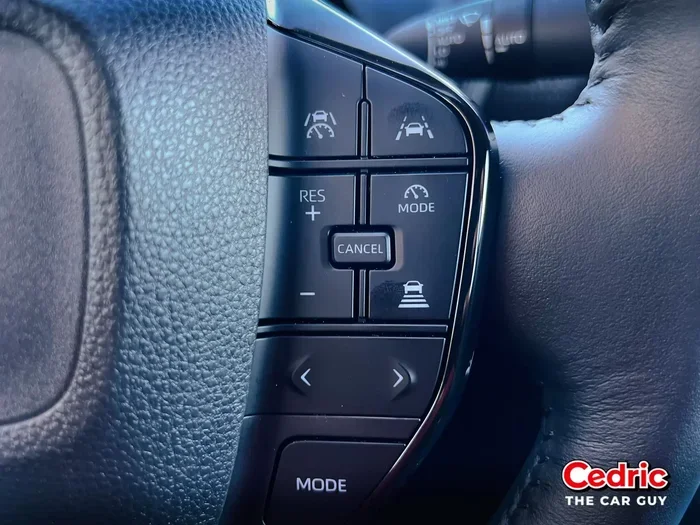
- Button on the steering wheel: Many cars have a dedicated button labeled “Lane Keep Assist” or “LKA” that toggles the system on and off.
- Infotainment settings: Some vehicles let you disable the feature through the dashboard screen under driver assistance settings.
- Startup default: A few cars remember your last setting. Others default to “on” every time you start the engine.
Disabling the system entirely is the most absolute form of override. But it also means you lose all lane departure warnings and corrections until you turn it back on.
Temporary Override During Specific Driving Conditions
There are situations where overriding lane keep assist happens naturally and frequently:
- Construction zones: Lane markings change or disappear. The system may give false alerts or incorrect corrections. You need to take over.
- Snow or ice: Lane markings get covered by snow. The camera cannot read them, so the system may become confused or inactive.
- Wet roads: Water on the road can obscure lane lines, triggering the system to behave unpredictably.
- Narrow or winding roads: Tight curves can overwhelm the system, requiring you to steer more actively.
- Emergency maneuvers: If you need to swerve quickly, the system will not interfere with your evasive action.
In all these cases, overriding lane keep assist is not just allowed, it is expected. The system is smart enough to know when it cannot help and will hand control back to you.
Why Overriding Lane Keep Assist Matters for Safety
You might wonder why we even need to talk about overriding a safety feature. The answer comes down to trust, awareness, and responsibility. Lane keep assist is a tool, and like any tool, it works best when the user understands its limits.
The False Sense of Security Problem
One of the biggest risks with driver assistance systems is overreliance. When a car steers itself on the highway, it is easy to become complacent. Drivers may start looking at their phones, adjusting the radio, or daydreaming. This is dangerous.
Research from the Insurance Institute for Highway Safety shows that drivers who trust automation too much respond more slowly to emergencies. Overriding lane keep assist intentionally keeps you engaged. It reminds you that you are the driver, not the passenger.
When You Should Override
There are clear moments when you should take control and override the system:
- You feel tired: Driver fatigue is a leading cause of accidents. If you are drowsy, do not rely on lane centering to keep you safe. Pull over and rest.
- The road is unclear: Faded markings, missing signs, or confusing intersections require human judgment.
- Weather is poor: Heavy rain, fog, or snow can confuse the camera sensors that power lane keep assist.
- You need to make a quick exit: If you miss your turn or need to change lanes unexpectedly, override the system and drive manually.
- Emergency vehicles are nearby: The system may not react to emergency vehicles or unusual traffic patterns the way you would.
The Role of Driver Monitoring Systems
Many newer vehicles now include driver monitoring systems. These use cameras inside the cabin to track your head position, eye movement, and hand placement on the wheel. If the system detects that you are not paying attention, it will issue warnings and may even disable lane keep assist until you re-engage.
This technology is a game-changer. It ensures that overriding lane keep assist happens for the right reasons, not as a way to disengage from driving entirely.
How Different Brands Handle Lane Keep Assist Override
Not all lane keep assist systems are created equal. Automakers take different approaches to how the system behaves and how easily you can override it. Here is a closer look at some major brands.
Toyota and Honda
Toyota’s Safety Sense and Honda’s Honda Sensing systems offer lane keep assist with a gentle steering intervention. To override, simply turn the wheel. Both brands allow you to adjust the sensitivity of the system through the infotainment menu. You can also fully disable the feature with a steering wheel button.
Tesla
Tesla’s Autopilot and Full Self-Driving features offer a more aggressive lane centering experience. Tesla allows for hands-on steering override at any time. However, Tesla also uses a driver monitoring system that tracks whether your hands remain on the wheel. If your hands leave the wheel for too long, the system will issue escalating warnings and may slow the car down.
Ford and GM
Ford’s Co-Pilot360 and GM’s Super Cruise take different approaches. Ford’s system allows easy override through steering input and offers a full disable option. GM’s Super Cruise is one of the few systems that truly allows hands-free driving on mapped highways. It uses an infrared camera to monitor your gaze and will alert you if you look away from the road for too long.
European Brands (BMW, Mercedes, Audi)
European luxury brands tend to offer the most sophisticated lane keep assist systems. BMW’s Driving Assistance Professional package allows hands-free highway driving with detailed override protocols. Mercedes and Audi offer similar systems with multiple levels of automation. In all cases, the driver can override the system at any time through steering input or button controls.
Common Mistakes When Overriding Lane Keep Assist
Knowing how to override lane keep assist is only half the battle. Understanding the common mistakes drivers make will help you stay safe and get the most out of the system.
Mistake 1: Treating Override as a Permanent Disable
Some drivers override the system once and forget to turn it back on. This means you lose the safety benefits of lane keep assist for every subsequent drive. Make it a habit to check your dashboard and ensure the system is active when you need it.
Mistake 2: Overriding Too Late
If the system is already making strong steering corrections, it is too late to override smoothly. By that point, the car may be in an unsafe position. The best practice is to override early, with gentle steering input, before the system escalates its corrections.
Mistake 3: Ignoring Dashboard Warnings
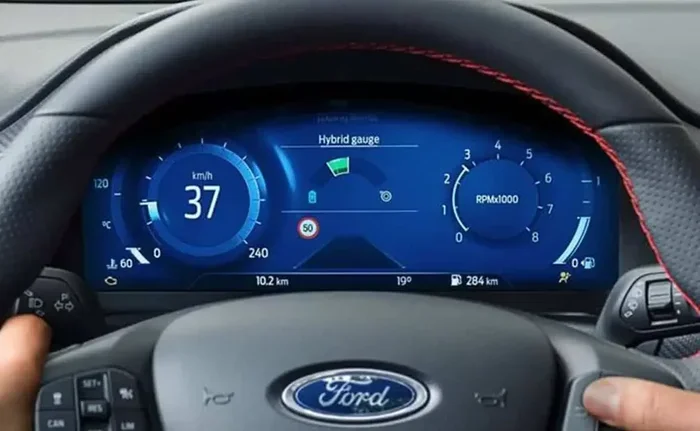
Modern vehicles display clear icons and messages when lane keep assist is active, disabled, or malfunctioning. Ignoring these warnings can lead to confusion and unsafe driving conditions. Always pay attention to what your dashboard is telling you.
Mistake 4: Assuming the System Works in All Conditions
Lane keep assist relies on visible lane markings. It does not work well in heavy rain, thick fog, or on unpaved roads. Assuming the system will handle everything is a recipe for disaster. Always stay alert and ready to take control.
Mistake 5: Using Override to Enable Distracted Driving
This is the most dangerous mistake of all. Overriding lane keep assist should never be used as an excuse to look at your phone, eat, or engage in other distracting behaviors. The system is designed to assist you, not replace your attention.
Quick Tips for Using Lane Keep Assist Effectively
Here are some practical tips to help you get the most out of your lane keep assist system while staying safe:
- Read your owner’s manual: Every vehicle is different. Spend 15 minutes learning how your specific lane keep assist system works.
- Keep the camera clean: The front-facing camera can get dirty from mud, snow, or bug splatter. Clean it regularly for accurate performance.
- Adjust sensitivity settings: Many cars let you choose between high, medium, and low sensitivity. Pick the level that matches your driving style.
- Use it on highways: Lane keep assist works best on clear, well-marked highways. It is less useful in city traffic or rural roads.
- Stay hands-on: Even if your car allows hands-free driving, keep your hands on the wheel and your eyes on the road.
- Practice in safe areas: If you are new to lane keep assist, practice in light traffic to understand how the system responds to your inputs.
Expert Insights on Lane Keep Assist Override
We spoke with automotive safety experts to get their take on overriding lane keep assist. Here is what they had to say:
Dr. Sarah Chen, Automotive Safety Researcher at MIT: “The most important thing drivers need to understand is that lane keep assist is a supplementary system. It is not autonomous driving. Drivers who override the system when needed and stay engaged are the safest users of this technology.”
Mark Thompson, Certified Driving Instructor with 20 years of experience: “I teach my students to always keep their hands on the wheel, even when lane keep assist is active. If the system makes an unwanted correction, your hands are the fastest way to take back control. Overriding should be a reflex, not a panic response.”
Lisa Nguyen, Automotive Engineer at a major OEM: “We design lane keep assist systems with override in mind. The steering torque is calibrated so that a driver can always overpower the system easily. That is not a flaw, it is a safety feature.”
Key Takeaways
- Override is always possible: Every vehicle with lane keep assist allows the driver to override the system through steering input or a disable button.
- Know your vehicle: Different brands and models handle overrides differently. Read your owner’s manual to understand your specific system.
- Override intentionally: Use override for valid reasons like construction zones, bad weather, or driver fatigue, not as a substitute for attention.
- Stay engaged: Lane keep assist is a helper, not a replacement for attentive driving. Always keep your hands on the wheel and your eyes on the road.
- Technology is evolving: Driver monitoring systems and improved sensors are making lane keep assist smarter and safer every year.
- Safety comes first: The purpose of overriding lane keep assist is to maintain control when the system cannot handle the situation. Always prioritize safety over convenience.
Conclusion
The question “can you override lane keep assist” has a clear and reassuring answer: yes, you can. And more importantly, you should feel confident doing so when the situation demands it. Lane keep assist is a powerful advanced driver assistance system that can reduce fatigue, prevent drift-related accidents, and make highway driving more comfortable. But it works best when paired with an alert, engaged driver.
Understanding how to override the system, when to do it, and why it matters puts you in the best position to stay safe on the road. Whether you are navigating a construction zone, driving through a snowstorm, or simply taking a long road trip, knowing your vehicle’s capabilities and limitations is essential.
So the next time your car gently nudges the steering wheel to keep you in your lane, remember: you are always in control. Lane keep assist is there to help, not to take over. And now you know exactly how to work with it, override it when needed, and drive with confidence every time you hit the road.
Take a few minutes today to check your vehicle’s settings, read the relevant section in your owner’s manual, and familiarize yourself with how lane keep assist behaves on your daily routes. A little knowledge goes a long way toward safer, smarter driving.
Frequently Asked Questions
Is it safe to override lane keep assist while driving?
Yes, it is completely safe and even encouraged in certain situations. Overriding lane keep assist by applying steering input is the intended design of the system. Automakers build these features so that the driver always has the final say. The key is to override intentionally and stay focused on the road at all times.
What happens if I override lane keep assist too aggressively?
Most modern systems are designed to handle aggressive steering input without issue. If you turn the wheel firmly, the lane keep assist will disengage its steering corrections and let you take full control. However, abrupt or erratic overrides in normal driving conditions can be unsafe. Always override smoothly and with purpose.
Can I disable lane keep assist permanently?
Yes, virtually all vehicles with lane keep assist allow you to disable the feature permanently through a steering wheel button or infotainment menu. Keep in mind that disabling the system means you also lose lane departure warnings and any steering corrections the system would normally provide. Many drivers prefer to keep it on and simply override it when needed.
Does overriding lane keep assist affect my car’s warranty?
No, overriding lane keep assist does not void your vehicle’s warranty. The system is designed to be user-controlled, and manual override is a normal function. However, if damage occurs due to misuse of the system or disabling safety features during off-road or racing conditions, warranty coverage may be affected in those specific areas.
Will lane keep assist work if the road markings are faded or missing?
Lane keep assist relies on visible lane markings to function properly. If the markings are faded, covered by snow, or missing entirely, the system may become less effective or deactivate on its own. In these situations, you should override the system and drive manually, paying close attention to the road and surrounding traffic.
How is lane keep assist different from lane departure warning?
Lane departure warning only alerts you when your vehicle drifts out of its lane without a turn signal. Lane keep assist goes a step further by actively applying steering input to keep the car centered. You can override both systems, but lane keep assist provides more active intervention and requires a more intentional override action.