Can You Ever Safely Patch a Run-Flat Tire on Your BMW
Patching a run-flat tire on a BMW is generally not recommended by manufacturers. Run-flat tires have reinforced sidewalls designed to keep you driving even after a puncture, but this very design makes repairs risky and often unsafe. Most BMW and tire experts advise full replacement instead of patching. Understanding why will help you make safer decisions for your vehicle and your passengers.
Let’s talk about something every BMW owner should know. Can you patch a run-flat tire on a BMW? The short answer is usually no, but the full story is more nuanced than you might think. Many drivers find themselves stranded with a flat tire and wonder if a quick patch will save them time and money. This guide breaks down everything you need to know about run-flat tire repair, BMW policies, and the safest path forward.
Run-flat tires are a standard feature on most modern BMW models. They let you keep driving even after a puncture, which is a huge convenience. But that convenience comes with trade-offs. Repairing these tires is tricky, and doing it wrong can put you and your passengers at risk. Whether you drive a sleek BMW sedan or a sporty SUV, understanding tire care is essential. Run-flat tire BMW maintenance is not the same as caring for regular tires, and that is exactly what we will explore here.
In this article, we will cover why patching is risky, when replacement is the only safe option, what BMW and tire manufacturers say, and how to keep your tires in top shape. By the end, you will have clear, actionable advice you can use right away. So let’s dive in.
Key Takeaways
- Run-flat tires are engineered differently: They have reinforced sidewalls that allow driving after a puncture, but this design limits repair options.
- Most experts recommend full replacement: BMW and tire manufacturers generally advise against patching run-flat tires due to safety concerns.
- Sidewall damage means no patch: Any damage to the sidewall of a run-flat tire should result in full replacement, not repair.
- TPMS complications: Patching can interfere with your BMW’s Tire Pressure Monitoring System, leading to false alerts.
- Driving on a damaged run-flat is dangerous: Even small punctures can compromise the tire’s structural integrity at highway speeds.
- Always consult a professional: A certified BMW technician or tire specialist can assess whether repair or replacement is the safest option.
- Prevention is key: Regular tire inspections and good driving habits can extend the life of your run-flat tires.
📑 Table of Contents
What Is a Run-Flat Tire and Why Does BMW Use Them?
How Run-Flat Technology Works
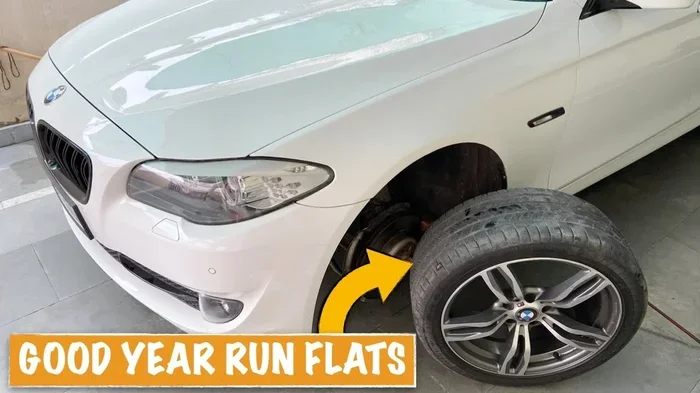
A run-flat tire is built with reinforced sidewalls. These sidewalls are much stronger than those on a standard tire. When air pressure drops, the reinforced walls still support the vehicle’s weight. This means you can keep driving for a limited distance, usually about 50 miles, at reduced speed. Run-flat technology is a clever engineering solution, but it changes how the tire responds to damage.
The sidewall stiffness is the key difference. Regular tires rely on air pressure to hold their shape. Run-flat tires do not. They are designed to carry the load even with zero pressure. This is why BMW uses them. It gives drivers a safety buffer. You are not left stranded on the side of the road waiting for a tow truck.
However, this design also means the tire behaves differently during a puncture. The internal structure is more complex. There are support rings, extra rubber layers, and specialized bead designs. All of these factors make patching a run-flat tire far more complicated than patching a regular tire.
Why BMW Chooses Run-Flat Tires
BMW has specific reasons for equipping their vehicles with run-flat tires. First, they eliminate the need for a spare tire. This saves weight. A lighter car means better fuel efficiency and improved handling. A BMW without a spare tire also has more cargo space, which is always welcome.
Second, safety is a major factor. A sudden tire blowout at highway speeds is dangerous. Run-flat tires reduce that risk significantly. You can maintain control and steer to a safe location. Third, BMW owners value the driving experience. Run-flat tires provide stable handling even after a loss of pressure. This aligns with BMW’s reputation for precision and performance.
Keep in mind that BMW vehicles can weigh quite a bit. Some models tip the scales at over 000 Lbs Heavy For A Car, which puts extra stress on tires. The run-flat design handles that stress better than a standard tire would. This is another reason BMW sticks with this technology.
Can You Patch a Run-Flat Tire on a BMW?
The Short Answer
Most of the time, the answer is no. Patching a run-flat tire on a BMW is not recommended by the majority of tire manufacturers and BMW dealerships. The reinforced structure that makes these tires so useful also makes repairs unreliable. A patch may hold air temporarily, but it cannot restore the original strength of the sidewall or the internal support layers.
Many tire shops will refuse to patch a run-flat tire. They know the risks involved. A patched run-flat tire can fail suddenly, especially under heavy loads or at high speeds. The consequences of a tire failure on a BMW can be serious. These vehicles are built for performance, and their tires need to match that standard.
Why Most Experts Say No
The main reason experts avoid patching run-flat tires is structural integrity. When a run-flat tire is punctured, the internal layers that support the tire may already be compromised. A patch seals the hole on the surface, but it does not repair the internal damage. The tire’s ability to support the vehicle is weakened.
Another concern is the location of the puncture. If the damage is on the sidewall, patching is almost always impossible. The sidewall flexes constantly as you drive. A patch in this area will not hold. Even tread-area punctures are questionable on run-flat tires. The rubber compounds used in run-flat tires are different from those in standard tires. They are stiffer and less forgiving when it comes to repairs.
BMW’s official position also plays a role. Most BMW warranty and tire policies state that run-flat tires should be replaced after any puncture that causes a loss of air. This is not just a money-making tactic. It is a genuine safety recommendation based on extensive testing.
When a Patch Might Be Possible
Minor Tread Damage vs. Sidewall Damage
There is a big difference between a small tread puncture and a sidewall injury. A small nail or screw in the tread center may, in rare cases, be repairable. But even then, most professionals will recommend replacement. The reason is simple. Run-flat tires are not designed to be patched. The internal structure is too complex for a standard patch to be reliable.
Sidewall damage is a different story entirely. If the sidewall is bulging, cut, or punctured, there is no safe repair. The sidewall bears the majority of the vehicle’s load. Any compromise in this area is a serious safety hazard. You should never drive on a damaged sidewall, even if the tire is a run-flat.
Some drivers wonder if a temporary sealant from a tire patch kit can help. While these products can plug small holes quickly, they are not a permanent solution. They can buy you a few miles to get to a tire shop, but they do not replace proper repair or replacement. Using sealant on a run-flat tire can also interfere with the tire pressure monitoring system, which BMW relies on heavily.
Conditions Where a Patch Could Work
There are very few situations where a patch on a run-flat tire is considered acceptable. Some tire manufacturers allow repairs on run-flat tires if the puncture is small (under a quarter inch), located in the tread area, and the tire has not been driven on while flat for more than a short distance. Even then, the repair must be done by a certified technician using approved methods.
But here is the honest truth. In practice, most tire professionals will not patch a run-flat tire. The liability is too high. A failed repair on a highway at 70 mph can cause a serious accident. The cost of a new tire is far less than the cost of an accident. Always prioritize safety over a quick fix.
What BMW and Tire Manufacturers Say
BMW Official Stance
BMW’s owner manuals and service guidelines are clear on this topic. Run-flat tires should be replaced after any puncture that results in air loss. BMW does not recommend patching run-flat tires. Their engineering team has tested these tires extensively and concluded that repairs compromise safety.
BMW dealerships follow this policy strictly. If you bring a BMW with a punctured run-flat tire to a dealership, they will almost always recommend replacement. This is not because they want to sell you a new tire. It is because they want to keep you safe on the road. BMW takes driving safety very seriously, and their tire recommendations reflect that commitment.
Tire Brand Policies
Major tire brands like Michelin, Bridgestone, and Continental also advise against patching run-flat tires. Their warranty terms typically state that any puncture repair voids the warranty. This is an important detail to keep in mind. If you patch a run-flat tire and it fails, you will likely not be covered by the manufacturer.
Some tire brands offer run-flat tire repair kits specifically designed for emergency use. These kits include a sealant and a compressor. They are meant to get you to a service center, not to permanently fix the tire. Think of them as a temporary mobility solution, not a repair. If you own a BMW, keeping one of these kits in your trunk is a smart move.
It is also worth noting that BMW does not include a spare tire in most of its models. This means you are relying entirely on the run-flat system or a mobility repair kit. Understanding this limitation helps you make better decisions when a puncture happens.
The Risks of Patching a Run-Flat Tire
Compromised Structural Integrity
The biggest risk of patching a run-flat tire is the loss of structural integrity. Run-flat tires are built with multiple layers of reinforcement. A puncture can damage these layers in ways that are not visible from the outside. A patch only addresses the surface hole. It does not restore the internal support structure.
When you drive on a patched run-flat tire, you are relying on a repair that was never designed to work with this type of tire. The sidewalls flex differently than on a standard tire. A patch that would hold on a regular tire may fail on a run-flat. The consequences can be a sudden blowout or loss of vehicle control.
TPMS Complications
BMW vehicles are equipped with a Tire Pressure Monitoring System, or TPMS. This system alerts you when tire pressure drops below a safe level. Patching a run-flat tire can interfere with the TPMS sensors. The sensors are mounted inside the tire and measure pressure in real time. If a patch disrupts the seal or the internal environment, the TPMS may give false readings.
False TPMS alerts are more than just annoying. They can desensitize you to real warnings. If your TPMS light comes on and you ignore it because you think it is a sensor issue, you could be driving on a dangerously underinflated tire. This is a risk no BMW owner should take.
Safety Concerns at Highway Speeds
BMW vehicles are designed for performance driving. They can reach highway speeds quickly and handle them with precision. But this performance depends on reliable tires. A patched run-flat tire is not as reliable as a new one. At highway speeds, the heat generated by a flexing, damaged tire can cause the patch to fail.
Think about it this way. You would not want a patch holding your car together at 80 mph on a busy highway. The same logic applies to your tires. The cost of a new run-flat tire is significant, but it is nothing compared to the cost of an accident. Always choose safety over savings when it comes to tire repairs.
Better Alternatives to Patching
Full Tire Replacement
The safest and most recommended alternative is full tire replacement. Yes, it costs more than a patch. But it also gives you a brand-new tire with full structural integrity and warranty coverage. When you replace a run-flat tire on your BMW, make sure to match the tire size, load rating, and speed rating exactly.
BMW recommends replacing tires in pairs. If one tire is damaged, replace at least two tires on the same axle. This ensures balanced handling and traction. Mixing old and new tires can cause uneven wear and unpredictable handling, especially in wet conditions. It is an investment in your safety and your BMW’s performance.
Some BMW owners worry about the cost of replacement. It is true that run-flat tires are more expensive than standard tires. But remember, they are engineered specifically for your vehicle. The added cost reflects the advanced technology and safety features built into each tire.
Mobility Repair Kits
Many BMWs come with a mobility repair kit instead of a spare tire. These kits include a sealant and a portable air compressor. They are designed to seal small punctures temporarily and reinflate the tire. This gives you enough mobility to reach a tire shop or BMW dealership.
Using a mobility repair kit is straightforward. You inject the sealant through the valve stem, then use the compressor to reinflate the tire. The sealant fills the puncture and hardens, creating a temporary seal. It is not a permanent fix, but it can get you out of a tight spot. Keep in mind that these kits are meant for single use and for small punctures only.
If your BMW did not come with a mobility kit, consider purchasing one. They are relatively affordable and can save you a lot of hassle. You can also find them at most auto parts stores. Having one in your trunk is a small investment that can make a big difference.
When to Call a Professional
Whenever you suspect a tire puncture, the best course of action is to consult a professional. A certified BMW technician or a reputable tire specialist can assess the damage accurately. They have the tools and expertise to determine whether a repair is possible or if replacement is the only safe option.
Do not try to assess the damage yourself if you are not trained. What looks like a small hole on the outside could be significant damage on the inside. A professional will inspect both the exterior and interior of the tire. They will check the sidewall, the tread, and the internal layers. This thorough inspection is something you cannot do reliably on your own.
If you are traveling and need help, roadside assistance services can connect you with a local tire shop. Many BMW dealerships also offer emergency tire services. Knowing who to call ahead of time can save you stress and confusion when a puncture happens.
How to Prevent Run-Flat Tire Damage
Regular Inspection Tips
Prevention is always better than repair. Regular tire inspections can catch small problems before they become big ones. Here are some simple tips you can follow:
- Check tire pressure weekly. Run-flat tires rely on proper pressure to function correctly. Even a small pressure loss can cause damage over time.
- Inspect the tread and sidewalls monthly. Look for cuts, bulges, nails, screws, or any foreign objects embedded in the tire.
- Check tire alignment regularly. Misaligned wheels cause uneven tire wear, which shortens the life of your run-flat tires.
- Rotate your tires on schedule. BMW recommends tire rotation every 5,000 to 7,500 miles. This promotes even wear and extends tire life.
- Keep your tires clean. Road debris, chemicals, and dirt can degrade rubber over time. A simple wash can go a long way.
Taking care of your tires also means taking care of your BMW maintenance schedule. Regular service appointments at a BMW dealership or qualified shop will include tire inspections. This proactive approach can help you avoid unexpected tire problems.
Driving Habits That Help
Your driving habits have a direct impact on tire life. Avoid potholes, speed bumps, and sharp debris whenever possible. These are the most common causes of tire punctures and sidewall damage. If you must drive over rough terrain, reduce your speed and take it slowly.
Also, be mindful of your loading. Overloading your BMW puts extra stress on the tires. Check the vehicle’s load rating and never exceed it. If you frequently carry heavy cargo, consider investing in high-load-rated run-flat tires. These tires are built to handle extra weight without compromising safety.
Finally, pay attention to how your BMW handles. If you notice vibration, pulling to one side, or a change in steering feel, get your tires checked. These can be early signs of tire damage or alignment issues. Catching them early can save you from a more serious problem down the road.
Conclusion
The answer to the question Can You Patch a Run-Flat Tire on a BMW is clear. In most cases, patching is not safe or recommended. Run-flat tires are engineered with a specific purpose, and that purpose does not include patching. The reinforced sidewalls, internal support layers, and specialized materials make repairs unreliable and potentially dangerous.
Your best options are full tire replacement or using a mobility repair kit for temporary mobility. Always consult a professional when you suspect a puncture. They can give you an honest assessment and recommend the safest path forward. Remember, your tires are the only part of your BMW that touches the road. Treat them with the care and respect they deserve.
Taking care of your run-flat tires means taking care of your safety. It also means getting the best performance from your BMW. Follow the manufacturer’s guidelines, inspect your tires regularly, and never compromise on safety. Your BMW deserves the best, and so do you.
Frequently Asked Questions
Why can’t run-flat tires be patched like regular tires?
Run-flat tires have reinforced sidewalls and internal support layers that are not present in standard tires. A patch only seals the surface hole and does not restore the internal structure. This makes the repair unreliable and potentially dangerous, especially at highway speeds.
How much does it cost to replace a run-flat tire on a BMW?
The cost varies depending on the BMW model and tire size. On average, expect to pay between $200 and $500 per tire for a quality run-flat replacement. Some premium models may cost more. Always choose tires that match your BMW’s specifications for safety and performance.
Can I drive on a punctured run-flat tire to the nearest shop?
Yes, but only for a limited distance. Run-flat tires are designed to allow driving up to 50 miles at reduced speed after a puncture. However, do not push the limits. Get to a tire shop or BMW dealership as soon as possible to assess the damage properly.
Does patching a run-flat tire void the BMW warranty?
It can. Most BMW tire policies and manufacturer warranties state that any puncture repair on a run-flat tire voids the warranty. If the tire fails after a patch, you will likely not be covered for the replacement cost or any related damage.
What should I do if I get a flat tire on my BMW in an unfamiliar area?
Use your mobility repair kit if you have one. It can temporarily seal small punctures and reinflate the tire. If you do not have a kit, call roadside assistance. Avoid driving long distances on a damaged run-flat tire, as this can cause irreversible internal damage.
Are there any run-flat tires that can be safely patched?
Very few tire manufacturers allow patching of run-flat tires, and only under strict conditions. The puncture must be small, located in the tread area, and the tire must not have been driven on while flat for an extended period. Even then, most professionals recommend replacement for safety reasons.