Car Has No Power at All: What It Means and Why It Happens
When your car has no power at all, it means the engine isn’t producing enough force to move the vehicle normally. This problem can stem from fuel system failures, engine misfires, or transmission issues that drain your car’s performance. Understanding the root cause helps you fix it fast and avoid costly repairs.
Key Takeaways
- Car has no power at all is a serious symptom that signals an underlying mechanical or electrical problem needing immediate attention.
- Fuel system issues like a clogged fuel filter or failing fuel pump are among the most common reasons for total power loss.
- Engine misfires caused by bad spark plugs or ignition coil failures can dramatically reduce your car’s performance.
- Transmission problems such as slipping or fluid contamination can make your car feel like it has zero power.
- Regular maintenance including air filter changes, fuel system cleaning, and spark plug replacement helps prevent unexpected power loss.
- Ignoring a car losing power while driving can lead to dangerous situations and more expensive repairs down the road.
- Always use diagnostic trouble codes (DTCs) from an OBD-II scanner to pinpoint the exact cause quickly.
📑 Table of Contents
What Does It Mean When Your Car Has No Power?
Your car has no power at all when the engine fails to deliver the expected performance needed for normal driving. You step on the gas pedal, but the car barely moves or refuses to accelerate. It feels like the engine is running, but something is blocking the energy transfer.
This situation goes beyond a slow engine. A normal engine responds quickly to your foot on the throttle. When power disappears, you may notice the engine revving without matching speed. The car might feel heavy, sluggish, or completely dead on the road.
There are two main types of power loss to understand:
- Complete power loss: The engine stalls or dies immediately. You lose all acceleration and may need to push the car to safety.
- Progressive power loss: The car slowly loses strength over time. It struggles on hills, won’t pick up speed, and feels drained.
Both situations signal trouble. Neither one fixes itself. Let us dig into the real reasons behind this frustrating problem.
Common Causes of Car Has No Power at All
Several mechanical and electrical problems can make your car has no power at all. Each one affects the engine differently. Here are the biggest culprits you should know about.
Fuel System Failures
Your engine needs fuel to run. Without it, your car has no power at all. Fuel system issues rank among the top reasons for total power loss.
A clogged fuel filter restricts fuel flow to the engine. Think of it like trying to drink a thick milkshake through a tiny straw. Eventually, not enough fuel reaches the engine, and the car loses all power.
A failing fuel pump is another common problem. The fuel pump pushes gasoline from the tank to the engine. When it weakens or dies, the engine starves. You may notice your car sputtering at first, then completely dying shortly after.
Here are signs your fuel system is failing:
- Car sputters or jerks at high speeds
- Engine stalls after starting
- Difficulty starting the car
- Whining noise from the fuel pump area
- Car dies under heavy load like hills
Engine Misfires and Ignition Problems
An engine misfire means one or more cylinders fail to ignite fuel properly. This creates a rough-running engine with significantly reduced power. Your car has no power at all because the engine cannot complete the combustion cycle efficiently.
Bad spark plugs are the most frequent cause of misfires. Over time, spark plugs wear out. Their electrodes gap unevenly, and they fail to create the spark needed for ignition. Replacing them is inexpensive but critical.
Faulty ignition coils also cause serious power loss. These components amplify battery voltage to create a strong spark. When a coil fails, the cylinder it serves stops firing. You may feel a strong vibration or jerking motion while driving.
Air Intake and Filter Issues
Engines need a precise mix of air and fuel. When the air supply gets blocked, your car has no power at all. A clogged air filter restricts airflow dramatically. The engine chokes and cannot produce normal power.
A dirty throttle body also creates problems. The throttle body controls how much air enters the engine. Carbon buildup around the valve restricts airflow. You might notice rough idling and hesitation when pressing the accelerator.
Transmission Problems
Sometimes the engine runs fine, but the transmission fails to transfer power to the wheels. This makes your car feel like it has no power even though the engine is working.
Low or dirty transmission fluid is a leading cause. Fluid lubricates the internal gears. When it gets old or contaminated, the gears grind and slip. Your car may rev high without moving forward.
A worn clutch in manual cars creates similar symptoms. The clutch connects the engine to the transmission. When it wears thin, it slips under pressure. You hear the engine speeding up, but the car barely accelerates.
Exhaust System Blockages
A blocked catalytic converter traps exhaust gases inside the engine. This creates massive back pressure. The engine essentially suffocates and your car has no power at all.
You may notice these symptoms with a clogged catalytic converter:
- Sluggish acceleration
- Dark or rotten-egg exhaust smell
- Higher than normal engine temperature
- Car stalls at low speeds
- Failed emissions test
Electrical and Sensor Failures
Modern cars rely on sensors and computers to manage power. A failed mass airflow sensor sends wrong data to the engine computer. The engine then receives the wrong fuel-air mixture and loses power.
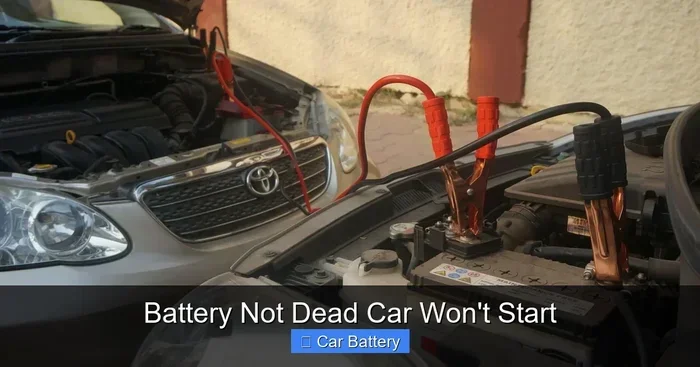
A weak battery or alternator problem can also drain your car’s electrical system. Without proper voltage, ignition and fuel injection systems struggle. Your car may start but run poorly with very little power.
How to Diagnose Why Your Car Has No Power
Diagnosing a car losing power while driving does not have to be complicated. You can follow a logical sequence to find the problem fast. Start with the simplest checks and move toward advanced diagnostics.
Step 1: Check for Warning Lights
Your dashboard holds vital clues. The check engine light is the most important indicator. When it comes on, your car’s computer stores a diagnostic trouble code (DTC).
Grab an OBD-II scanner. Plug it into the port under your steering column. Read the codes. They point directly to the failing system. For example, code P0300 indicates a random misfire. Code P0420 points to a catalytic converter problem.
Step 2: Inspect the Basics
Before diving deep, check the simple things first:
- Check your fuel level. Is there enough gas?
- Look at the air filter. Is it dirty or clogged?
- Inspect the battery terminals. Are they clean and tight?
- Check for visible fluid leaks under the car.
- Listen for unusual sounds like whining or knocking.
Step 3: Test the Fuel System
Fuel delivery problems often cause a car has no power at all situation. Test the fuel pump by turning the key to the “on” position without starting. Listen for a brief humming sound from the fuel tank area. No sound means the pump may be dead.
Check fuel pressure with a gauge. Low pressure confirms a weak pump or clogged filter. Replace these parts and retest. Often this single fix restores full power.
Step 4: Examine Ignition Components
Pull each spark plug and inspect it. A fouled plug shows carbon buildup, wear, or damage. Replace spark plugs as a set. Also test ignition coils with a multimeter. Weak coils need replacement to restore proper combustion.
Step 5: Scan for Sensor Problems
Use your OBD-II scanner to check sensor readings. Pay close attention to the mass airflow sensor, oxygen sensor, and throttle position sensor. Each one affects the air-fuel mixture. A bad reading from any sensor can cause significant power loss.
Car Has No Power at All: Fixing Common Problems
Once you identify the cause, fixing a car has no power at all problem becomes straightforward. Here are the most common fixes and how to approach them.
Replacing Fuel Filters and Pumps
A fuel filter replacement costs between $50 and $150 for parts and labor. It takes about an hour. This simple fix often restores power immediately. Replace your fuel filter every 30,000 miles as part of regular maintenance.
A fuel pump replacement costs more, typically between $400 and $800. The pump sits inside the fuel tank in most modern cars. Accessing it requires dropping the tank. If you are handy, you can save on labor costs by doing it yourself.
Spark Plug and Ignition Coil Replacement
New spark plugs cost under $30 for a full set. Installation takes about 30 minutes for most engines. This is one of the cheapest and most effective fixes for power loss. Always use the correct spark plug type for your vehicle.
Ignition coils range from $25 to $100 each. Replace all coils at once if multiple cylinders are misfiring. This prevents the remaining coils from failing soon after.
Cleaning the Throttle Body and Air Intake
A throttle body cleaning takes about 15 minutes. Use throttle body cleaner spray and a soft brush. Remove carbon deposits gently. Do not force the throttle plate open. After cleaning, your idle should smooth out and power should improve noticeably.
Replace your air filter every 15,000 to 30,000 miles. A fresh air filter costs under $20 and dramatically improves airflow to the engine. This small change can make your car feel like new again.
Transmission Fluid Change and Clutch Repair
Changing transmission fluid costs between $100 and $300. Fresh fluid restores smooth gear engagement. If your transmission has been neglected for years, a full flush may be necessary. Always use the manufacturer-recommended fluid type.
Clutch replacement in manual cars costs between $500 and $1,200. It requires removing the transmission. This is a bigger job but essential when the clutch slips. Do not delay this repair because a slipping clutch can damage the flywheel and increase costs.
Catalytic Converter Replacement
A new catalytic converter costs between $500 and $2,000 depending on your vehicle. This is one of the more expensive fixes. However, driving with a clogged converter can cause irreversible engine damage. Address this problem immediately when diagnosed.
Preventive Maintenance to Avoid Power Loss
The best way to handle a car has no power at all situation is to prevent it from happening. Follow a regular maintenance schedule and stay ahead of problems.
Follow the Manufacturer’s Maintenance Schedule
Every vehicle comes with a recommended service schedule. This includes oil changes, filter replacements, and inspections. Sticking to this schedule keeps your engine running at full capacity. Skipping services accelerates wear and increases the risk of sudden power loss.
Keep Your Fuel System Clean
Use quality fuel from reputable stations. Add a fuel system cleaner every few months. This dissolves carbon deposits in injectors and intake valves. Clean fuel injectors deliver fuel more efficiently and maintain engine power.
Monitor Fluid Levels Regularly
Check these fluids at least once a month:
- Engine oil
- Transmission fluid
- Coolant
- Brake fluid
- Power steering fluid
Low engine oil is a common reason for a vehicle power loss. Running low causes increased friction and heat. The engine works harder and produces less power. Top off fluids promptly and change them on schedule.
Watch for Early Warning Signs
Your car tells you something is wrong before it fails completely. Pay attention to these early signs:
- Slight hesitation when accelerating
- Unusual exhaust smoke color
- Strange smells from the engine bay
- Minor vibrations at idle
- Slight decrease in fuel economy
Addressing these small issues prevents the big breakdown. A $50 fix now saves a $1,000 repair later.
When to See a Mechanic
Not every power problem is a DIY fix. Some situations demand professional help. Do not wait until your car has no power at all on a busy highway to call for assistance.
Visit a mechanic when you notice these situations:
- The check engine light stays on after clearing codes
- The car stalls repeatedly in different locations
- You hear knocking or grinding sounds from the engine
- Transmission slipping happens frequently
- Power loss occurs along with smoke from the exhaust
- Electrical issues cause multiple systems to fail
Professional mechanics have advanced diagnostic tools. They can identify problems that basic scanning cannot reveal. A compression test, for example, reveals if your engine has low compression in one or more cylinders. This is critical information for serious engine problems.
Trust your instincts. If something feels wrong, it probably is. Driving with reduced power is dangerous. You lose the ability to merge safely or avoid hazards. Get help before the situation becomes worse.
Conclusion
Dealing with a situation where your car has no power at all can be scary and frustrating. But understanding the common causes makes the problem manageable. Fuel system failures, engine misfires, transmission issues, and exhaust blockages are the most frequent reasons for power loss. Diagnosing the problem systematically saves time and money. Start with warning lights and simple checks before moving to advanced testing. Regular maintenance remains your best defense against unexpected power loss. Keep your fluids full, your filters clean, and your ignition components in good shape. When problems arise, fix them promptly. Small repairs today prevent major breakdowns tomorrow. Stay proactive, stay safe, and keep your car running strong.
Frequently Asked Questions
Why does my car have no power at all but still runs?
This usually means your engine is running but something is blocking power delivery to the wheels. Common causes include a slipping transmission, clogged catalytic converter, or dirty throttle body. Check your transmission fluid and exhaust system first for this specific symptom.
What should I do if my car loses power while driving?
Stay calm and pull over safely. Turn on your hazard lights. Check your dashboard for warning lights. If the car stalls completely, do not attempt to restart it immediately. Call for roadside assistance or a tow. Diagnosing the problem from a safe location is always the better choice.
Can a bad battery cause car has no power at all?
Yes, a severely weak battery can cause total power loss. The battery provides electricity for ignition and fuel injection systems. When voltage drops too low, the engine may not start or may run very poorly. A failing alternator can also drain the battery while driving, leading to sudden power loss.
How much does it cost to fix a car with no power?
The cost varies widely based on the cause. Simple fixes like spark plugs or air filters cost under $100. Fuel pump replacement runs $400 to $800. Catalytic converter replacement can cost $500 to $2,000. Getting an accurate diagnosis first helps you budget for the right repair.
Is it safe to drive when my car has no power at all?
No, it is not safe. A car with no power cannot accelerate to avoid traffic hazards or merge onto highways. You risk rear-end collisions and other accidents. Pull over immediately and seek help. Driving in this condition endangers you and everyone around you.
How often should I replace spark plugs to prevent power loss?
Most manufacturers recommend replacing spark plugs every 30,000 to 100,000 miles depending on the type. Standard copper plugs need replacement sooner. Iridium and platinum plugs last longer. Check your owner’s manual for the exact schedule. Replacing them on time prevents misfires and maintains your car’s full power.